Which Is Better Cadillac or Lexus

Contents
- 1 Key Takeaways
- 2 📑 Table of Contents
- 3 Introduction: Two Icons of Luxury, One Clear Choice?
- 4 Brand Heritage and Philosophy
- 5 Performance and Driving Dynamics
- 6 Interior Quality and Comfort
- 7 Technology and Infotainment
- 8 Reliability and Ownership Costs
- 9 Fuel Efficiency and Environmental Impact
- 10 Conclusion: Which Is Better—Cadillac or Lexus?
- 11 Frequently Asked Questions

Engine Oil Additive

Reflective Stickers

Car LED Headlight Bulb

Anti Rust Spray
Choosing between Cadillac and Lexus depends on your priorities. Lexus leads in reliability, fuel efficiency, and long-term value, while Cadillac offers bold American styling, powerful engines, and a more aggressive driving experience. Both deliver luxury, but in very different ways.
Key Takeaways
- Lexus excels in reliability and resale value: Known for near-flawless dependability, Lexus consistently ranks at the top of reliability studies and holds its value better over time.
- Cadillac delivers bold performance and presence: With turbocharged engines and rear-wheel-drive platforms, Cadillac focuses on power, handling, and a commanding road presence.
- Lexus prioritizes comfort and quiet refinement: Interiors are serene, with plush seating, whisper-quiet cabins, and intuitive tech designed for relaxation.
- Cadillac embraces modern American luxury: From sharp exterior lines to high-tech cockpits, Cadillac blends performance with cutting-edge design and innovation.
- Lexus offers superior hybrid options: With a full lineup of hybrid models, Lexus leads in fuel-efficient luxury, especially in sedans and SUVs.
- Cadillac targets driving enthusiasts: Models like the CT4-V and CT5-V appeal to those who want a sportier, more engaging drive than typical luxury cars offer.
- Both brands offer strong warranties and tech: While Lexus includes complimentary maintenance, Cadillac counters with longer basic warranties and advanced driver-assist features.
📑 Table of Contents
Introduction: Two Icons of Luxury, One Clear Choice?
When it comes to premium automobiles, few debates spark as much passion as Cadillac versus Lexus. These two brands represent different philosophies of luxury—one rooted in American muscle and modern innovation, the other in Japanese precision and timeless refinement. Whether you’re shopping for a smooth-riding sedan, a capable SUV, or a performance-oriented sports car, the decision between Cadillac and Lexus can feel overwhelming. Both offer high-end materials, advanced technology, and a reputation for quality, but they cater to very different tastes and lifestyles.
So, which is better: Cadillac or Lexus? The answer isn’t black and white. It depends on what you value most in a luxury vehicle. Are you looking for bulletproof reliability and low ownership costs? Or do you crave thrilling acceleration, bold styling, and a more dynamic driving experience? In this comprehensive guide, we’ll break down every aspect of both brands—from performance and comfort to technology, safety, and long-term value. By the end, you’ll have a clear understanding of which luxury brand aligns best with your needs, preferences, and driving habits.
Brand Heritage and Philosophy
The American Dream: Cadillac’s Bold Legacy
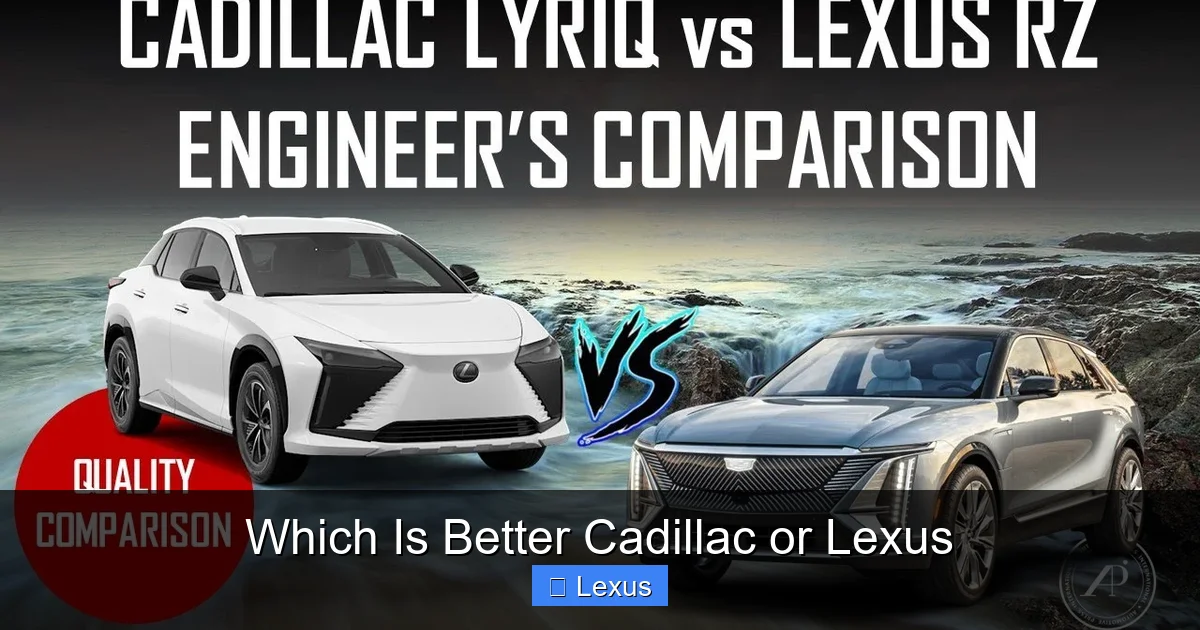
Cadillac has been a symbol of American luxury since 1902. Born in Detroit, the brand has long represented innovation, power, and prestige. From the tailfin era of the 1950s to the modern Escalade dominating city streets today, Cadillac has always aimed to make a statement. In recent years, the brand has reinvented itself under General Motors’ “V-Series” performance division and a renewed focus on electric vehicles. The Cadillac Lyriq, for example, marks the brand’s serious push into the EV market, blending sleek design with cutting-edge battery technology.

Visual guide about Which Is Better Cadillac or Lexus
Image source: dealerimages.dealereprocess.com
Cadillac’s philosophy centers on performance and presence. It’s not just about getting from point A to point B in comfort—it’s about doing so with authority. The brand targets drivers who want to feel connected to the road, whether they’re cruising down the highway or carving through mountain curves. With rear-wheel-drive platforms, turbocharged engines, and sport-tuned suspensions, Cadillac vehicles are engineered for engagement. Even their SUVs, like the XT6 and Escalade, offer surprisingly agile handling for their size.
The Japanese Standard: Lexus’s Pursuit of Perfection
Lexus, launched by Toyota in 1989, was built from the ground up to challenge European luxury giants like Mercedes-Benz and BMW. Its mission? To deliver unmatched reliability, refinement, and customer satisfaction. And it succeeded—Lexus quickly became synonymous with quality, often topping J.D. Power and Consumer Reports rankings for dependability. The brand’s “L-finesse” design language emphasizes smooth lines, quiet cabins, and intuitive usability, creating a sanctuary on wheels.
Unlike Cadillac’s performance-first approach, Lexus prioritizes harmony between driver, vehicle, and environment. The brand’s hybrid technology, introduced with the RX 400h in 2005, set a new standard for fuel-efficient luxury. Today, nearly every Lexus model offers a hybrid variant, appealing to eco-conscious buyers who don’t want to sacrifice comfort or prestige. Lexus also places a strong emphasis on craftsmanship—each vehicle is meticulously assembled with attention to detail, from hand-stitched leather to precision-fit panels.
Performance and Driving Dynamics
Engine Power and Acceleration
When it comes to raw power, Cadillac holds a clear advantage. Models like the CT5-V Blackwing pack a supercharged 6.2-liter V8 engine producing 668 horsepower, enabling 0-60 mph times under 3.5 seconds. Even the standard CT4 and CT5 offer turbocharged four- and six-cylinder engines that deliver brisk acceleration and a satisfying exhaust note. Cadillac’s focus on performance is evident across its lineup, with rear-wheel-drive layouts and available all-wheel drive enhancing traction and handling.
Visual guide about Which Is Better Cadillac or Lexus
Image source: clublexus.com
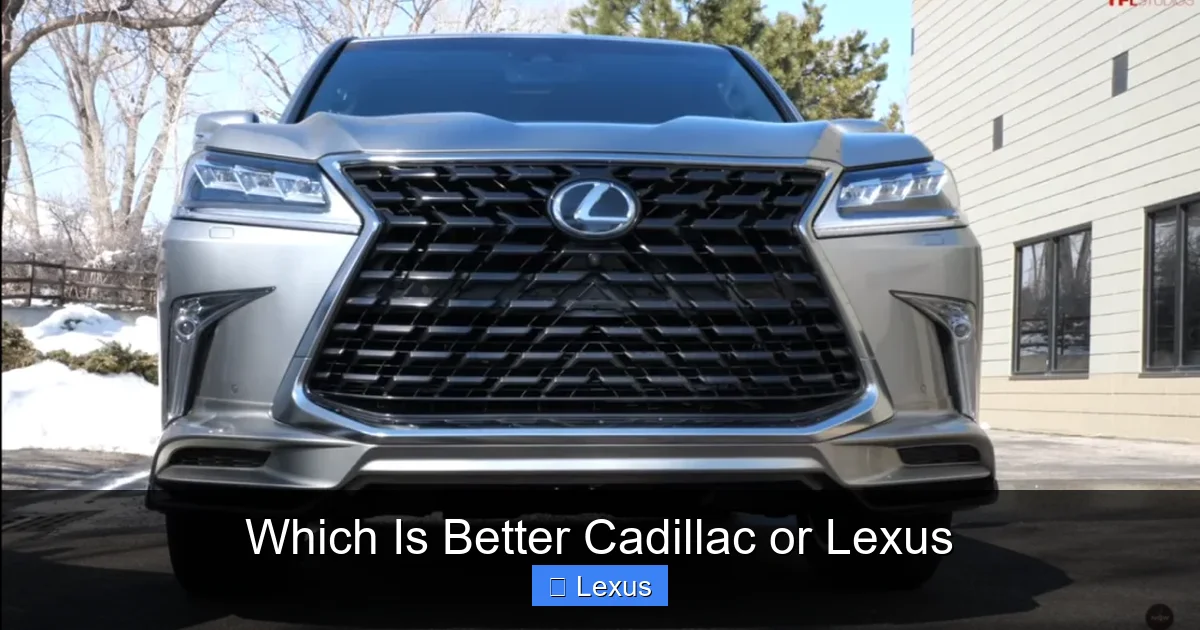
Lexus, by contrast, favors smoothness over speed. While the brand does offer performance variants like the RC F and IS 500 F Sport, most models prioritize quiet operation and seamless power delivery. The Lexus ES 350, for example, uses a 3.5-liter V6 that produces 302 horsepower—respectable, but not thrilling. However, Lexus hybrids like the ES 300h combine a gasoline engine with electric motors for instant torque and impressive fuel economy, achieving up to 44 mpg in the city.
Handling and Ride Comfort
Cadillac’s suspension tuning leans toward sportiness. The Magnetic Ride Control system, available on models like the CT5 and Escalade, uses real-time damping adjustments to balance comfort and agility. On winding roads, Cadillacs feel planted and responsive, with minimal body roll and confident cornering. However, this sportier setup can result in a firmer ride on rough pavement, which may not suit all passengers.
Lexus, on the other hand, is the king of ride comfort. The brand’s Adaptive Variable Suspension (AVS) and air suspension systems (on higher trims) absorb bumps and road imperfections with ease. Whether you’re driving on smooth highways or pothole-ridden city streets, Lexus vehicles deliver a floaty, serene experience. The Lexus LS flagship sedan, for instance, is often compared to a luxury lounge on wheels, with near-silent operation and pillow-soft seating.
Transmission and Drivetrain
Both brands offer advanced transmissions, but their philosophies differ. Cadillac uses GM’s 10-speed automatic transmission in most models, which provides quick shifts and improved fuel efficiency. The CT4-V and CT5-V also offer manual transmissions (in limited editions), appealing to purists who enjoy rowing their own gears.
Lexus relies on smooth-shifting 8- and 10-speed automatics, as well as electronically controlled Continuously Variable Transmissions (ECVTs) in hybrid models. These transmissions prioritize seamless power delivery and fuel economy over sporty responsiveness. While not as engaging as a manual or dual-clutch gearbox, they contribute to Lexus’s reputation for refinement.
Interior Quality and Comfort
Materials and Craftsmanship
Lexus interiors are a masterclass in luxury. From the soft-touch plastics to the real wood and metal trim, every surface feels premium. The brand’s attention to detail is evident in features like the analog clock with LED backlighting in the LS and the hand-stitched leather on the steering wheel. Even entry-level models like the UX and NX offer high-quality materials that rival more expensive competitors.
Visual guide about Which Is Better Cadillac or Lexus
Image source: i.ytimg.com
Cadillac has made significant strides in interior design in recent years. The CT5 and Escalade feature minimalist dashboards with large touchscreens, ambient lighting, and available semi-aniline leather. However, some critics note that certain plastics and switchgear still feel less refined than Lexus equivalents. That said, Cadillac’s newer models, especially those with the “Aura” interior theme, are closing the gap with bold styling and high-tech finishes.
Seating and Space
Both brands offer spacious cabins, but Lexus tends to prioritize passenger comfort. The ES and LS sedans provide generous legroom and supportive seats with multiple adjustment options, including ventilation and massage functions. The RX and TX SUVs also offer three rows of seating (in the TX), making them ideal for families.
Cadillac’s Escalade is the largest luxury SUV on the market, with best-in-class cargo space and seating for up to eight. The CT5 and CT4 sedans, however, have slightly tighter rear seats compared to Lexus rivals like the IS and ES. Still, Cadillac’s sport seats offer excellent lateral support, especially in V-Series models, making them ideal for spirited driving.
Noise, Vibration, and Harshness (NVH)
Lexus is the clear winner when it comes to cabin quietness. The brand uses extensive sound insulation, acoustic glass, and active noise cancellation to create a whisper-quiet environment. Even at highway speeds, conversations remain easy, and wind noise is virtually nonexistent.
Cadillac has improved its NVH levels significantly, especially in the Escalade and CT5. However, performance-oriented models may allow more engine and road noise to enter the cabin—a trade-off for enthusiasts who enjoy the sound of a roaring V8. For most buyers, the difference is minor, but it’s worth noting if silence is a top priority.
Technology and Infotainment
Infotainment Systems
Lexus uses the Enform system, which has evolved into the more modern Lexus Interface. The latest version features a 14-inch touchscreen (on models like the RX and TX), wireless Apple CarPlay and Android Auto, and cloud-based navigation. While the system is intuitive, some users find the menu layout cluttered, and the lack of a physical knob or trackpad can be frustrating while driving.
Cadillac’s infotainment system, powered by GM’s Ultifi platform, offers a sleek interface with a 33-inch curved OLED display in the Celestiq and upcoming models. The system supports over-the-air updates, voice commands, and seamless smartphone integration. The touchscreen is responsive, and the layout is clean, though some functions still require digging through menus.
Driver Assistance and Safety
Both brands offer comprehensive safety suites. Lexus Safety System+ 3.0 includes features like adaptive cruise control, lane-keeping assist, automatic emergency braking, and road sign recognition. The system is reliable and well-calibrated, making highway driving less stressful.
Cadillac’s Super Cruise is one of the most advanced hands-free driving systems on the market. Available on the CT6, Escalade, and Lyriq, it allows for true hands-free operation on over 400,000 miles of compatible highways. While Lexus offers similar features, Cadillac’s system is more advanced in terms of autonomy and ease of use.
Connectivity and Convenience
Lexus offers wireless charging, multiple USB ports, and a premium Mark Levinson audio system (on higher trims). The brand also includes a complimentary Wi-Fi hotspot and remote start via the Lexus app.
Cadillac matches or exceeds these features with available wireless charging, Bose or AKG audio systems, and the myCadillac app for remote access. The brand also offers augmented reality navigation in the Escalade, projecting directions onto the windshield for easier route following.
Reliability and Ownership Costs
Long-Term Dependability
Lexus consistently ranks at the top of reliability studies. According to Consumer Reports, Lexus has held the #1 spot for most reliable brand for over a decade. Owners report fewer mechanical issues, lower repair costs, and higher satisfaction over time. The brand’s hybrid systems are also proven to last well beyond 200,000 miles with minimal degradation.
Cadillac has improved its reliability in recent years but still lags behind Lexus. While newer models like the XT5 and CT4 show promise, older Cadillacs were often criticized for electrical issues and transmission problems. That said, GM’s focus on quality control has led to noticeable improvements, and Cadillac now offers a 4-year/50,000-mile basic warranty—longer than Lexus’s 4-year/50,000-mile coverage.
Maintenance and Warranty
Lexus includes two years of complimentary scheduled maintenance with every new vehicle, covering oil changes, tire rotations, and inspections. This perk adds significant value, especially for buyers who want hassle-free ownership.
Cadillac does not offer complimentary maintenance but provides a stronger powertrain warranty—6 years/70,000 miles compared to Lexus’s 6 years/70,000 miles (same coverage). However, Cadillac’s roadside assistance program is more comprehensive, including trip interruption benefits and concierge services.
Resale Value
Lexus vehicles hold their value exceptionally well. The RX, for example, retains over 60% of its value after three years, according to Kelley Blue Book. This strong resale performance reduces the total cost of ownership and makes Lexus a smart long-term investment.
Cadillac’s resale values are improving but still trail behind Lexus. The Escalade and CT5 hold value better than older models, but overall depreciation is higher. Buyers who plan to keep their vehicle for many years may not notice the difference, but those who trade in frequently may prefer Lexus.
Fuel Efficiency and Environmental Impact
Hybrid and Electric Options
Lexus leads the luxury hybrid market with models like the ES 300h, RX 450h, and UX 250h. These vehicles combine gasoline engines with electric motors to deliver excellent fuel economy—up to 44 mpg in the city for the ES 300h. Lexus also offers plug-in hybrids like the NX 450h+, which can travel up to 37 miles on electric power alone.
Cadillac is entering the EV space with the Lyriq and upcoming Celestiq. The Lyriq offers up to 312 miles of range and fast-charging capability, positioning it as a strong competitor to the Tesla Model Y and BMW iX. However, Cadillac currently lacks hybrid options in its lineup, putting it at a disadvantage for buyers seeking fuel-efficient luxury today.
Emissions and Sustainability
Lexus has a long history of reducing emissions through hybrid technology. The brand aims to offer electrified versions of all its models by 2030 and achieve carbon neutrality by 2050. Its manufacturing plants also use renewable energy and recycled materials.
Cadillac is committed to an all-electric future, with plans to phase out internal combustion engines by 2030. The brand’s use of sustainable materials in the Lyriq, such as recycled plastics and vegan leather, reflects a growing focus on environmental responsibility.
Conclusion: Which Is Better—Cadillac or Lexus?
So, which is better: Cadillac or Lexus? The answer depends on your priorities. If you value reliability, fuel efficiency, and a serene driving experience, Lexus is the clear winner. Its vehicles are built to last, cost less to maintain, and offer a level of refinement that’s hard to match. Whether you’re commuting daily or taking long road trips, a Lexus delivers comfort and peace of mind.
On the other hand, if you crave performance, bold styling, and cutting-edge technology, Cadillac is the way to go. With powerful engines, sporty handling, and innovative features like Super Cruise, Cadillac appeals to drivers who want more than just a luxury ride—they want an experience. The brand’s push into electric vehicles also signals a promising future for American luxury.
Ultimately, both Cadillac and Lexus offer exceptional vehicles that cater to different tastes. Test drive both brands, consider your lifestyle, and choose the one that feels right. Whether you’re drawn to the quiet elegance of a Lexus or the bold presence of a Cadillac, you’re sure to find a luxury car that exceeds your expectations.
Frequently Asked Questions
Which brand is more reliable, Cadillac or Lexus?
Lexus is significantly more reliable than Cadillac. It consistently ranks at the top of reliability studies, with fewer reported issues and lower repair costs over time. Cadillac has improved but still lags behind Lexus in long-term dependability.
Do Cadillac cars hold their value better than Lexus?
No, Lexus vehicles generally hold their value better than Cadillacs. Models like the RX and ES retain over 60% of their value after three years, while Cadillac depreciation is typically higher, especially in non-performance models.
Which brand offers better fuel efficiency?
Lexus offers superior fuel efficiency, especially with its hybrid lineup. Models like the ES 300h achieve up to 44 mpg in the city. Cadillac currently lacks hybrid options, though its upcoming EVs aim to close the gap.
Is Cadillac more fun to drive than Lexus?
Yes, Cadillac is generally more engaging to drive, especially in V-Series models. With powerful engines, rear-wheel drive, and sport-tuned suspensions, Cadillacs offer a more dynamic experience compared to Lexus’s focus on comfort and smoothness.
Which brand has better technology and infotainment?
Both brands offer advanced tech, but Cadillac leads in innovation with features like Super Cruise and a 33-inch curved display. Lexus focuses on usability and refinement, with a quieter cabin and intuitive controls, though its infotainment system can feel outdated.
Are Lexus hybrids worth the extra cost?
Yes, Lexus hybrids are worth the investment for most buyers. They offer excellent fuel economy, low emissions, and proven long-term reliability. The ES 300h, for example, saves hundreds in fuel costs annually while delivering a smooth, quiet ride.