
Where to Buy Car Paint by Code

Need to match your car’s original color perfectly? Buying car paint by code ensures an exact match for repairs, touch-ups, or full resprays. This guide walks you through where to find high-quality paint using your vehicle’s unique color code—whether online, at auto shops, or through dealerships.
[FEATURED_IMAGE_PLACEHACEHOLDER]
Finding the right car paint doesn’t have to be a guessing game. Whether you’re fixing a small scratch, repainting a bumper, or restoring a classic ride, using your vehicle’s official paint code is the smartest way to get a flawless match. Gone are the days of hoping the “closest shade” will do—today, thanks to standardized color coding systems used by every major automaker, you can buy car paint by code with confidence.
But where do you actually go to get that perfect match? The good news is there are more options than ever. From local auto parts stores to specialized online retailers and even your car’s dealership, multiple sources offer paint formulated specifically for your make, model, and year. The key is knowing how to find your code, understanding what kind of paint you need, and choosing a supplier you can trust. In this guide, we’ll break down every reliable place to buy car paint by code—and help you avoid common pitfalls along the way.
Key Takeaways
- Car paint by code guarantees a precise color match by using the manufacturer-assigned code found on your vehicle’s VIN tag or door jamb sticker.
- Major retailers like AutoZone, Advance Auto Parts, and O’Reilly Auto Parts carry touch-up paint and spray cans matched to your car’s code.
- Online platforms such as PaintScratch, Dupli-Color, and PPG Paints offer custom-mixed paint delivered to your door with detailed application guides.
- Dealerships provide OEM (original equipment manufacturer) paint that’s factory-matched but often more expensive than aftermarket options.
- Always verify your paint code before purchasing—mistakes can lead to mismatched colors and wasted money.
- Consider finish type (basecoat, clearcoat, metallic) when selecting paint to ensure a professional-looking result.
- Proper surface prep and tools matter just as much as the paint itself—even the best paint won’t look right without clean, sanded, and primed surfaces.
📑 Table of Contents
- Why Use a Paint Code?
- Where to Find Your Car’s Paint Code
- Buying Car Paint by Code at Local Auto Parts Stores
- Ordering Custom-Matched Paint Online
- Getting OEM Paint from Your Dealership
- Understanding Paint Types and Finishes
- Tips for a Professional-Looking Result
- Final Thoughts: Making the Right Choice
Why Use a Paint Code?
Using your car’s paint code isn’t just about convenience—it’s about accuracy. Car manufacturers assign a unique color code to every vehicle during production. This code corresponds to a specific formula of pigments, binders, and additives that create the exact hue and finish you see on your car. Even slight variations in metallic flake density or pearl coating can make a big difference in how the paint looks under different lighting.
For example, a 2020 Honda Civic in “Modern Steel Metallic” might look gray at first glance, but under sunlight, it reveals subtle blue and silver tones. Without the correct code (like NH797M), you could end up with a flat gray that clashes badly. That’s why relying on visual matching or generic “silver” paint often leads to disappointment.
Paint codes are typically three to four characters long and may include letters and numbers (e.g., WA8624 for Ford’s Oxford White or B99 for Toyota’s Super White). They’re standardized across the industry, so whether you drive a Ford, BMW, or Hyundai, the system works the same way. Once you have your code, you can confidently order paint from nearly any reputable source and expect a near-perfect match.
Where to Find Your Car’s Paint Code
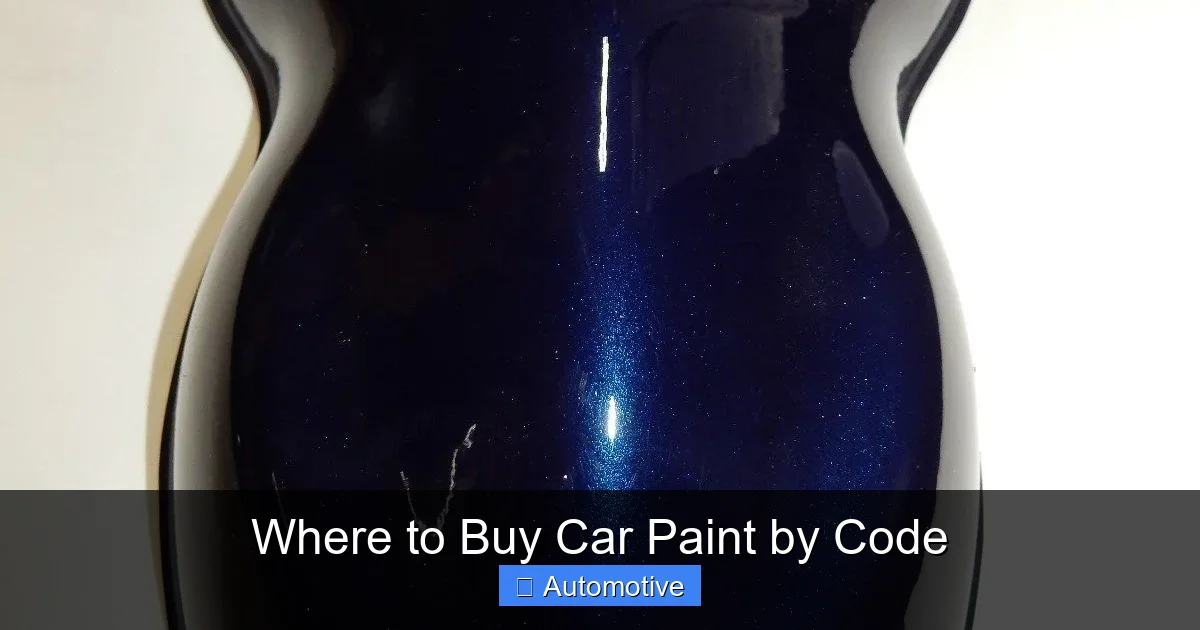
Visual guide about Where to Buy Car Paint by Code
Image source: i.pinimg.com
Before you can buy car paint by code, you need to locate that all-important number. Fortunately, it’s usually easy to find—and it’s always on your vehicle, not in the owner’s manual (though some manuals do list it).
Common Locations for Paint Codes
The most common spot is the driver’s side door jamb. Open the door and look for a sticker or metal plate near the latch. This label often includes your VIN, tire pressure info, and—crucially—the paint code. It may be labeled as “Paint,” “Color,” “Exterior Color,” or simply listed as a code next to a color name.
On many vehicles, especially domestic brands like Ford, GM, and Chrysler, the code appears as a separate box or line item. For instance, a Ford F-150 might show “YZ” for Oxford White. On import brands like Toyota or Honda, the code is often grouped with other manufacturing details but clearly marked.
If you don’t see it on the door jamb, check these other spots:
– Glove compartment (inside the lid or on the side)
– Trunk lid or under the trunk carpet
– Under the hood near the radiator support
– Spare tire well
Some newer cars, particularly European models like BMW or Mercedes-Benz, may place the code on a label inside the fuel filler door or behind the rear passenger seat.
What If the Sticker Is Missing or Faded?
Don’t panic! Even if the original sticker is worn off or missing, you’re not out of luck. Start by checking your vehicle registration or insurance documents—some states include the paint code there. You can also contact your dealership with your VIN; they can look up the original factory color.
Alternatively, online databases like PaintScratch.com or CarPaintCode.com allow you to enter your VIN and retrieve the paint code instantly. These services are often free or low-cost and save you a trip to the dealer.
Pro tip: Once you find your code, write it down and keep it in your glove box or phone notes. You’ll thank yourself the next time you need touch-up paint!
Buying Car Paint by Code at Local Auto Parts Stores
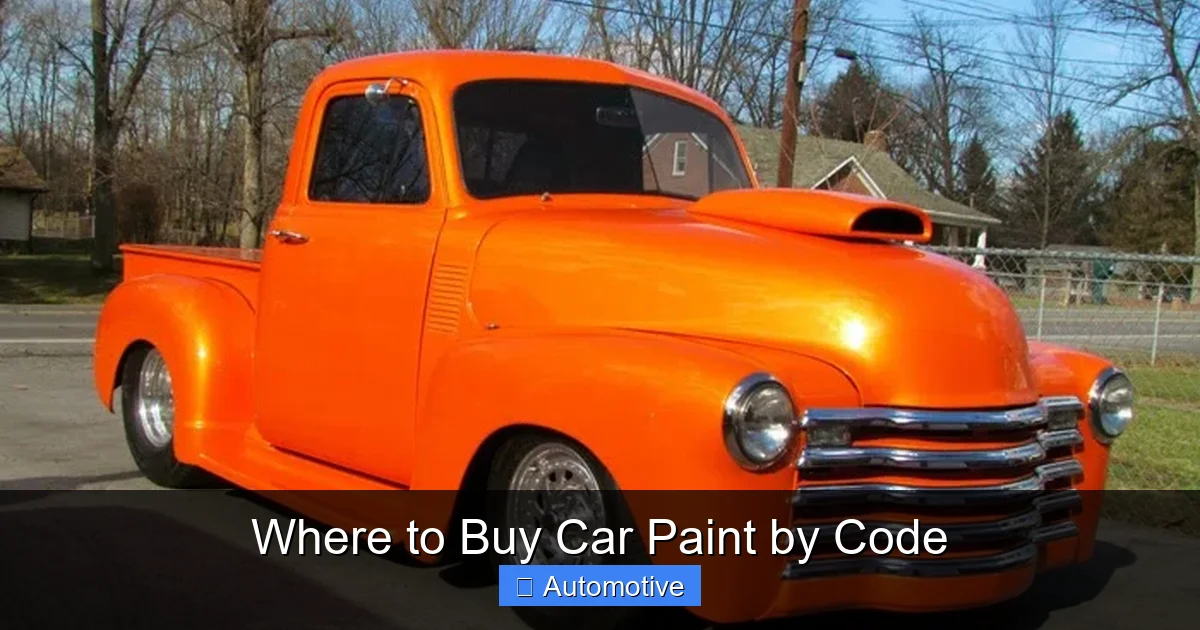
Visual guide about Where to Buy Car Paint by Code
Image source: lh4.googleusercontent.com
For quick, affordable solutions—especially for minor scratches or rock chips—local auto parts stores are a go-to option. Chains like AutoZone, Advance Auto Parts, O’Reilly Auto Parts, and NAPA carry extensive inventories of touch-up paint and spray cans matched to thousands of paint codes.
Touch-Up Pens and Bottles
These stores typically stock paint in two forms: brush-on bottles and pen-style applicators. Touch-up pens are ideal for tiny chips because they offer precise control and often include a built-in brush or fine tip. They’re inexpensive (usually $10–$20) and perfect for covering small blemishes without overspray.
Most locations let you look up your paint code on their in-store computer or mobile app. Simply enter your year, make, model, and code, and they’ll pull the matching product. Staff are generally knowledgeable and can help if you’re unsure.
Spray Cans for Larger Repairs
If you’re tackling a larger area—like a scratched bumper or door panel—you’ll want a spray can. These come in 3-ounce or 12-ounce sizes and include both base color and clearcoat (sometimes sold separately). Spray cans give you more coverage and a smoother finish than brushes, though they require proper ventilation and masking.
One advantage of buying locally is instant gratification. You walk in, get your paint, and start working the same day. Plus, if the color isn’t quite right (rare but possible), you can return it or ask for a recheck.
Limitations to Keep in Mind
While convenient, local stores may not carry every code—especially for rare or older vehicles. Also, their paint is usually aftermarket, meaning it’s formulated to match the OEM color but isn’t made by the original manufacturer. For most drivers, this isn’t an issue, but collectors or restorers might prefer OEM-grade paint for authenticity.
Still, for everyday use, auto parts stores offer excellent value and accessibility. Just be sure to test the paint on a hidden area first if you’re unsure about the match.
Ordering Custom-Matched Paint Online
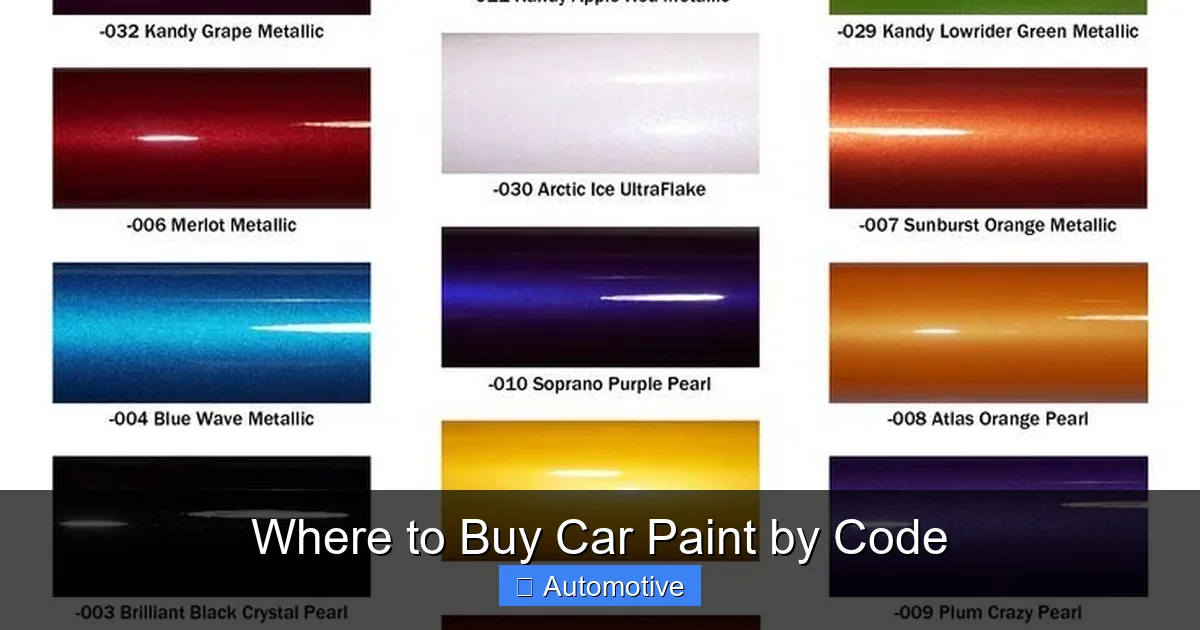
Visual guide about Where to Buy Car Paint by Code
Image source: i.pinimg.com
When you need larger quantities, higher quality, or paint for a vintage or exotic vehicle, online retailers are your best bet. These specialized shops mix paint to order using your exact code, ensuring maximum accuracy and consistency.
Top Online Retailers for Paint by Code
PaintScratch.com is one of the most trusted names in the industry. They offer everything from 1/3 oz touch-up bottles to gallon-sized kits for full-body repaints. Their website lets you search by VIN or paint code, and they provide detailed prep instructions and color swatches. Many customers report near-perfect matches, even on metallic or pearl finishes.
Dupli-Color (available via Amazon, their own site, and auto stores) is another popular choice. Known for their aerosol spray paints, Dupli-Color uses OEM formulas and offers a wide range of finishes. Their “Perfect Match” line is specifically designed for touch-ups and includes clearcoat options.
PPG Paints and Sherwin-Williams Automotive cater more to professionals but also sell directly to consumers. These brands are used by body shops worldwide and offer premium-quality paint with exceptional durability and color fidelity. While pricier, they’re ideal for serious restoration projects.
Custom Mixing and Shipping
When you order online, you’ll typically receive paint that’s freshly mixed to your specifications. This reduces the risk of color drift that can happen with pre-mixed stock. Most sites also include mixing instructions, reducer (for spray guns), and application tips.
Shipping times vary—some offer 2-day delivery, while others may take a week or more, especially for custom orders. Be sure to check reviews and return policies before purchasing. Reputable sites will stand behind their color match or offer replacements if needed.
Cost Comparison
Online paint can be more expensive than store-bought options, but you’re paying for precision and quality. A 12-oz spray can from an auto store might cost $15, while the same amount from PaintScratch could run $25–$35. However, the better match and included clearcoat often justify the extra cost—especially if you’re doing a visible repair.
Getting OEM Paint from Your Dealership
If you want the absolute closest match possible—and don’t mind paying a premium—your car’s dealership is the source for genuine OEM paint. This is the exact same paint used on the assembly line, so there’s no guesswork involved.
Pros of OEM Paint
The biggest advantage is authenticity. OEM paint is formulated by the manufacturer and tested for color consistency, UV resistance, and adhesion. It’s especially important for high-end vehicles, limited editions, or cars with complex finishes like tri-coat pearls or matte paints.
Dealerships can also provide technical support, including mixing ratios, spray techniques, and compatibility with existing clearcoats. Some even offer small touch-up kits branded with the automaker’s logo—great for maintaining resale value.
Cons and Considerations
The main downside? Price. OEM paint is significantly more expensive than aftermarket alternatives. A single touch-up bottle can cost $30–$50, and larger quantities run into hundreds of dollars. Additionally, not all dealerships keep paint in stock—you may need to special order it, which can take days or weeks.
Also, while OEM paint is accurate, it’s not always necessary. For daily drivers or non-show vehicles, aftermarket paint from trusted brands often looks just as good—and saves you money.
When to Choose OEM
Consider OEM paint if:
– You’re restoring a classic or collector car
– Your vehicle has a rare or custom factory color
– You’re preparing the car for sale and want maximum curb appeal
– You’ve had poor results with aftermarket matches in the past
Otherwise, reputable online or retail options usually suffice.
Understanding Paint Types and Finishes
Not all car paint is created equal—and knowing the difference can save you from a subpar finish. When you buy car paint by code, you’re not just getting a color; you’re getting a specific formulation designed for your car’s original finish.
Basecoat vs. Clearcoat Systems
Most modern cars use a two-stage system: a colored basecoat followed by a transparent clearcoat. The basecoat provides the color and metallic/pearl effect, while the clearcoat adds shine, depth, and protection against UV rays and scratches.
When ordering paint, make sure you get both components if needed. Some kits include them together; others sell them separately. Skipping the clearcoat will leave your repair looking dull and vulnerable to damage.
Metallic, Pearl, and Solid Finishes
– Solid colors (like basic black or white) are the simplest to match and apply. They don’t contain reflective flakes, so they’re more forgiving.
– Metallic paints include aluminum or mica flakes that create a shimmering effect. These require careful spraying to avoid blotchiness.
– Pearl finishes (common on luxury cars) use layered pigments that shift color depending on the angle of light. Matching these is tricky and often requires professional-grade paint and technique.
If your car has a metallic or pearl finish, consider investing in higher-quality paint and practicing on a test panel first.
Matte and Satin Finishes
Some newer vehicles come with matte or satin paint jobs. These require special paint and clearcoats that don’t reflect light like gloss finishes. Never use regular glossy paint on a matte car—it will look obviously wrong. Look for products specifically labeled for matte/satin applications.
Tips for a Professional-Looking Result
Even the best paint won’t look right without proper preparation and technique. Here’s how to ensure your repair blends seamlessly:
Surface Preparation Is Key
Clean the area thoroughly with wax and grease remover. Sand any rough edges with 400–600 grit sandpaper, then wipe with a tack cloth. For deeper scratches, use primer to fill low spots. Rushing this step is the #1 cause of failed touch-ups.
Use the Right Tools
For small chips, a fine-tip applicator or toothpick works better than a thick brush. For larger areas, use a high-quality spray gun or aerosol can held 6–8 inches from the surface. Always apply multiple light coats instead of one heavy layer—this prevents drips and ensures even coverage.
Blend and Polish
After the paint dries, wet-sand lightly with 2000+ grit paper to feather the edges. Then polish with a dual-action buffer and finishing compound. This removes orange peel texture and blends the repair into the surrounding paint.
Remember: patience pays off. Rushing leads to mistakes. Take your time, follow instructions, and you’ll be amazed at how professional your repair looks.
Final Thoughts: Making the Right Choice
Whether you’re fixing a door ding or repainting an entire panel, buying car paint by code is the smartest way to achieve a seamless match. With so many reliable options—from local auto stores to specialized online retailers and dealerships—there’s no reason to settle for a close-enough color.
Start by locating your paint code, then decide how much paint you need and what level of quality fits your project. For quick fixes, a touch-up pen from AutoZone might be perfect. For a show car restoration, OEM paint from the dealer or a custom mix from PaintScratch could be worth the investment.
No matter where you buy, always double-check the code, read reviews, and prepare your surface properly. With the right paint and a little effort, your car will look as good as new—maybe even better.
Frequently Asked Questions
How do I find my car’s paint code?
Look on the driver’s side door jamb sticker, inside the glove box, or under the trunk lid. The code is usually 3–4 characters and labeled as “Paint” or “Color.” You can also use your VIN on websites like PaintScratch.com to look it up.
Can I use any silver paint for my silver car?
No. Even within the same color name (like “Silver Metallic”), shades vary by year and model. Always use your specific paint code to ensure an exact match.
Is aftermarket paint as good as OEM?
For most drivers, yes—especially from reputable brands like Dupli-Color or PPG. OEM is best for rare colors or show cars, but aftermarket paint offers great results at a lower cost.
Do I need clearcoat for touch-up paint?
Yes, if your car originally had a clearcoat (which most modern cars do). The clearcoat protects the color and gives it shine. Many touch-up kits include it.
Can I return paint if the color doesn’t match?
It depends on the retailer. Most online stores like PaintScratch offer color-match guarantees and will replace mismatched paint. Local stores may accept returns if unopened.
How long does custom-mixed paint take to ship?
Typically 2–7 business days, depending on the supplier and your location. Some offer expedited shipping for an additional fee. Always check estimated delivery times before ordering.