Where Can I Sell My Junk Car?

Contents
- 1 Key Takeaways
- 2 📑 Table of Contents
- 3 What Exactly Qualifies as a “Junk Car”?
- 4 Your Top Selling Options: A Detailed Comparison
- 5 Maximizing Your Junk Car’s Value: Pro Tips
- 6 The Step-by-Step Selling Process: From Quote to Cash
- 7 Legal and Environmental Responsibilities You Can’t Ignore
- 8 Conclusion: Turning Your Problem into Profit
- 9 Frequently Asked Questions

Parking Sensor Kit
Car Inverter

Car Tissue Holder
Tire Shine Spray
Selling your junk car doesn’t have to be a headache. You have several reliable options, from professional junkyards and salvage companies to private buyers and even charitable donations. The key is understanding your car’s value as scrap or parts, getting multiple quotes, and having your paperwork in order to ensure a smooth, legal, and profitable transaction.
That old clunker sitting in your driveway or backyard has become more than just an eyesore. It’s a constant reminder of a broken-down dream, a space-eater, and maybe even a code violation. You’ve thought about it: “Where can I sell my junk car?” The good news is you have more options than you think, and turning that rust bucket into real cash is often easier than you’d expect. This guide will walk you through every step, from understanding what you have to walking away with a payment in hand.
Selling a junk car is a different ballgame than selling a reliable used car. You’re not dealing with dealership appraisals or private party test drives. The value is in the metal and the parts. Your goal is to find the buyer who pays the most for that specific combination of scrap weight and salvageable components. Let’s break down the process so you can make a smart, profitable decision.
Key Takeaways
- Know Your Car’s Status: A “junk car” typically means it’s non-running, severely damaged, or has a salvage title. Its value is based on scrap metal weight and usable parts, not Kelley Blue Book value.
- Prepare Essential Paperwork: The most critical document is the vehicle title. Having it signed over to the buyer simplifies everything. If you don’t have it, options still exist, but the process is more complex.
- Get Multiple Quotes: Contact at least 3-5 local junk car buyers, salvage yards, or scrap metal services. Quotes can vary significantly based on current metal prices and part demand.
- Understand the Selling Options: You can sell to junkyards, scrap metal recyclers, private part-out buyers, or even donate it. Each has different processes, speed, and payout potential.
- Prioritize Safety & Legality: Always complete a bill of sale, notify your DMV of the sale, and cancel insurance. Ensure the buyer is licensed to avoid liability for the vehicle after the sale.
- Remove Personal Belongings: Thoroughly check the car, including glove box, trunk, and under seats, for any personal items, license plates, and toll tags before handing over the keys.
- Consider Environmental Impact: Selling to a licensed junkyard or recycler ensures hazardous fluids (oil, coolant, battery acid) are disposed of properly, which is better for the environment than abandoning the vehicle.
📑 Table of Contents
What Exactly Qualifies as a “Junk Car”?
Before you start calling buyers, it helps to define what you’re dealing with. The term “junk car” is broad, but it generally falls into a few clear categories. Understanding which one fits your situation will help you communicate effectively with potential buyers and set accurate value expectations.
Non-Running or Severely Damaged Vehicles
This is the most common scenario. The car has a catastrophic failure—a blown engine, a totaled frame from an accident, or severe flood damage. The cost of repairs far exceeds the car’s functional value. For these, the primary value is in the scrap metal (steel, aluminum, copper) and any parts that are still in good condition (catalytic converter, transmission, wheels, electronics).
Cars with Salvage or Rebuilt Titles
A salvage title means an insurance company declared the car a total loss. It can’t be legally driven until it’s repaired, inspected, and issued a rebuilt title. If your car already has a rebuilt title, it’s been repaired and deemed road-worthy again, but its value is permanently reduced. These cars have a established value in the salvage market based on the extent of the original damage and the quality of repairs.
Extremely Old or High-Mileage Vehicles
Sometimes a car isn’t broken, but it’s simply at the end of its useful life. It might have 300,000 miles, rust through the floorboards, or be so outdated that finding parts is a nightmare. Even if it runs, its value as a functional daily driver is negligible, making it a candidate for the scrap yard.
If you’re unsure about your car’s title status, especially if it’s lost or damaged, researching where to sell a junk car without a title is your critical first step. The rules vary significantly by state.
Your Top Selling Options: A Detailed Comparison
Now for the core of your question: where can you actually sell this thing? There are four primary avenues, each with its own pros and cons regarding convenience, price, and speed.
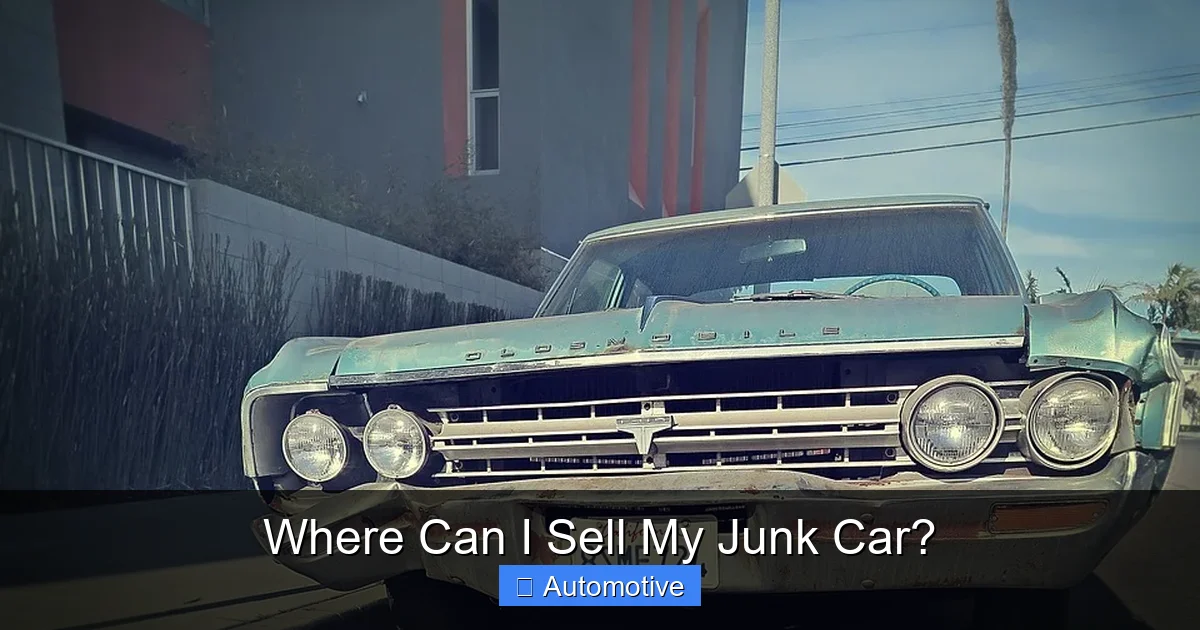
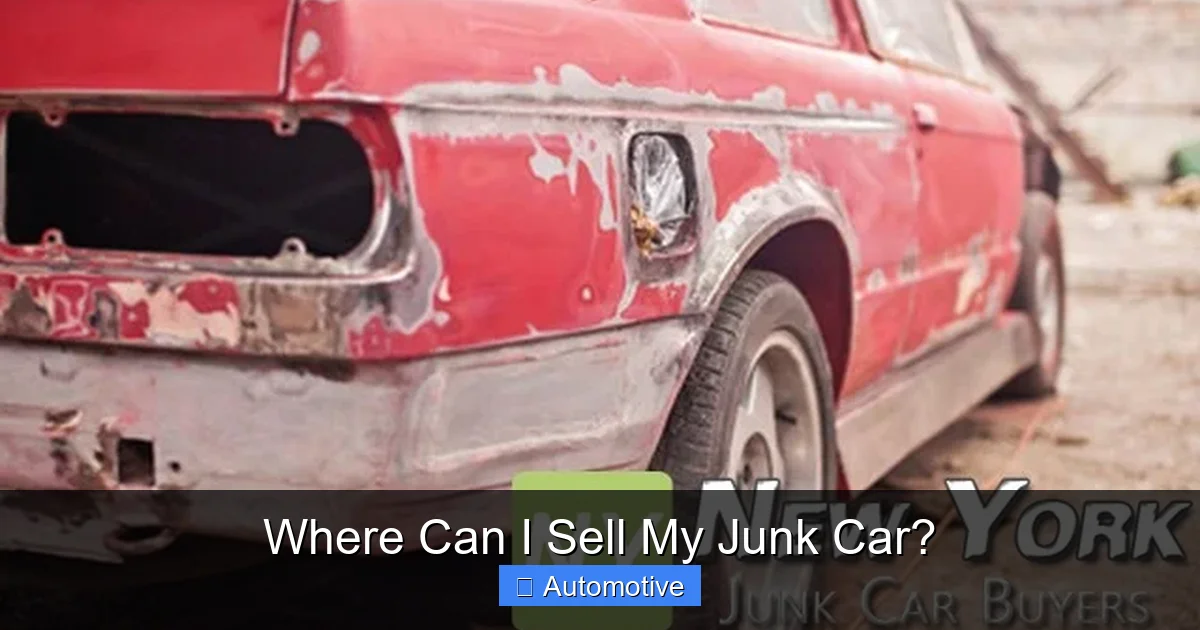
Visual guide about Where Can I Sell My Junk Car?
Image source: webuyjunkcarsfast.s3-us-west-2.amazonaws.com
1. Professional Junk Car Buyers & Salvage Yards
This is the most straightforward and common path. These businesses specialize in buying non-running and damaged vehicles. They have the equipment to tow heavy cars, the facilities to drain fluids safely, and the networks to sell parts or crush the shell for scrap metal.
- Process: You provide details (make, model, year, condition, location). They give a quote (often over the phone or online). If you accept, they schedule a free tow, handle all paperwork, and pay you on the spot (usually in cash or check).
- Best For: Anyone who wants a quick, hassle-free sale with no need to interact with the car. Ideal for cars that don’t run or are in terrible condition.
- Tip: Always get at least three quotes. Prices can vary based on the yard’s current inventory needs and fluctuating scrap metal prices. A yard needing a specific model for parts might pay more than one just looking for general scrap.
2. Scrap Metal Recyclers
If your car is truly just a shell—no valuable parts, no engine, just a hunk of metal—a scrap metal recycler might be your best bet. They buy vehicles by the ton. Their primary interest is the steel, aluminum (wheels, engine block), and copper (wiring).
- Process: Very similar to a junkyard. They’ll weigh the vehicle (or its crushed remains) and pay based on the current per-pound rate for scrap metal. You may need to deliver the car yourself if it’s not towable, or they may offer towing for a fee deducted from the payout.
- Best For: Totally stripped, rusted-out, or severely fire-damaged cars with no salvageable parts. The payout is purely weight-based and can be lower than a junkyard’s offer if parts value is factored in.
3. Private Party Sales (Part-Out or “As-Is”)
This option requires the most work but can yield the highest return. You sell the car directly to an individual who either wants to repair it or part it out themselves.
- Process: You list the car on platforms like Facebook Marketplace, Craigslist, or eBay Motors. Be brutally honest in the ad: “Non-running project car,” “Salvage title,” “For parts only.” You’ll handle all inquiries, meet potential buyers (often at the car’s location), and manage payment and title transfer.
- Best For: Cars that are complete and maybe even running, but need significant work. Enthusiasts or mechanics looking for a project might pay a premium. Also good for cars with desirable, high-value parts (e.g., a performance engine, rare alloy wheels).
- Major Drawback: It’s time-consuming, can be unsafe meeting strangers, and you’re responsible for towing if the car doesn’t run. You also need to be knowledgeable enough to spot a scam.
4. Charitable Donation
If getting the absolute maximum cash isn’t your top priority, and you’d prefer a simple process with a potential tax benefit, donating your car to charity is a viable option.
- Process: Charities like Goodwill or Habitat for Humanity ReStore have car donation programs. They often arrange free towing. You get a receipt for your donation, which you can use for a tax deduction (the amount depends on the car’s sale price at their auction).
- Best For: People who want a no-hassle, feel-good option. The financial return is indirect and depends on your tax bracket, but it’s usually more convenient than a private sale.
- Important: Ensure the charity is a qualified 501(c)(3) organization. Get all donation paperwork meticulously, as the IRS scrutinizes vehicle donations.
When evaluating these options, your local context matters. Searching for junk car buyers near me will reveal local businesses, which is crucial for getting competitive quotes and arranging towing.
Maximizing Your Junk Car’s Value: Pro Tips
Don’t just take the first offer. With a little effort, you can significantly increase your final payout. Think of your junk car not as trash, but as a collection of valuable components.

Visual guide about Where Can I Sell My Junk Car?
Image source: junkcarforcashtoday.com
Part Out High-Value Components Yourself
Before you call a junkyard, consider removing and selling a few key items separately. This is the single most effective way to boost your earnings. The most valuable parts include:
- Catalytic Converter: Contains precious metals (platinum, palladium, rhodium). Even a used one can sell for $50-$500+ to metal buyers or auto parts stores.
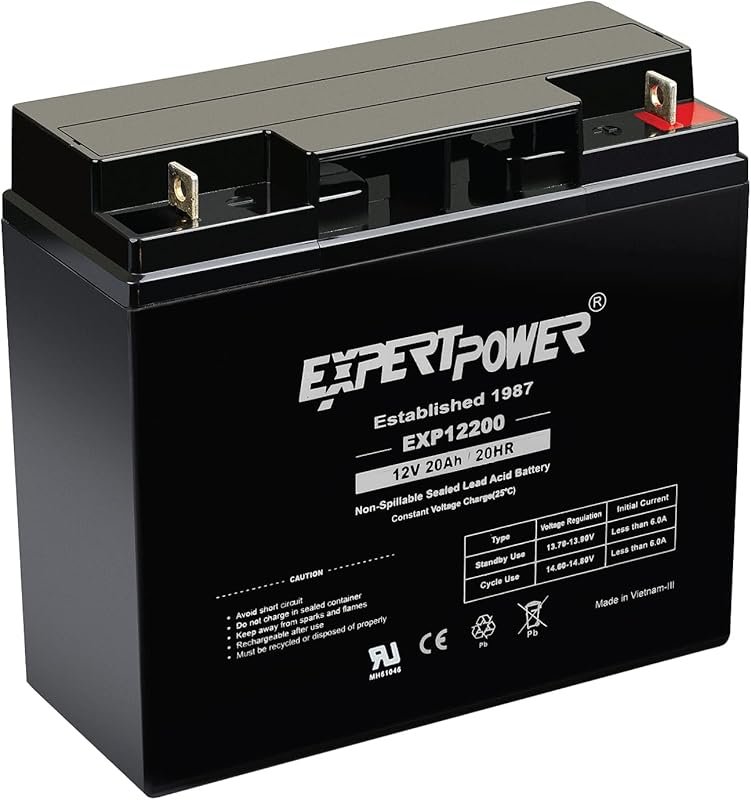
- Battery: Lead-acid batteries have a core value. You can often sell them back to auto parts stores or scrap yards for $5-$15.
- Alloy Wheels/Tires: If your rims are in good condition, they are worth money to private buyers or even some junkyards. Good tires with tread left can also be sold separately.
- Electronic Modules: The engine control unit (ECU), infotainment system, and other computers can be valuable to repair shops or enthusiasts.
- Body Panels: If your car is a common model, doors, fenders, and hoods in good condition without rust are in demand.
Example: You might get a $300 offer from a junkyard for a whole 2005 Honda Accord with a blown engine. By removing and selling the catalytic converter ($150), good set of wheels ($100), and battery ($10), and then selling the shell for $200, you could walk away with $460—a 50% increase.
Clean the Car and Gather Documentation
It sounds simple, but a clean car makes a better impression. Remove all trash, personal items, and vacuum the interior. A tidy vehicle suggests you’ve cared for it, which can subtly influence a buyer’s perception. More importantly, gather your paperwork. The title is king. If you have it, you have leverage. If you don’t, check your state’s DMV website for the specific process for selling a vehicle without a title—it often involves a bill of sale and a specific form. Having this research done upfront shows you’re serious and prepared.
Time Your Sale with Metal Prices
Scrap metal prices fluctuate with global commodity markets. While you can’t time the market perfectly, being aware of trends helps. If steel prices are in a slump, you might wait a few months if you’re not in a rush. You can check current scrap metal prices online through industry resources. When prices are up, junkyards are often more aggressive with their offers to secure inventory.
The Step-by-Step Selling Process: From Quote to Cash
With your strategy set, here is the exact sequence of actions to take to ensure a smooth, legal transaction.

Visual guide about Where Can I Sell My Junk Car?
Image source: byecar.com
Step 1: Assess & Document
Take clear photos of the entire vehicle, inside and out, and note all damage. Make a list of parts you know are working or in good shape (e.g., “transmission was working before engine failed,” “all glass intact”). This information is gold for getting accurate quotes over the phone.
Step 2: Research & Get Quotes
Search for local junk car buyers, salvage yards, and scrap recyclers. Call at least five. Give each the same detailed information: year, make, model, mileage (if known), precise location (zip code), and a honest description of its condition. Ask for their final, “all-in” price that includes towing and paperwork. Write every quote down.
Step 3: Compare and Choose
Don’t automatically choose the highest quote. Consider reputation. Check Google reviews and the Better Business Bureau. A slightly lower offer from a highly-rated, licensed business is safer than a suspiciously high offer from an unknown number. Confirm the towing window (e.g., “within 24-48 hours”) and the payment method (cash, check, Venmo).
Step 4: Prepare the Vehicle
Once you’ve accepted an offer, prepare the car. Remove all personal belongings, license plates, and any parking passes or toll tags. Have the title ready, along with a valid photo ID. If there’s a lien on the car, you must pay it off first—the title must be clear for a smooth sale.
Step 5: The Tow and Handoff
The buyer will send a tow truck. When the driver arrives, verify their identity and the company they represent. Before they hook up the car, ensure you have the signed title ready. You will sign the title over to the buyer (often the towing company acts as an agent for the junkyard). Get a copy of the signed title and a receipt/bill of sale from them. This is your proof of sale.
Step 6: Finalize Legally
This is non-negotiable. Immediately call your insurance company to cancel coverage on the vehicle. Then, visit your state’s DMV website (or go in person) to file a “Notice of Sale” or “Transfer of Ownership” form. This legally releases you from liability for the vehicle (e.g., if it’s abandoned or gets a ticket after the sale). Keep all your paperwork (signed title, bill of sale, DMV receipt) in a safe place for your records.
Legal and Environmental Responsibilities You Can’t Ignore
Selling a junk car isn’t just a transaction; it’s a transfer of legal responsibility. Failing to complete the steps above can haunt you.
The Perils of Incomplete Paperwork
If you simply hand over the keys and a signed title but don’t file the release of liability with the DMV, that car is still legally yours in the eyes of the state. If the new owner abandons it, gets into an accident without re-registering it, or fails to pay tolls, you could be held financially and legally responsible. That signed bill of sale and your DMV filing are your insurance against future problems.
Proper Disposal of Hazardous Materials
A licensed junkyard or recycler is legally required to dispose of hazardous materials properly. This includes draining and recycling engine oil, transmission fluid, coolant, brake fluid, and the battery’s acid. They also handle the safe removal of airbags. When you sell to a reputable business, you are outsourcing this complex and potentially dangerous environmental cleanup to professionals. This is a major advantage over a private sale, where the buyer might not handle these materials correctly.
Understanding Salvage Title Laws
If your car has a salvage title, you must disclose this to any buyer. Selling a salvage-titled vehicle as having a clean title is fraud. The buyer’s ability to easily re-title and register the car depends on your state’s specific rebuilt title laws. Licensed junkyards are experts in this paperwork. If you sell privately, the buyer is responsible for navigating the rebuilt inspection process, which can be a major headache and affect their offer price.
Conclusion: Turning Your Problem into Profit
So, where can you sell your junk car? The answer is: nearly anywhere, as long as you go in prepared. The path of least resistance is a reputable, local junk car buyer or salvage yard. They offer convenience, speed, and handle all the heavy lifting—both literally and figuratively. If you have the time, tools, and knowledge, part-out the high-value items yourself first to maximize your return, then sell the shell for scrap.
The core principles remain the same regardless of your chosen route: get multiple quotes, be honest about the car’s condition, insist on a clear and complete paper trail, and always, always file your release of liability with the DMV. By following this guide, you’ll transform that space-consuming, non-running relic into a welcome cash payment, all while ensuring the vehicle is disposed of in an environmentally responsible way. Your first call for a free quote is the first step toward reclaiming your space and your peace of mind.
Frequently Asked Questions
How much cash can I realistically get for my junk car?
Realistic offers range from $50 for a severely stripped shell to $500-$2,000+ for a complete, mid-size sedan or SUV with valuable parts like a good catalytic converter. Your final price depends on scrap metal weight, year/make/model, and the demand for its specific parts in your local market.
Do I need a title to sell my junk car?
Having a title makes the process much simpler and typically gets you a higher offer. However, you can still sell without one. The process involves a bill of sale and specific state forms to transfer ownership. Rules vary by state, so check your local DMV. Buyers who specialize in junk cars are usually familiar with these procedures.
What happens to my junk car after I sell it?
A licensed buyer will typically tow it to their facility. There, they will drain all hazardous fluids (oil, coolant, etc.) for proper recycling or disposal. They will then “part out” the car, selling any usable components like engines, transmissions, and body panels. Finally, the remaining metal shell is crushed and sold as scrap metal to a recycling facility.
Should I remove parts from my junk car before selling it?
Yes, if you have the time and ability. Removing high-value items like the catalytic converter, battery, good tires/wheels, and any electronics can significantly increase your total payout. Just be sure to safely and legally dispose of any fluids from the parts you remove. If you’re not mechanically inclined, it’s often easier to take the all-inclusive offer from a junkyard.
How long does the entire process take?
From your first phone call to having the car towed and getting paid, the process can take as little as 24-48 hours. Most reputable buyers offer same-day or next-day towing. The slowest part is usually you gathering paperwork and deciding which offer to accept, not the buyer’s turnaround time.
Is selling to a junkyard safer than a private party?
Generally, yes. Selling to a licensed, established business is safer and more predictable. You deal with a professional, they provide official paperwork, and they handle the towing. A private sale requires you to vet strangers, arrange for towing (which can be costly if the car doesn’t run), and handle all the title transfer logistics yourself, increasing the risk of scams or future liability.