
Where Can I Sell a Car

Looking for the best place to sell your car? You have more options than ever—from online platforms to local dealers. This guide breaks down every route so you can choose the fastest, safest, and most profitable way to sell your vehicle.
[FEATURED_IMAGE_PLACEOLDER]
Key Takeaways
- Selling online gives you the highest return: Platforms like Facebook Marketplace, Craigslist, and Cars.com let you reach thousands of buyers and keep more profit.
- Trade-ins are convenient but pay less: Dealerships offer quick sales, but you’ll usually get 10–20% below market value for the sake of speed and ease.
- Car-buying services provide instant cash: Companies like CarMax, Carvana, and Vroom give fast offers online, ideal if you need to sell in a hurry.
- Private sales take more effort but pay more: You handle the paperwork and meet buyers, but you avoid dealer fees and keep nearly all the sale price.
- Timing matters: Selling in spring or early summer often brings higher demand and better prices for most vehicles.
- Prepare your car to sell faster: Clean it, fix minor issues, and gather maintenance records to boost buyer confidence and value.
- Always verify payment and transfer ownership legally: Use secure payment methods and complete title transfers to avoid scams or liability.
📑 Table of Contents
- Where Can I Sell a Car? A Complete Guide to Your Best Options
- Sell Your Car Online: The Smart Way to Maximize Value
- Trade It In at a Dealership: Fast and Easy, But Lower Payout
- Sell to a Car-Buying Service: Instant Cash with Minimal Effort
- Sell Privately: The Most Profitable (But Most Work-Intensive) Option
- Other Ways to Sell Your Car
- How to Choose the Best Option for You
- Final Tips for a Smooth Car Sale
- Conclusion
Where Can I Sell a Car? A Complete Guide to Your Best Options
So, you’ve decided it’s time to sell your car. Maybe you’re upgrading to something newer, downsizing, or just ready for a change. Whatever the reason, one question stands out: *Where can I sell a car?*
The good news? You’re not limited to just one option. In fact, today’s market offers more ways to sell a vehicle than ever before—each with its own pros, cons, and ideal use cases. Whether you want top dollar, a quick sale, or minimal hassle, there’s a method that fits your needs. But with so many choices—online marketplaces, dealerships, car-buying apps, and private sales—it’s easy to feel overwhelmed. That’s why we’ve put together this comprehensive guide. We’ll walk you through every major avenue to sell your car, help you compare them, and give you practical tips to get the best deal.
Selling a car isn’t just about finding a buyer—it’s about choosing the right path for your situation. Are you in a rush? Do you want maximum profit? Are you comfortable meeting strangers or handling paperwork? These questions matter. By the end of this article, you’ll know exactly where to sell your car based on your priorities, timeline, and comfort level. Let’s dive in.
Sell Your Car Online: The Smart Way to Maximize Value

Visual guide about Where Can I Sell a Car
Image source: media.icarsu.com
If you’re looking to get the most money for your car, selling online is usually your best bet. Online platforms give you access to a huge pool of buyers, allowing you to set your own price and negotiate directly. Plus, you avoid the lowball offers that often come from dealerships.
Popular Online Marketplaces
One of the most effective ways to sell your car online is through classified websites and dedicated automotive platforms. These sites are designed to connect private sellers with serious buyers.
Facebook Marketplace is a top choice for many sellers. It’s free to list, easy to use, and integrated with your existing Facebook account. You can post photos, write a detailed description, and respond to messages directly. Because it’s tied to real profiles, buyers often feel more confident—and scammers are easier to spot. Plus, local buyers can message you instantly, making it simple to arrange viewings.
Craigslist has been around for decades and remains a go-to for private car sales. It’s especially strong in urban areas where buyers are actively searching for deals. The downside? You’ll need to be cautious of scams and meet buyers in safe, public places. But if you’re careful, Craigslist can deliver serious offers quickly.
Cars.com and Autotrader are more professional platforms aimed at car buyers. These sites attract motivated shoppers who are ready to buy. While they charge a listing fee (usually $30–$100), the exposure is worth it if you’re selling a higher-value vehicle. These platforms also offer tools to help you price your car accurately and generate leads.
Tips for a Successful Online Sale
To stand out in a crowded online marketplace, your listing needs to shine. Start with high-quality photos—take pictures in good lighting, from multiple angles, and include shots of the interior, engine, and any flaws. A clean car looks more valuable, so give it a thorough wash and vacuum before shooting.
Write a clear, honest description. Mention the make, model, year, mileage, condition, and any recent repairs or upgrades. Be upfront about issues—buyers appreciate transparency, and it builds trust. Use keywords like “well-maintained,” “clean title,” or “low mileage” to help your listing show up in searches.
Price your car competitively. Use tools like Kelley Blue Book (KBB) or Edmunds to check the fair market value. Price it slightly above what you’re willing to accept to leave room for negotiation. And don’t forget to mention if you’re open to offers—this encourages buyers to reach out.
Finally, be responsive. Answer messages quickly, schedule viewings promptly, and be ready to provide additional info. The faster you respond, the more likely you are to close the sale.
Trade It In at a Dealership: Fast and Easy, But Lower Payout
Visual guide about Where Can I Sell a Car
Image source: media.icarsu.com
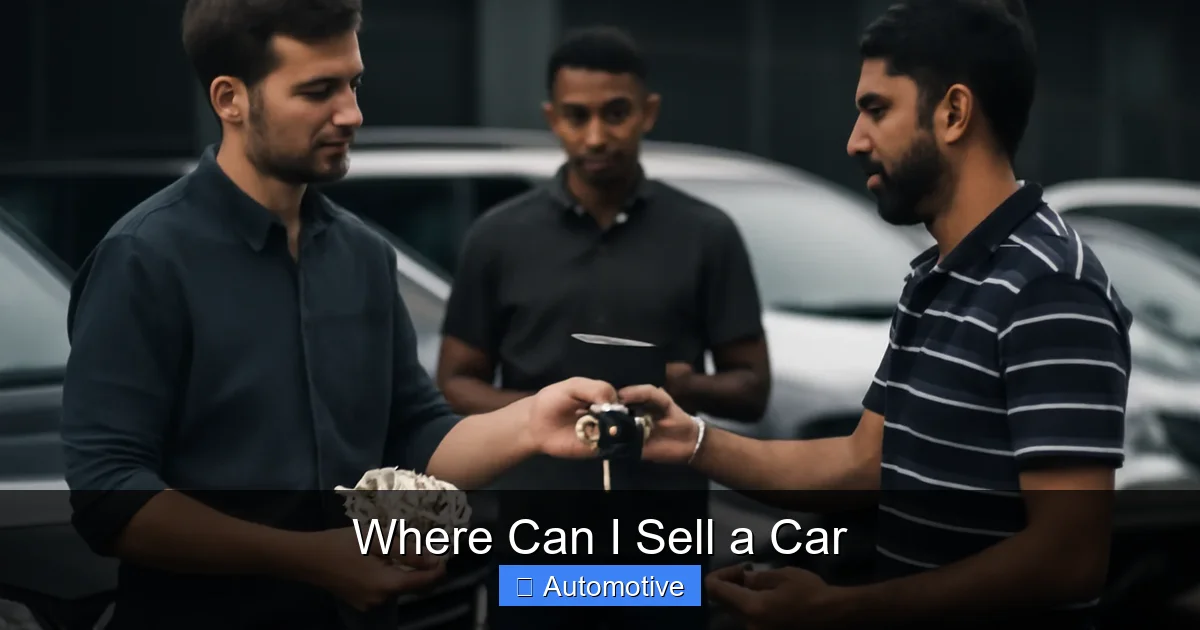
If convenience is your top priority, trading in your car at a dealership might be the way to go. It’s one of the simplest ways to sell a car—especially if you’re buying a new vehicle at the same time.
How Trade-Ins Work
When you trade in your car, the dealership appraises it and applies its value toward the purchase of a new or used vehicle. This reduces the amount you need to finance or pay out of pocket. The process is quick: you drive in, get an offer, and walk out with a new car—all in one visit.
Many people choose trade-ins because they eliminate the hassle of advertising, meeting buyers, and handling paperwork. It’s also safer than meeting strangers for a private sale. And if you’re buying from the same dealer, they may offer incentives like waived fees or bonus trade-in value.
The Trade-Off: Lower Value
Here’s the catch: dealerships are businesses. They need to make a profit, so they’ll typically offer you less than what you’d get in a private sale. On average, trade-in values are 10–20% below private party prices. Why? Because the dealer plans to resell your car at a markup.
For example, if your car is worth $15,000 on the private market, a dealer might offer $12,500 as a trade-in. That’s a $2,500 difference—money you’re leaving on the table.
That said, the convenience can be worth it. If you’re short on time, stressed about selling, or buying a new car anyway, the trade-in option can save you weeks of effort.
How to Get the Best Trade-In Offer
To maximize your trade-in value, do your homework. Research your car’s value using KBB or Edmunds, and get offers from multiple dealerships. Don’t accept the first offer—negotiate just like you would with a new car purchase.
Clean your car inside and out. A well-maintained vehicle looks more valuable. Fix minor issues like burnt-out bulbs or cracked windshields—these small repairs can boost your offer.
And remember: trade-in value is negotiable. If the dealer lowballs you, walk away. There are plenty of other dealerships—and other ways to sell your car.
Sell to a Car-Buying Service: Instant Cash with Minimal Effort

Visual guide about Where Can I Sell a Car
Image source: media.icarsu.com
In recent years, car-buying services have exploded in popularity. Companies like CarMax, Carvana, Vroom, and Shift offer a hybrid approach: the speed of a dealership with the transparency of an online sale.
How It Works
These services let you get an instant offer online. You enter your car’s details—make, model, year, mileage, condition—and upload photos. Within minutes, you receive a no-obligation offer. If you accept, they’ll schedule a pickup or drop-off, handle the paperwork, and pay you—usually via check or direct deposit.
The process is designed to be fast and stress-free. No need to meet buyers, negotiate, or wait for payment. It’s ideal if you need to sell quickly—maybe you’re moving, facing financial pressure, or just don’t want to deal with the hassle.
Pros and Cons
The biggest advantage? Speed and convenience. You can sell your car in as little as 24 hours. These companies also handle title transfers and registration, so you don’t have to worry about legal details.
But like trade-ins, you’ll likely get less than a private sale. Car-buying services need to resell your car for a profit, so their offers are typically 5–15% below market value. However, they’re often higher than dealership trade-ins, making them a solid middle ground.
Another perk? No haggling. The offer is firm, so you know exactly what you’ll get. And if you change your mind, you’re not locked in.
Which Service Should You Choose?
CarMax is one of the most trusted names. They have physical locations, so you can visit in person for an appraisal. Their offers are valid for seven days, giving you time to think.
Carvana and Vroom operate entirely online. You get an offer, schedule a pickup, and they tow your car away. Both are known for fast payments and smooth processes.
Shift offers a more personalized experience, with certified technicians inspecting your car and a concierge service to guide you through the sale.
Compare offers from at least two services to get the best deal. And always read the fine print—some companies charge fees or have conditions.
Sell Privately: The Most Profitable (But Most Work-Intensive) Option
If you’re willing to put in the effort, selling your car privately can yield the highest return. You cut out the middleman, set your own price, and keep nearly all the profit.
Steps to a Successful Private Sale
Start by preparing your car. Clean it thoroughly, fix minor issues, and gather maintenance records. A well-documented service history builds buyer confidence and can increase your car’s value.
Next, price it right. Use KBB, Edmunds, or NADA Guides to determine fair market value. Price it slightly above your target to allow for negotiation.
Then, create a compelling listing. Use multiple platforms—Facebook Marketplace, Craigslist, and local classifieds—to maximize visibility. Include high-quality photos and a detailed description.
When buyers contact you, respond quickly and professionally. Schedule viewings in safe, public places like parking lots or police stations. Never meet alone or at your home.
Handling the Transaction
Once you find a buyer, agree on a price and payment method. Never accept personal checks or wire transfers—these are common scam tactics. Use cash, a cashier’s check, or a secure payment app like Zelle (but verify the funds before handing over the keys).
Complete the title transfer according to your state’s requirements. Most states require you to sign the title over to the buyer and submit a release of liability form to the DMV. This protects you from future tickets or accidents involving the car.
Provide a bill of sale—a simple document that includes the buyer’s and seller’s names, the car’s details, sale price, and date. Keep a copy for your records.
Safety Tips for Private Sales
Safety is crucial. Always meet in daylight, in a public place, and bring a friend if possible. Trust your instincts—if something feels off, walk away.
Ask for ID and verify the buyer’s identity. Some sellers even ask for a deposit to hold the car while the buyer arranges payment.
And never hand over the keys until payment is confirmed and the title is signed.
Other Ways to Sell Your Car
Beyond the main methods, there are a few niche options worth considering.
Auction Your Car
Car auctions can be a fast way to sell, especially for older or high-mileage vehicles. You can use online auction sites like eBay Motors or attend live auctions in your area.
eBay Motors lets you list your car nationally, reaching buyers across the country. You set a reserve price (the minimum you’ll accept), and bidding drives up the final sale price. It’s competitive, but it can result in a great deal—if you’re lucky.
Live auctions are often used by dealers and wholesalers. They’re less common for private sellers, but some public auctions allow individuals to participate. Just be aware that auction fees and commissions can eat into your profit.
Sell to a Junkyard or Scrap Yard
If your car is no longer running or is severely damaged, selling it for parts or scrap might be your only option. Junkyards pay based on weight and metal value, so don’t expect a windfall.
However, many junkyards offer free towing, which saves you the cost of hauling the car away. Call around to compare offers, and make sure the company is licensed and reputable.
Some companies, like CarBrain or Peddle, specialize in buying non-running cars online. You get an instant offer and free pickup—perfect for end-of-life vehicles.
Donate Your Car
If you don’t need the cash, donating your car to a charity can be a rewarding option. Many nonprofits accept vehicle donations and offer tax deductions.
Organizations like Goodwill, Salvation Army, and Kars4Kids have car donation programs. They’ll often pick up the vehicle for free and provide a receipt for your taxes.
Just make sure the charity is legitimate and tax-exempt. Check their rating on sites like Charity Navigator to avoid scams.
How to Choose the Best Option for You
With so many ways to sell a car, how do you decide? It comes down to three factors: time, money, and effort.
If you want maximum profit and don’t mind the work, go private or sell online. You’ll get the highest price, but it may take weeks to find a buyer.
If you need to sell quickly, use a car-buying service or trade it in. You’ll get cash fast, but for less money.
If you’re buying a new car, a trade-in might make sense—especially if the dealer offers incentives.
And if your car is old or damaged, consider a junkyard or donation.
Ask yourself:
– How much time do I have?
– How much money do I need?
– Am I comfortable meeting strangers or handling paperwork?
Your answers will guide you to the right choice.
Final Tips for a Smooth Car Sale
No matter which method you choose, these tips will help you sell your car faster and safer:
Clean your car inside and out. A spotless vehicle looks more valuable and well-cared-for.
Fix minor issues. Replace burnt-out bulbs, fix scratches, or repair small dents. These small investments can boost your sale price.
Gather your paperwork. Have the title, registration, maintenance records, and any warranties ready. Buyers appreciate transparency.
Be honest about the condition. Don’t hide problems—disclose them upfront. It builds trust and avoids disputes later.
Use secure payment methods. Avoid cash for very large amounts. Use a cashier’s check or bank transfer, and verify the funds before releasing the car.
Complete the title transfer properly. Follow your state’s rules to avoid liability. Submit a release of liability form to the DMV.
Remove personal items. Check the glove box, trunk, and under seats. You don’t want to leave behind important documents or valuables.
Selling a car doesn’t have to be stressful. With the right approach, you can get a fair price, avoid scams, and move on with confidence.
Conclusion
So, where can you sell a car? The answer depends on your goals. If you want top dollar, sell online or privately. If you need speed, use a car-buying service or trade it in. And if your car is beyond repair, consider a junkyard or donation.
Each method has its place. The key is to weigh your options, do your research, and choose the path that fits your needs. With the tips and insights in this guide, you’re ready to sell your car the smart way—whether you’re upgrading, downsizing, or just ready for a change.
Remember: the best sale isn’t just about the price. It’s about peace of mind, safety, and a smooth process from start to finish. So take your time, stay informed, and drive away with confidence.
Frequently Asked Questions
Where can I sell a car quickly?
You can sell your car quickly using car-buying services like CarMax, Carvana, or Vroom. These companies offer instant online quotes and can pick up your vehicle within 24–48 hours. Trade-ins at dealerships are also fast, especially if you’re buying a new car.
Is it better to sell my car privately or trade it in?
Selling privately usually gets you more money—often 10–20% more than a trade-in. But it takes more time and effort. Trade-ins are convenient and fast, but you’ll get less cash. Choose based on your priority: profit or convenience.
How do I avoid scams when selling my car online?
Meet buyers in public places, never accept personal checks or wire transfers, and verify payment before handing over the keys. Use platforms with user profiles (like Facebook Marketplace) and trust your instincts—if something feels off, walk away.
What paperwork do I need to sell my car?
You’ll need the car’s title, registration, bill of sale, and a release of liability form (check your state’s DMV website). Maintenance records and warranty info can also help attract buyers and increase value.
Can I sell my car if I still owe money on it?
Yes, but you’ll need to pay off the loan first or arrange for the buyer to assume it. Most lenders require the loan to be paid in full before the title can be transferred. Contact your lender to understand the process.
How much should I sell my car for?
Use pricing tools like Kelley Blue Book, Edmunds, or NADA Guides to find the fair market value. Consider your car’s condition, mileage, and local demand. Price it slightly above your target to allow room for negotiation.