When Jumping a Dead Battery Which Car Do You Start First

Jumping a dead battery safely starts with connecting the cables in the right order and knowing which car to start first. You should always start the working vehicle, let it charge the dead battery, then attempt to start the dead car—never reverse the order.
In This Article
- 1 Key Takeaways
- 2 📑 Table of Contents
- 3 Understanding the Basics of Jump-Starting a Car
- 4 The Correct Order: Which Car Do You Start First?
- 5 Step-by-Step Guide to Safe Jump-Starting
- 6 Safety Tips and Common Mistakes to Avoid
- 7 What to Do After a Successful Jump-Start
- 8 Conclusion
- 9 Frequently Asked Questions
- 9.1 Can I jump-start a car in the rain?
- 9.2 How long should I let the donor car run before starting the dead one?
- 9.3 What if my car still won’t start after jump-starting?
- 9.4 Can I use a portable jump starter instead of another car?
- 9.5 Is it safe to jump-start a modern car with electronics?
- 9.6 How often should I replace my car battery?
Key Takeaways
- Start the donor car first: Always start the vehicle with the good battery before attempting to start the dead one. This ensures stable power delivery.
- Connect cables in the correct order: Attach red to dead battery positive, red to donor positive, black to donor negative, and black to an unpainted metal surface on the dead car.
- Let the dead battery charge briefly: Allow 3–5 minutes of idle time from the running donor car to transfer charge before trying to start the dead vehicle.
- Never connect black to dead battery negative: This reduces spark risk near the battery, which can emit flammable gases.
- Turn off all electronics: Lights, radio, and AC should be off in both cars to prevent power surges.
- Remove cables in reverse order: Disconnect black from grounded metal, black from donor, red from donor, then red from dead battery.
- Drive the revived car afterward: Run it for at least 20–30 minutes to recharge the battery fully.
📑 Table of Contents
Understanding the Basics of Jump-Starting a Car
We’ve all been there—you turn the key, and instead of that familiar engine roar, you’re met with a weak click or complete silence. Your car won’t start, and you suspect a dead battery. It’s frustrating, especially when you’re in a hurry. But don’t panic. Jump-starting a car is a common fix, and with the right steps, it’s something most drivers can handle safely.
Jump-starting involves using another vehicle’s battery to give your dead battery a boost. It’s like giving your car a temporary energy transfusion. But here’s the catch: doing it wrong can damage your car’s electronics, cause sparks, or even lead to battery explosion. That’s why knowing the correct procedure—especially when jumping a dead battery which car do you start first—is crucial.
The process isn’t just about connecting cables and hoping for the best. It requires a specific sequence: connecting the jumper cables in the right order, starting the correct vehicle first, and allowing time for charge transfer. Most people assume you should start the dead car immediately, but that’s a dangerous misconception. The truth is, you should always start the working vehicle first.
Why Order Matters in Jump-Starting
The sequence of actions during a jump-start isn’t arbitrary. It’s designed to protect both vehicles and the people involved. When you connect jumper cables, you’re creating a temporary electrical circuit between two batteries. If you start the dead car too soon, you risk overloading its electrical system or causing a power surge that could fry sensitive components like the alternator or ECU (Engine Control Unit).
Starting the donor car (the one with the good battery) first allows its alternator to stabilize the electrical output. This steady power flow is essential for safely charging the dead battery. Think of it like filling a cup from a water fountain: you want the water to flow smoothly, not splash everywhere. A running engine provides that smooth, controlled energy transfer.
Additionally, modern vehicles are packed with electronics that are sensitive to voltage spikes. A sudden jolt of power from a dead battery being forced to start can damage these systems. By letting the donor car run for a few minutes first, you give the dead battery time to accept a gradual charge, reducing the risk of damage.
The Correct Order: Which Car Do You Start First?
So, when jumping a dead battery which car do you start first? The answer is clear: always start the vehicle with the working battery—the donor car—first.

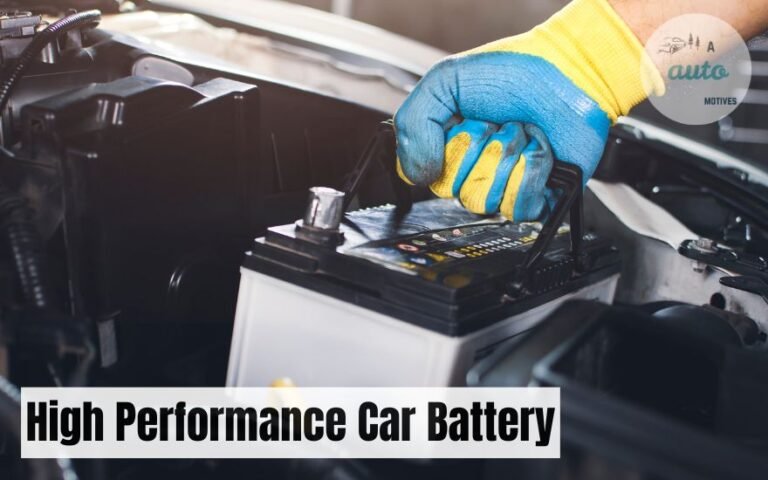
Visual guide about When Jumping a Dead Battery Which Car Do You Start First
Image source: c.pxhere.com
Here’s why this step is non-negotiable. When you connect the jumper cables correctly, the donor car’s battery begins sending power to the dead one. But if the donor car isn’t running, that power transfer is weak and inconsistent. The alternator in a running engine generates electricity, which helps push a stronger, more stable current through the cables.
Once the donor car is running, let it idle for 3 to 5 minutes. This gives the dead battery time to absorb some charge. During this time, the alternator in the donor car is actively producing electricity, which flows through the cables and into the dead battery. This gradual charging process is much safer than trying to force-start a completely dead battery.
After the waiting period, attempt to start the dead car. If it starts, great! Keep both engines running for another few minutes to ensure the revived battery gets a solid charge. If it doesn’t start after a few tries, wait another 5 minutes and try again. Sometimes, deeply discharged batteries need a little more time to recover.
What Happens If You Start the Dead Car First?
Attempting to start the dead car before the donor car is running is a common mistake—and a risky one. When you turn the key in the dead car, it tries to draw a massive amount of current from the battery to crank the engine. But since the battery is dead, it can’t deliver that power. Instead, it pulls whatever little charge is available through the jumper cables.
This creates a power surge that can overwhelm the electrical systems in both vehicles. In extreme cases, it can cause sparks, damage the alternator, or even blow a fuse. Worse, if the dead battery is leaking or damaged, the sudden current draw could ignite flammable gases around the battery, leading to an explosion.
Another issue is that starting the dead car first doesn’t give the battery enough time to charge. You’re essentially asking a flat battery to do heavy lifting before it’s ready. It’s like trying to run a marathon without warming up—your body (or battery) just isn’t prepared.
So, always remember: start the donor car first, let it run, then try the dead one. It’s a simple rule that prevents a lot of potential problems.
Step-by-Step Guide to Safe Jump-Starting
Now that you know when jumping a dead battery which car do you start first, let’s walk through the full process step by step. This guide ensures you do it safely and effectively, whether you’re in a parking lot, on a quiet street, or stranded on the side of the road.

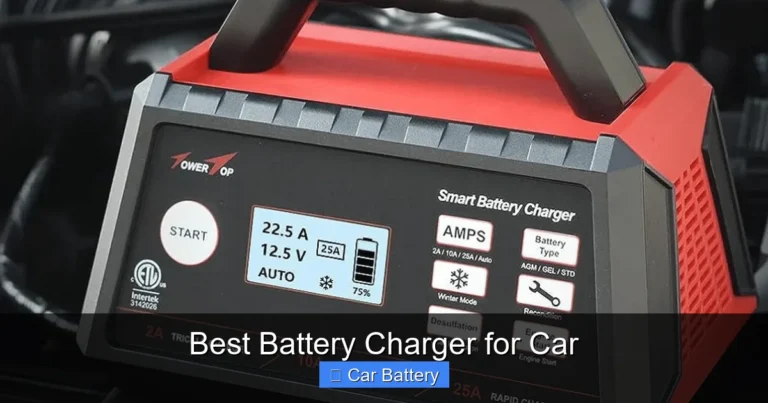
Visual guide about When Jumping a Dead Battery Which Car Do You Start First
Image source: images.pexels.com
Step 1: Prepare Both Vehicles
First, park the donor car close enough to the dead one so the jumper cables can reach, but make sure the cars aren’t touching. Turn off both engines and remove the keys. Engage the parking brakes and, if possible, place the cars in park (automatic) or neutral (manual) with wheel chocks for extra safety.
Next, open both hoods and locate the batteries. Identify the positive (+) and negative (−) terminals. The positive terminal is usually marked with a red cover or a “+” sign, while the negative is black or marked with a “−”. If you’re unsure, consult your owner’s manual.
Before connecting anything, check both batteries for visible damage—cracks, leaks, or bulging. If you see any of these, do not attempt to jump-start. A damaged battery can explode when charged. Also, make sure both cars are turned off and all lights, radios, and accessories are switched off to reduce electrical load.
Step 2: Connect the Jumper Cables in the Right Order
This is where many people go wrong. The correct cable connection order is critical for safety and effectiveness. Follow this sequence:
- Red clamp to dead battery positive (+): Attach one red clamp to the positive terminal of the dead battery.
- Red clamp to donor battery positive (+): Attach the other red clamp to the positive terminal of the working battery.
- Black clamp to donor battery negative (−): Attach one black clamp to the negative terminal of the donor battery.
- Black clamp to an unpainted metal surface on the dead car: Do not connect the last black clamp to the dead battery’s negative terminal. Instead, attach it to a solid, unpainted metal part of the engine block or chassis—like a bolt or bracket. This grounding reduces the risk of sparks near the battery, which could ignite hydrogen gas.
Why ground to metal instead of the battery? Car batteries can release hydrogen gas, especially when charging. A spark near the battery could cause an explosion. By grounding to the engine block, you’re safely directing any spark away from the battery.
Step 3: Start the Donor Car and Let It Charge
Now that the cables are connected, start the donor car. Let it run for 3 to 5 minutes. This allows the alternator to generate electricity and begin charging the dead battery through the jumper cables.
During this time, you might notice the dead car’s dashboard lights flicker or dim slightly—that’s normal. It means power is flowing. Avoid revving the donor engine unless instructed by a professional. High RPMs aren’t necessary and could cause voltage spikes.
If the dead car has a manual transmission, you can try push-starting (also called bump-starting) if no donor car is available. But that’s a different technique and not relevant to jumper cables.
Step 4: Attempt to Start the Dead Car
After the donor car has been running for a few minutes, try starting the dead car. Turn the key and listen for the engine to crank. If it starts right away, great! Let both cars run for another 5 to 10 minutes to ensure the revived battery gets a solid charge.
If the dead car doesn’t start, don’t panic. Wait another 5 minutes and try again. Sometimes, deeply discharged batteries need more time to accept a charge. If it still won’t start after three attempts, there may be another issue—like a faulty starter, alternator, or a completely dead battery that can’t hold a charge.
In that case, it’s time to call a professional or roadside assistance. Continuing to jump-start a car that won’t respond can drain the donor battery and waste time.
Step 5: Disconnect the Cables Safely
Once the dead car is running, it’s time to remove the jumper cables—but in the reverse order of connection:
- Remove the black clamp from the grounded metal on the dead car.
- Remove the black clamp from the donor battery’s negative terminal.
- Remove the red clamp from the donor battery’s positive terminal.
- Remove the red clamp from the dead battery’s positive terminal.
This reverse sequence minimizes the risk of sparks. Always handle the clamps by their insulated handles, and never let the clamps touch each other while they’re connected to a battery.
After disconnecting, close both hoods and drive the revived car for at least 20 to 30 minutes. This allows the alternator to fully recharge the battery. If you turn the car off too soon, the battery might not have enough charge to start again.
Safety Tips and Common Mistakes to Avoid
Jump-starting a car seems simple, but small mistakes can lead to big problems. Here are some essential safety tips and common pitfalls to avoid.

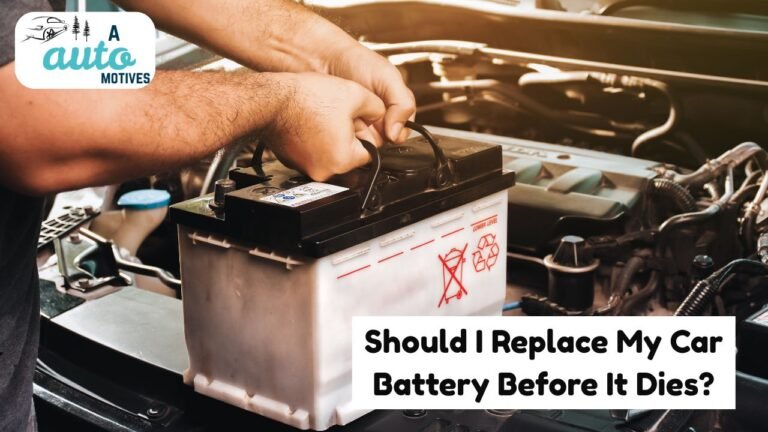
Visual guide about When Jumping a Dead Battery Which Car Do You Start First
Image source: c.pxhere.com
Wear Safety Gear
Always wear safety glasses and gloves if possible. Batteries contain sulfuric acid, which can cause burns. If you spill battery acid on your skin, rinse it immediately with water and seek medical help if needed.
Never Smoke or Use Open Flames
Hydrogen gas emitted by batteries is highly flammable. Avoid smoking, using lighters, or creating sparks near the battery during the jump-start process.
Don’t Let Cables Dangle
Keep jumper cables away from moving parts like fans, belts, and pulleys. A loose cable can get caught and cause serious damage or injury.
Check for Corrosion
If the battery terminals are corroded (white or green powdery buildup), clean them with a mixture of baking soda and water before connecting cables. Corrosion can prevent a good electrical connection.
Use Quality Jumper Cables
Cheap or thin cables may not carry enough current to start a dead battery. Invest in a set of heavy-duty cables with thick wires and strong clamps. Look for cables rated for at least 400 amps.
Don’t Jump-Start in the Rain
Water and electricity don’t mix. If it’s raining heavily, wait for a break or seek shelter. Wet conditions increase the risk of electrical shock.
Know When Not to Jump-Start
If the battery is cracked, leaking, or swollen, do not attempt to jump-start. These are signs of internal damage. Similarly, if the car has been submerged in water or involved in an accident, have it inspected by a mechanic first.
What to Do After a Successful Jump-Start
Getting your car started is just the first step. What you do next is equally important to ensure your battery stays healthy and your car remains reliable.
Drive the Car to Recharge the Battery
After a jump-start, the battery is still weak. The alternator needs time to recharge it fully. Drive the car for at least 20 to 30 minutes at a steady speed. Avoid short trips, which don’t give the alternator enough time to replenish the charge.
Turn Off Unnecessary Electronics
While driving, keep the radio, air conditioning, and heated seats off if possible. These draw power from the battery and slow down the recharging process.
Test the Battery and Charging SystemIf your car has died once, it might die again. Visit an auto parts store or mechanic to have the battery and alternator tested. Many stores offer free battery checks. A weak battery or faulty alternator could be the root cause.
Consider Replacing an Old Battery
Car batteries typically last 3 to 5 years. If yours is older, it may be time for a replacement. Repeated jump-starts can shorten a battery’s lifespan, so don’t rely on them as a long-term solution.
Keep a Portable Jump Starter Handy
For peace of mind, consider buying a portable jump starter. These battery-powered devices let you jump-start your car without another vehicle. They’re compact, easy to use, and great for emergencies.
Conclusion
Knowing when jumping a dead battery which car do you start first is one of the most important skills every driver should have. It’s not just about getting your car running—it’s about doing it safely and correctly to protect your vehicle and yourself.
Remember: always start the donor car first, let it charge the dead battery for a few minutes, then attempt to start the dead car. Follow the correct cable connection order, ground the final clamp to metal, and disconnect in reverse. Avoid common mistakes like connecting to the wrong terminals or skipping safety steps.
Jump-starting is a temporary fix, not a permanent solution. After a successful jump, drive your car to recharge the battery and have it inspected if problems persist. With the right knowledge and preparation, you’ll never be stranded for long.
Frequently Asked Questions
Can I jump-start a car in the rain?
It’s not recommended to jump-start a car in heavy rain due to the risk of electrical shock. If you must, ensure both vehicles are as dry as possible and avoid touching metal parts with wet hands.
How long should I let the donor car run before starting the dead one?
Let the donor car run for 3 to 5 minutes to allow the dead battery to absorb some charge. This improves the chances of a successful start.
What if my car still won’t start after jump-starting?
If the car doesn’t start after multiple attempts, the issue may not be the battery. It could be a faulty starter, alternator, or fuel system problem. Call a mechanic or roadside assistance.
Can I use a portable jump starter instead of another car?
Yes, portable jump starters are a great alternative. They’re battery-powered, easy to use, and don’t require another vehicle. Just follow the manufacturer’s instructions.
Is it safe to jump-start a modern car with electronics?
Yes, but extra caution is needed. Modern cars have sensitive electronics. Always follow the correct procedure and avoid voltage spikes by not revving the engine excessively.
How often should I replace my car battery?
Most car batteries last 3 to 5 years. Have yours tested annually after the 3-year mark, especially if you notice slow cranking or dim lights.