

When Did Bike Helmets Come Out: A Brief History

Contents
- 1 A short history: when did bike helmets come out and why it matters
- 2 Early forms and inventions: from leather to foam
- 3 How modern helmets were developed (1970s onward)
- 4 Safety evidence: do helmets work?
- 5 Types of bicycle helmets and how they evolved
- 6 Laws, standards, and adoption: when did bike helmets come out in policy?
- 7 How to pick, fit, and care for a helmet
- 8 Frequently Asked Questions of when did bike helmets come out
- 9 Conclusion

Car USB Charger
Reflective Safety Triangle

Car Battery Tester

Side Mirror Rain Guard
Bike helmets first appeared in the late 1800s and evolved into modern foam shell designs by the 1970s.
I’ve studied cycling safety and tested many helmets. If you want a clear, expert look at when did bike helmets come out, this guide lays out the full history, safety evidence, key milestones, laws, and practical tips. Read on to learn how helmets grew from simple leather caps to today’s engineered safety gear, and why that history matters for every rider.
A short history: when did bike helmets come out and why it matters
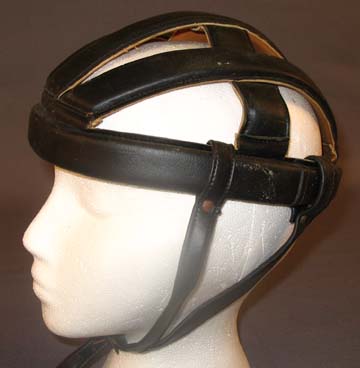
The question when did bike helmets come out points to a long arc. Early protective caps appeared in the late 1800s. They were simple leather or cork skull caps used by early riders and racers. Over the 20th century, helmet design borrowed from military and motor sport gear. By the 1970s and 1980s, foam-lined, hard-shell helmets became common for cyclists. The shift mattered because new materials and testing standards made helmets far more protective and more widely used.
Key turning points
- Late 1800s: simple leather or cork caps for riders and racers.
- Early 1900s: motorcycling and racing helmets refine shape and fit.
- 1970s: foam liners plus shells adapted for cycling.
- 1980s–1990s: wider public use, industry standards, and legal mandates in some places.
Why the timeline helps you
- It shows why some older helmets are unsafe.
- It explains how laws and standards shaped modern designs.
- It helps you pick helmets with proven tech and testing.

Early forms and inventions: from leather to foam
Riders used basic head covers in the 1800s. These gave some protection from cuts and mild bumps. The first designs were not made to stop serious brain injury. As motorized travel rose, fuller helmets came into play. Racing drivers and motorcyclists drove innovation. Makers tried hard shells and new liners. By mid-20th century, designers tested helmets in labs. The cycling market borrowed these ideas. That is how modern bicycle helmets began to form.
A few practical notes from history
- Old leather caps looked cool but offer little crash protection.
- Shell-plus-foam became the core idea that still works today.
- Industry testing evolved to focus on impact energy absorption.

How modern helmets were developed (1970s onward)
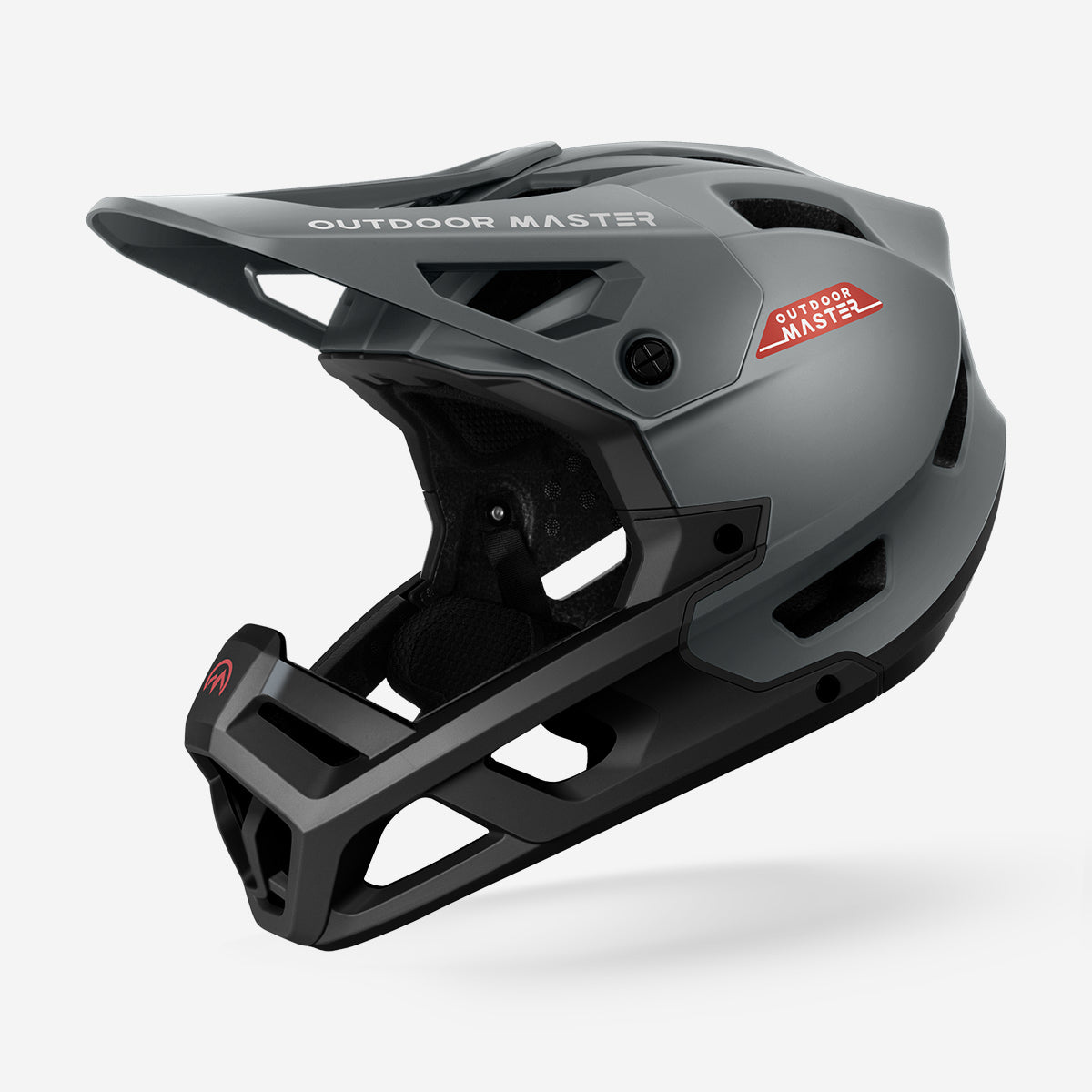
When did bike helmets come out in a modern sense? The modern era began when polystyrene foam liners paired with a plastic shell. This combo reduced impact forces to the head. Companies that made motorcycle helmets helped adapt this tech. Helmet makers tuned shape, venting, and straps for cyclists. Standards and testing followed to ensure real protection.
What changed in the 1970s and 1980s
- Foam liners absorbed crash energy, cutting brain trauma risk.
- Lighter shells made helmets more wearable.
- Better straps and retention systems improved fit.
My experience
- I started riding with foam-shell helmets in the 1990s. They were light and comfortable. I noticed fewer head cuts after falls. That first-hand contrast shows why the 1970s design shift was big.
Safety evidence: do helmets work?
Yes. Research shows helmets reduce the chance of head and brain injury by a large margin. Studies compare injured riders with and without helmets. Most find much lower severe head injury rates for helmeted riders. Helmets also reduce skull fractures and some facial injuries. They are not a guarantee, but they are one of the most effective safety steps a rider can take.
Key facts for riders
- Helmets cut risk of serious head injury substantially.
- Proper fit and replacement after impact are essential.
- Helmets do not prevent all injuries. Speed, road type, and crash type matter.
PAA-style quick questions (short answers)
When did bike helmets come out for everyday riders?
Everyday-style helmets grew common in the 1970s and 1980s after foam-and-shell designs were adapted for cycling.
When did bike helmets become mandatory in some places?
Helmet laws started to appear in the late 1980s and early 1990s in some regions, with broader mandates in the 1990s.
Why did helmet use increase after the 1970s?
Better comfort, lighter weight, and clear safety data made helmets easier to accept and wear.

Types of bicycle helmets and how they evolved
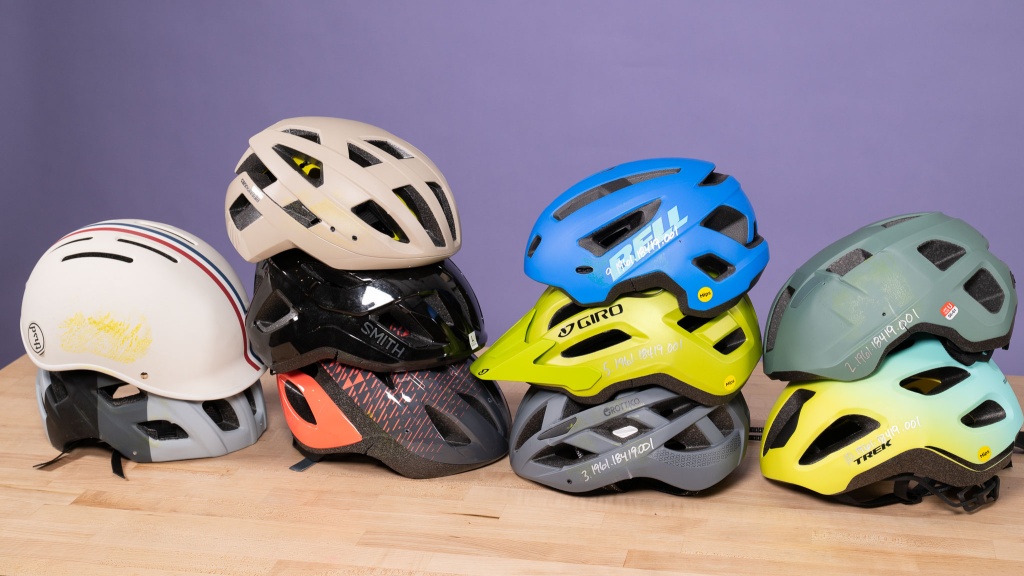
Helmets now serve different riding styles. The main types are city/commuter, road, mountain, and multi-sport models. Each type evolved to meet needs like airflow, coverage, and weight. Newer tech includes MIPS-like liners that manage rotational forces and tougher shell designs for repeated impacts.
Common types and features
- City/commuter helmets: focus on comfort and visibility.
- Road helmets: prioritize light weight and venting.
- Mountain helmets: offer more rear head coverage and face protection.
- Multi-impact models: built for repeated use in some non-crash sports.
How to judge a helmet
- Look for certified testing to your region’s standard.
- Check fit and retention. A good fit beats fancy features.
- Replace after a crash or after about 5 years of use.

Laws, standards, and adoption: when did bike helmets come out in policy?
Policy lagged behind design. After effective designs appeared, different places adopted rules at different times. Some regions passed helmet laws for children first, then expanded to all riders. Standards bodies created tests to ensure helmets meet impact and retention specs. These standards make it easier to trust modern gear.
Timeline of policy and standards
- Late 20th century: national standards and testing protocols form.
- 1990s: many regions adopt helmet laws for young riders.
- Ongoing: local and national rules still vary worldwide.
Practical point
- Always use a helmet that meets your country’s standard. Standards help you know a helmet will perform in common crash scenarios.
How to pick, fit, and care for a helmet
Choosing the right helmet matters as much as wearing one. A poor fit reduces protection. Simple checks get you started.
Fit checklist
- Measure your head and try helmets in that size.
- The helmet should sit level and low on the forehead.
- Straps should form a V under each ear and buckle snugly.
- No heavy rotation or wobble when you shake your head.
Care and replacement
- Replace any helmet after a crash.
- Replace after 3–5 years of regular use or if foam is brittle.
- Clean with mild soap and air dry. Avoid harsh chemicals.
My tips from testing helmets
- Try a few models in a shop to see what feels best.
- Prioritize fit and certified testing over brand or color.
- I once kept a cracked helmet too long. Don’t make that mistake. Replace it.
Frequently Asked Questions of when did bike helmets come out
When did bike helmets come out historically?
Early protective caps for riders date to the late 1800s. Modern foam-and-shell bicycle helmets became common from the 1970s onward.
Who invented the first bicycle helmet?
No single inventor is credited. Helmet design evolved from earlier leather and motor sport helmets, with many makers contributing over decades.
When did bike helmets become common for everyday riders?
Everyday use grew in the 1970s and 1980s as helmets got lighter and more comfortable.
When did helmet laws start?
Helmet laws began to appear in the late 1980s and 1990s, often starting with rules for children and school riders.
When should you replace a helmet?
Replace a helmet after any crash or after about 3–5 years of regular use, or sooner if it shows damage.
Conclusion
The story of when did bike helmets come out moves from simple leather caps in the late 1800s to modern, tested foam-and-shell designs by the 1970s. That change cut injuries and made helmets a key safety tool for cyclists. Use this history when you choose gear: pick a certified helmet, get a proper fit, and replace it when needed. Put safety first, keep riding, and share what you learn—leave a comment or subscribe to learn more about smart cycling gear and safety tips.


