

When Did Bicycle Helmets Become Law: Timeline And Facts

Contents
- 1 A short timeline: when did bicycle helmets become law globally
- 2 Why lawmakers introduced helmet laws
- 3 Where helmet laws started and how they spread
- 4 Evidence: do helmet laws reduce injuries?
- 5 Criticisms, limitations, and unintended effects
- 6 How enforcement and penalties work
- 7 Personal experience and practical lessons
- 8 Choosing and using a helmet correctly
- 9 The future: trends and policy choices
- 10 Common search questions about helmet laws
- 11 Frequently Asked Questions of when did bicycle helmets become law
- 12 Conclusion

Car Tool Kit Set

Rear View Camera

Trunk Organizer

Car Shampoo Concentrate
Bicycle helmet laws began appearing in the 1970s and 1980s, with widespread mandates from the 1990s onward.
I’ve studied cycling policy and safety for years and helped communities adopt bike-safety programs. This article explains when did bicycle helmets become law around the world, why laws appeared, how they evolved, and what research says about their impact. Read on for a clear timeline, practical tips, and honest trade-offs so you can make informed choices about helmet rules and safety.

A short timeline: when did bicycle helmets become law globally
The modern push for helmet laws grew with safety research in the late 20th century. Early local and regional rules appeared in the 1970s and 1980s. By the 1990s many places moved to mandatory helmet rules for children or all riders. Countries and regions followed different paths, so there is no single global start date.
Key milestones
- 1970s–1980s: Local jurisdictions and some cities begin experimenting with rules and school programs.
- 1990s: Widespread adoption of helmet laws in places like parts of Australia and many U.S. states for minors.
- 2000s onward: Broader adoption in select countries; many remain voluntary.
When did bicycle helmets become law depends on the place. Some regions still have no helmet mandates. Others have strict age-based rules or universal requirements. The timeline reflects local politics, research, and safety campaigns.
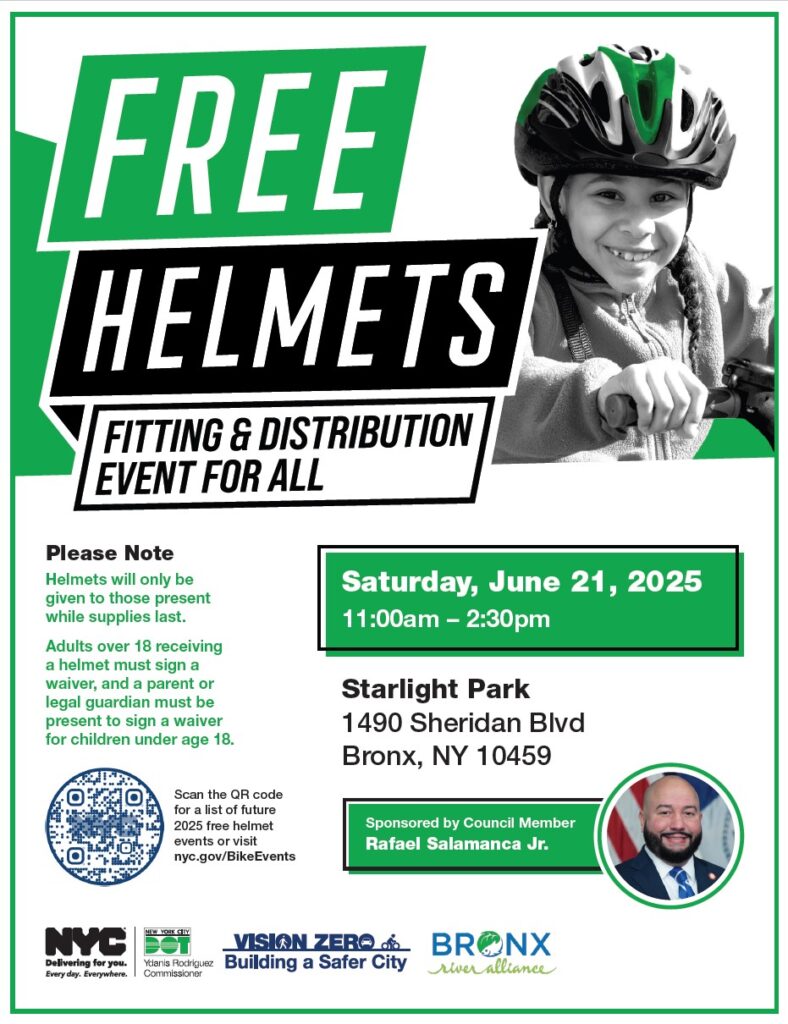
Why lawmakers introduced helmet laws
Lawmakers saw helmets as a low-cost way to reduce head injuries. Emergency room data showed head trauma caused the worst cycling injuries. Helmet rules fit public health strategies to prevent those injuries. Supporters used studies showing helmets cut the risk of head injury substantially.
Main reasons for laws
- Reduce traumatic brain injuries and deaths.
- Lower long-term medical costs from severe head trauma.
- Send a safety message and normalize helmet use among children.
- Complement other road-safety measures like bike lanes and education.
The question when did bicycle helmets become law ties closely to these motivations. As evidence mounted, many jurisdictions moved from voluntary campaigns to laws.

Where helmet laws started and how they spread
Different countries adopted laws at different times. Some made universal helmet use mandatory. Others focused on children and teens. Many European countries rely on voluntary use but strong safety campaigns.
Common patterns
- Child-first approach. Many places required helmets only for minors.
- State or provincial rollout. Often one state leads and others follow.
- Enforcement tied to fines and education programs in schools.
- Local variations. Cities might have rules where regions do not.
When did bicycle helmets become law in your area depends on local history. If you live in a place with a law, it likely grew from local data and public campaigns.
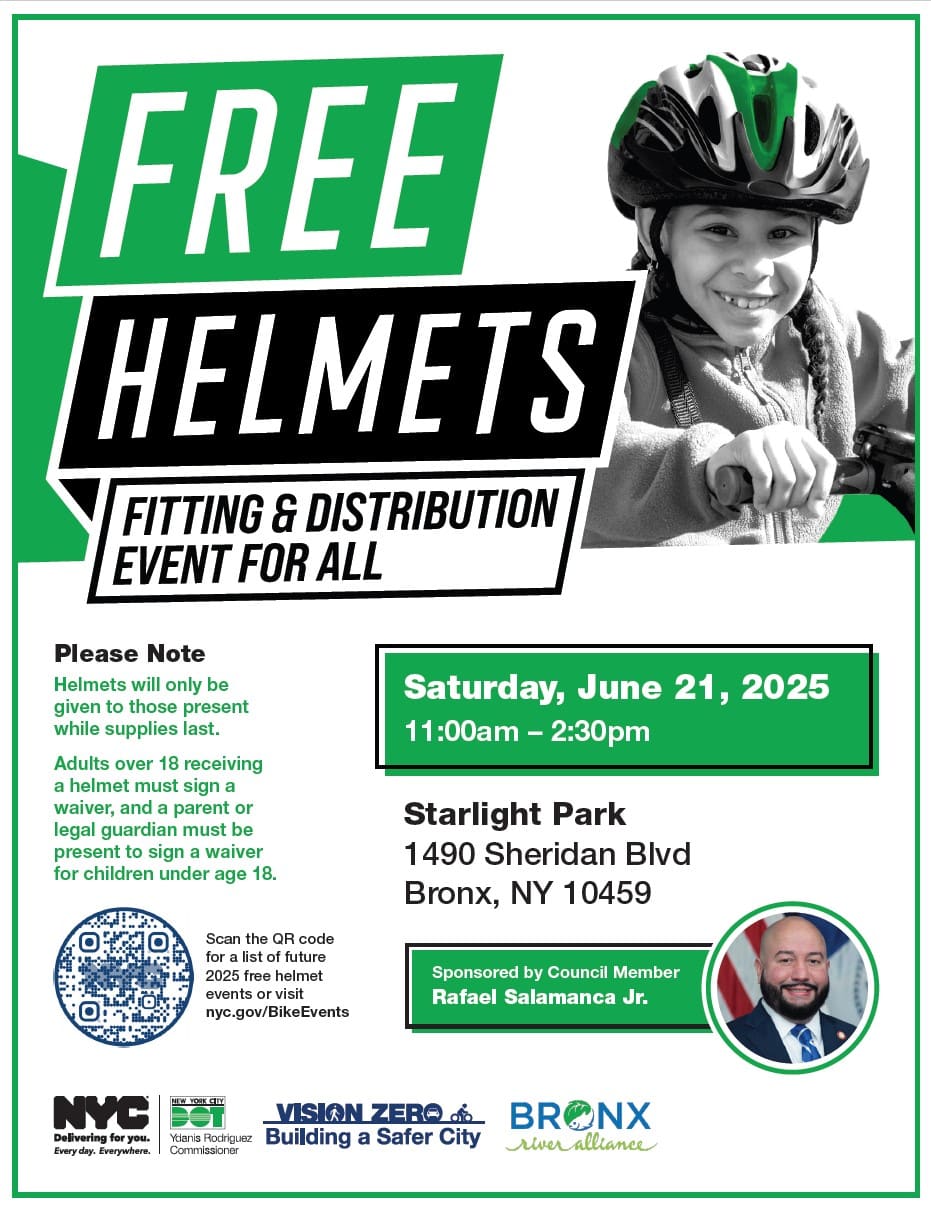
Evidence: do helmet laws reduce injuries?
Research generally finds helmets reduce head injury risk. Meta-analyses show a meaningful drop in head injuries among helmet wearers. Studies of law impacts show decreases in hospital-treated head injuries after mandates in many places.
What studies find
- Helmet use reduces head injury risk by roughly half to two-thirds in many studies.
- Areas that pass helmet laws often see fewer head injuries among the targeted group.
- Some analyses show mixed results due to changes in cycling rates and exposure.
- A drop in injuries can reflect fewer cyclists, better helmets, or safer behavior.
The phrase when did bicycle helmets become law matters because timing affects observed effects. Early adopters produced much of the evidence used by later policymakers.

Criticisms, limitations, and unintended effects
Helmet laws are not without debate. Critics raise concerns about reduced cycling and risk compensation. Evidence here is mixed, and outcomes vary by place.
Common criticisms
- Lower cycling rates. Some studies report declines in casual cycling after laws.
- Risk compensation. People may take more risks when protected; evidence is limited.
- Enforcement equity. Fines can hit low-income riders harder.
- Focus distraction. Helmet laws can shift attention from infrastructure and driver behavior.
When did bicycle helmets become law is often tied to heated local debates. Cities that prioritized bike lanes and education sometimes avoided big drops in cycling.

How enforcement and penalties work
Enforcement varies. Many jurisdictions favor education and warnings at first. Later, fines or community service can appear. Some areas combine fines with free helmet distribution.
Enforcement models
- Warning-first approach for first offenses.
- Modest fines and optional safety classes.
- School-based enforcement and parent engagement.
- Subsidized or free helmets for low-income families.
If you ask when did bicycle helmets become law in a specific place, check local rules for exact fines and enforcement methods.

Personal experience and practical lessons
From working with bike-safety programs I’ve seen real effects. I helped run a school helmet giveaway and watched helmet use jump. I also saw neighbors bike less when a strict law arrived without outreach. A helmet once saved my friend from a serious head cut after a fall; the helmet had a deep scrape but he walked away.
Lessons I learned
- Pair laws with education and free helmets to avoid inequity.
- Invest in safe bike paths to keep cycling strong.
- Communication matters: explain why rules exist and how to wear helmets correctly.
- Measure outcomes: track injuries and cycling rates to adjust policy.
When did bicycle helmets become law often depends on these practical choices. Policy works best when it blends law, outreach, and infrastructure.

Choosing and using a helmet correctly
A good helmet fits and meets safety standards. In the U.S., look for helmets that meet CPSC rules. In Europe, look for EN 1078. Replace helmets after a crash or every few years.
Simple fit checklist
- Helmet sits level, one to two finger-widths above brows.
- Straps form a V under each ear.
- Chin strap snug with one finger space.
- No big wiggle when you shake your head.
When did bicycle helmets become law is one thing. Knowing how to wear a helmet well is a different, practical step everyone can take now.

The future: trends and policy choices
Policy is shifting toward a balanced approach. Many advocates now pair helmet promotion with better bike lanes and safer streets. New tech in helmets may add visibility and crash sensors. Policy debate will likely focus on reducing harm while encouraging cycling.
Future directions
- Integrated safety strategies: helmets, lanes, education.
- Equity-focused programs with free or low-cost helmets.
- Smarter helmets with lights and sensors.
- Continued research on how laws shape behavior and injury patterns.
When did bicycle helmets become law is part of a larger safety story. The next phase is smarter policy that keeps people both safe and active.
Common search questions about helmet laws
What does a PAA-style question look like? Here are three short answers people often search for.
What year did helmet laws start being common?
Helmet laws became more common in the 1990s. Many regions passed youth or universal rules during that decade.
Do helmet laws reduce cycling?
Some places saw small declines in casual cycling after laws. Combining laws with infrastructure and outreach reduces that risk.
Are helmet laws supported by research?
Yes. Research shows helmets cut head injury risk. Law impacts vary with context and enforcement.
Frequently Asked Questions of when did bicycle helmets become law
When did bicycle helmets become law in the United States?
Many U.S. states started passing youth helmet laws in the late 1980s and 1990s. Laws differ by state and often target children and teens.
When did bicycle helmets become law in Australia?
Major Australian states introduced mandatory helmet laws in the early 1990s, and the country became one of the first to require helmets widely. Implementation was state by state across the decade.
When did bicycle helmets become law in Europe?
Europe shows mixed timing. Some countries pushed local rules and strong campaigns from the 1990s onward, while many rely on voluntary use and education rather than national mandates.
When did bicycle helmets become law for children?
Many places first mandated helmets for children in the late 1980s and 1990s. Child-focused rules were common because they target young riders and families.
When did bicycle helmets become law everywhere?
There is no single global date when bicycle helmets became law everywhere. Adoption varied by country, region, and local policy priorities.
Conclusion
Helmet laws started to spread from the 1980s and became common in many places in the 1990s and later. The timing varies by country, state, and city, and outcomes depend on enforcement, outreach, and infrastructure. If you care about safety, wear a well-fitting helmet and support balanced policies that pair laws with safe streets and education. Share your thoughts below, subscribe for updates on cycling safety, or leave a comment about how helmet laws affected cycling where you live.


