What Type of Car Is a Honda Civic

Contents
- 1 Key Takeaways
- 2 📑 Table of Contents
- 3 What Type of Car Is a Honda Civic? A Complete Guide
- 4 The Honda Civic: Compact Car with Big Appeal
- 5 Body Styles: Sedan, Coupe, and Hatchback
- 6 Performance and Engine Options
- 7 Technology and Interior Features
- 8 Why the Honda Civic Stands the Test of Time
- 9 Final Thoughts: Is the Honda Civic Right for You?
- 10 Frequently Asked Questions




The Honda Civic is a compact car known for its reliability, fuel efficiency, and practical design. Available as a sedan, coupe, or hatchback, it blends comfort, technology, and value—making it a favorite for commuters and families alike.
Key Takeaways
- Compact Car Classification: The Honda Civic is a compact car, offering a balance of size, efficiency, and affordability ideal for city driving and long commutes.
- Multiple Body Styles: It comes in sedan, coupe, and hatchback variants, giving buyers flexibility based on space, style, and utility needs.
- Fuel Efficiency Leader: With EPA ratings often exceeding 30 mpg combined, the Civic is one of the most fuel-efficient non-hybrid cars in its class.
- Strong Safety Ratings: Consistently earning top marks from IIHS and NHTSA, the Civic includes advanced driver-assistance features even in base trims.
- Tech-Forward Interior: Modern Civics feature user-friendly infotainment, smartphone integration, and available premium audio and navigation.
- Performance Options: From the efficient 2.0L engine to the turbocharged 1.5L and high-performance Civic Si and Type R, there’s a Civic for every driving preference.
- Long-Term Value: Known for low maintenance costs and high resale value, the Civic is a smart long-term investment.
📑 Table of Contents
What Type of Car Is a Honda Civic? A Complete Guide
If you’ve ever found yourself asking, “What type of car is a Honda Civic?” you’re not alone. It’s a question that pops up often—especially when people see the sleek design, hear about its reliability, or notice how common it is on the road. The short answer? The Honda Civic is a compact car. But that simple label barely scratches the surface of what makes this vehicle so popular, versatile, and enduring.
Since its debut in 1972, the Honda Civic has evolved from a small, economical runabout into a sophisticated, tech-savvy machine that appeals to a wide range of drivers. Whether you’re a college student looking for your first car, a busy parent needing something safe and practical, or a driving enthusiast craving a little excitement, there’s likely a Civic that fits your lifestyle. It’s not just a car—it’s a cultural icon, a benchmark in the compact segment, and a symbol of smart automotive engineering.
In this guide, we’ll dive deep into what makes the Honda Civic unique. We’ll explore its classification, body styles, performance options, technology features, safety credentials, and why it continues to be one of the best-selling cars in the world. By the end, you’ll not only know what type of car a Honda Civic is—you’ll understand why it’s been a favorite for over 50 years.
The Honda Civic: Compact Car with Big Appeal

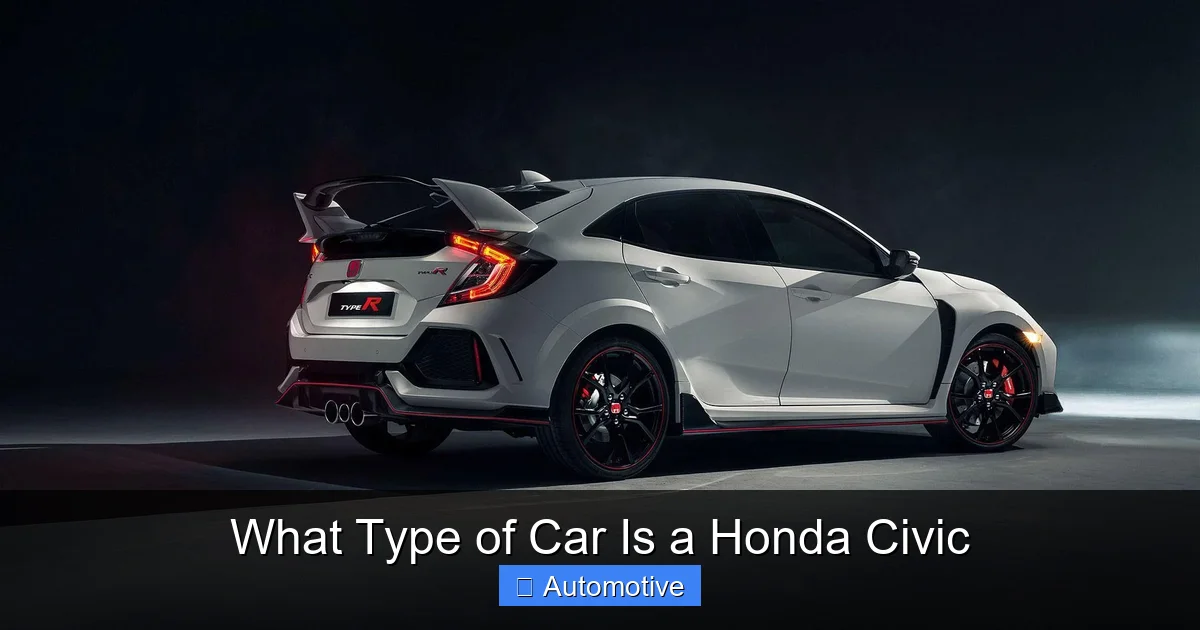
Visual guide about What Type of Car Is a Honda Civic
Image source: wallpapercave.com
At its core, the Honda Civic is a compact car. This classification means it’s smaller than a midsize sedan like the Honda Accord or Toyota Camry, but larger than a subcompact like the Honda Fit or Toyota Yaris. Compact cars are designed to offer a smart balance of interior space, fuel efficiency, and maneuverability—making them ideal for urban driving, daily commuting, and budget-conscious buyers.
But the Civic doesn’t just meet the basic requirements of a compact car—it exceeds them. Over the decades, Honda has refined the Civic to deliver a driving experience that feels more premium than its price tag suggests. It’s not just about getting from point A to point B. It’s about doing so comfortably, safely, and with a touch of style.
One of the Civic’s biggest strengths is its adaptability. It’s a car that can grow with you. Need something simple and affordable for your first job? The base LX trim has you covered. Want more tech and comfort for weekend road trips? Step up to the EX or EX-L. Craving a sportier drive? The Civic Si or Type R might be calling your name. This flexibility is a big reason why the Civic appeals to such a broad audience.
Why “Compact” Doesn’t Mean “Cramped”
A common misconception about compact cars is that they’re small on the inside. But the Honda Civic challenges that idea. Thanks to smart engineering and efficient packaging, the Civic offers surprising interior space. The latest models feature a spacious cabin with ample legroom and headroom for both front and rear passengers. The trunk is also generous for the class, especially in the sedan and hatchback versions.
For example, the 2023 Honda Civic sedan offers up to 15.1 cubic feet of trunk space—more than some midsize sedans from just a few years ago. The hatchback version takes it further with up to 24.5 cubic feet behind the rear seats, and even more when the seats are folded down. That’s enough room for groceries, luggage, camping gear, or even a small mattress for a spontaneous road trip.
Honda also pays attention to细节. Soft-touch materials, intuitive controls, and a well-designed dashboard make the Civic feel more upscale than many competitors. Even the base models come with features like a 7-inch touchscreen, Apple CarPlay, and Android Auto—amenities that were once reserved for luxury cars.
A Car for Every Lifestyle
The Civic’s versatility shines when you consider how different people use it. For students, it’s an affordable, reliable way to get to class without breaking the bank on gas or insurance. For young professionals, it’s a stylish, tech-equipped ride that makes the daily commute less of a chore. For families, it’s a safe, practical vehicle with enough room for car seats and strollers.
And for driving enthusiasts? The Civic has a performance side that’s hard to ignore. The Civic Si offers a sport-tuned suspension, limited-slip differential, and a manual transmission—features rarely found in compact cars. Then there’s the Civic Type R, a track-ready hot hatch that delivers over 300 horsepower and razor-sharp handling. It’s proof that a compact car can be both practical and thrilling.
Body Styles: Sedan, Coupe, and Hatchback
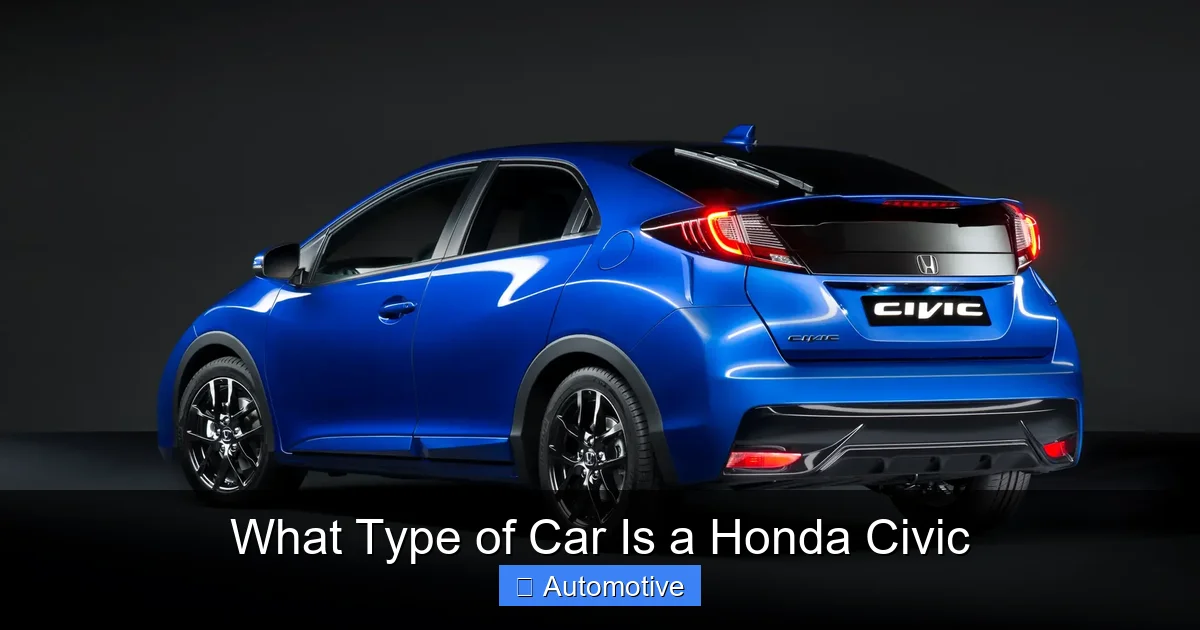
Visual guide about What Type of Car Is a Honda Civic
Image source: car-images.bauersecure.com
One of the most appealing aspects of the Honda Civic is the variety of body styles available. Unlike some compact cars that only come in one or two configurations, the Civic offers three distinct options: sedan, coupe, and hatchback. Each has its own strengths, so choosing the right one depends on your priorities.
The Classic: Honda Civic Sedan
The sedan is the most popular version of the Civic—and for good reason. It offers a traditional four-door layout with a separate trunk, making it ideal for families, commuters, and anyone who values a clean, professional look. The sedan is also the most fuel-efficient of the three, thanks to its aerodynamic shape and lighter weight.
In recent years, Honda has given the sedan a sleek, modern redesign. The current generation features a low, wide stance, LED headlights, and a fastback-style roofline that gives it a sporty appearance. Inside, the sedan offers a quiet, comfortable ride with plenty of standard features. Even the base LX trim includes a rearview camera, automatic climate control, and a 7-inch touchscreen with smartphone integration.
The sedan is also a great choice if you prioritize trunk space. With 15.1 cubic feet of cargo room, it’s perfect for weekly grocery runs, airport trips, or packing up for a weekend getaway. And because the trunk is enclosed, your belongings stay secure and out of sight.
The Stylish Choice: Honda Civic Coupe
The coupe version of the Civic offers a two-door design with a sportier, more aggressive look. While it’s less common than the sedan—and actually discontinued in some markets after 2020—it remains a favorite among drivers who want a car that stands out.
The coupe is slightly lower and more aerodynamic than the sedan, which improves handling and gives it a more dynamic feel on the road. It’s also lighter, which can translate to slightly better fuel economy and quicker acceleration. However, the coupe does sacrifice some rear-seat space and trunk room compared to the sedan, so it’s better suited for individuals or couples who don’t need to transport passengers or large items regularly.
For those who love the look of a coupe but still want practicality, the hatchback might be a better compromise.
The Practical Performer: Honda Civic Hatchback
The hatchback is where the Civic truly shines in terms of versatility. It combines the sporty styling of the coupe with the cargo flexibility of an SUV. The rear hatch opens upward, giving you access to a large, flat cargo area that’s easy to load and unload.
The hatchback is especially popular with outdoor enthusiasts, small business owners, and anyone who needs to carry bulky items. Whether you’re hauling bikes, camping gear, or furniture, the hatchback makes it easy. And when you don’t need the extra space, the rear seats fold flat to create a clean, open load floor.
Performance-wise, the hatchback is available with the same engines as the sedan, including the turbocharged 1.5L option. It also comes in sportier trims like the Sport and Sport Touring, which include upgraded suspension, larger wheels, and paddle shifters. And of course, the high-performance Civic Type R is only available as a hatchback—making it the ultimate expression of the Civic’s sporty potential.
Performance and Engine Options

Visual guide about What Type of Car Is a Honda Civic
Image source: wallpapercave.com
When people ask, “What type of car is a Honda Civic?” they’re often curious about how it drives. The answer? It depends on the engine and trim you choose. Honda offers a range of powertrains to suit different driving styles and needs.
Efficient and Reliable: The 2.0L Naturally Aspirated Engine
The base engine in most Civic models is a 2.0-liter four-cylinder that produces around 158 horsepower. This engine is all about smoothness and efficiency. It’s paired with a continuously variable transmission (CVT) that delivers seamless acceleration and excellent fuel economy.
This setup is perfect for daily commuting and city driving. It’s not the most exciting engine on the market, but it’s reliable, quiet, and gets the job done. In the sedan, this engine can achieve up to 33 mpg in the city and 42 mpg on the highway, making it one of the most fuel-efficient non-hybrid cars available.
Turbocharged Power: The 1.5L Turbo Engine
For drivers who want more pep in their step, the 1.5-liter turbocharged four-cylinder is the way to go. This engine delivers 180 horsepower and 177 lb-ft of torque—plenty of power for quick merges, highway passing, and spirited driving.
The turbo engine is available in most trims, from the EX up to the Sport Touring. It’s also more fuel-efficient than you might expect, thanks to advanced technologies like direct injection and variable valve timing. In the hatchback, for example, the 1.5T can achieve up to 30 mpg city and 37 mpg highway—impressive for a turbocharged engine.
One of the best things about the 1.5T is how responsive it feels. The turbo kicks in early, giving you strong low-end torque that makes city driving feel effortless. And because it’s paired with a CVT or a 6-speed manual (in certain trims), you can choose the driving experience that suits you best.
For the Enthusiast: Civic Si and Type R
If you’re looking for a Civic that’s more than just practical, the Si and Type R trims are built for performance. The Civic Si features a tuned version of the 1.5T engine, producing 200 horsepower and 192 lb-ft of torque. It also includes a sport-tuned suspension, Brembo brakes, and a limited-slip differential for better cornering.
The Si is available with a 6-speed manual transmission only—no automatics here. That’s a big draw for driving purists who love the engagement of shifting gears themselves. It’s also more affordable than many sport compacts, making it a great entry point into performance driving.
Then there’s the Civic Type R—the king of the Civic lineup. With a 2.0-liter turbocharged engine producing 315 horsepower, it’s one of the most powerful front-wheel-drive cars on the market. It features a track-tuned suspension, aerodynamic body kit, and a driver-focused interior with Recaro seats.
The Type R isn’t just fast—it’s a legitimate track car that can hold its own against much more expensive vehicles. It’s also surprisingly practical, with a spacious interior and usable cargo area. For those who want the best of both worlds—performance and practicality—the Type R is hard to beat.
Technology and Interior Features
The Honda Civic has come a long way from its humble beginnings. Today’s models are packed with technology that enhances safety, convenience, and entertainment. Even the base trim comes with features that were once considered luxury options.
Infotainment and Connectivity
Every new Civic comes with a 7-inch touchscreen infotainment system. Higher trims upgrade to a 9-inch display with wireless Apple CarPlay and Android Auto. This means you can seamlessly integrate your smartphone for navigation, music, calls, and messages—all without plugging in a cable.
The system is intuitive and responsive, with large icons and voice command support. Available features include built-in navigation, a premium Bose audio system, and wireless phone charging. The interface is clean and easy to use, even while driving.
Safety and Driver-Assistance Tech
Safety is a top priority for Honda, and the Civic reflects that. All models come standard with Honda Sensing, a suite of advanced driver-assistance features that includes:
– Collision Mitigation Braking System
– Road Departure Mitigation
– Adaptive Cruise Control
– Lane Keeping Assist System
– Traffic Sign Recognition
These features work together to help prevent accidents and reduce driver fatigue. The Civic consistently earns top safety ratings from the Insurance Institute for Highway Safety (IIHS) and the National Highway Traffic Safety Administration (NHTSA), often receiving the coveted “Top Safety Pick” award.
Higher trims add even more tech, like a blind-spot monitoring system, rear cross-traffic alert, and a head-up display. These features make the Civic one of the safest cars in its class—especially impressive given its affordable price point.
Comfort and Convenience
Inside, the Civic feels modern and well-built. The dashboard is clean and driver-focused, with easy-to-reach controls and a digital instrument cluster. Available features include heated and ventilated front seats, a power-adjustable driver’s seat, and dual-zone automatic climate control.
The cabin is also quiet, thanks to sound-deadening materials and active noise cancellation in some trims. Whether you’re driving on the highway or navigating city streets, the Civic provides a calm, comfortable environment.
Why the Honda Civic Stands the Test of Time
So, what type of car is a Honda Civic? It’s a compact car that punches above its weight. It’s reliable, efficient, safe, and packed with features. It’s also available in multiple body styles and performance levels, making it adaptable to nearly any lifestyle.
But beyond the specs and features, the Civic’s real strength is its reputation. For over 50 years, it has earned the trust of millions of drivers around the world. It’s known for lasting hundreds of thousands of miles with minimal issues, holding its value better than most competitors, and delivering a consistently positive ownership experience.
Whether you’re buying your first car or upgrading from an older model, the Honda Civic is a smart choice. It’s not the flashiest car on the road, but it’s one of the most well-rounded. It does everything well—without breaking the bank.
Final Thoughts: Is the Honda Civic Right for You?
If you’re looking for a car that’s practical, reliable, and fun to drive, the Honda Civic deserves a serious look. It’s not just a compact car—it’s a vehicle that adapts to your life, whether you’re commuting to work, road-tripping with friends, or pushing it to the limit on a twisty back road.
With its range of body styles, engine options, and trim levels, there’s a Civic for almost everyone. And with Honda’s commitment to quality and innovation, you can feel confident that your Civic will serve you well for years to come.
So the next time someone asks, “What type of car is a Honda Civic?” you can tell them: it’s a compact car that proves small can be mighty.
Frequently Asked Questions
Is the Honda Civic a compact or midsize car?
The Honda Civic is classified as a compact car. It’s smaller than midsize sedans like the Honda Accord but offers more space and features than subcompact models.
What body styles are available for the Honda Civic?
The Honda Civic is available as a sedan, coupe (in some markets), and hatchback. Each offers different levels of space, style, and utility.
How fuel-efficient is the Honda Civic?
The Civic is highly fuel-efficient, with EPA ratings often exceeding 30 mpg combined. The 2.0L engine can achieve up to 42 mpg on the highway in the sedan.
Does the Honda Civic come with advanced safety features?
Yes, all new Civics come standard with Honda Sensing, which includes features like adaptive cruise control, lane keeping assist, and automatic emergency braking.
What is the difference between the Civic Si and Type R?
The Civic Si is a sport-tuned version with 200 horsepower and a manual transmission. The Type R is a high-performance model with 315 horsepower, track-focused suspension, and aggressive styling.
Is the Honda Civic a good car for long-term ownership?
Absolutely. The Civic is known for its reliability, low maintenance costs, and high resale value, making it an excellent long-term investment.