
What to Look for When Buying a Subaru

Buying a Subaru is more than just picking a reliable car—it’s about finding the right fit for your lifestyle. From standard all-wheel drive to advanced safety tech, knowing what to look for when buying a Subaru ensures you get the best value, performance, and peace of mind on the road.
[FEATURED_IMAGE_PLACEOLDER]
Key Takeaways
- All-Wheel Drive (AWD) is Standard: Every Subaru comes with AWD, making it ideal for all weather and terrain conditions.
- Safety First with EyeSight: Most models include Subaru’s EyeSight driver-assist suite, a top-rated safety system.
- Boxer Engine Design: Subaru’s flat-four engines offer a low center of gravity for better handling and stability.
- Check Model-Specific Features: Trim levels vary widely—compare options like infotainment, seating, and cargo space.
- Inspect Maintenance History: Regular oil changes and timing belt replacements are crucial for long-term reliability.
- Test Drive in Real Conditions: Try driving in rain, snow, or hills to experience Subaru’s AWD and handling firsthand.
- Consider Certified Pre-Owned (CPO): Subaru CPO vehicles offer extended warranties and thorough inspections.
📑 Table of Contents
Introduction: Why Subaru Stands Out in the Crowd
When it comes to choosing a new or used vehicle, few brands inspire the kind of loyalty and enthusiasm that Subaru does. Whether you’re navigating snowy mountain passes, cruising down coastal highways, or simply commuting through city traffic, Subaru has built a reputation for building cars that are dependable, safe, and fun to drive. But what makes Subaru different—and more importantly, what should you look for when buying a Subaru?
Unlike many automakers that offer all-wheel drive as an expensive add-on, Subaru includes it as standard equipment on nearly every model. That means whether you’re eyeing a compact Crosstrek or a three-row Ascent, you’re getting traction and control in rain, snow, and off-road conditions right out of the box. Combine that with a strong focus on safety, a unique engine design, and a commitment to practicality, and it’s easy to see why Subarus are a favorite among outdoor enthusiasts, families, and daily drivers alike.
But with so many models, trims, and features to choose from, the process of buying a Subaru can feel overwhelming. Are you getting the right engine? Is the infotainment system up to date? How do you know if a used Subaru has been well-maintained? This guide will walk you through everything you need to know—from understanding Subaru’s core technologies to evaluating specific models and inspecting a used vehicle—so you can make a confident, informed decision.
Understanding Subaru’s Core Technologies
Visual guide about What to Look for When Buying a Subaru
Image source: justsubaru.com.au
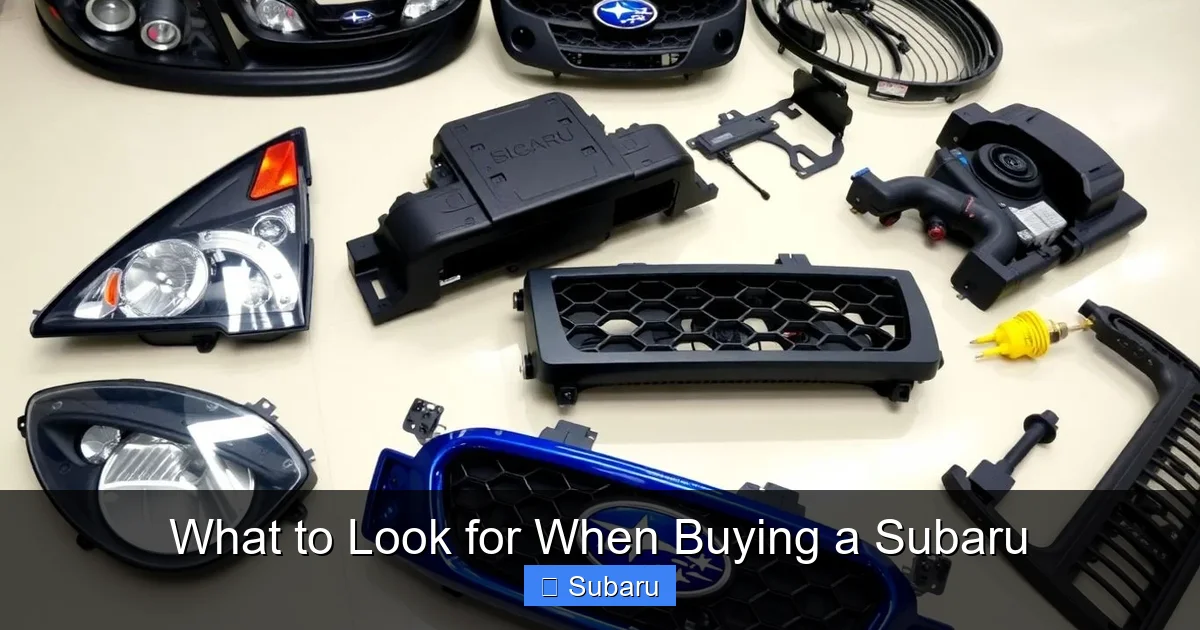
Before diving into specific models or features, it’s important to understand the engineering philosophy that sets Subaru apart. The brand’s identity is built around three key technologies: Symmetrical All-Wheel Drive, the Boxer engine, and the EyeSight safety system. These aren’t just marketing buzzwords—they’re the foundation of what makes Subaru vehicles perform so well in real-world conditions.
Symmetrical All-Wheel Drive: Traction You Can Trust
One of the first things you’ll notice about Subaru is that all-wheel drive isn’t optional—it’s standard. This isn’t just any AWD system; it’s called Symmetrical All-Wheel Drive, and it’s designed for balance, efficiency, and responsiveness. Unlike some competitors that use front-wheel-drive-based systems with rear-wheel assist, Subaru’s AWD is engineered from the ground up to send power evenly to all four wheels.
This symmetrical layout means the drivetrain runs straight through the center of the vehicle, reducing rotational mass and improving handling. Whether you’re accelerating out of a snowy intersection or taking a sharp corner on a wet road, the system continuously monitors wheel slip and adjusts torque distribution in real time. The result? Better grip, more confidence, and fewer surprises when the weather turns bad.
For example, if you live in a region with heavy snowfall or frequent rain, this system can be a game-changer. I once drove a used Outback through a sudden ice storm in the Pacific Northwest, and the AWD kept me stable and in control when other cars were sliding. It’s not magic—it’s smart engineering.
The Boxer Engine: Low, Smooth, and Balanced
Another hallmark of Subaru engineering is the Boxer engine. Unlike traditional inline or V-shaped engines, Subaru’s flat-four (and in some cases, flat-six) engines have horizontally opposed pistons that “punch” outward like a boxer’s fists. This design lowers the engine’s center of gravity, which improves vehicle stability and cornering ability.
The benefits go beyond handling. Boxer engines are also known for their smooth operation and reduced vibration. Because the pistons move in opposite directions, they naturally balance each other out, resulting in a quieter, more refined driving experience. This is especially noticeable at highway speeds or when idling in traffic.
However, there are a few things to keep in mind. Boxer engines can be more complex to service, particularly when it comes to timing belts and head gaskets. While modern Subarus have largely resolved past issues with head gasket failures, it’s still wise to check maintenance records—especially on older models like the 2000s-era Outback or Forester. Regular oil changes and timely belt replacements are essential to keeping these engines running strong.
EyeSight: Subaru’s Award-Winning Safety Suite
Safety is a top priority for Subaru, and it shows in their EyeSight driver-assist technology. Available on most models since 2013 and standard on nearly all new Subarus today, EyeSight uses a pair of cameras mounted near the rearview mirror to monitor the road ahead. It provides features like adaptive cruise control, pre-collision braking, lane departure warning, and lane keep assist.
EyeSight has earned high marks from organizations like the Insurance Institute for Highway Safety (IIHS), which has named multiple Subaru models as Top Safety Picks+. In real-world terms, this means the system can help prevent accidents—or at least reduce their severity. For instance, if you’re distracted and start to drift out of your lane, EyeSight will gently steer you back. If a car suddenly brakes ahead, it can apply the brakes for you.
One tip: make sure the EyeSight cameras are clean and unobstructed. Dirt, snow, or even a cracked windshield can interfere with the system’s performance. During a test drive, ask the dealer or seller to demonstrate the features so you can see them in action.
Choosing the Right Subaru Model for Your Needs
Visual guide about What to Look for When Buying a Subaru
Image source: subaru.ca
Subaru offers a diverse lineup that spans from compact crossovers to spacious SUVs. The right model for you depends on your lifestyle, budget, and driving habits. Let’s break down the most popular options and what to look for in each.
Compact and Versatile: Crosstrek and Impreza
If you’re looking for a small, fuel-efficient vehicle with SUV-like capability, the Crosstrek and Impreza are excellent choices. The Crosstrek is essentially a lifted, more rugged version of the Impreza hatchback, with extra ground clearance and standard AWD.
The Crosstrek is perfect for city dwellers who occasionally venture off the beaten path. It’s easy to park, gets great gas mileage (up to 33 mpg highway), and has a surprisingly roomy interior. The Impreza, on the other hand, is more of a traditional compact car—great for commuters who want a sportier feel without sacrificing practicality.
When evaluating these models, pay attention to the infotainment system. Older models (pre-2017) may have outdated touchscreens with slow response times. Newer versions come with Apple CarPlay and Android Auto, which make navigation and music much easier. Also, check the condition of the roof rails and cargo area—these are often used for bikes, kayaks, or camping gear.
Family-Friendly Midsize: Outback and Forester
For families or outdoor adventurers, the Outback and Forester are hard to beat. Both are based on the same platform but offer different strengths. The Outback is more car-like, with a smoother ride and better fuel economy, while the Forester is taller and more SUV-like, with easier access and better visibility.
The Outback shines as a long-distance cruiser. It’s quiet, comfortable, and packed with features like heated seats, a panoramic sunroof, and a large touchscreen. The Forester, meanwhile, is ideal for those who need maximum cargo space and easy entry/exit—especially for kids or elderly passengers.
When shopping for a used Outback or Forester, check the condition of the suspension and all-terrain tires. These vehicles are often driven on rough roads or unpaved trails, which can wear out shocks and struts faster than usual. Also, inspect the rear cargo area for signs of water leakage—older models had occasional issues with tailgate seals.
Three-Row Capability: Ascent
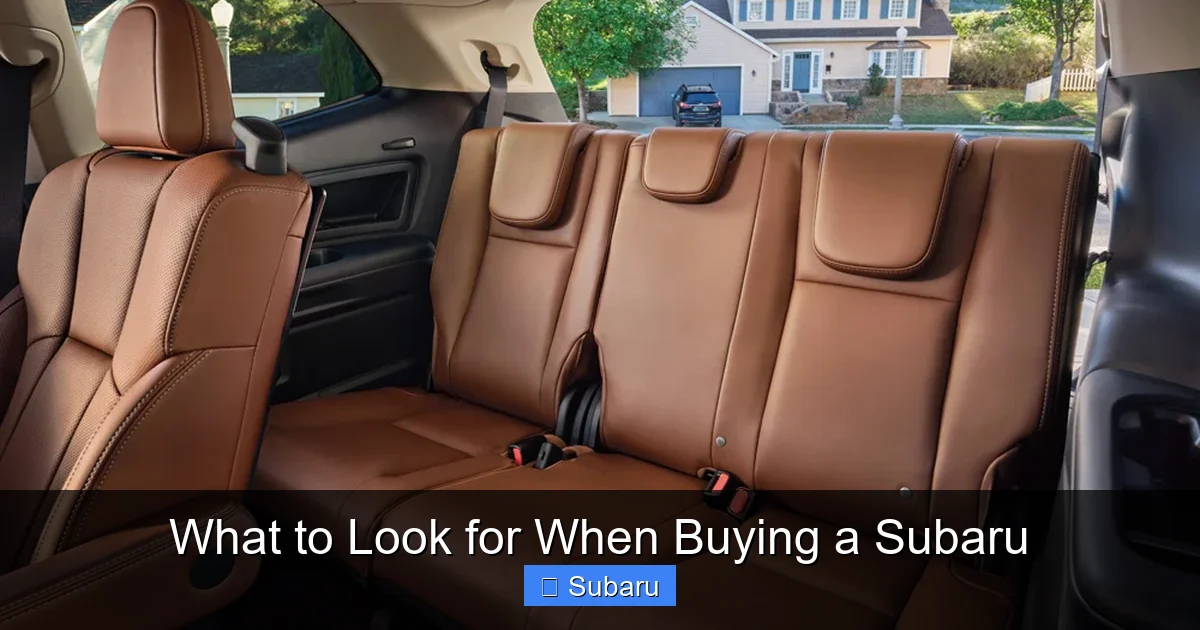
If you need to seat seven or eight passengers, the Ascent is Subaru’s answer. As the brand’s largest SUV, it offers three rows of seating, ample cargo space, and all the safety and AWD features you expect. It’s a great alternative to larger SUVs from Toyota or Honda, with a more car-like driving feel.
One thing to note: the Ascent’s third row is best suited for children or short trips. Adults may find it cramped, especially on long drives. But for school carpools, weekend trips, or family vacations, it’s a solid choice.
When evaluating an Ascent, pay close attention to the transmission. Early models (2019–2020) had some reported issues with the continuously variable transmission (CVT), including hesitation and jerking. Subaru has since made improvements, but it’s worth test-driving the vehicle under various conditions—especially when merging onto highways or climbing hills.
Evaluating Trim Levels and Features

Visual guide about What to Look for When Buying a Subaru
Image source: i.redd.it
Subaru offers multiple trim levels for each model, ranging from basic to fully loaded. Understanding the differences can help you avoid overpaying for features you don’t need—or missing out on ones you’ll love.
For example, the base trim of a Forester might come with cloth seats, a 6.5-inch touchscreen, and manual climate control. Step up to the Premium trim, and you’ll get heated front seats, a power driver’s seat, and a larger 8-inch display. The Limited and Touring trims add leather upholstery, a premium sound system, and advanced safety features like blind-spot monitoring and rear cross-traffic alert.
When comparing trims, make a list of your must-have features. Do you need heated seats for cold winters? Is a sunroof important? Do you want wireless phone charging? Prioritizing these will help you narrow down your options.
Also, consider future resale value. Higher trims with popular features tend to hold their value better. A well-equipped Outback Limited, for instance, may retain more of its worth over time than a base model.
Buying New vs. Used: What to Consider
Deciding between a new and used Subaru depends on your budget, preferences, and risk tolerance. Both options have pros and cons.
Advantages of Buying New
Buying new gives you the latest technology, full warranty coverage, and the peace of mind that comes with a vehicle that’s never been driven by someone else. You’ll also have access to current incentives, such as low APR financing or cash rebates.
New Subarus come with a 3-year/36,000-mile basic warranty and a 5-year/60,000-mile powertrain warranty. Some models also include complimentary maintenance for the first year. Plus, you can customize your vehicle with the exact color, trim, and options you want.
Benefits of Buying Used
Used Subarus offer significant savings. A two- or three-year-old model can cost 20–30% less than a new one, while still offering many of the same features. Certified Pre-Owned (CPO) vehicles are especially attractive—they’ve been inspected, refurbished, and come with an extended warranty (typically 7 years/100,000 miles from the original in-service date).
When shopping used, always get a vehicle history report (like Carfax or AutoCheck) to check for accidents, title issues, or odometer discrepancies. Also, have a trusted mechanic perform a pre-purchase inspection. They can spot potential problems with the engine, transmission, or suspension that aren’t obvious during a test drive.
One tip: look for Subarus with complete service records. Regular oil changes every 6,000 miles, timing belt replacements at 100,000 miles (if applicable), and brake inspections are signs of a well-cared-for vehicle.
Test Driving and Final Inspection Tips
A test drive is your chance to see how a Subaru feels on the road. Don’t rush it—take your time and try to simulate your typical driving conditions.
Start by checking the basics: seat comfort, visibility, and ease of use for controls. Adjust the seat, steering wheel, and mirrors to fit your body. Make sure the infotainment system responds quickly and that climate controls are intuitive.
Then, take the car on a variety of roads. Drive on highways, city streets, and, if possible, gravel or dirt roads. Pay attention to how the AWD system handles slippery or uneven surfaces. Listen for unusual noises—rattles, squeaks, or engine knocks—that could indicate problems.
Test the EyeSight system by enabling adaptive cruise control and lane keep assist. See how smoothly the car brakes and steers. If the system disengages frequently or behaves erratically, it could signal a calibration issue.
Finally, inspect the exterior and interior for signs of wear. Check tire tread depth, brake pad thickness, and fluid levels. Look for rust, especially around wheel wells and undercarriage—common trouble spots for older Subarus.
Conclusion: Making the Smart Subaru Choice
Buying a Subaru is a smart move if you value safety, reliability, and all-weather capability. But to get the most out of your purchase, it’s essential to know what to look for when buying a Subaru. From understanding the brand’s core technologies to evaluating models, trims, and condition, every step matters.
Remember: AWD is standard, but not all Subarus are created equal. Take the time to compare features, test drive multiple vehicles, and inspect maintenance records. Whether you choose a new Crosstrek for weekend adventures or a used Outback for daily commuting, a well-informed decision will pay off in the long run.
With the right knowledge and a little patience, you’ll find a Subaru that fits your life—and keeps you safe, comfortable, and confident on every mile ahead.
Frequently Asked Questions
Is all-wheel drive standard on all Subaru models?
Yes, all-wheel drive is standard on nearly every Subaru model, including the Impreza, Crosstrek, Forester, Outback, and Ascent. The only exception is the rear-wheel-drive BRZ sports car.
How often should I change the oil in my Subaru?
Subaru recommends oil changes every 6,000 miles or 6 months, whichever comes first, for most models. Using synthetic oil can help extend engine life and performance.
What is the typical lifespan of a Subaru engine?
With proper maintenance, a Subaru Boxer engine can last 200,000 miles or more. Regular oil changes, timely timing belt replacements, and addressing leaks early are key to longevity.
Are Subaru CPO vehicles worth the extra cost?
Yes, Subaru Certified Pre-Owned vehicles undergo a 152-point inspection, come with a 7-year/100,000-mile warranty, and often include roadside assistance—making them a reliable and cost-effective choice.
Do all Subarus come with EyeSight?
EyeSight is standard on most new Subaru models and available on many used ones from 2013 onward. Always confirm the feature is present and functional before buying.
Which Subaru model is best for towing?
The Subaru Ascent has the highest towing capacity at 5,000 pounds when properly equipped. The Outback and Forester can tow up to 2,700 and 1,500 pounds, respectively.
