
What to Do When Your Car Overheats

When your car overheats, acting quickly and calmly is essential to avoid serious engine damage. This guide walks you through immediate steps, common causes, and long-term prevention to keep your vehicle running smoothly.
Key Takeaways
- Pull over safely: As soon as you notice the temperature gauge rising, find a safe place to stop and turn off the engine.
- Never open a hot radiator cap: Wait at least 15–20 minutes for the engine to cool before checking coolant levels.
- Turn on the heater: This helps draw heat away from the engine and can temporarily reduce overheating.
- Check for leaks or low coolant: Coolant loss is one of the most common causes of overheating.
- Use water in an emergency: If you’re out of coolant, plain water can be used temporarily to cool the system.
- Call for help if needed: If you can’t resolve the issue safely, contact roadside assistance or a tow truck.
- Prevent future issues: Regular maintenance, including coolant flushes and radiator inspections, reduces overheating risks.
📑 Table of Contents
- What to Do When Your Car Overheats: A Step-by-Step Survival Guide
- Step 1: Recognize the Warning Signs
- Step 2: Pull Over Safely and Turn Off the Engine
- Step 3: Let the Engine Cool Down
- Step 4: Diagnose the Problem
- Step 5: Take Immediate Action (If Safe)
- Step 6: Call for Help When Needed
- Common Causes of Car Overheating
- How to Prevent Your Car from Overheating
- What Not to Do When Your Car Overheats
- Conclusion: Stay Cool Under Pressure
What to Do When Your Car Overheats: A Step-by-Step Survival Guide
Picture this: You’re cruising down the highway on a hot summer afternoon, windows down, music playing. Suddenly, you notice the temperature gauge creeping into the red zone. Your dashboard warning light flashes—your car is overheating. Panic starts to set in. But don’t worry. Overheating is a common issue, and knowing what to do can save your engine from serious damage—and possibly even prevent a dangerous situation on the road.
Overheating happens when your engine gets too hot and the cooling system can’t keep up. This can be caused by anything from a simple coolant leak to a failing water pump. The good news? Most overheating incidents can be managed safely if you know the right steps to take. In this guide, we’ll walk you through exactly what to do when your car overheats—from immediate actions to long-term prevention. Whether you’re a new driver or a seasoned road warrior, this information could save you time, money, and stress.
Step 1: Recognize the Warning Signs
Before your car fully overheats, it usually gives you subtle (and sometimes not-so-subtle) clues. Learning to recognize these early warning signs can help you act before things get worse.
Dashboard Warning Lights
The most obvious sign is the temperature warning light—often shaped like a thermometer or labeled “TEMP.” If this light comes on, it means your engine is running hotter than normal. Don’t ignore it. Even if the engine doesn’t seem extremely hot yet, the warning light is your car’s way of saying, “Hey, something’s wrong!”
Visual guide about What to Do When Your Car Overheats
Image source: aceautoutah.com
Steam or Smoke from the Hood
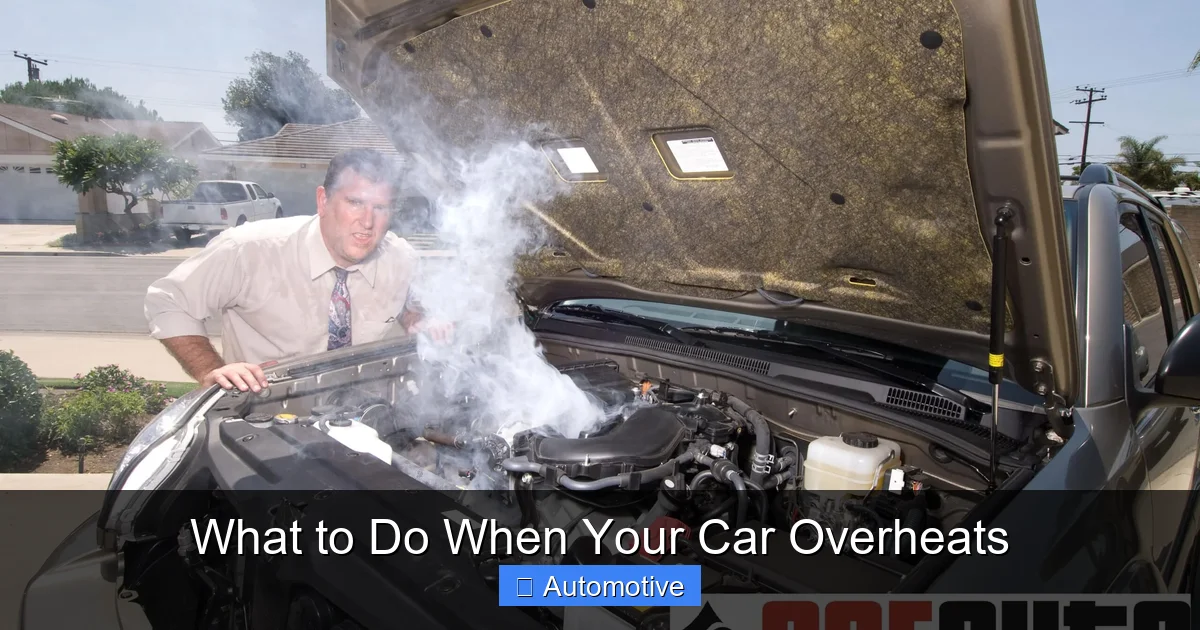
If you see steam or smoke billowing from under the hood, that’s a red flag. Steam usually means coolant is boiling and escaping, while smoke could indicate oil or other fluids burning due to excessive heat. Either way, pull over immediately.
Unusual Smells
A sweet, syrupy smell often signals a coolant leak. If you notice this odor, especially when the engine is running, it could mean your radiator or hoses are damaged. A burning smell, on the other hand, might point to overheated belts or electrical issues.
Loss of Power or Strange Noises
An overheating engine may struggle to accelerate or make knocking, pinging, or hissing sounds. These noises can indicate internal stress or steam buildup. If your car feels sluggish or sounds off, it’s time to investigate.
Rising Temperature Gauge
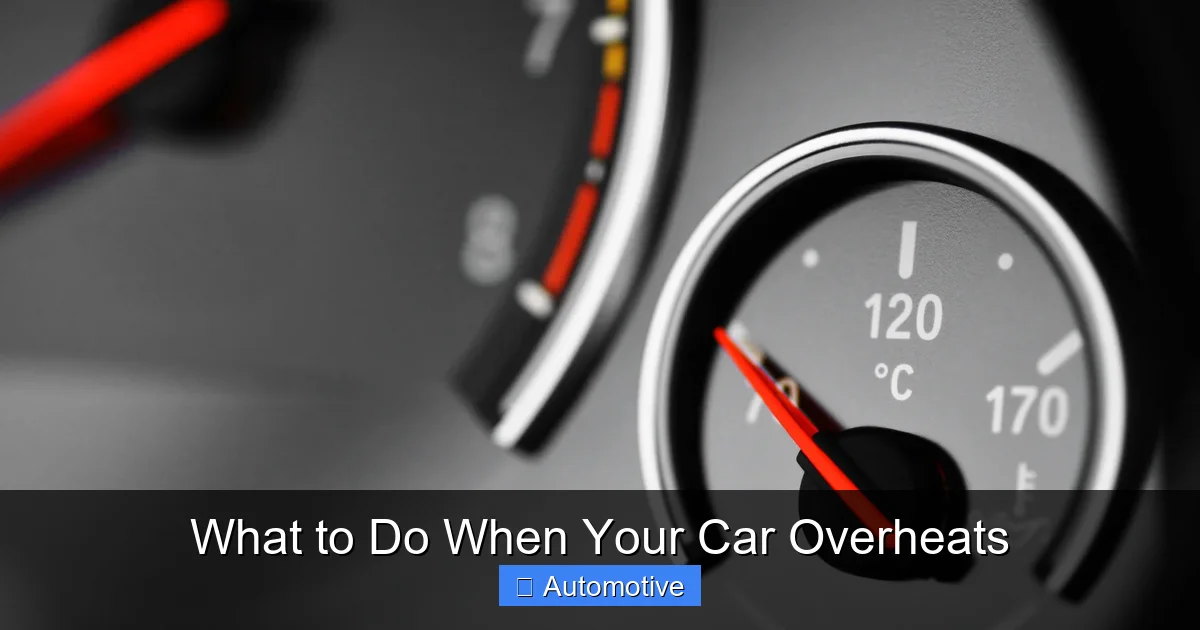
Keep an eye on your dashboard gauge. If the needle moves into the red zone or higher than the normal range (usually around the middle), your engine is overheating. Don’t wait for other symptoms—act right away.
Step 2: Pull Over Safely and Turn Off the Engine
When you notice any of the signs above, your first priority is safety. Here’s how to respond:
Find a Safe Spot to Stop
Signal and carefully move to the shoulder of the road, a parking lot, or any safe area away from traffic. Avoid stopping on curves, hills, or narrow roads where other drivers can’t see you. If you’re on a highway, try to exit at the next ramp or rest area.
Visual guide about What to Do When Your Car Overheats
Image source: thegarageba.com
Turn Off the Engine
Once you’re safely stopped, turn off the engine immediately. Continuing to run a hot engine can cause severe damage, including warped cylinder heads or a blown head gasket. Letting it cool is the most important step.
Turn on Hazard Lights
Activate your hazard lights to alert other drivers. This is especially important if you’re on a busy road or in low visibility conditions. It gives you time to assess the situation without worrying about being hit.
Stay Inside if It’s Unsafe
If you’re on a busy highway or in bad weather, it may be safer to stay in the car with your seatbelt on while you call for help. Only exit the vehicle if you’re in a secure location, like a parking lot.
Step 3: Let the Engine Cool Down
This step is critical—and often misunderstood. Many people make the mistake of opening the hood or radiator cap too soon, which can lead to serious injury.
Wait at Least 15–20 Minutes
Even after turning off the engine, the internal components remain extremely hot. Opening the hood too soon can release steam or hot coolant, causing burns. Give it time—15 to 20 minutes is a good rule of thumb. You can speed up cooling slightly by opening the windows and turning on the interior fan.
Visual guide about What to Do When Your Car Overheats
Image source: massiveinsurance.com
Open the Hood Carefully
After waiting, open the hood slowly. Stand to the side in case any steam or pressure escapes. Use a rag or glove to protect your hands. Never lean directly over the engine bay.
Do Not Open the Radiator Cap Yet
Even if the engine feels cooler, the radiator may still be under pressure. Opening the cap too soon can cause a sudden release of hot coolant, leading to severe burns. Wait until the engine is completely cool—sometimes up to an hour—before attempting to check or refill coolant.
Step 4: Diagnose the Problem
Once the engine has cooled, you can begin investigating what caused the overheating. This will help you decide whether you can fix it yourself or need professional help.
Check Coolant Level
Locate the coolant reservoir (usually a translucent plastic tank near the radiator). Check the level against the “MIN” and “MAX” markings. If it’s below the minimum, you likely have a coolant leak or low fluid.
Inspect for Leaks
Look under the car for puddles of green, orange, or pink fluid—these are signs of coolant leaks. Also check around the radiator, hoses, water pump, and radiator cap for cracks, drips, or wet spots.
Examine Belts and Hoses
Check the serpentine belt and coolant hoses for cracks, fraying, or looseness. A broken belt can disable the water pump, which circulates coolant. A collapsed or leaking hose can restrict flow and cause overheating.
Look at the Radiator Fan
The radiator fan should turn on when the engine gets hot. If it’s not running, it could be due to a faulty fan motor, relay, or temperature sensor. You can test this by turning on the A/C—the fan should activate.
Check the Thermostat
The thermostat regulates coolant flow. If it’s stuck closed, coolant can’t circulate, leading to overheating. This usually requires a mechanic to diagnose and replace.
Listen for Unusual Sounds
If you hear grinding or whining from the water pump area, it may be failing. A bad water pump won’t circulate coolant properly, causing the engine to overheat.
Step 5: Take Immediate Action (If Safe)
If you’ve identified a simple issue and feel confident handling it, you may be able to get back on the road—temporarily.
Add Coolant or Water
If the coolant level is low and there’s no major leak, you can top it off. Use the correct type of coolant for your vehicle (check your owner’s manual). If you don’t have coolant, plain water can be used in an emergency—just remember to flush and replace it later.
Never Use Cold Water on a Hot Engine
Adding cold water to a hot radiator can cause thermal shock, cracking the engine block or radiator. Always wait for the engine to cool completely before adding any fluid.
Turn On the Heater
While waiting for help or before attempting to drive, turn the heater to the highest setting and the fan to max. This draws heat away from the engine and helps cool it down faster. It may feel uncomfortable inside the car, but it’s a proven trick used by mechanics.
Try a Temporary Fix
If you have a spare belt or hose clamp, you might be able to make a temporary repair. For example, a loose hose can sometimes be tightened with a clamp. However, these are stopgap solutions—don’t rely on them for long drives.
Do Not Drive If the Engine Is Still Hot
Even if you’ve added coolant, don’t start the engine unless it’s fully cool. Running a hot engine can cause irreversible damage. If the temperature gauge rises again after starting, turn it off immediately.
Step 6: Call for Help When Needed
Sometimes, the problem is beyond a quick fix. In those cases, it’s best to call for professional assistance.
Use Roadside Assistance
If you have a service like AAA, your insurance’s roadside help, or a manufacturer’s emergency program, call them. They can send a tow truck or a technician to help on-site.
Call a Tow Truck
If you don’t have roadside assistance, call a local towing service. Explain that your car overheated and may need a mechanic. Avoid driving the car unless absolutely necessary—towing is safer and cheaper than engine repairs.
Contact a Mechanic
Even if you get the car started, have it inspected by a professional. Overheating can cause hidden damage, like a warped head or damaged gaskets, that may not show up right away.
Stay Calm and Communicate Clearly
When calling for help, stay calm and provide clear details: your location, the car’s make and model, and what happened. This helps responders prepare the right tools and parts.
Common Causes of Car Overheating
Understanding why your car overheats can help you prevent it in the future. Here are the most common culprits:
Low Coolant Level
Coolant (also called antifreeze) absorbs heat from the engine and releases it through the radiator. If levels are low—due to leaks, evaporation, or neglect—the system can’t cool properly.
Coolant Leaks
Leaks can occur in the radiator, hoses, water pump, heater core, or radiator cap. Even a small leak can lead to overheating over time. Regular inspections can catch these early.
Faulty Thermostat
The thermostat opens and closes to regulate coolant flow. If it gets stuck closed, coolant can’t reach the radiator, causing the engine to overheat. A stuck-open thermostat can also cause issues, but usually results in poor heating, not overheating.
Radiator Problems
A clogged or damaged radiator can’t dissipate heat effectively. Dirt, debris, or internal corrosion can block coolant flow. Flushing the radiator periodically helps prevent this.
Water Pump Failure
The water pump circulates coolant through the engine and radiator. If it fails—due to a broken impeller, worn bearings, or a leaking seal—coolant stops flowing, leading to overheating.
Broken Serpentine Belt
This belt drives the water pump, alternator, and other components. If it snaps, the water pump stops working, and the engine overheats quickly.
Radiator Fan Issues
The fan pulls air through the radiator to cool the coolant. If the fan motor, relay, or sensor fails, airflow drops, especially at low speeds or idle.
Head Gasket Failure
A blown head gasket can allow combustion gases to enter the cooling system, causing overheating and white smoke from the exhaust. This is a serious issue that requires immediate repair.
How to Prevent Your Car from Overheating
The best way to handle overheating is to stop it before it starts. Regular maintenance and smart driving habits can go a long way.
Check Coolant Regularly
Inspect the coolant level every month and top it off if needed. Use the correct coolant mix (usually 50/50 coolant and water) and never overfill.
Follow the Maintenance Schedule
Your owner’s manual outlines when to flush the coolant, replace the thermostat, and inspect belts and hoses. Stick to this schedule to avoid surprises.
Inspect Belts and Hoses
Look for cracks, fraying, or soft spots in belts and hoses. Replace them every 60,000 to 100,000 miles or as recommended.
Keep the Radiator Clean
Debris like leaves, bugs, and dirt can block airflow. Clean the radiator fins gently with a soft brush or compressed air.
Monitor the Temperature Gauge
Get in the habit of glancing at your dashboard. If the needle moves out of the normal range, investigate immediately.
Avoid Overloading or Towing in Heat
Heavy loads and high temperatures increase engine stress. If you must tow or drive in hot weather, take frequent breaks and monitor the temperature closely.
Use the Right Coolant
Different cars require different types of coolant (e.g., Dexcool, OAT, HOAT). Using the wrong kind can cause corrosion or sludge buildup.
Install a Coolant Overflow Tank
If your car doesn’t have one, consider adding a coolant overflow (recovery) tank. It helps maintain proper coolant levels and prevents loss due to expansion.
What Not to Do When Your Car Overheats
Knowing what to avoid is just as important as knowing what to do. Here are common mistakes that can make things worse:
Don’t Open the Radiator Cap When Hot
As mentioned earlier, this can cause severe burns from steam or boiling coolant. Always wait for the engine to cool.
Don’t Pour Cold Water on a Hot Engine
Sudden temperature changes can crack engine components. Let the engine cool naturally.
Don’t Keep Driving
Pushing your car to the next town or gas station can destroy the engine. Pull over and call for help.
Don’t Ignore Warning Lights
Treating a temperature warning like a minor issue can lead to costly repairs. Always take it seriously.
Don’t Use Tap Water Long-Term
While water can be used in emergencies, it contains minerals that can corrode the cooling system. Replace it with proper coolant as soon as possible.
Conclusion: Stay Cool Under Pressure
Overheating is one of the most stressful things that can happen while driving, but it doesn’t have to be a disaster. By staying calm, acting quickly, and following the steps in this guide, you can protect your engine and stay safe on the road. Remember: pull over, turn off the engine, let it cool, and assess the situation. When in doubt, call for help.
Prevention is your best defense. Regular maintenance, checking fluids, and paying attention to warning signs can stop overheating before it starts. And if it does happen, knowing what to do can save you hundreds—or even thousands—in repair bills.
So the next time you see that temperature light flicker, don’t panic. You’ve got this. Stay safe, stay informed, and keep your cool—even when your car can’t.
Frequently Asked Questions
Can I drive my car after it overheats?
Only if the engine has fully cooled and the coolant level is normal. Even then, drive cautiously and monitor the temperature gauge. If it rises again, stop immediately and call for help.
How long should I wait before opening the radiator cap?
Wait at least 15–20 minutes after turning off the engine, and only open the cap when the engine is completely cool. Opening it too soon can cause serious burns from steam or hot coolant.
Can I use water instead of coolant?
Yes, in an emergency, plain water can be used to cool the system temporarily. However, replace it with the correct coolant as soon as possible to prevent corrosion and freezing.
Why does my car overheat when idling?
This often points to a faulty radiator fan, low coolant, or a clogged radiator. At idle, there’s less airflow, so the fan must work harder to cool the engine.
How much does it cost to fix an overheating car?
Costs vary widely—from $100 for a new thermostat to $1,500+ for a head gasket repair. Simple fixes like coolant top-offs are cheap, but internal damage can be expensive.
Can a bad thermostat cause overheating?
Yes. If the thermostat gets stuck closed, it blocks coolant flow, causing the engine to overheat quickly. Replacing it is usually a straightforward repair.