
What to Do When Your Car Overheats and Shuts Off

When your car overheats and shuts off, pull over safely, turn off the engine, and let it cool before checking coolant levels. Never open a hot radiator cap—wait at least 30 minutes. Understanding common causes like leaks, faulty thermostats, or low coolant can help prevent future breakdowns.
Key Takeaways
- Pull over immediately: If your temperature gauge spikes or steam rises, find a safe spot to stop and turn off the engine to prevent severe engine damage.
- Never open a hot radiator: Opening the radiator cap while the engine is hot can cause dangerous steam or coolant spray—wait until the engine cools completely.
- Check coolant levels carefully: Once cooled, inspect the coolant reservoir and radiator (if safe) for low or dirty fluid, which may signal a leak or contamination.
- Turn on the heater: While waiting for help, turning the heater to full blast can help draw heat away from the engine and slightly reduce overheating.
- Call for roadside assistance: If you’re unsure of the cause or can’t safely add coolant, call a tow truck or professional mechanic instead of risking further damage.
- Prevent future overheating: Regular maintenance—like coolant flushes, radiator inspections, and belt checks—can stop overheating before it starts.
- Know the warning signs: Watch for dashboard warnings, sweet smells, or bubbling sounds, which often appear before the engine shuts down.
📑 Table of Contents
What to Do When Your Car Overheats and Shuts Off
Picture this: You’re cruising down the highway on a hot summer day, windows down, music playing—then suddenly, your dashboard lights up like a Christmas tree. The temperature gauge shoots into the red, steam starts puffing from under the hood, and before you know it, your car sputters and shuts off completely. Your heart races. You’re stranded. What now?
Overheating is one of the most stressful and potentially damaging situations a driver can face. When your car overheats and shuts off, it’s not just an inconvenience—it’s a red flag that something serious is happening under the hood. Ignoring it can lead to warped cylinder heads, blown gaskets, or even a completely ruined engine. But the good news? Knowing exactly what to do in that moment can save you thousands in repairs and keep you safe on the road.
In this guide, we’ll walk you through every step you should take when your car overheats and shuts off—from immediate actions to long-term prevention. Whether you’re a seasoned driver or a new car owner, understanding how to respond calmly and correctly can make all the difference. We’ll cover the warning signs, what’s likely causing the problem, how to safely assess the situation, and when to call for help. Let’s get you back on the road—safely.
Step-by-Step: What to Do Right After Your Car Overheats and Shuts Off
1. Pull Over Safely—Immediately
The very first thing you should do when your car overheats is to pull over as quickly and safely as possible. Don’t try to “make it to the next exit” or “drive just a few more miles.” Every second your engine runs while overheating increases the risk of catastrophic damage.
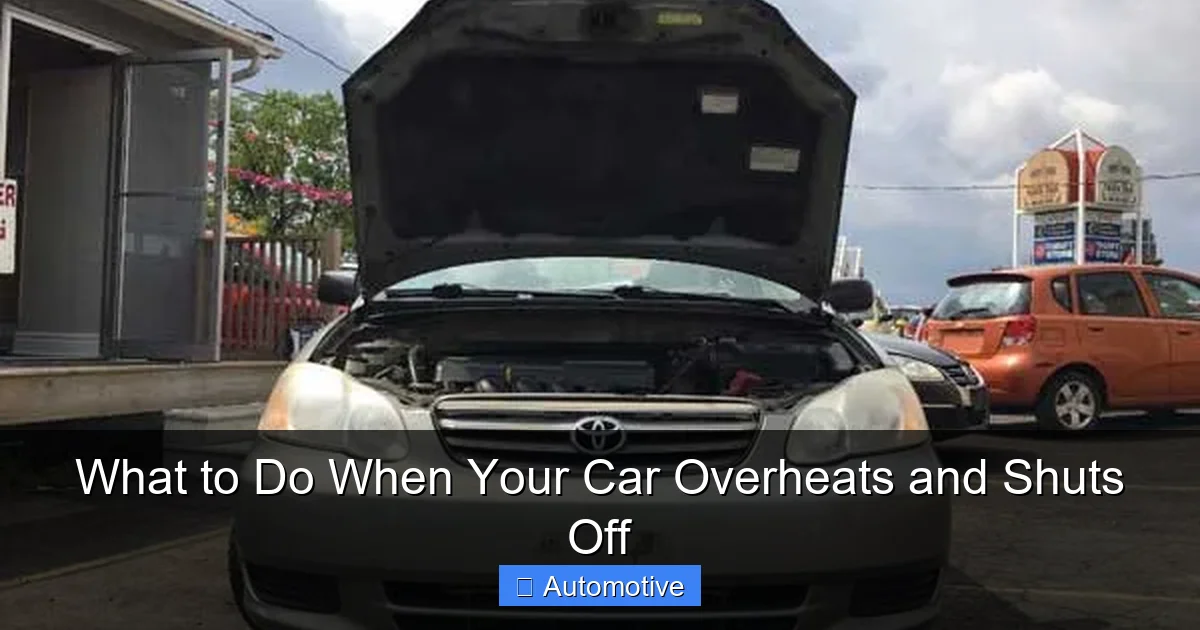
Visual guide about What to Do When Your Car Overheats and Shuts Off
Image source: carproblemsolved.com
Turn on your hazard lights to alert other drivers. If you’re on a highway, try to steer toward the shoulder or an emergency lane. Avoid stopping in the middle of traffic. Once you’re safely off the road, shift into park (or neutral if it’s a manual) and turn off the engine completely.
Why is this so important? Your engine relies on coolant and oil to regulate temperature. When those systems fail, internal components can reach temperatures over 250°F—hot enough to warp metal. Continuing to drive can melt pistons, crack engine blocks, or destroy head gaskets. Pulling over isn’t just smart—it’s essential.
2. Let the Engine Cool Down
Once the engine is off, resist the urge to pop the hood right away. The engine and radiator are extremely hot, and opening the hood too soon can expose you to scalding steam or coolant. Wait at least 20 to 30 minutes before doing anything under the hood.
Use this time to stay safe and assess your surroundings. If you’re on a busy road, stay inside the car with your seatbelt on until it’s safe to exit. If you must get out, do so on the side away from traffic and stand a safe distance from the vehicle.
While waiting, you can take a few proactive steps. Turn the key to the “on” position (without starting the engine) and blast the heater to maximum heat. This helps draw heat away from the engine and may slightly reduce internal temperatures. It won’t fix the problem, but it can help a little.
3. Check Coolant Levels—Carefully
After the engine has cooled, it’s time to investigate. Start by checking the coolant reservoir—a translucent plastic tank usually located near the radiator. Most have “min” and “max” markings. If the coolant is below the “min” line, that’s a strong sign of low coolant, which is a common cause of overheating.
If the reservoir is empty or very low, you may have a leak. Look around the engine bay for puddles, stains, or wet spots. Common leak points include hoses, the radiator, the water pump, or the radiator cap itself. If you see coolant on the ground or dripping, do not attempt to drive the car—even with added coolant. A leak means the system can’t hold pressure, and driving could worsen the damage.
If the reservoir is full but the engine still overheated, the issue might be elsewhere—like a faulty thermostat, water pump, or clogged radiator. In that case, adding coolant won’t solve the root problem.
4. Add Coolant—If Safe and Possible
If the coolant is low and you have a bottle of the correct type (check your owner’s manual), you can carefully add more. Use a funnel to avoid spills, and only fill to the “max” line. Never overfill.
Important: Never open the radiator cap while the engine is hot. The cooling system is pressurized, and removing the cap can cause a sudden release of steam and boiling coolant, leading to severe burns. Only remove the cap once the engine is completely cool—usually after 30 minutes or more.
If you’re unsure about the coolant type, use a universal or pre-mixed coolant labeled “safe for all makes and models.” Avoid mixing different colors or types unless specified by the manufacturer, as this can cause chemical reactions that damage the system.
5. Attempt a Short Test Drive—With Caution
After adding coolant, you might be tempted to restart the engine and drive home. But proceed with extreme caution. Start the car and let it idle for a few minutes. Watch the temperature gauge closely. If it starts climbing again, shut it off immediately—don’t risk it.
If the temperature stays normal, you can try driving a short distance—no more than a few miles—to the nearest repair shop. Keep the heater on high and monitor the gauge constantly. If the needle moves toward the red, pull over and call for help.
Remember: Even if the car seems fine, there could be hidden damage. A professional inspection is strongly recommended after any overheating incident.
Common Causes of Car Overheating
Low or Contaminated Coolant
Coolant, also known as antifreeze, is the lifeblood of your engine’s cooling system. It absorbs heat from the engine and transfers it to the radiator, where it’s released into the air. If your coolant level is low—due to evaporation, leaks, or neglect—the system can’t do its job, and the engine overheats.
Visual guide about What to Do When Your Car Overheats and Shuts Off
Image source: carproblemsolved.com
But it’s not just about quantity. Coolant also degrades over time. Old coolant loses its ability to transfer heat and can become acidic, eating away at rubber hoses and metal components. Most manufacturers recommend a coolant flush every 30,000 to 50,000 miles, or every 2 to 5 years, depending on the type.
Signs of bad coolant include a rusty or sludgy appearance, a sweet smell (from ethylene glycol), or visible debris in the reservoir. If your coolant looks dirty or smells off, it’s time for a flush.
Cooling System Leaks
Leaks are one of the most common reasons for overheating. They can occur anywhere in the system: radiator, hoses, water pump, thermostat housing, or even the heater core. Even a small leak can cause a slow coolant loss that goes unnoticed until it’s too late.
Look for signs like puddles under your car (green, orange, or pink fluid), white residue around hose connections, or a sweet smell inside the cabin (which could indicate a heater core leak). If you notice any of these, have your car inspected immediately.
Some leaks are easy to fix—like replacing a cracked hose. Others, like a leaking radiator or water pump, may require professional repair or replacement.
Faulty Thermostat
The thermostat is a small but critical component that regulates coolant flow. When the engine is cold, it stays closed, allowing the engine to warm up quickly. Once the engine reaches operating temperature, it opens to let coolant circulate.
If the thermostat gets stuck closed, coolant can’t flow to the radiator, and the engine overheats—even if the coolant level is fine. If it’s stuck open, the engine may take too long to warm up, reducing fuel efficiency and increasing emissions.
Symptoms of a bad thermostat include erratic temperature readings, overheating at idle, or the engine never reaching normal temperature. Replacing a thermostat is usually inexpensive and can be done in under an hour by a mechanic.
Failed Water Pump
The water pump circulates coolant through the engine and radiator. If it fails—due to a broken impeller, worn bearings, or a leaking seal—coolant stops flowing, and the engine quickly overheats.
Signs of a failing water pump include coolant leaks near the front of the engine, a whining or grinding noise from the pump area, or steam coming from the front of the car. In many vehicles, the water pump is driven by the timing belt, so it’s often replaced during a timing belt service.
Ignoring a bad water pump can lead to complete engine failure. If you suspect a pump issue, get it checked right away.
Clogged or Damaged Radiator
The radiator is where coolant releases heat to the air. Over time, it can become clogged with debris, rust, or sediment, reducing its efficiency. A damaged radiator—from a collision or corrosion—can also leak or restrict coolant flow.
Signs include overheating at highway speeds (when airflow should be best), coolant leaks, or visible damage to the radiator fins. A radiator flush can sometimes clear minor clogs, but severe damage usually requires replacement.
Broken Cooling Fan
The cooling fan pulls air through the radiator when the car is idling or moving slowly. If the fan isn’t working—due to a blown fuse, faulty relay, or broken motor—the radiator can’t cool the coolant effectively, especially in traffic.
Listen for the fan kicking on when the engine is hot. If it doesn’t, check the fuses and relays first. If those are fine, the fan motor or sensor may need replacement.
When to Call for Help
You Can’t Safely Add Coolant
If you’re not comfortable checking or adding coolant, or if you see a major leak, don’t risk it. Call roadside assistance or a tow truck. It’s better to pay for a tow than to cause thousands in engine damage.
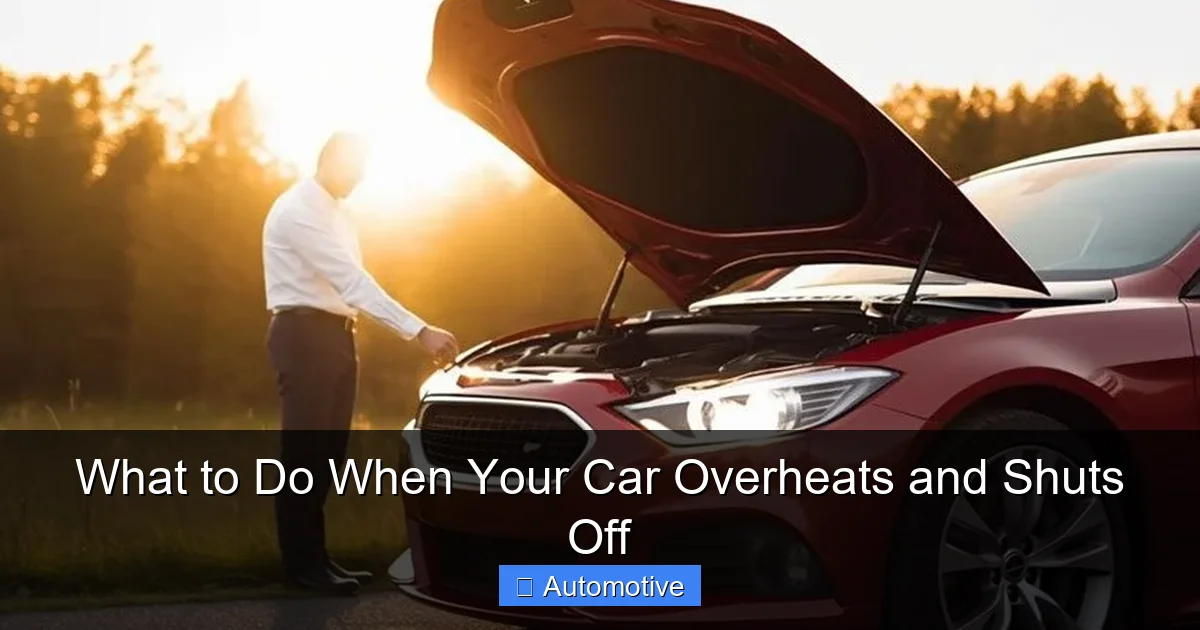
Visual guide about What to Do When Your Car Overheats and Shuts Off
Image source: carproblemsolved.com
The Engine Smokes or Makes Loud Noises
White smoke, loud knocking, or grinding sounds after overheating could indicate serious internal damage. In these cases, driving the car—even a short distance—can make things worse. Have it towed to a repair shop.
You’re on a Dangerous Road
If you’re stranded on a busy highway, in bad weather, or in an unsafe area, stay in your car with the doors locked and call for help. Your safety comes first.
You’ve Overheated Before
If your car has overheated multiple times, there’s likely an underlying issue that hasn’t been fixed. Continuing to drive increases the risk of engine failure. Get a full diagnostic inspection.
How to Prevent Your Car from Overheating
Regular Maintenance Is Key
The best way to avoid overheating is through routine maintenance. Follow your owner’s manual for coolant flushes, radiator inspections, and belt replacements. Most cars need a coolant change every 30,000 to 50,000 miles.
Also, inspect hoses and belts regularly. Cracked, swollen, or brittle hoses can burst under pressure. Loose or worn belts can cause the water pump or fan to fail.
Check Coolant Levels Monthly
Make it a habit to check your coolant reservoir every month. Top it off if needed, but investigate if you’re constantly adding coolant—this could signal a leak.
Watch the Temperature Gauge
Don’t ignore the temperature gauge. If it starts creeping into the red, pull over immediately. Early action can prevent major damage.
Use the Right Coolant
Always use the coolant type recommended by your manufacturer. Mixing types can cause corrosion or clogging. If you’re unsure, ask a mechanic or check the owner’s manual.
Park in the Shade in Hot Weather
On extremely hot days, parking in the shade or using a sunshade can reduce engine temperature and strain on the cooling system.
Conclusion
When your car overheats and shuts off, it’s a serious warning that demands immediate attention. But with the right knowledge, you can respond calmly and effectively. Pull over safely, let the engine cool, check coolant levels, and avoid opening a hot radiator. If you’re unsure, call for help—don’t risk your safety or your engine.
Understanding the common causes—like low coolant, leaks, or a faulty thermostat—can help you prevent future breakdowns. Regular maintenance, monthly checks, and using the right fluids are your best defenses against overheating.
Remember, your car is a complex machine, and the cooling system is vital to its survival. Treat it with care, and it will take you where you need to go—safely and reliably. Stay cool, stay informed, and drive smart.
Frequently Asked Questions
Can I drive my car after it overheats?
Only if the temperature gauge returns to normal and you’ve added coolant safely. Even then, drive cautiously and get it inspected as soon as possible. Driving with unresolved overheating can cause severe engine damage.
Why does my car overheat when idling but not while driving?
This often points to a cooling fan issue. At higher speeds, airflow cools the radiator naturally, but at idle, the fan must do the work. If the fan isn’t running, the engine overheats in traffic or when stopped.
How long should I wait before opening the radiator cap?
Wait at least 20 to 30 minutes after turning off the engine. The system remains pressurized and extremely hot. Opening it too soon can cause dangerous steam or coolant spray.
Can low oil cause overheating?
Yes. Oil helps lubricate and cool engine components. Low or dirty oil increases friction and heat, which can contribute to overheating—especially in high-mileage engines.
Is it safe to use water instead of coolant?
Only in emergencies. Water can temporarily replace coolant, but it lacks corrosion inhibitors and freeze protection. Use it only to get to a repair shop, then flush and refill with proper coolant.
How much does it cost to fix an overheating car?
Costs vary widely. A simple coolant top-off is free, but replacing a water pump or radiator can cost $300–$800. Severe engine damage from overheating can run into the thousands.