
What to Do When Your Car Key Won’t Turn

When your car key won’t turn, stay calm and troubleshoot step by step. Common causes include a locked steering wheel, low battery, or worn key. Simple fixes like jiggling the wheel or cleaning the ignition can often solve the problem quickly.
Key Takeaways
- Check the steering wheel lock: A locked steering wheel can prevent the key from turning. Gently wiggle the wheel left and right while turning the key.
- Inspect the key for damage: Bent, worn, or dirty keys may not engage the ignition properly. Clean or replace the key if necessary.
- Test the battery: A weak car battery can cause electrical issues that affect the ignition. Jump-start or replace the battery if needed.
- Lubricate the ignition cylinder: Use a graphite-based lubricant (not oil) to free up sticky or stiff ignition mechanisms.
- Ensure the gear shift is in Park or Neutral: Automatic cars won’t start if the shifter isn’t fully in Park. Adjust the gear and try again.
- Avoid forcing the key: Forcing a stuck key can break it in the ignition. Use gentle pressure and troubleshoot instead.
- Call a professional if needed: If basic steps don’t work, a locksmith or mechanic can diagnose and repair deeper issues.
📑 Table of Contents
What to Do When Your Car Key Won’t Turn
Picture this: You’re running late, coffee in hand, keys jingling as you approach your car. You insert the key into the ignition, turn it—and nothing happens. The key won’t budge. Panic sets in. Is your car broken? Did the ignition fail? Or is it something simple you can fix in minutes?
Don’t worry—you’re not alone. A car key that won’t turn is one of the most common automotive frustrations drivers face. The good news? In most cases, it’s not a sign of serious damage. Often, the solution is quick, inexpensive, and something you can handle yourself. Whether you’re dealing with a stubborn key in a cold morning or a sudden lock-up during rush hour, understanding the root cause is the first step to getting back on the road.
This guide will walk you through the most common reasons your car key won’t turn, practical troubleshooting steps, and when it’s time to call in a professional. We’ll cover everything from steering wheel locks to battery issues, key wear, and ignition maintenance. By the end, you’ll know exactly what to do—and what not to do—when your key refuses to cooperate.
Why Your Car Key Won’t Turn: Common Causes
Visual guide about What to Do When Your Car Key Won’t Turn
Image source: power15.org
Before jumping into fixes, it’s important to understand why your key might be stuck. Ignition systems are designed with safety and security in mind, but they can also be finicky. Several factors—mechanical, electrical, or environmental—can prevent the key from turning smoothly.
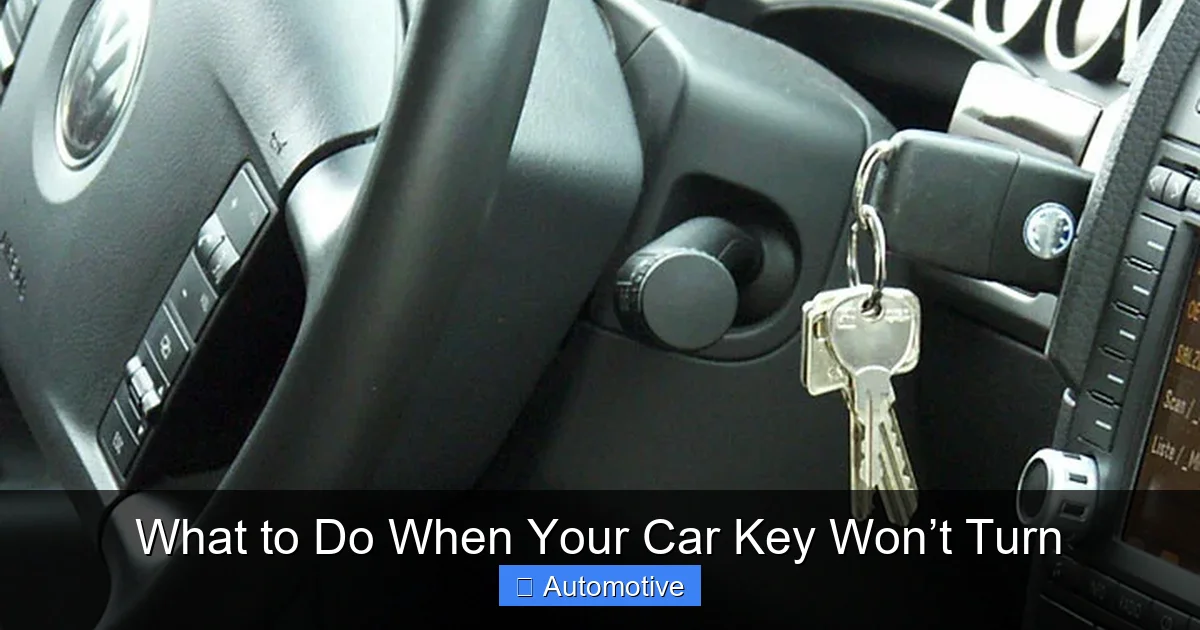
One of the most frequent culprits is the steering wheel lock. Many cars automatically lock the steering wheel when the key is removed, especially if the wheels are turned. If you try to start the car without unlocking it first, the key won’t turn because the ignition cylinder is mechanically blocked. This is a safety feature, not a malfunction.
Another common issue is a worn or damaged key. Over time, keys bend, chip, or wear down from daily use. A key that’s slightly deformed may not align properly with the tumblers inside the ignition cylinder, making it hard—or impossible—to turn.
Electrical problems can also play a role. Modern cars rely on electronic signals between the key, ignition, and engine control unit. If the car battery is weak or dead, these signals may not transmit correctly, causing the ignition to “lock up” even if the key is fine.
Dirt, debris, or moisture inside the ignition cylinder can gum up the works. Dust, pocket lint, or even spilled coffee can accumulate over time and interfere with the key’s movement. In cold climates, ice or condensation can freeze the cylinder shut.
Finally, the gear shift position matters—especially in automatic vehicles. If the shifter isn’t fully in Park or Neutral, the car’s safety interlock system may prevent the key from turning. This is designed to prevent accidental starts while the car is in gear.
Understanding these causes helps you approach the problem logically. Instead of panicking or forcing the key, you can methodically eliminate possibilities and find the real issue.
Steering Wheel Lock: The Silent Culprit
The steering wheel lock is one of the most misunderstood—and easily fixed—reasons your key won’t turn. When you remove the key from the ignition, especially after parking on a hill or turning the wheels, the steering column can lock in place. This is a built-in anti-theft feature. The next time you try to start the car, the locked wheel prevents the ignition cylinder from rotating.
You’ll often notice this when you insert the key and it won’t turn at all—even slightly. The wheel may feel stiff or stuck when you try to move it.
The fix is simple: gently wiggle the steering wheel left and right while simultaneously turning the key. Don’t force it. Apply steady, gentle pressure in both directions. As you move the wheel, you’ll feel it “unlock,” and the key should turn freely.
For example, imagine you parked your car after making a sharp turn. The wheels are angled, and the steering lock engaged. The next morning, you insert the key—nothing. Instead of pushing harder, try rocking the wheel back and forth. Within a few seconds, you’ll hear a soft click, and the key will turn.
This trick works on most cars, especially older models without electronic steering locks. If your car has a push-button start, the same principle applies—check if the wheel is locked before assuming an electrical issue.
Worn or Damaged Keys: When the Key Itself Is the Problem
Your car key takes a beating. It’s tossed in pockets, dropped on the ground, used to open packages, and exposed to dirt and moisture. Over time, this wear and tear can affect its ability to function.
A bent key is a common issue. Even a slight bend can prevent it from seating properly in the ignition. You might not notice the bend at first, but when inserted, the key won’t align with the internal tumblers. This causes resistance or complete failure to turn.
Chipped or worn edges are another problem. The ridges and grooves on your key are precision-cut to match the ignition cylinder. If these are worn down—especially on older keys—the cylinder may not recognize the key’s pattern. This is more common with metal keys than modern transponder keys, but it still happens.
Dirt buildup on the key can also interfere. Grime, oil, or pocket lint can transfer from your hands or keychain to the key blade. When inserted, this debris can clog the ignition cylinder, making it hard to turn.
The solution? Inspect your key regularly. Look for bends, chips, or excessive wear. Clean it with a soft cloth and a bit of rubbing alcohol to remove grime. If the key is visibly damaged, get a replacement from your dealership or a reputable locksmith. Many dealerships can cut a new key from your VIN number, even if you don’t have a spare.
Pro tip: Keep a spare key in a safe place—like your wallet or with a trusted friend. If your primary key fails, you’ll have a backup without needing emergency help.
Electrical and Battery-Related Issues
Visual guide about What to Do When Your Car Key Won’t Turn
Image source: liveabout.com
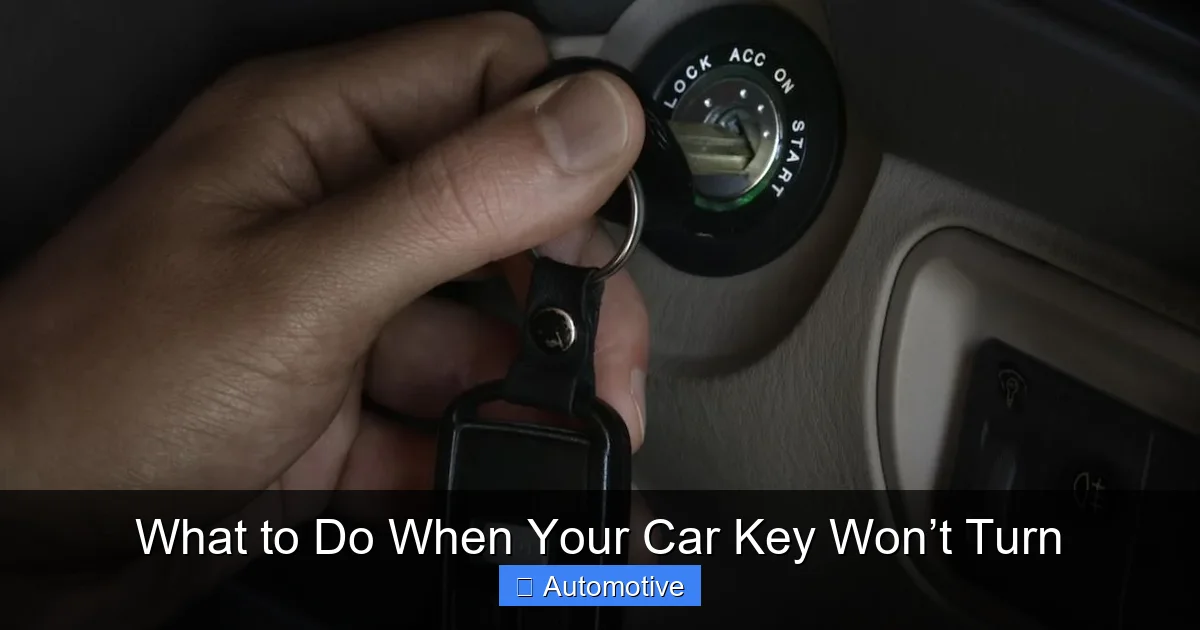
Modern cars are more than just mechanical machines—they’re rolling computers. The ignition system relies on electrical signals to communicate between the key, the immobilizer, and the engine. When the battery is weak or dead, these signals can fail, making it seem like the key won’t turn—even if it’s perfectly fine.
A low battery is one of the sneakiest causes of ignition problems. You might think the battery is fine because the lights come on or the radio plays. But starting the car requires a significant power surge. If the battery is weak, the ignition system may not receive enough power to engage.
You’ll often notice other symptoms: dim headlights, slow cranking, or warning lights on the dashboard. In some cases, the key will turn slightly but not fully—or it will turn but the engine won’t start.
Another electrical issue is a faulty ignition switch. This component sends the signal from the key to the starter motor. If it’s worn or damaged, the key may turn, but the car won’t respond. In rare cases, the switch can fail in a way that physically prevents the key from turning.
Transponder key problems can also cause issues. Many modern keys have a small chip that communicates with the car’s immobilizer system. If the chip is damaged or the battery in a smart key is dead, the car may not recognize the key—even if it turns in the cylinder.
To test for battery issues, try jump-starting the car. If it starts after a jump, the battery was likely the culprit. Replace it if it’s more than three to five years old. For transponder or smart keys, check the key fob battery. Most use a small coin-cell battery that’s easy to replace.
If the problem persists after addressing the battery, it may be time to visit a mechanic. Electrical issues can be complex and may require diagnostic tools to pinpoint.
Signs Your Battery Might Be the Problem
How can you tell if a weak battery is causing your key trouble? Look for these clues:
– The dashboard lights flicker or dim when you turn the key.
– The engine cranks slowly or not at all.
– The key turns but the car doesn’t start.
– Other electrical systems (like power windows or locks) are sluggish.
If you notice any of these, test the battery with a multimeter or have it checked at an auto parts store. Most offer free battery testing.
When to Replace Your Key Fob Battery
Smart keys and key fobs rely on internal batteries to send signals to the car. When the battery dies, the fob may stop working—even if the physical key still turns in the ignition.
Signs of a dead fob battery include:
– The car doesn’t respond to the fob’s buttons.
– The keyless entry doesn’t work.
– The car starts only when the fob is placed in a backup slot.
Replacing the battery is usually simple. Most fobs have a small compartment that opens with a screwdriver or by pressing a release button. Use the correct battery type (often CR2032) and reassemble carefully.
Ignition Cylinder Problems and Maintenance
Visual guide about What to Do When Your Car Key Won’t Turn
Image source: unitedlocksmith.net
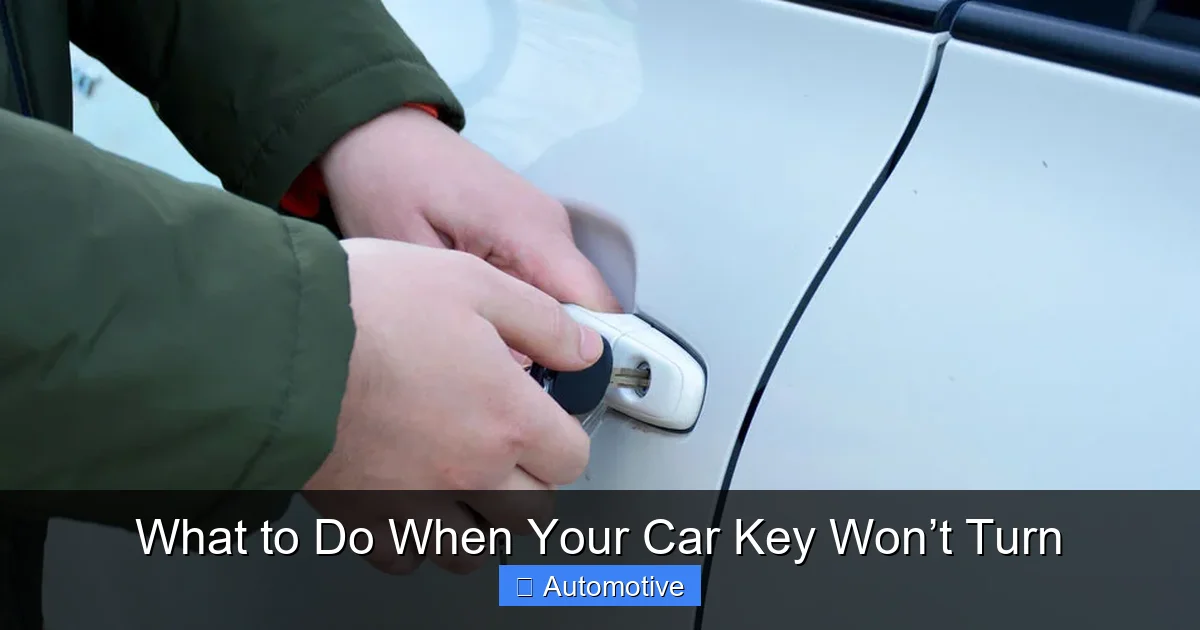
The ignition cylinder is the heart of your car’s starting system. It’s a mechanical component that reads the key’s shape and sends a signal to start the engine. Over time, it can wear out, get dirty, or become misaligned—leading to a key that won’t turn.
One common issue is dirt and debris buildup. Every time you insert your key, tiny particles from your pocket, hands, or the environment can enter the cylinder. Over months or years, this gunk accumulates, creating friction that makes the key hard to turn.
Moisture is another enemy. Rain, snow, or even humidity can cause condensation inside the cylinder. In cold weather, this moisture can freeze, locking the cylinder shut. You might notice this more in winter, especially if you park outside.
Wear and tear is inevitable. The tumblers inside the cylinder are precision parts that can wear down with repeated use. When they degrade, the key may not engage properly, causing it to stick or not turn at all.
The good news? Many ignition issues can be prevented or fixed with simple maintenance.
How to Clean and Lubricate the Ignition Cylinder
Cleaning the ignition cylinder is one of the easiest DIY fixes. Here’s how to do it safely:
1. **Turn off the car and remove the key.** Make sure the vehicle is off and the key is out before you start.
2. **Use compressed air.** Spray short bursts of air into the cylinder to dislodge dust and debris. Hold the can upright and don’t shake it.
3. **Apply graphite lubricant.** Never use oil-based lubricants like WD-40—they attract dirt and can gum up the cylinder. Instead, use a dry graphite spray or powder designed for locks. Insert the nozzle into the cylinder and spray a small amount. Turn the key gently to distribute the lubricant.
4. **Insert and remove the key several times.** This helps work the lubricant into the tumblers and clears out any remaining debris.
5. **Test the key.** Try turning it again. It should move more smoothly.
This process takes less than 10 minutes and can solve many ignition issues. Do it every 6–12 months as part of regular maintenance.
When the Ignition Cylinder Needs Replacement
If cleaning and lubricating don’t work, the cylinder may be worn out. Signs include:
– The key turns with extreme difficulty or not at all.
– The key gets stuck in the cylinder.
– The car starts intermittently or not at all.
Replacing the ignition cylinder is a job for a professional. It involves removing the steering column covers and often requires specialized tools. A locksmith or mechanic can do it in a few hours. While it’s not cheap—typically $150–$400—it’s far less than replacing the entire ignition system.
Gear Shift and Safety Interlock Issues
In automatic cars, the gear shift position plays a crucial role in whether the key will turn. Most vehicles have a safety interlock system that prevents the key from being removed—or turned—unless the shifter is in Park or Neutral.
If your car is in Drive, Reverse, or even slightly out of Park, the ignition may lock as a safety measure. This is especially common in newer cars with electronic shifters or push-button starts.
You might notice this when you park on a hill and the car rolls slightly, moving the shifter out of full Park. Or, if you’re rushing and don’t push the shifter all the way into Park, the interlock engages.
The fix is simple: make sure the shifter is fully in Park. Listen for a click or feel the resistance. If it’s not fully engaged, the key won’t turn.
In some cars, you can override the interlock by pressing the brake pedal and shifting into Neutral. Try this if the key is stuck and the shifter seems fine.
Manual Transmission Considerations
If you drive a manual car, the clutch interlock switch prevents the engine from starting unless the clutch pedal is fully depressed. If this switch fails, the key may not turn or the car won’t start.
Check that you’re pressing the clutch all the way down. If the problem persists, the switch may need replacement—a job for a mechanic.
When to Call a Professional
While many key-turning issues can be fixed at home, some problems require expert help. Don’t force the key or try to drill it out—this can cause serious damage.
Call a locksmith or mechanic if:
– The key is broken inside the ignition.
– The ignition cylinder is severely worn or damaged.
– Electrical diagnostics point to a faulty switch or immobilizer.
– You’ve tried all basic fixes and the key still won’t turn.
A professional can extract broken keys, replace cylinders, or reprogram transponder keys. They’ll also ensure your car’s security system isn’t compromised.
Prevention Tips to Avoid Future Problems
An ounce of prevention is worth a pound of cure. Here’s how to keep your key and ignition in top shape:
– **Clean your key regularly.** Wipe it with a dry cloth and avoid exposing it to dirt or moisture.
– **Use graphite lubricant.** Apply it to the ignition cylinder every 6–12 months.
– **Avoid forcing the key.** If it doesn’t turn easily, stop and troubleshoot.
– **Keep a spare key.** Store it in a safe place or with a trusted person.
– **Check the battery.** Replace it every 3–5 years or when performance declines.
– **Park on level ground.** This reduces stress on the steering lock and shifter.
By following these tips, you’ll reduce the chances of being stranded with a key that won’t turn.
Conclusion
A car key that won’t turn can be frustrating, but it’s rarely a sign of a major breakdown. In most cases, the solution is simple: check the steering wheel lock, clean the key, test the battery, or lubricate the ignition. By understanding the common causes and taking preventive steps, you can keep your car starting smoothly for years to come.
Remember, stay calm, avoid forcing the key, and don’t hesitate to call a professional if needed. With the right approach, you’ll be back on the road in no time.
Frequently Asked Questions
Why won’t my car key turn even though the battery is fine?
This could be due to a locked steering wheel, a worn key, or debris in the ignition cylinder. Try wiggling the steering wheel while turning the key, or clean the cylinder with compressed air and graphite lubricant.
Can I use WD-40 to fix a stuck car key?
No, avoid WD-40 or oil-based lubricants. They attract dirt and can make the problem worse. Use a dry graphite-based lubricant instead, which is designed for locks and ignition systems.
What if my key is broken inside the ignition?
Do not try to remove it yourself. Call a professional locksmith or mechanic. They have specialized tools to extract the broken piece without damaging the cylinder.
Why does my key only turn sometimes?
Intermittent turning may indicate a worn ignition cylinder, a damaged key, or an electrical issue like a weak battery or faulty ignition switch. Have it inspected if the problem persists.
Can cold weather cause my key to not turn?
Yes, moisture inside the ignition can freeze in cold temperatures, locking the cylinder. Use a de-icer spray or warm the key slightly (don’t use a lighter) before inserting it.
How often should I replace my car key?
Replace your key if it’s visibly worn, bent, or no longer turns smoothly. Most keys last 5–10 years, but heavy use or exposure to elements can shorten their lifespan.