What to Do If Car Battery Is Dead
A dead car battery can leave you stranded, but it doesn’t have to ruin your day. With the right steps—like jump-starting safely, using a battery charger, or knowing when to replace the battery—you can get back on the road quickly and confidently.
In This Article
- 1 Key Takeaways
- 2 📑 Table of Contents
- 3 What to Do If Car Battery Is Dead
- 4 Step 1: Confirm the Battery Is Actually Dead
- 5 Step 2: Jump-Start Your Car Safely
- 6 Step 3: Use a Portable Jump Starter (No Second Car Needed)
- 7 Step 4: Charge the Battery with a Battery Charger
- 8 Step 5: Know When to Replace the Battery
- 9 Step 6: Prevent Future Dead Batteries
- 10 When to Call a Professional
- 11 Conclusion
- 12 Frequently Asked Questions
Key Takeaways
- Jump-start your car safely: Use jumper cables and another vehicle, connecting red to positive and black to negative (or a grounded metal part) to avoid sparks near the battery.
- Use a portable jump starter: These battery-powered devices let you revive a dead battery without another car—ideal for emergencies.
- Charge the battery properly: A battery charger can restore power over several hours and is safer for long-term battery health than repeated jump-starts.
- Know the signs of a failing battery: Slow engine cranking, dim headlights, and a battery older than 3–5 years are red flags.
- Prevent future dead batteries: Turn off lights, limit short trips, and check connections regularly to extend battery life.
- Call a professional when needed: If the battery won’t hold a charge or you’re unsure about safety, a mechanic or roadside service can help.
- Replace old batteries promptly: Most car batteries last 3–5 years—delaying replacement increases the risk of sudden failure.
📑 Table of Contents
- What to Do If Car Battery Is Dead
- Step 1: Confirm the Battery Is Actually Dead
- Step 2: Jump-Start Your Car Safely
- Step 3: Use a Portable Jump Starter (No Second Car Needed)
- Step 4: Charge the Battery with a Battery Charger
- Step 5: Know When to Replace the Battery
- Step 6: Prevent Future Dead Batteries
- When to Call a Professional
- Conclusion
What to Do If Car Battery Is Dead
Picture this: You’re running late for work, you hop in your car, turn the key—and nothing. Not even a click. Just silence. Your heart sinks. You’ve got a dead car battery.
It’s one of the most common car problems drivers face, especially in cold weather or after leaving lights on overnight. But don’t panic. A dead battery doesn’t mean your car is broken—it just means it needs a little help to get going again.
The good news? Most dead battery situations are fixable with the right tools and know-how. Whether you’re at home, in a parking lot, or on the side of the road, there are safe and effective ways to get your car started. From jump-starting with cables to using a portable charger, knowing what to do can save you time, money, and stress.
In this guide, we’ll walk you through every step of handling a dead car battery—from diagnosing the problem to preventing it from happening again. We’ll cover jump-starting safely, using modern tools like portable jump starters, and understanding when it’s time to replace the battery for good. By the end, you’ll feel confident and prepared the next time your car won’t start.
Step 1: Confirm the Battery Is Actually Dead
Before you start troubleshooting, make sure the battery is really the culprit. Sometimes, what seems like a dead battery is actually a different issue—like a faulty starter, bad alternator, or even a simple key fob problem.
Check the Dashboard Lights
Turn the key to the “on” position (but don’t start the engine). Do the dashboard lights come on? If they’re dim or flickering, that’s a strong sign the battery is weak or dead. If they’re bright and normal, the battery might still have some charge, and the problem could be elsewhere.
Listen for Sounds When You Turn the Key
When you try to start the car, listen carefully:
– A rapid clicking sound usually means the battery doesn’t have enough power to turn the starter.
– A slow, grinding noise could indicate a failing starter motor.
– Complete silence might point to an electrical issue or a completely dead battery.
Test the Headlights
Turn on your headlights. If they’re very dim or don’t come on at all, the battery likely doesn’t have enough charge. If they’re bright but the car won’t start, the issue might be the starter or ignition system.
Use a Multimeter (If Available)
A multimeter is a handy tool that measures voltage. A healthy car battery should read around 12.6 volts when the car is off. If it’s below 12 volts, the battery is likely discharged. Below 11.5 volts? It’s probably dead.
Pro tip: If you don’t have a multimeter, many auto parts stores will test your battery for free.
Step 2: Jump-Start Your Car Safely
If the battery is confirmed dead, jump-starting is often the quickest fix. But it must be done correctly to avoid damage or injury.
Gather the Right Tools
You’ll need:
– A set of jumper cables (heavy-duty, at least 10–12 feet long)
– Another vehicle with a working battery (or a portable jump starter)
– Safety gloves and glasses (optional but recommended)
Position the Vehicles Correctly
Park the working car close to yours—close enough for the cables to reach, but not touching. Turn off both engines and set the parking brakes. Put both cars in “Park” (or in gear for manual transmissions).
Connect the Jumper Cables in the Right Order
Follow this sequence carefully:
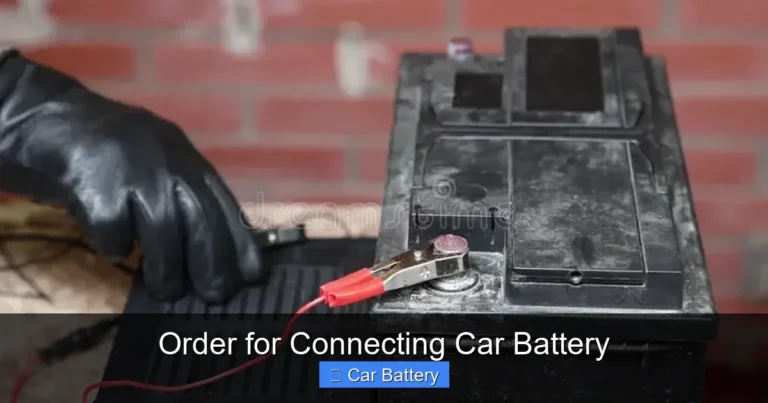
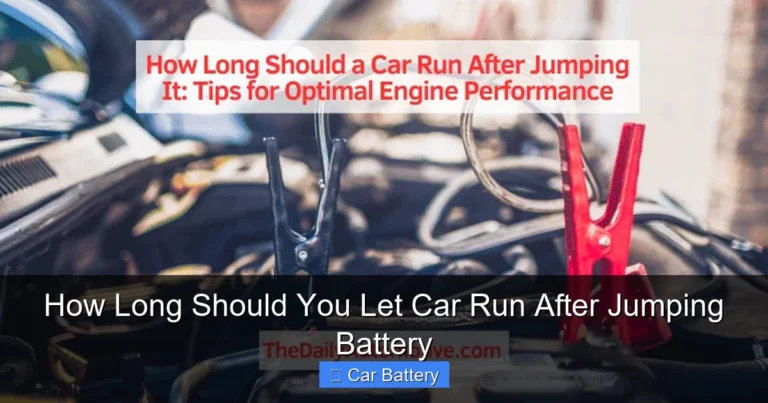
1. Connect the red (positive) clamp to the dead battery’s positive terminal (+).
2. Connect the other red clamp to the good battery’s positive terminal (+).
3. Connect the black (negative) clamp to the good battery’s negative terminal (–).
4. Connect the final black clamp to an unpainted metal surface on your car’s engine block or frame—not the dead battery’s negative terminal. This reduces the risk of sparks near the battery, which can release flammable gases.
Start the Working Car and Let It Charge
Start the engine of the car with the good battery and let it run for 3–5 minutes. This helps charge your dead battery.
Try Starting Your Car
Now, try starting your car. If it starts, great! Let it run for at least 15–20 minutes to allow the alternator to recharge the battery.
Disconnect the Cables in Reverse Order
Once your car is running:
1. Remove the black clamp from the grounded metal on your car.
2. Remove the black clamp from the good battery.
3. Remove the red clamp from the good battery.
4. Remove the red clamp from your battery.
Drive your car for at least 30 minutes to ensure the battery gets a full charge. Avoid turning it off during this time.
Safety Tips for Jump-Starting
– Never let the clamps touch each other while connected to a battery.
– Don’t jump-start a frozen or leaking battery—it could explode.
– If the battery is swollen or damaged, don’t attempt to jump it. Call a professional.
Step 3: Use a Portable Jump Starter (No Second Car Needed)
If you’re alone or don’t have access to another vehicle, a portable jump starter is a lifesaver. These compact devices store enough power to jump-start most cars and are becoming increasingly popular.
How Portable Jump Starters Work
A portable jump starter is essentially a large rechargeable battery with jumper cables built in. You connect the clamps to your battery (red to positive, black to negative or ground), turn on the device, and start your car—just like with traditional jumper cables.
Benefits of a Portable Jump Starter
– No need for another vehicle
– Safe and easy to use
– Often includes USB ports for charging phones
– Compact and lightweight (many fit in a glove compartment)
– Can be reused hundreds of times
Choosing the Right One
Look for a jump starter with:
– At least 1000 peak amps (enough for most cars)
– Safety features like reverse polarity protection and spark-proof clamps
– A built-in flashlight (great for nighttime emergencies)
– A lithium-ion battery (lighter and more efficient)
Popular brands include NOCO, Jump-N-Carry, and Tacklife. Prices range from $50 to $150, depending on power and features.
How to Use It
1. Turn off your car and all electronics.
2. Connect the red clamp to the positive terminal and the black clamp to a grounded metal part.
3. Turn on the jump starter (follow the manufacturer’s instructions).
4. Try starting your car.
5. Once running, disconnect the clamps and turn off the jump starter.
Pro tip: Keep your portable jump starter charged. Many have USB ports so you can charge it via a wall outlet or even a car charger.
Step 4: Charge the Battery with a Battery Charger
If you have time and access to an outlet, charging the battery is a safer and more thorough solution than jump-starting—especially if the battery is deeply discharged.
Why Charging Is Better Than Jump-Starting
Jump-starting gives your car a quick burst of power, but it doesn’t fully recharge the battery. A battery charger slowly restores the battery to full capacity, which helps extend its lifespan.
Types of Battery Chargers
– **Trickle Chargers:** Deliver a slow, steady charge over 12–24 hours. Great for maintenance but not ideal for emergencies.
– **Smart Chargers:** Automatically adjust the charge rate and stop when the battery is full. Safer and more efficient.
– **Fast Chargers:** Can charge a battery in a few hours, but may reduce battery life if used frequently.
How to Charge Your Car Battery
1. Turn off the car and remove the keys.
2. Disconnect the battery (negative terminal first, then positive) if you’re charging it outside the car. Some chargers allow in-car charging, but check the manual.
3. Connect the charger: red to positive, black to negative.
4. Plug in the charger and turn it on.
5. Let it charge for the recommended time (usually 4–12 hours).
6. Disconnect the charger (black first, then red) and reconnect the battery (positive first, then negative).
Safety Tips for Charging
– Always charge in a well-ventilated area.
– Never charge a frozen or damaged battery.
– Unplug the charger before disconnecting cables.
Step 5: Know When to Replace the Battery
Sometimes, a dead battery isn’t just discharged—it’s dying. If your battery is old or repeatedly fails to hold a charge, it’s time for a replacement.
How Long Do Car Batteries Last?
Most car batteries last 3–5 years, depending on climate, driving habits, and maintenance. In hot climates, batteries tend to wear out faster due to increased chemical activity.
Signs It’s Time to Replace the Battery
– The car won’t start, even after jump-starting.
– The battery is more than 4 years old.
– You notice corrosion (white, powdery buildup) on the terminals.
– The battery case is swollen or cracked.
– Electrical issues like flickering lights or slow power windows.
How to Replace a Car Battery
Replacing a battery is usually a DIY job:
1. Turn off the car and remove the keys.
2. Disconnect the negative terminal first, then the positive.
3. Remove any brackets or clamps holding the battery.
4. Lift out the old battery (it’s heavy—use proper lifting technique).
5. Clean the terminals and tray with a baking soda and water solution if corroded.
6. Place the new battery in the tray.
7. Reconnect the positive terminal first, then the negative.
8. Secure the battery and test the car.
Dispose of the Old Battery Responsibly
Car batteries contain lead and acid, so they must be recycled. Most auto parts stores will take your old battery for free when you buy a new one.
Step 6: Prevent Future Dead Batteries
The best way to deal with a dead battery is to avoid it altogether. A few simple habits can keep your battery healthy and reliable.
Turn Off Lights and Accessories
It’s easy to forget interior lights, headlights, or the radio when you exit the car. Even small draws can drain the battery overnight. Make it a habit to double-check before walking away.
Limit Short Trips
Short drives don’t give the alternator enough time to fully recharge the battery. If you mostly take trips under 10 minutes, consider taking longer drives occasionally or using a battery maintainer.
Keep the Battery Clean
Corrosion on the terminals can interfere with charging. Clean them every 6 months with a wire brush and a mix of baking soda and water.
Check Battery Connections
Loose or corroded connections can prevent the battery from charging properly. Make sure the terminals are tight and free of buildup.
Use a Battery Maintainer
If you don’t drive often (like with a classic car or seasonal vehicle), a battery maintainer (or trickle charger) keeps the battery charged without overcharging.
Get Regular Maintenance
During oil changes or inspections, ask your mechanic to test the battery and alternator. Early detection can prevent unexpected failures.
When to Call a Professional
While many dead battery issues can be handled at home, some situations require expert help.
The Battery Won’t Hold a Charge
If your car starts after a jump but dies again soon after, the battery may be bad—or the alternator might not be charging it. A mechanic can run a load test to diagnose the issue.
You’re Not Comfortable Doing It Yourself
If you’re unsure about jump-starting or handling batteries, don’t risk it. Call roadside assistance or a tow truck. Many insurance plans and auto clubs include free jump-starts.
The Battery Is Leaking or Swollen
A damaged battery can be dangerous. Don’t touch it—call a professional to remove and replace it safely.
Multiple Electrical Problems
If your car has frequent electrical issues—like dead batteries, dim lights, or warning lights on the dashboard—there could be a deeper problem with the charging system.
Conclusion
A dead car battery is frustrating, but it’s rarely a serious problem. With the right knowledge and tools, you can get your car running again—safely and efficiently.
Start by confirming the battery is the issue, then choose the best solution: jump-starting with cables, using a portable jump starter, or charging with a battery charger. If the battery is old or damaged, replace it promptly. And most importantly, take steps to prevent future dead batteries by maintaining your car and driving habits.
Remember, preparation is key. Keep jumper cables or a portable jump starter in your trunk, and know the basics of battery care. That way, the next time your car won’t start, you’ll be ready—not stranded.
Don’t let a dead battery ruin your day. Stay informed, stay safe, and keep rolling.
Frequently Asked Questions
Can I jump-start my car in the rain?
Yes, you can jump-start a car in the rain, but take extra precautions. Make sure the cables and connections are dry where possible, and avoid touching metal parts with wet hands. Water increases the risk of electric shock.
How long should I drive after jump-starting?
Drive for at least 30 minutes after jump-starting to allow the alternator to recharge the battery. If the car dies again shortly after, the battery may need replacement or there could be an alternator issue.
Can a dead battery damage my car?
A dead battery itself won’t damage your car, but repeated deep discharges can shorten its lifespan. Also, improper jump-starting can cause electrical surges that harm sensitive electronics.
Why does my battery keep dying?
Frequent dead batteries can be caused by a parasitic drain (something drawing power when the car is off), a failing alternator, extreme temperatures, or an old battery. Have a mechanic diagnose the root cause.
Is it safe to jump-start a modern car?
Yes, but be extra careful with modern vehicles that have advanced electronics. Always follow the manufacturer’s guidelines and avoid connecting cables to the wrong terminals. Some cars have specific jump-start points—check your owner’s manual.
Can I charge a car battery while it’s still in the car?
Yes, many battery chargers allow in-car charging. However, always check the charger’s instructions and ensure the car is off. For safety, some recommend disconnecting the battery, especially with older models.