What Size of Battery for My Car

Choosing the right size of battery for your car is essential for reliable starts, optimal performance, and long-term durability. This guide breaks down everything you need to know—from understanding battery group sizes to matching cold cranking amps (CCA) and reserve capacity—so you can make a confident, informed decision.
Have you ever turned the key in your ignition, only to be met with a weak click or silence? That sinking feeling usually means one thing: your car battery is on its last legs. But when it’s time to replace it, a new problem arises—what size of battery for my car is actually the right one?
It’s a common question, and for good reason. Car batteries aren’t one-size-fits-all. Installing the wrong size can lead to poor performance, electrical issues, or even damage to your vehicle’s systems. Whether you’re a first-time car owner or a seasoned driver, understanding how to choose the correct battery size is crucial. The good news? It’s simpler than you might think—once you know what to look for.
In This Article
- 1 Key Takeaways
- 2 📑 Table of Contents
- 3 Understanding Car Battery Basics
- 4 What Is Battery Group Size?
- 5 Matching Battery Specs to Your Vehicle
- 6 Climate and Driving Habits: Real-World Considerations
- 7 Upgrading vs. Replacing: When to Go Beyond Stock
- 8 Installation and Maintenance Tips
- 9 Conclusion
- 10 Frequently Asked Questions
Key Takeaways
- Check your owner’s manual first: It lists the recommended battery group size, CCA, and dimensions for your specific vehicle.
- Group size matters most: This standardized number (like 24F or 65) ensures the battery fits your car’s tray and terminal placement.
- Cold Cranking Amps (CCA) affect cold-weather performance: Higher CCA ratings mean better starting power in freezing temperatures.
- Reserve Capacity (RC) indicates backup power: A higher RC means the battery can run essentials if the alternator fails.
- Don’t downsize for cost savings: Using a smaller or lower-spec battery can lead to poor performance and premature failure.
- Consider your climate and driving habits: Extreme temperatures and frequent short trips may require a more robust battery.
- Professional installation ensures safety: Incorrect installation can damage your vehicle’s electrical system or void warranties.
📑 Table of Contents
Understanding Car Battery Basics
Before diving into sizes, let’s cover the fundamentals. A car battery is more than just a box that holds electricity. It’s the heart of your vehicle’s electrical system, providing the initial surge of power to start the engine and supporting everything from headlights to infotainment systems when the engine is off.
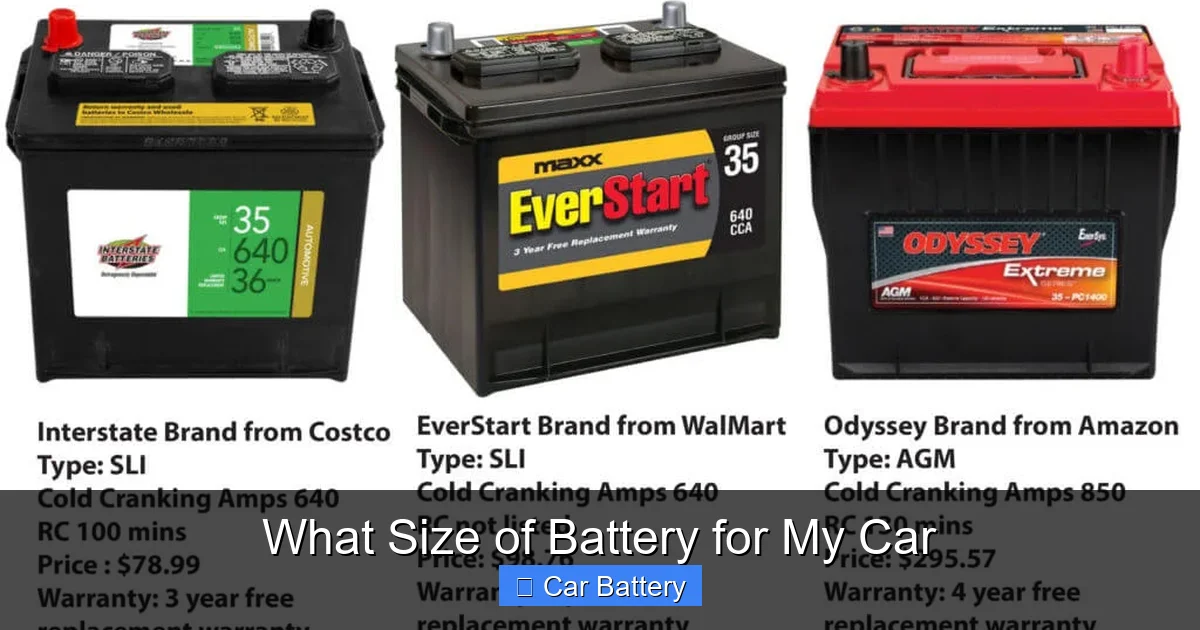
Most modern cars use 12-volt lead-acid batteries, which come in two main types: flooded (wet cell) and absorbed glass mat (AGM). Flooded batteries are the traditional, cost-effective option, while AGM batteries are more durable, vibration-resistant, and ideal for vehicles with start-stop technology or high electrical demands.
Voltage and Amperage: The Power Behind the Start
All standard car batteries are 12 volts, but that doesn’t mean they’re all equal. The real difference lies in amperage—specifically, how much current the battery can deliver under different conditions. Two key measurements matter most: Cold Cranking Amps (CCA) and Reserve Capacity (RC).
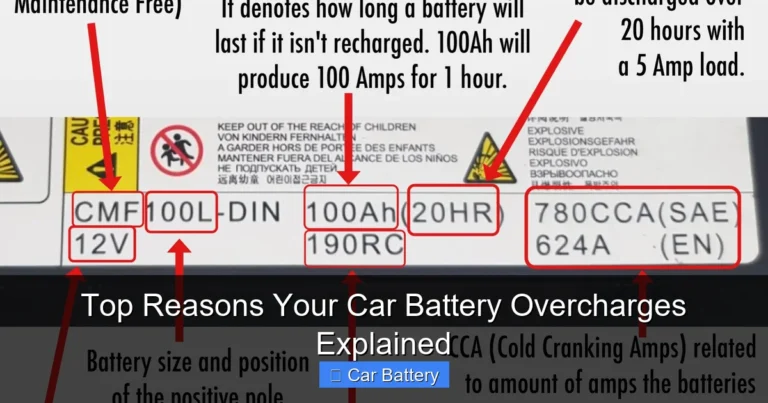
CCA tells you how many amps the battery can deliver at 0°F (-18°C) for 30 seconds while maintaining at least 7.2 volts. If you live in a cold climate, a higher CCA rating is essential. For example, a battery with 600 CCA will start your car more reliably in winter than one with 400 CCA.
RC measures how long (in minutes) the battery can supply 25 amps at 80°F (27°C) before dropping below 10.5 volts. This is crucial if your alternator fails—RC tells you how long you can run lights, wipers, or the radio before the battery dies.
Battery Chemistry: Flooded vs. AGM
Flooded batteries are the most common and affordable. They require occasional maintenance (like checking water levels) and are great for standard vehicles with basic electrical needs. However, they’re more prone to leakage and sulfation if left unused.
AGM batteries, on the other hand, are sealed, maintenance-free, and better at handling deep discharges. They’re ideal for luxury cars, hybrids, and vehicles with advanced electronics. While more expensive, their longer lifespan and superior performance often justify the cost.
What Is Battery Group Size?
When people ask, “What size of battery for my car?” they’re usually referring to the battery group size. This is a standardized number assigned by the Battery Council International (BCI) that defines the battery’s physical dimensions, terminal placement, and tray compatibility.
Visual guide about What Size of Battery for My Car
Image source: carput.my
For example, a Group 24F battery is approximately 10.2” x 6.8” x 8.9” with the positive terminal on the right side. A Group 65 battery is larger—about 12.4” x 7.4” x 8.3”—and often used in trucks and SUVs. These numbers ensure that the battery fits snugly in your car’s designated space and connects properly to the cables.
Why Group Size Matters
Using the wrong group size can cause several problems. A battery that’s too small might not stay secure in the tray, leading to vibration damage. One that’s too large might not fit at all, or could interfere with nearby components like the hood or air filter housing.
Even if a battery physically fits, mismatched terminal placement can make cable connections difficult or unsafe. In some cases, you might need to modify the cables—but this is risky and can void warranties or cause electrical shorts.
How to Find Your Car’s Group Size
The easiest way is to check your owner’s manual. It will list the recommended group size, along with CCA and RC requirements. If you don’t have the manual, you can usually find it online by searching your car’s make, model, and year.
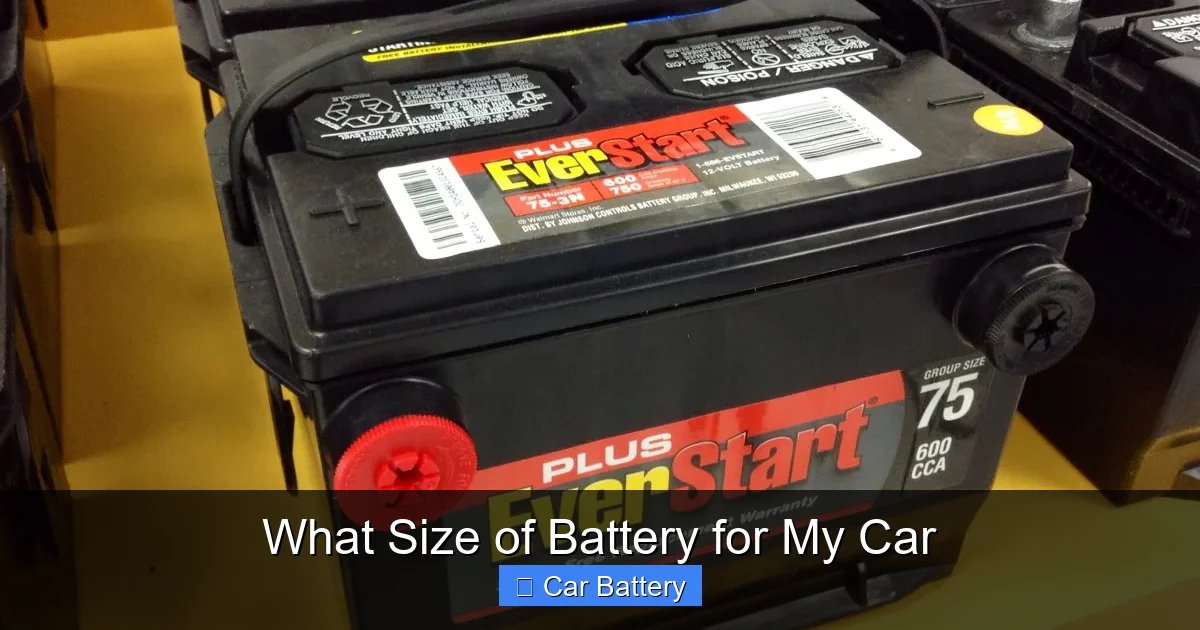
Alternatively, look at your current battery. The group size is often printed on the label, along with other specs. For example, you might see “Group 35,” “CCA: 640,” and “RC: 100 min.” If the label is worn, use a flashlight and magnifying glass to read it carefully.
Still unsure? Visit an auto parts store or use an online battery finder tool. Just enter your vehicle details, and it will suggest compatible batteries. Many stores also have physical catalogs or staff who can help cross-reference your car’s specs.
Matching Battery Specs to Your Vehicle
Once you know your group size, the next step is matching performance specs. A battery that fits physically but lacks the right power can leave you stranded—especially in extreme weather or with high electrical loads.
Visual guide about What Size of Battery for My Car
Image source: images.saymedia-content.com
Cold Cranking Amps (CCA): The Winter Warrior
CCA is arguably the most important spec for cold climates. Engines are harder to start in freezing temperatures because oil thickens and chemical reactions in the battery slow down. A higher CCA rating compensates for this by delivering more power when you need it most.
For example, a compact car in Florida might run fine with a 400 CCA battery. But the same car in Minnesota would benefit from 600 CCA or more. As a rule of thumb, add 100 CCA for every 10°F drop below freezing if you live in a cold region.
Keep in mind: more CCA isn’t always better. Excessively high CCA can stress your starter motor or alternator. Stick to the manufacturer’s recommendation or slightly higher—never lower.
Reserve Capacity (RC): Your Backup Power
RC is especially important if you frequently drive short distances or use a lot of electronics (like dash cams, GPS, or phone chargers). Short trips don’t give the alternator enough time to fully recharge the battery, so a higher RC helps prevent deep discharges.
For example, a battery with 120 minutes of RC can power your car’s essentials for two hours if the alternator fails. That’s enough time to get to a service station or call for help. In contrast, a 90-minute RC battery might leave you stranded sooner.
Ampere-Hour (Ah) Rating: Understanding Capacity
While less commonly referenced in car batteries, the Ah rating indicates total energy storage. A 50Ah battery can theoretically deliver 5 amps for 10 hours. However, car batteries are rarely discharged this way—most are designed for short, high-current bursts.
Still, Ah can be useful when comparing batteries. A higher Ah rating often correlates with longer life and better performance under load. Just remember: Ah, CCA, and RC all work together to define a battery’s capabilities.
Climate and Driving Habits: Real-World Considerations
Your local weather and how you use your car play a big role in battery selection. A battery that works perfectly in Arizona might struggle in Alaska—and vice versa.
Visual guide about What Size of Battery for My Car
Image source: ricksfreeautorepairadvice.com
Hot Climates: Heat Is a Silent Killer
While cold weather gets most of the attention, heat is actually the leading cause of battery failure. High temperatures accelerate chemical reactions inside the battery, causing plates to corrode and water to evaporate. This leads to sulfation, reduced capacity, and shorter lifespan.
In hot regions like Texas or Arizona, consider a battery with enhanced heat resistance—often found in AGM or premium flooded models. These batteries use thicker plates and better separators to withstand the heat. Also, park in the shade or use a battery insulator to reduce exposure.
Cold Climates: Power When You Need It Most
In freezing areas, a high CCA rating is non-negotiable. But don’t stop there. Look for batteries with low internal resistance, which allows them to deliver power more efficiently in the cold. Some manufacturers offer “cold weather” or “arctic” versions of their batteries, designed specifically for sub-zero conditions.
For example, a Ford F-150 in Minnesota might use a Group 65 battery with 800 CCA. The same truck in Florida could get by with 650 CCA—but why take the risk? Investing in a slightly higher CCA battery ensures peace of mind all winter long.
City Driving vs. Highway Miles
If you mostly drive short distances in stop-and-go traffic, your battery spends more time discharging than recharging. This constant cycling can wear out a standard battery faster. In this case, consider a deep-cycle or AGM battery, which handles repeated discharges better.
On the other hand, long highway drives give the alternator plenty of time to recharge the battery. A standard flooded battery may be sufficient—especially if you don’t use many accessories.
High Electrical Loads: Modern Cars Demand More
Today’s vehicles come packed with electronics: heated seats, infotainment systems, advanced safety features, and more. These draw power even when the engine is off, increasing the strain on your battery.
If your car has start-stop technology, which shuts off the engine at red lights to save fuel, you’ll need a battery designed for frequent cycling. Standard flooded batteries can’t handle this—opt for an AGM or enhanced flooded battery (EFB) instead.
Upgrading vs. Replacing: When to Go Beyond Stock
Sometimes, the factory-recommended battery isn’t enough. Maybe you’ve added aftermarket accessories, or your driving conditions have changed. In these cases, upgrading your battery can improve performance and reliability.
Aftermarket Accessories: Powering Your Upgrades
Installing a powerful sound system, LED light bars, or a winch? These draw significant current and can overwhelm a standard battery. Upgrading to a higher CCA or AGM battery ensures your accessories get the power they need without draining the main battery.
For example, a Jeep Wrangler with a 12,000-pound winch and dual amplifiers might benefit from a Group 34R AGM battery with 750 CCA and 120-minute RC. This provides the extra juice for off-road adventures while protecting the vehicle’s electrical system.
Performance and Luxury Vehicles
High-end cars often have complex electronics and higher startup demands. A BMW or Mercedes-Benz may require a specific AGM battery to support features like adaptive cruise control, parking sensors, and premium audio.
Using a lower-spec battery can cause error messages, system malfunctions, or even prevent the car from starting. Always follow the manufacturer’s recommendations—even if it means paying a premium.
Hybrid and Electric Vehicles
Hybrids and EVs use two batteries: a high-voltage traction battery for propulsion and a 12-volt auxiliary battery for lights, computers, and accessories. The 12-volt battery is smaller and often AGM, designed for frequent cycling.
Replacing this battery requires special care. Some hybrids can’t be jump-started conventionally, and improper handling can damage sensitive electronics. Consult your dealer or a certified technician for guidance.
Installation and Maintenance Tips
Even the best battery won’t last if it’s installed incorrectly or neglected. Proper installation and maintenance are key to maximizing lifespan and performance.
Safe Installation Steps
Always disconnect the negative terminal first when removing the old battery. This reduces the risk of short circuits. Clean the terminals and tray with a wire brush and baking soda solution to remove corrosion.
When installing the new battery, ensure it’s securely fastened in the tray. Loose batteries can vibrate, causing internal damage or short circuits. Reconnect the positive terminal first, then the negative.
Regular Maintenance
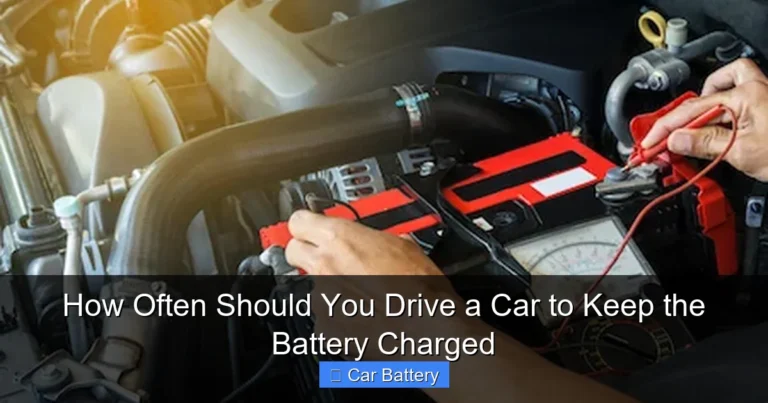
Check your battery every 6 months. Look for signs of corrosion, swelling, or leaks. Test the voltage with a multimeter—12.6 volts or higher means it’s fully charged. If it’s below 12.4 volts, recharge it or have it tested.
For flooded batteries, check water levels (if accessible) and top up with distilled water if needed. Never overfill. AGM batteries are sealed and require no maintenance.
When to Replace
Most car batteries last 3–5 years. If your car is slow to start, the check engine light is on, or the battery is more than 4 years old, it’s time for a test. Many auto parts stores offer free battery testing—take advantage of it.
Conclusion
Choosing the right size of battery for your car doesn’t have to be complicated. Start with the group size from your owner’s manual, then match CCA and RC to your climate and driving habits. Don’t skimp on quality—your car’s performance and reliability depend on it.
Whether you’re replacing a worn-out battery or upgrading for better performance, taking the time to select the right one pays off in the long run. With the right battery, you’ll enjoy smoother starts, fewer breakdowns, and greater peace of mind—no matter where the road takes you.
Frequently Asked Questions
How do I know what size battery my car needs?
Check your owner’s manual or the label on your current battery. It will list the group size (like 24F or 65) and recommended CCA and RC. You can also use an online battery finder tool by entering your vehicle’s make, model, and year.
Can I use a bigger battery in my car?
Only if it fits the tray and matches the group size. A physically larger battery might not fit, and a higher CCA than recommended won’t harm your car—but it’s unnecessary. Always prioritize correct group size and terminal placement.
What happens if I install the wrong battery size?
A battery that’s too small may vibrate and fail prematurely. One that’s too large might not fit or could damage nearby components. Mismatched terminals can cause poor connections or electrical shorts.
Is a higher CCA battery always better?
Not always. While higher CCA improves cold-weather starting, excessively high ratings can stress your starter. Stick to the manufacturer’s recommendation or slightly higher—never lower.
Do I need an AGM battery for my car?
Only if your vehicle requires it—such as those with start-stop technology, high electrical loads, or luxury features. Standard cars can usually use flooded batteries unless specified otherwise.
How long do car batteries last?
Most last 3–5 years, depending on climate, driving habits, and maintenance. Extreme heat or cold, short trips, and frequent accessory use can shorten lifespan. Regular testing helps identify when replacement is needed.