
What Other Wheels Fit a Toyota Tacoma?

Not all wheels are created equal—especially when it comes to fitting your Toyota Tacoma. Whether you’re upgrading for style, performance, or off-road capability, knowing which wheels are compatible is essential. This guide breaks down everything you need to know about wheel fitment, from bolt patterns to offsets, so you can confidently choose the right set for your ride.
If you’re a Toyota Tacoma owner, you already know you’ve got one of the most capable and reliable mid-size trucks on the road. But let’s be honest—sometimes the stock wheels just don’t cut it. Maybe you’re looking to improve your truck’s off-road performance, give it a more aggressive stance, or simply upgrade the look. Whatever your reason, one of the most common questions Tacoma enthusiasts ask is: *What other wheels fit a Toyota Tacoma?*
The good news? You’ve got options. A lot of them. But with so many wheel sizes, brands, and specifications out there, it’s easy to get overwhelmed. That’s why we’re here to break it all down in simple, practical terms. Whether you’re rocking a first-gen Tacoma from the early 2000s or a brand-new 2024 model, this guide will help you understand exactly what wheels will fit—and which ones will make your truck perform and look its best.
We’ll cover everything from bolt patterns and offsets to backspacing and tire compatibility. We’ll also dive into popular aftermarket brands, real-world fitment examples, and tips to avoid common pitfalls like rubbing or steering issues. By the end, you’ll have the confidence to pick the perfect set of wheels for your Tacoma—no guesswork required.
Key Takeaways
- Standard Bolt Pattern: Most Toyota Tacomas use a 6×139.7mm (6×5.5″) bolt pattern, making them compatible with a wide range of aftermarket wheels.
- Wheel Size Range: Tacomas typically support wheel diameters from 15″ to 20″, with widths ranging from 7″ to 9.5″.
- Offset Matters: Stock offset is usually between +30mm and +45mm; going too low can cause rubbing, while too high may affect handling.
- Backspacing Compatibility: Ideal backspacing for Tacomas is between 4.5″ and 5.5″ to avoid suspension or fender interference.
- Aftermarket Options Abound: Popular brands like Method, Fuel, and Black Rhino offer Tacoma-specific wheels designed for both on- and off-road use.
- Year and Trim Matter: Wheel fitment can vary slightly between generations (1st, 2nd, 3rd) and trims (SR, TRD Sport, TRD Off-Road, Limited).
- Always Check Clearance: Larger wheels or aggressive offsets may require fender trimming, suspension lifts, or spacers.
📑 Table of Contents
Understanding Wheel Fitment Basics
Before you start shopping for new wheels, it’s important to understand the key measurements that determine whether a wheel will fit your Toyota Tacoma. These aren’t just random numbers—they’re critical to ensuring your wheels clear your suspension, brakes, and fenders while maintaining safe handling and performance.
Let’s start with the basics. Every wheel has several important specs: bolt pattern, diameter, width, offset, and backspacing. Getting these right means your wheels will fit properly and your truck will drive safely. Get them wrong, and you could end up with rubbing, poor handling, or even damage to your suspension components.
Bolt Pattern: The Foundation of Fitment
The bolt pattern—also known as the lug pattern—is the first thing you need to check. It refers to the number of lug nuts and the diameter of the circle they form. For the Toyota Tacoma, the standard bolt pattern is **6×139.7mm**, which is often written as **6×5.5 inches**. This means there are six lug nuts arranged in a circle with a diameter of 139.7 millimeters (or 5.5 inches).
This bolt pattern has been consistent across all three generations of the Tacoma, from the first-gen models (1995–2004) to the current third-gen (2016–present). That’s great news for wheel compatibility—it means many aftermarket wheels designed for other trucks with the same bolt pattern (like the Ford Ranger, Nissan Frontier, or Chevy Colorado) will also fit your Tacoma.
However, always double-check the bolt pattern before buying. Some wheels may list “6×5.5” or “6×139.7” interchangeably, but it’s the same thing. Just make sure the wheel you’re considering matches this spec exactly.
Wheel Diameter and Width
Next up: size. Wheel diameter is measured in inches and refers to the overall size of the wheel from edge to edge. Tacomas typically come with factory wheels ranging from 15″ to 18″, depending on the trim and year. For example, base models often have 15″ or 16″ wheels, while higher trims like the TRD Pro or Limited may come with 17″ or 18″ wheels.
When upgrading, most Tacoma owners stay within the 15″ to 20″ range. Going below 15″ is rare and usually only done for extreme off-roading with specialized tires. On the other end, 20″ wheels are popular for a bold, modern look—but they can reduce ride comfort and increase the risk of damage on rough terrain.
Wheel width is measured from bead seat to bead seat (the inner and outer edges where the tire sits). Stock Tacoma wheels are usually between 7″ and 8.5″ wide. Aftermarket wheels can range from 7″ to 9.5″ or even wider. Wider wheels allow for larger tires and better traction, but they also increase the chance of rubbing—especially if you don’t adjust your suspension or fenders.
Offset and Backspacing: The Hidden Heroes
Now for the two specs that often confuse people: offset and backspacing. These determine how far the wheel sits inward or outward relative to the hub.
**Offset** is measured in millimeters and tells you how far the wheel’s mounting surface is from the centerline. A positive offset means the mounting surface is toward the front (outside) of the wheel, while a negative offset means it’s toward the back (inside). Stock Tacomas usually have an offset between **+30mm and +45mm**.
Why does this matter? If your offset is too low (more negative), the wheel will stick out further, which can improve stance and off-road performance—but may cause rubbing on the fenders or suspension. If it’s too high (more positive), the wheel may sit too far in, reducing stability and potentially interfering with brake calipers.
**Backspacing** is the distance from the mounting surface to the inner edge of the wheel. It’s often used interchangeably with offset, but they’re not the same. For Tacomas, ideal backspacing is typically between **4.5″ and 5.5″**. This ensures the wheel clears the suspension and doesn’t rub on the inner fender.
Generational Differences in Wheel Fitment
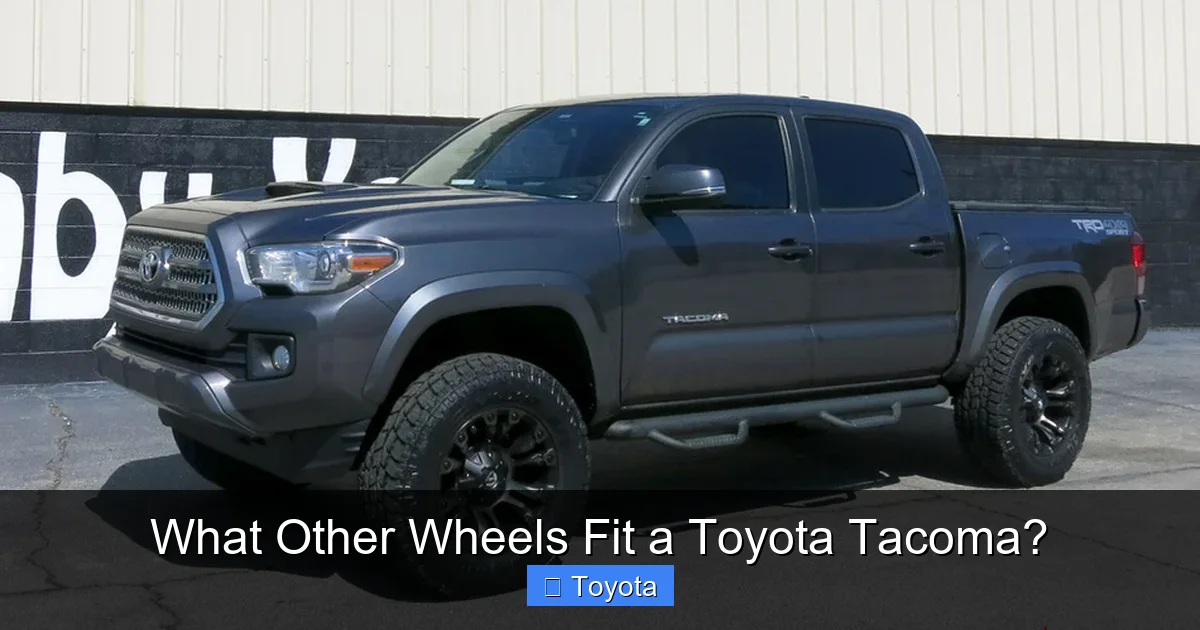
Visual guide about What Other Wheels Fit a Toyota Tacoma?
Image source: butlertire.com
While the bolt pattern has remained consistent, there are some subtle differences in wheel fitment between Tacoma generations. Knowing your truck’s generation can help you avoid fitment issues—especially if you’re mixing and matching parts or upgrading from older wheels.
First-Gen Tacoma (1995–2004)
The first-generation Tacoma is a favorite among off-roaders and resto-mod enthusiasts. These trucks originally came with 15″ wheels, often steel or basic alloy designs. The suspension is relatively simple, with solid axles and minimal brake upgrades, so wheel clearance is generally generous.
However, first-gen Tacomas have smaller brake calipers and narrower fender wells compared to newer models. This means you can often fit wider wheels and tires without major modifications—but you still need to watch your offset and backspacing. Many owners successfully run 15×8 or 16×8 wheels with +0mm to +10mm offset for a classic off-road look.
One thing to note: some first-gen models have a slightly different hub bore size. While most aftermarket wheels will fit, it’s always a good idea to use hub-centric rings if there’s a mismatch. These plastic or metal rings fill the gap between the wheel and hub, ensuring a snug fit and reducing vibration.
Second-Gen Tacoma (2005–2015)
The second-generation Tacoma brought significant upgrades, including independent front suspension (IFS), larger brakes, and more modern styling. These changes improved ride quality and handling but also tightened up wheel clearance.
Stock wheels on second-gen models range from 15″ to 17″, with offsets typically between +30mm and +40mm. The larger brake calipers (especially on TRD models) mean you’ll need to be more careful with wheel selection. Some aftermarket wheels with deep concave designs or large center caps may not clear the calipers—even if the bolt pattern and diameter are correct.
This generation also introduced more aggressive fender flares, which can help accommodate wider wheels and tires. However, if you’re running larger than stock tires (like 33″ or 35″), you may still need a lift kit or fender trimming to prevent rubbing.
Third-Gen Tacoma (2016–Present)
The current-generation Tacoma is the most popular and widely modified. It features updated suspension, larger brakes, and more refined styling. Stock wheels range from 16″ to 18″, with the TRD Pro coming standard with 16″ BBS wheels designed for off-road use.
One of the biggest changes in the third-gen is the increased use of electronic systems like traction control and stability control. These systems rely on accurate wheel speed data, so changing wheel size can affect their performance. If you go significantly larger or smaller than stock, you may need to recalibrate your speedometer or use a programmer to avoid error codes.
Third-gen Tacomas also have tighter wheel wells and more complex suspension geometry. This means fitment can be more sensitive—especially with larger wheels or aggressive offsets. Many owners find that wheels with +10mm to +25mm offset work best for a balanced look and performance.
Popular Aftermarket Wheel Brands for Tacoma
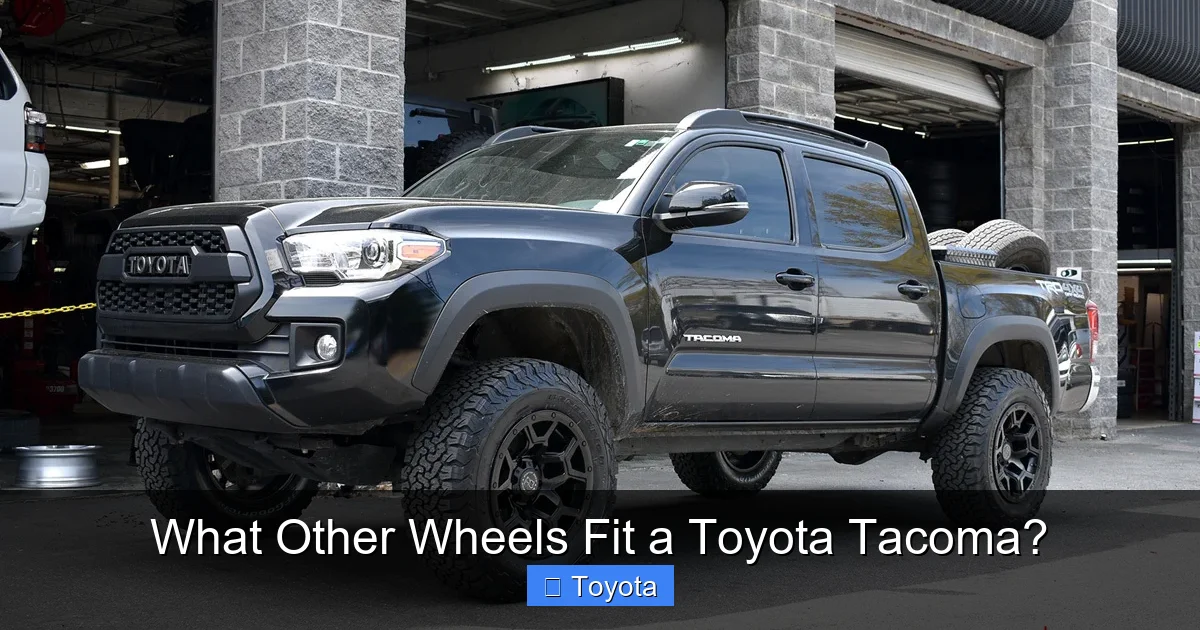
Visual guide about What Other Wheels Fit a Toyota Tacoma?
Image source: butlertire.com
Now that you understand the basics, let’s talk about where to shop. There are dozens of aftermarket wheel brands that offer Tacoma-compatible options, but not all are created equal. Some focus on off-road durability, while others prioritize style or lightweight performance.
Here are some of the most popular and reliable brands among Tacoma owners:
Method Race Wheels
Method is a favorite in the off-road community. Known for their rugged, lightweight designs, Method wheels are built to handle tough terrain. Their popular MR701 and MR108 series are designed specifically for trucks like the Tacoma, with aggressive styling and strong construction.
Most Method wheels for Tacoma come in 15″, 16″, and 17″ diameters, with widths from 8″ to 9″. They typically feature a +0mm to +15mm offset, making them ideal for lifted or leveled trucks. Many models also include a simulated beadlock ring for added toughness.
Fuel Off-Road
Fuel wheels are all about bold, aggressive styling. They offer a wide range of designs—from sleek, modern looks to rugged, industrial styles. Their D691 “Maverick” and D538 “Vapor” series are popular choices for Tacoma owners who want to make a statement.
Fuel wheels are available in sizes from 17″ to 20″, with offsets ranging from +10mm to +25mm. They’re built with high-quality materials and often feature a dual or triple finish (like matte black with machined accents). Just be sure to check clearance if you’re running larger tires or a lift.
Black Rhino
Black Rhino wheels combine military-inspired design with serious performance. Their wheels are known for deep lips, bold spokes, and durable finishes. The Arsenal and Garrison series are top picks for Tacoma owners looking for a tough, tactical look.
Black Rhino offers wheels in 17″, 18″, and 20″ sizes, with widths up to 9.5″. Most models have a +15mm to +25mm offset, making them a good fit for stock or mildly lifted trucks. They also offer custom finishes, including gloss black, bronze, and gunmetal.
Icon Alloys
Icon Alloys focuses on performance and precision. Their wheels are designed using advanced engineering to reduce unsprung weight and improve handling. The IC1007 and IC1010 series are popular for Tacomas, offering a clean, modern look with excellent strength.
Icon wheels are typically 17″ or 18″ in diameter, with widths from 8.5″ to 9″. They feature a +15mm to +25mm offset and are often used on TRD Pro models. Many owners pair them with all-terrain or mud-terrain tires for a balanced on- and off-road setup.
Stock Replacement and OEM-Style Options
If you’re not into flashy aftermarket wheels, there are plenty of OEM-style replacements available. Brands like OE Wheels and Factory Wheel Replacement offer exact replicas of factory Tacoma wheels at a fraction of the cost. These are great if you’re looking to replace damaged wheels or restore your truck to stock condition.
You can also find upgraded OEM-style wheels from Toyota itself. The TRD Pro wheels, for example, are highly sought after for their lightweight design and off-road capability. While they’re more expensive, they’re a direct fit and maintain factory clearance.
Tire and Wheel Combinations That Work
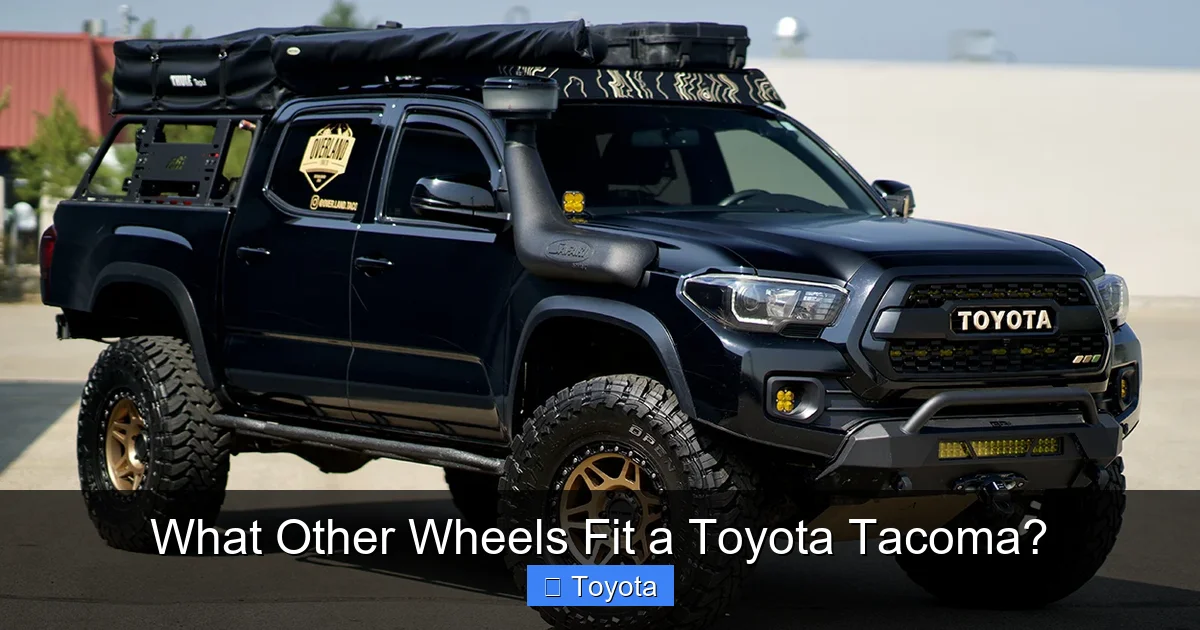
Visual guide about What Other Wheels Fit a Toyota Tacoma?
Image source: trailtacoma.com
Choosing the right wheel is only half the battle—you also need to pair it with the right tire. The combination of wheel size, tire size, and suspension setup determines how your truck will look and perform.
Here are some popular tire and wheel combinations that work well on Toyota Tacomas:
15″ Wheels with 31″ or 33″ Tires
This setup is ideal for serious off-roading. 15″ wheels allow you to run taller sidewalls, which absorb impacts better on rough terrain. A common combo is 15×8 wheels with +0mm offset and 33×12.5R15 tires like the BFGoodrich KO2 or Nitto Trail Grappler.
This setup works great on lifted or leveled Tacomas. You may need minor fender trimming or a 2″ lift to prevent rubbing, especially during full suspension compression.
16″ or 17″ Wheels with 265/70R16 or 265/65R17 Tires
These are popular for daily drivers who want a balance of comfort, fuel economy, and off-road capability. The 265/70R16 (about 31″ tall) and 265/65R17 (about 32″ tall) are common upgrades from stock.
Pair them with 16×8 or 17×8.5 wheels with +10mm to +20mm offset. This combo fits well on stock suspension or with a leveling kit. It’s a great choice if you want better traction without sacrificing ride quality.
18″ or 20″ Wheels with 275/60R20 or 275/65R18 Tires
For a more modern, street-focused look, many owners go with larger wheels and lower-profile tires. A 275/60R20 (about 33″ tall) on 20×9 wheels gives a bold stance and improved handling.
However, this setup reduces sidewall height, which can make the ride harsher and increase the risk of wheel damage on potholes or rocks. It’s best suited for paved roads or light off-roading. You may also need to recalibrate your speedometer.
Common Fitment Issues and How to Avoid Them
Even with the right specs, wheel fitment can still be tricky. Here are some common issues Tacoma owners face—and how to avoid them.
Rubbing on Fenders or Suspension
This is the most common problem. It happens when the wheel or tire is too wide, has too low an offset, or the suspension compresses too much.
**Solution:** Check your tire size and wheel offset before buying. If you’re running larger tires, consider a lift kit or leveling kit. You can also trim the fender liner or use fender flares for extra clearance.
Brake Caliper Interference
Some aftermarket wheels have deep spokes or large center caps that hit the brake caliper—especially on TRD models with larger brakes.
**Solution:** Look for wheels labeled “caliper clearance” or check reviews from other Tacoma owners. You can also measure the distance from the hub to the caliper and compare it to the wheel’s backspacing.
Vibration or Steering Issues
If your truck vibrates at highway speeds or pulls to one side, it could be due to improper wheel balance, hub-centric mismatch, or incorrect lug nut torque.
**Solution:** Always use hub-centric rings if needed. Have your wheels professionally balanced and torqued to spec (usually 85–95 ft-lbs for Tacomas).
Speedometer Inaccuracy
Changing tire size affects your speedometer reading. If you go too large, your truck may think it’s going slower than it actually is.
**Solution:** Use a tire size calculator to check the difference. If it’s more than 3%, consider using a programmer like the Hypertech Speedometer Calibrator or a tuner from Bully Dog.
Final Tips for Choosing the Right Wheels
Before you hit “buy,” here are a few final tips to ensure you get the perfect wheels for your Toyota Tacoma:
– **Know your truck’s specs:** Check your owner’s manual or look up your VIN to confirm bolt pattern, offset, and recommended tire size.
– **Measure twice:** If you’re unsure, measure your current wheels or use a fitment guide from a reputable retailer.
– **Read reviews:** Look for feedback from other Tacoma owners who’ve installed the same wheels.
– **Consider your use case:** Off-road? Daily driving? Towing? Your needs will dictate the best wheel and tire combo.
– **Don’t forget the lug nuts:** Aftermarket wheels often require specific lug nuts (like conical or spline drive). Make sure you get the right ones.
Upgrading your wheels can transform your Tacoma’s look and performance. With the right knowledge, you can make a confident choice that fits your style, budget, and driving needs.
Conclusion
So, what other wheels fit a Toyota Tacoma? The short answer: a lot of them. Thanks to the consistent 6×139.7mm bolt pattern and wide range of compatible sizes, you’ve got more options than ever. Whether you’re going for a rugged off-road build, a sleek street cruiser, or something in between, there’s a wheel out there that’s perfect for your truck.
Just remember: fitment isn’t just about looks—it’s about safety, performance, and longevity. Take the time to understand your truck’s specs, choose quality wheels from reputable brands, and don’t skip the details like offset, backspacing, and tire compatibility.
With the right setup, your Tacoma will not only turn heads but also handle whatever you throw at it—from rocky trails to daily commutes. So go ahead, upgrade those wheels, and enjoy the ride.
Frequently Asked Questions
Can I put 20-inch wheels on my Toyota Tacoma?
Yes, you can put 20-inch wheels on a Toyota Tacoma, but you may need to adjust your suspension or trim fenders to avoid rubbing. Larger wheels can also reduce ride comfort and increase the risk of damage on rough roads.
Will Ford Ranger wheels fit a Toyota Tacoma?
Yes, many Ford Ranger wheels will fit a Toyota Tacoma because both trucks use the same 6×139.7mm bolt pattern. Just make sure to check offset, backspacing, and brake clearance before installing.
What is the best offset for a lifted Tacoma?
For a lifted Tacoma, an offset between +0mm and +15mm is ideal. This provides a more aggressive stance and better tire clearance while minimizing the risk of rubbing on fenders or suspension components.
Do I need hub-centric rings for aftermarket wheels?
Hub-centric rings are recommended if there’s a mismatch between the wheel’s center bore and your Tacoma’s hub. They ensure a snug fit, reduce vibration, and improve safety, especially at high speeds.
Can I run 35-inch tires on stock wheels?
Running 35-inch tires on stock wheels is not recommended. The wheels may not support the tire width, and you’ll likely experience severe rubbing. A lift kit and wider wheels with proper offset are usually required.
Are TRD Pro wheels worth the extra cost?
TRD Pro wheels are lightweight, durable, and designed specifically for off-road use. If you’re serious about trail performance, they’re worth the investment. For casual use, aftermarket alternatives may offer similar performance at a lower price.
