
What Other Rims Fit a Dodge Ram 1500?

Not all wheels are created equal—especially when it comes to fitting your Dodge Ram 1500. While the factory specs are a great starting point, many aftermarket and OEM wheels from other vehicles can work with the right setup. This guide breaks down compatible rim sizes, bolt patterns, and real-world examples so you can upgrade confidently.
If you’re driving a Dodge Ram 1500, you already know it’s a beast of a truck—tough, reliable, and built for both work and play. But let’s be honest: the factory wheels, while functional, often lack the style or performance you might want. Whether you’re looking to upgrade for better off-road capability, improve aesthetics, or simply replace a damaged rim, you’ve probably asked yourself: *What other rims fit a Dodge Ram 1500?*
The good news? You’ve got options. A lot of them. Thanks to shared engineering standards across the truck industry, many wheels designed for other vehicles—especially full-size pickups—can fit your Ram 1500 with little to no modification. But it’s not as simple as just slapping on any old wheel. You need to understand bolt patterns, offsets, backspacing, and clearance to ensure a safe, smooth, and stylish upgrade.
In this guide, we’ll walk you through everything you need to know about rim compatibility for your Dodge Ram 1500. From factory specs to aftermarket swaps, we’ll cover which wheels from other brands (including Nissan, Ford, and GM) can work, what to watch out for, and how to make the switch without blowing your budget or risking your safety. Whether you’re a weekend warrior or a daily driver, this is your go-to resource for upgrading your Ram’s wheels the right way.
Key Takeaways
- Standard Dodge Ram 1500 bolt pattern is 5×139.7mm (5×5.5 inches): This is the most critical spec for rim compatibility across many truck brands.
- Wheel size ranges from 17 to 22 inches in diameter: Most Rams support 17″, 18″, 20″, and 22″ wheels, with varying widths and offsets.
- Many Ford, GM, Toyota, and Nissan trucks share compatible bolt patterns: This opens up a wide range of aftermarket and used wheel options.
- Offset and backspacing matter just as much as bolt pattern: Incorrect offset can cause rubbing, poor handling, or suspension damage.
- Hub-centric vs. lug-centric wheels affect ride quality: Hub-centric wheels offer better alignment and reduced vibration.
- Adapters and spacers can expand compatibility: But they must be used safely and within manufacturer guidelines.
- Always check clearance with suspension and brake components: Larger wheels may require trimming or modifications.
📑 Table of Contents
Understanding Wheel Compatibility Basics
Before you start shopping for new rims, it’s essential to understand the core specifications that determine whether a wheel will fit your Dodge Ram 1500. These aren’t just numbers on a label—they’re the blueprint for a safe and functional fit.
Bolt Pattern: The Foundation of Fit
The most important factor in wheel compatibility is the bolt pattern. For the Dodge Ram 1500, this is **5×139.7mm**, which is also commonly expressed as **5×5.5 inches**. This means the wheel has five lug nuts, and the diameter of the circle they form is 139.7 millimeters (or 5.5 inches).
This bolt pattern is shared by many other trucks, including models from Ford (like the F-150), General Motors (Silverado, Sierra), Toyota (Tundra), and Nissan (Titan). That means wheels from these vehicles often fit the Ram 1500—provided other specs align.
But don’t assume compatibility just because the bolt pattern matches. You also need to check the center bore, offset, and overall dimensions.
Center Bore and Hub-Centric Design
The center bore is the large hole in the back of the wheel that fits over the hub of your truck. On a Dodge Ram 1500, the factory center bore is **77.8mm**. If the wheel you’re considering has a smaller center bore, it won’t fit at all. If it’s larger, you’ll need a hub-centric ring (usually made of plastic or aluminum) to fill the gap and ensure the wheel is properly centered.
Hub-centric wheels are ideal because they transfer the weight of the vehicle through the hub, not the lug nuts. This reduces stress on the lugs and minimizes vibration at high speeds. Lug-centric wheels (where the lugs do all the centering) can work, but they’re more prone to imbalance and wear.
Offset and Backspacing: The Hidden Heroes
Offset refers to how far the wheel’s mounting surface is from the centerline. It’s measured in millimeters and can be positive, negative, or zero. A positive offset means the mounting surface is toward the front (street side) of the wheel; negative means it’s toward the back (brake side).
For the Ram 1500, factory offsets typically range from **+15mm to +25mm**. Going too far negative can cause the wheel to stick out too far, leading to rubbing against fenders or suspension parts. Too positive, and the wheel may sit too far in, affecting handling and potentially interfering with brake calipers.
Backspacing is related—it’s the distance from the mounting surface to the inner edge of the wheel. It’s often used interchangeably with offset in casual conversation, but they’re not the same. Both matter when determining clearance.
Wheel Size: Diameter and Width
Dodge Ram 1500s are designed to accommodate a range of wheel sizes. Most models support:
– 17-inch wheels (common on base trims and off-road packages)
– 18-inch wheels (popular for a balance of comfort and style)
– 20-inch wheels (common on higher trims and performance models)
– 22-inch wheels (often used for a bold, aggressive look)
Width typically ranges from 7.5 to 10 inches, depending on the trim and intended use. Wider wheels can improve traction and handling but may require fender flares or suspension lifts to avoid rubbing.
Always check your owner’s manual or consult a fitment guide to confirm the maximum wheel size your specific model can handle without modification.
Wheels from Other Truck Brands That Fit the Ram 1500
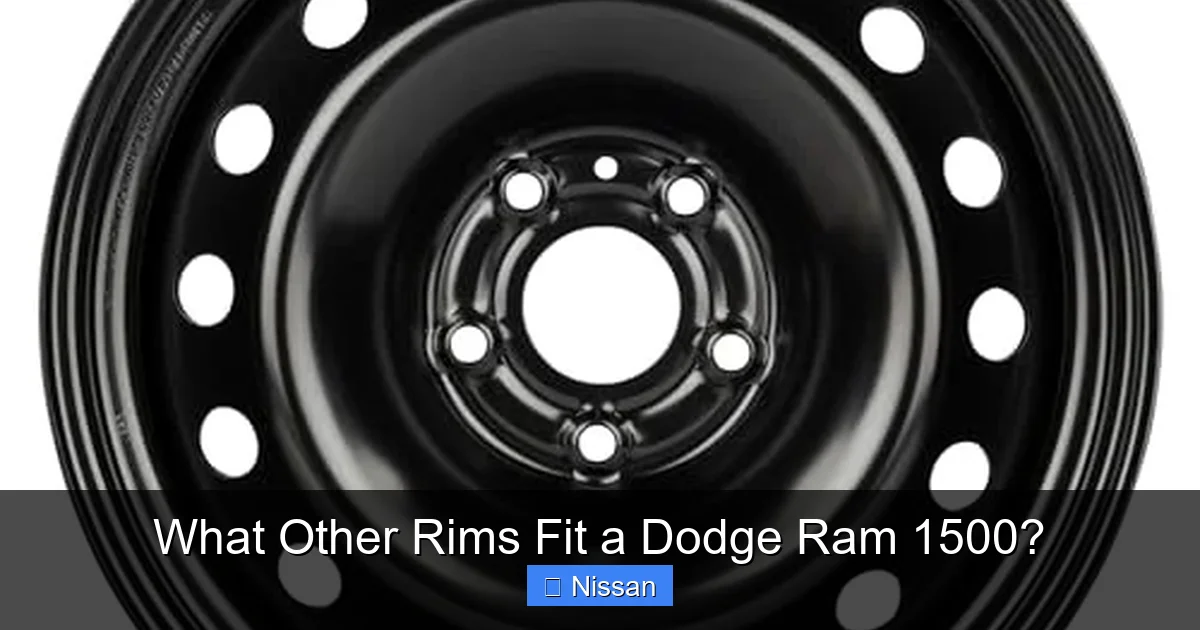
Visual guide about What Other Rims Fit a Dodge Ram 1500?
Image source: carglassadvisor.com
Now for the fun part: exploring wheels from other manufacturers that can work on your Dodge Ram 1500. Thanks to shared bolt patterns and similar hub sizes, several popular trucks offer compatible rims.
Nissan Titan Wheels
The Nissan Titan is one of the best sources for compatible wheels. It uses the same **5×139.7mm bolt pattern** and a nearly identical **77.8mm center bore**. In fact, many Titan wheels are direct bolt-ons for the Ram 1500 with no adapters needed.
Popular Titan wheel options include:
– **Nissan Titan Pro-4X 18-inch alloy wheels**: These rugged, all-terrain-ready rims are a favorite among off-roaders. They feature a aggressive spoke design and come in black or machined finishes.
– **Nissan Titan Platinum Reserve 20-inch chrome wheels**: If you’re going for a luxury look, these polished chrome rims add serious shine to your Ram.
– **Nissan Titan SV 17-inch steel wheels**: Great for winter or heavy-duty use, these durable steelies are affordable and reliable.
One thing to note: some Titan wheels have a slightly different offset than Ram factory wheels. Most fall within the acceptable range, but always double-check before installing.
Ford F-150 Wheels
The Ford F-150 also uses a **5×139.7mm bolt pattern**, making many of its wheels compatible with the Ram 1500. However, there’s a catch: the F-150 has a **77.8mm center bore**, just like the Ram, but some aftermarket Ford wheels may have a larger bore (like 87.1mm), requiring hub-centric rings.
Popular F-150 wheel options include:
– **Ford F-150 Raptor 17-inch beadlock-style wheels**: These are a favorite for off-road builds. While not true beadlocks, they have a rugged look and excellent durability.
– **Ford F-150 Lariat 20-inch machined wheels**: Sleek and modern, these wheels give your Ram a premium appearance.
– **Ford F-150 XL 17-inch steel wheels**: Budget-friendly and tough, ideal for work trucks or winter driving.
Always verify the center bore and offset. Some Ford wheels may have a more negative offset, which could cause rubbing on a stock Ram suspension.
GM Silverado and Sierra Wheels
General Motors trucks like the Chevrolet Silverado and GMC Sierra also share the **5×139.7mm bolt pattern**. However, their center bore is slightly larger—**78.1mm**—so they may require a small hub-centric ring (0.3mm) to fit perfectly on a Ram 1500.
Popular GM wheel options:
– **Chevrolet Silverado Z71 18-inch alloy wheels**: These rugged, all-terrain wheels are a great match for a Ram with off-road ambitions.
– **GMC Sierra Denali 22-inch chrome wheels**: For a high-end, luxury look, these massive chrome rims make a statement.
– **Chevrolet Silverado Work Truck 17-inch steel wheels**: Simple, strong, and affordable—perfect for utility use.
GM wheels often have a more positive offset than Ram wheels, which can help with stability but may reduce the “aggressive stance” some owners want.
Toyota Tundra Wheels
The Toyota Tundra uses the same **5×139.7mm bolt pattern** and a **110mm center bore**—significantly larger than the Ram’s 77.8mm. This means Tundra wheels will **not** fit the Ram 1500 without a hub-centric adapter or spacer.
However, if you’re willing to use adapters, Tundra wheels can be a great option. Popular choices include:
– **Toyota Tundra TRD Pro 18-inch forged wheels**: Lightweight and strong, these are excellent for performance builds.
– **Toyota Tundra Limited 20-inch alloy wheels**: Sleek and stylish, they offer a modern look.
Just remember: using adapters adds complexity and cost, and may affect warranty coverage or safety. Always use high-quality, vehicle-specific adapters and torque them properly.
Aftermarket Wheels: Expanding Your Options
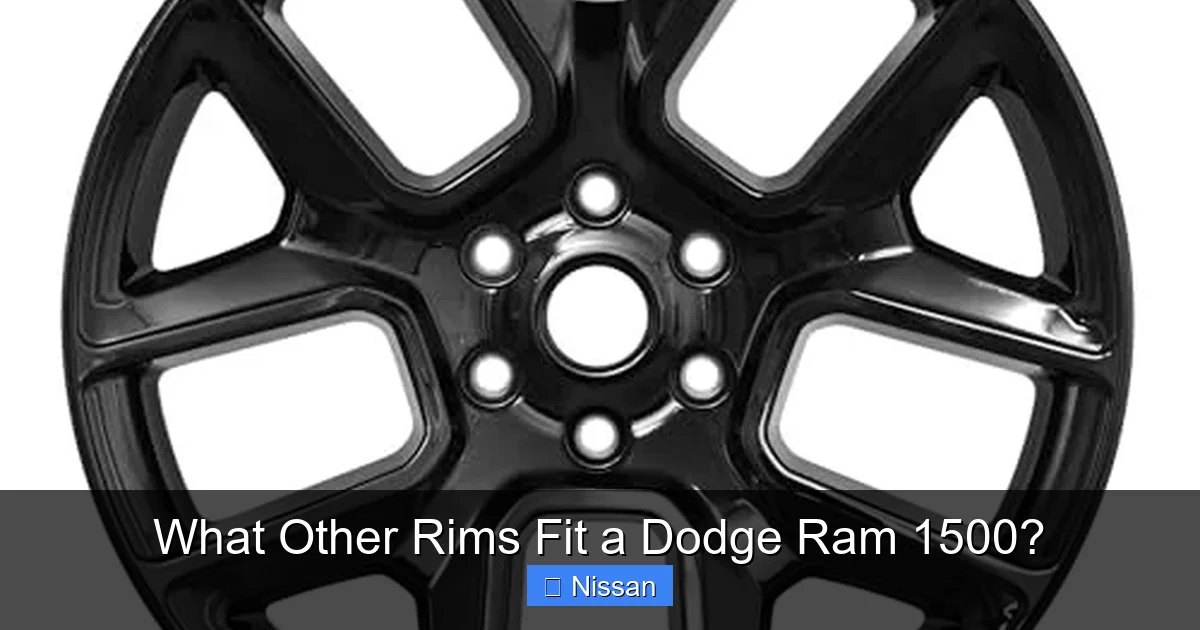
Visual guide about What Other Rims Fit a Dodge Ram 1500?
Image source: m.media-amazon.com
While OEM wheels from other trucks are a great starting point, the real freedom comes from aftermarket wheels. Hundreds of brands design wheels specifically for the 5×139.7mm bolt pattern, giving you endless choices in style, size, and performance.
Popular Aftermarket Brands for Ram 1500
Here are some top aftermarket wheel manufacturers that offer excellent options for the Dodge Ram 1500:
– **Fuel Off-Road**: Known for aggressive, off-road-ready designs. Their “Fuel D666” and “D538” series are favorites among Ram owners.
– **Method Race Wheels**: Lightweight and durable, perfect for overlanding and trail use. The “MR701” and “MR108” are popular choices.
– **XD Series (by KMC)**: Offers a wide range of styles from rugged to refined. The “XD820” and “XD836” are top sellers.
– **American Racing**: Classic designs with modern engineering. Their “Torq-Thrust” and “AR172” wheels are timeless.
– **Black Rhino**: Known for bold, military-inspired designs. The “Warlord” and “Alamo” series are eye-catching and tough.
These brands often provide detailed fitment guides, so you can easily find wheels that match your Ram’s year, trim, and suspension setup.
Choosing the Right Finish and Style
Aftermarket wheels come in a variety of finishes:
– **Machined/Brushed**: Aluminum with a polished, metallic look. Great for showing off spoke details.
– **Matte Black**: Sleek and modern, hides dirt well, and pairs nicely with lifted trucks.
– **Gloss Black**: Bold and shiny, but shows scratches and brake dust more easily.
– **Chrome**: Classic and flashy, but requires regular cleaning to maintain shine.
– **Painted (e.g., gunmetal, bronze)**: Unique colors that stand out and complement specific paint jobs.
Consider your driving environment. If you’re off-roading, matte black or painted finishes are more practical. For city driving, chrome or machined wheels might be more appealing.
Performance and Weight Considerations
Not all wheels are created equal when it comes to performance. Lighter wheels improve acceleration, braking, and fuel economy. Heavier wheels can add unsprung weight, which affects handling and ride quality.
Forged wheels (like those from Method or Fuel) are stronger and lighter than cast wheels, but they’re also more expensive. If you’re serious about performance or off-roading, investing in forged wheels is worth it.
Also, consider load rating. Your Ram 1500 has a specific weight capacity, and your wheels must be rated to handle it. Most aftermarket wheels list a load rating (e.g., 2,500 lbs per wheel), so make sure it meets or exceeds your truck’s requirements.
Using Wheel Adapters and Spacers
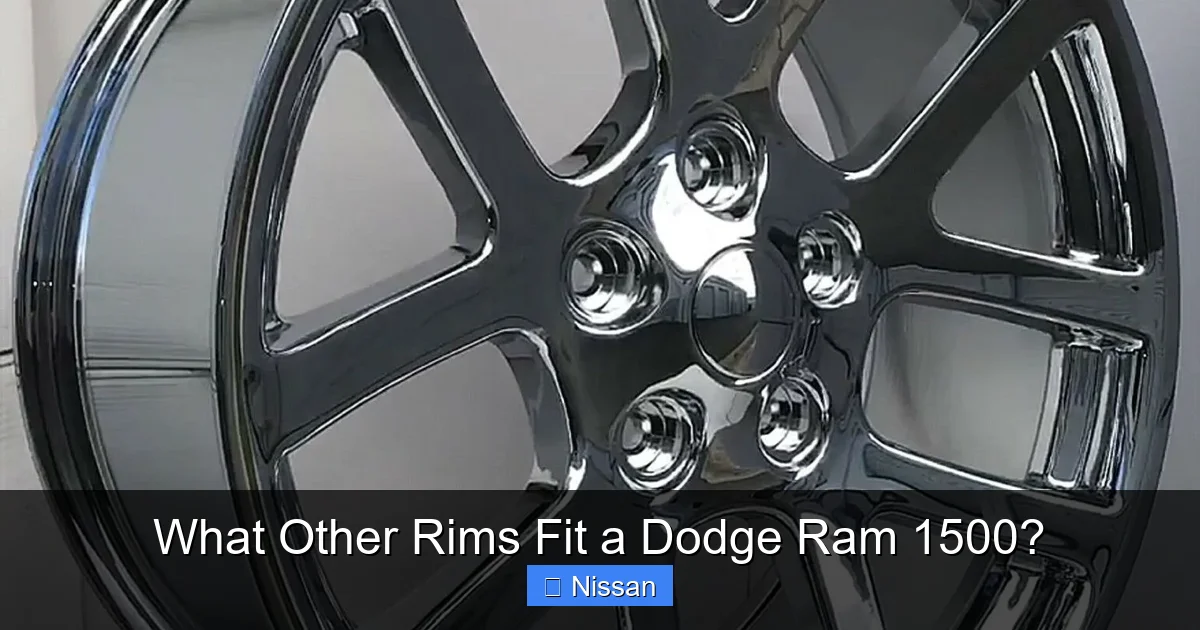
Visual guide about What Other Rims Fit a Dodge Ram 1500?
Image source: rwreplicas.com
Sometimes, you fall in love with a wheel that doesn’t perfectly match your Ram’s specs. That’s where adapters and spacers come in.
What Are Wheel Adapters?
Wheel adapters change the bolt pattern and/or center bore to allow a wheel from one vehicle to fit another. For example, you could use a 5×139.7mm to 6x135mm adapter to mount Ford F-150 wheels (which are 6-lug) on your Ram—though this is less common.
Adapters also help with center bore issues. If a wheel has a larger center bore than your hub, an adapter with a built-in hub-centric ring can bridge the gap.
What Are Wheel Spacers?
Spacers are simpler—they sit between the hub and the wheel, pushing the wheel outward. They don’t change the bolt pattern but increase the offset (making it more negative). This can improve stance and clearance for larger tires.
However, spacers add stress to wheel bearings and suspension components. They should be used sparingly and only with high-quality, hub-centric designs.
Safety and Legal Considerations
Using adapters or spacers isn’t without risk. Poorly made or improperly installed adapters can fail, leading to wheel separation—a serious safety hazard.
Always:
– Use adapters/spacers from reputable brands (e.g., BORA, Spidertrax, Wheel Spacers.com)
– Torque lug nuts to manufacturer specs in a star pattern
– Recheck torque after 50–100 miles
– Avoid using spacers with more than 1.5 inches of thickness on a daily driver
Also, check local laws. Some states restrict or ban the use of wheel spacers, especially on public roads.
Installation Tips and Common Mistakes to Avoid
Even with the right wheels, installation matters. A poor install can ruin your upgrade—or worse, cause an accident.
Proper Torquing and Lug Nut Maintenance
Always use a torque wrench to tighten lug nuts. Over-tightening can warp rotors or strip threads; under-tightening can lead to loose wheels.
The recommended torque for a Dodge Ram 1500 is **110–120 ft-lbs**, but check your owner’s manual for exact specs. Use a star pattern (not circular) to ensure even pressure.
Re-torque after the first 50–100 miles, as wheels can settle.
Checking for Clearance Issues
Before driving, turn the steering wheel lock-to-lock and check for rubbing against fenders, suspension, or brake lines. Lift the truck and spin each wheel by hand to listen for scraping.
If you hear rubbing, you may need:
– A suspension lift or leveling kit
– Fender flares or trimming
– Smaller tires or different offset wheels
Avoiding Common Pitfalls
– **Ignoring TPMS sensors**: If your Ram has Tire Pressure Monitoring System (TPMS), you’ll need to transfer the sensors to the new wheels or buy new ones.
– **Mixing wheel types**: Don’t mix different brands, sizes, or offsets on the same axle—this can cause handling issues.
– **Skipping alignment**: New wheels can throw off your alignment. Get a professional alignment after installation.
– **Buying used wheels without inspection**: Check for cracks, bends, or corrosion. A bent wheel can cause vibration and premature tire wear.
Conclusion: Making the Right Choice for Your Ram
Upgrading the wheels on your Dodge Ram 1500 is one of the most impactful modifications you can make. It affects not just how your truck looks, but how it drives, handles, and performs. And thanks to the widespread use of the 5×139.7mm bolt pattern, you’ve got more options than ever—from Nissan Titan rims to Ford F-150 alloys and high-performance aftermarket wheels.
The key is doing your homework. Match the bolt pattern, center bore, offset, and size to your truck’s specs. Consider your driving needs—whether it’s off-roading, towing, or daily commuting—and choose wheels that balance style, function, and safety.
Don’t forget the little things: proper installation, torque specs, and clearance checks. And if you’re using adapters or spacers, invest in quality and follow best practices.
With the right wheels, your Ram 1500 won’t just turn heads—it’ll handle better, ride smoother, and feel more like *your* truck. So go ahead, explore those options, and find the perfect set of rims that fit your ride and your lifestyle.
Frequently Asked Questions
Can I use Nissan Titan wheels on a Dodge Ram 1500?
Yes, Nissan Titan wheels are highly compatible with the Dodge Ram 1500. They share the same 5×139.7mm bolt pattern and 77.8mm center bore, making many Titan wheels direct bolt-ons with no modifications needed.
Will Ford F-150 wheels fit my Ram 1500?
Most Ford F-150 wheels will fit the Ram 1500 due to the matching 5×139.7mm bolt pattern. However, check the center bore—some F-150 wheels have a larger bore and may require hub-centric rings for a proper fit.
What size wheels can I put on a Dodge Ram 1500?
The Ram 1500 supports wheel diameters from 17 to 22 inches. Common sizes include 17″, 18″, 20″, and 22″, with widths ranging from 7.5 to 10 inches depending on trim and suspension setup.
Do I need wheel spacers for aftermarket rims?
Not necessarily. Spacers are only needed if the wheel’s offset causes rubbing or if you want a more aggressive stance. Use them sparingly and only with high-quality, hub-centric designs.
Can I mix different wheel brands on my Ram?
It’s not recommended. Mixing brands, sizes, or offsets can lead to handling issues, uneven wear, and safety risks. Stick to matching wheels on each axle.
How do I know if a wheel will clear my brakes?
Check the wheel’s backspacing and inner barrel clearance. If the wheel sits too close to the brake caliper, it may rub. Consult fitment guides or test-fit before driving.