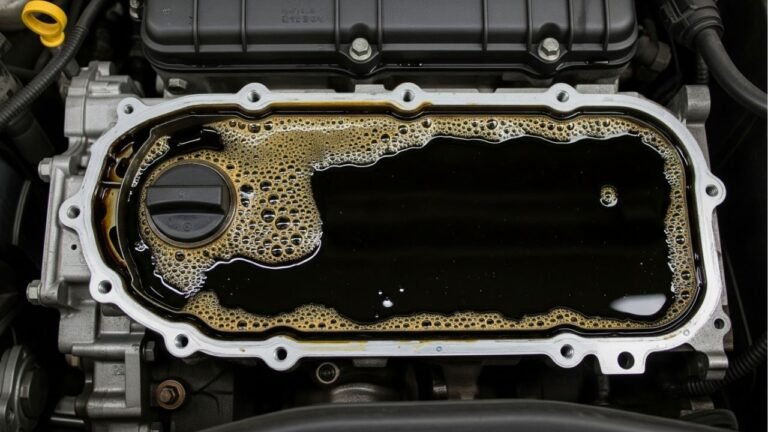
What Kind of Oil for Subaru Forester: Ultimate Guide for Optimal Performance
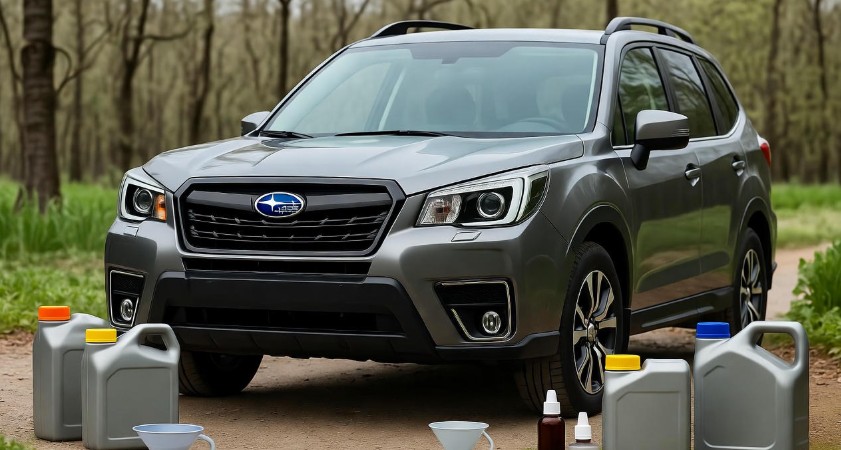
If you’re a Subaru Forester owner, you already know this car isn’t just a vehicle—it’s a dependable companion for daily commutes, weekend trips, and everything in between. But here’s something many drivers overlook: the kind of oil you choose can make or break your Forester’s performance. Choosing the right oil for Subaru Forester is more than a simple maintenance task—it’s an investment in your car’s health, fuel economy, and longevity.
When I first got my Forester, I didn’t think much about oil types. I used whatever my local shop recommended. But after noticing sluggish starts during winter and poor mileage, I realized the oil type truly mattered. That’s when I started exploring the science behind oil viscosity, the difference between synthetic and conventional oils, and Subaru’s official recommendations.
In this detailed guide, we’ll dive into everything you need to know—oil grades, synthetic vs. conventional oil, viscosity ratings, and how to choose the best oil for your specific model and driving conditions. By the end, you’ll know exactly what kind of oil keeps your Subaru Forester running like new.
In This Article
- 1 Understanding Subaru Forester Oil Recommendations
- 2 Synthetic vs. Conventional Oil: What’s Better for Your Forester?
- 3 The Role of Oil Viscosity in Performance
- 4 Factors to Consider When Choosing the Best Oil for Subaru Forester
- 5 Signs You Might Be Using the Wrong Oil
- 6 Optimal Oil Change Intervals for Your Subaru Forester
- 7 Tips for Maintaining Engine Health with the Right Oil
- 8 Common Myths About Subaru Forester Oil
- 9 Choosing the Right Oil for Different Subaru Forester Models
- 10 Frequently Asked Questions (FAQs)
- 11 Conclusion: Prioritize Quality for Your Subaru Forester
Understanding Subaru Forester Oil Recommendations
Subaru designs its engines with precise requirements, and the oil you use plays a huge role in how efficiently it performs. Most Subaru Forester models, especially from 2011 onwards, are designed to run best on 0W-20 synthetic oil. This specific grade ensures the right balance of protection, lubrication, and efficiency.
Let’s break down what that number means. The “0W” part indicates how well the oil flows in cold temperatures—perfect for early morning starts or winter drives. The “20” refers to the oil’s viscosity at high operating temperatures. In simple words, 0W-20 oil remains thin enough in the cold but doesn’t lose its protective thickness when the engine heats up.
For older Forester models, 5W-30 oil might still be recommended. This type is slightly thicker and provides excellent protection for engines that have seen more miles or operate in hotter climates.
Here’s a quick summary:
| Oil Grade | Best For | Benefits |
|---|---|---|
| 0W-20 Synthetic | Modern Subaru Forester models | Better fuel economy, smoother cold starts |
| 5W-30 Synthetic or Conventional | Older models or warmer climates | Extra engine protection under high heat |
Remember: always double-check your owner’s manual. Subaru tailors its oil recommendations for each engine type, and sticking to those guidelines helps you maintain warranty coverage and engine health.
Synthetic vs. Conventional Oil: What’s Better for Your Forester?
When choosing what kind of oil for Subaru Forester, you’ll face one major decision—synthetic vs. conventional oil. And trust me, understanding the difference can save you from unnecessary engine wear and poor performance.
Synthetic oil is like a finely tuned athlete. It’s engineered for consistency and endurance. Every molecule is designed to perform under pressure, keeping your engine clean, efficient, and responsive. It resists breakdown under heat, flows easily during cold starts, and prevents sludge formation that can damage your engine over time.
On the other hand, conventional oil is derived from crude oil and refined to meet general performance standards. It’s cheaper and perfectly fine for basic driving needs. But in harsh conditions—like extreme heat, cold, or heavy towing—it tends to lose its viscosity and protection faster.
From my experience, switching to full synthetic oil in my Forester was a game-changer. My engine ran quieter, I noticed smoother acceleration, and my fuel economy improved slightly. Plus, I didn’t have to change the oil as frequently, saving me both time and money in the long run.
If your Forester is a newer model, Subaru specifically recommends synthetic oil. Older models that used conventional oil can often be upgraded to synthetic, but it’s always best to confirm with your mechanic first.
The Role of Oil Viscosity in Performance
Viscosity might sound like a complicated term, but it’s really about how “thick” or “thin” the oil is and how it behaves under different temperatures. For your Subaru Forester, this is one of the most critical factors in maintaining engine performance.
Think of oil as your engine’s lifeblood. When it’s too thick, it struggles to circulate during cold starts. When it’s too thin, it can’t provide enough protection when the engine gets hot. The right viscosity ensures a perfect balance—quick lubrication at startup and solid protection during long drives.
That’s why Subaru recommends 0W-20 for most modern Foresters. The “0” means it flows easily in cold weather, while “20” ensures stability when the engine heats up. For drivers in warmer regions or those with older vehicles, 5W-30 offers slightly thicker protection, ideal for high-mileage engines or frequent towing.
Here’s how viscosity affects performance:
-
Better cold starts: Thin oil like 0W-20 flows faster, preventing engine wear during startup.
-
Improved fuel efficiency: Low-viscosity oils reduce friction, helping your engine run more efficiently.
-
Enhanced protection: Higher-viscosity oils protect better in high-heat conditions.
In short, choosing the right viscosity is about adapting your oil to your climate, driving habits, and vehicle age.
Factors to Consider When Choosing the Best Oil for Subaru Forester
Picking the right oil isn’t just about following a chart—it’s about understanding how and where you drive. Your environment, maintenance habits, and even driving style play a big part in finding the best oil for Subaru Forester.
Here are the main factors you should consider:
-
Driving Conditions: If you often drive in stop-and-go traffic, take long highway trips, or navigate rough terrain, you need an oil that handles stress. Synthetic oils perform better in such scenarios.
-
Temperature Range: Living in a cold climate? Go for 0W-20 for easy cold starts. If you live somewhere hot, 5W-30 might give better protection against heat.
-
Model Year: Newer Foresters almost always require full synthetic oil. Older models can sometimes use conventional or a blend, depending on engine wear.
-
Mileage: High-mileage Foresters benefit from high-mileage synthetic oils, designed to reduce leaks and oil burn-off.
-
Oil Change Interval: Synthetic oils can last up to 7,500 miles or more, while conventional oils may need changing every 3,000–5,000 miles.
These factors aren’t just numbers—they reflect how your car lives its daily life. Whether it’s a weekend mountain trip or a freezing morning commute, choosing wisely ensures your Forester’s engine runs strong for years.
Signs You Might Be Using the Wrong Oil
Using the wrong oil might not destroy your engine overnight, but over time, it can cause serious problems. If your Subaru Forester isn’t performing as smoothly as usual, oil could be the culprit.
Some warning signs include:
-
Louder engine noise: Oil that’s too thin might not lubricate properly, causing friction.
-
Poor fuel economy: The wrong oil can make your engine work harder, reducing mileage.
-
Oil leaks or burning smell: Wrong viscosity can lead to seal damage or excessive oil consumption.
-
Slow starts in cold weather: If the oil is too thick, it may not circulate fast enough during startup.
-
Check engine light: Inconsistent lubrication can trigger sensors to detect engine irregularities.
I once mistakenly used 10W-40 oil during a winter oil change because the shop ran out of 0W-20. Within days, I noticed rough idling and sluggish acceleration. After switching back to the right oil, everything returned to normal.
This experience taught me that oil isn’t one-size-fits-all—even small differences matter. Always double-check before changing oil types, and trust Subaru’s guidelines.
Optimal Oil Change Intervals for Your Subaru Forester
Once you’ve chosen the right oil, the next question is: how often should you change it? For a Subaru Forester, sticking to the correct oil change schedule is just as important as selecting the right type of oil.
Most modern Subaru Foresters running synthetic 0W-20 oil benefit from oil change intervals of around 6,000 miles or 6 months, whichever comes first. If you drive under severe conditions—like extreme heat, heavy traffic, towing, or frequent off-road adventures—you might want to shorten that interval to every 4,000 miles. For conventional oil, intervals are generally shorter, often around 3,000–5,000 miles, due to faster degradation.
From personal experience, setting a recurring calendar reminder for oil changes has been a lifesaver. I once delayed my oil change by a few thousand miles and noticed minor engine knocking. Switching back to fresh oil resolved it immediately, proving just how sensitive Subaru engines can be to proper lubrication.
Regular oil changes not only prevent sludge buildup but also enhance fuel efficiency, reduce engine wear, and extend the life of your Subaru Forester. Think of it like giving your car a refreshing, rejuvenating drink every few months—it keeps it running happily.
Tips for Maintaining Engine Health with the Right Oil
Using the correct oil is just one piece of the puzzle. To get the most out of your Forester, you need a few simple but effective maintenance habits.
-
Check Oil Level Regularly: Even synthetic oil can drop over time due to leaks or consumption. Make it a habit to check the dipstick monthly.
-
Use High-Quality Oil Filters: The filter works hand-in-hand with oil to keep contaminants away from the engine. Investing in a premium filter ensures cleaner oil circulation.
-
Watch for Unusual Engine Behavior: Sluggish acceleration, noises, or smoke can indicate oil issues. Addressing problems early prevents costly repairs.
-
Avoid Mixing Oil Types: Switching between synthetic and conventional oil occasionally isn’t ideal. Consistency ensures your Forester’s engine operates at peak efficiency.
-
Keep Track of Mileage and Oil Life: Many Subaru models have an oil life monitoring system. Pay attention to it—it’s more accurate than guessing.
Maintaining these habits transforms oil from a simple fluid into a true engine performance ally, protecting your Forester and giving you peace of mind on every journey.
Common Myths About Subaru Forester Oil
When it comes to what kind of oil for Subaru Forester, there are several myths that can mislead owners. Let’s clear them up:
-
“Any oil will do as long as it’s labeled for cars.”
Not true. Subaru engines require specific viscosity and quality standards. Using generic oil can reduce fuel efficiency and engine life. -
“Synthetic oil damages older engines.”
Modern synthetic oils are safe for older engines. In fact, high-mileage synthetics can reduce leaks and protect worn seals. -
“Changing oil more often is unnecessary if I drive gently.”
Even light driving produces condensation and contaminants in the oil. Sticking to recommended intervals is essential. -
“Thicker oil is always better for engine protection.”
Thicker oil may increase protection in extreme heat, but it can reduce fuel efficiency and strain the engine in normal conditions. Always follow Subaru’s recommended viscosity. -
“Once I switch to synthetic, I never need to check it again.”
No oil lasts forever. Even synthetic requires regular monitoring and timely changes to ensure optimal engine performance.
Dispelling these myths can save you from costly mistakes and keep your Subaru Forester running smoothly.
Choosing the Right Oil for Different Subaru Forester Models
Not all Foresters are created equal. Depending on your model year and engine type, the best oil may vary. Here’s a brief guide:
-
Subaru Forester 2019–Present: Full synthetic 0W-20 is standard. Perfect for fuel economy and all-weather performance.
-
Subaru Forester 2013–2018: 0W-20 synthetic is still preferred, though 5W-30 may be acceptable in older engines with higher mileage.
-
Older Models (Pre-2013): Depending on engine wear and climate, conventional or synthetic blend oils may be used, but synthetic is recommended for long-term reliability.
Always cross-check with your owner’s manual and, if unsure, consult a certified Subaru mechanic. Using the right oil type and viscosity can prevent engine wear, overheating, and other avoidable issues.
Frequently Asked Questions (FAQs)
1. What kind of oil does a Subaru Forester need?
Most Subaru Foresters require full synthetic oil, usually with a viscosity of 0W-20, ensuring excellent cold-start performance and engine protection.
2. How often should I change the oil in my Subaru Forester?
For synthetic oil, every 6,000 miles or 6 months is recommended. Under severe driving conditions, consider every 4,000 miles.
3. Can I use conventional oil in my Subaru Forester?
While conventional oil can work in older models, synthetic oil provides superior protection, especially for modern Foresters.
4. What happens if I use the wrong oil?
Incorrect oil can lead to reduced fuel efficiency, engine noise, sludge buildup, and potentially long-term engine damage.
5. Is high-mileage oil beneficial for older Foresters?
Yes. High-mileage oils are formulated with additives that reduce leaks and oil consumption in older engines.
6. Can I mix synthetic and conventional oil?
It’s not recommended. Mixing oils may reduce performance and protection. Stick to one type consistently.
7. How do I know if my oil needs changing?
Look for dark, dirty oil on the dipstick, engine noise, or your Subaru’s oil life monitoring system.
8. Does using synthetic oil improve fuel efficiency?
Yes. Synthetic oil reduces engine friction, often leading to better mileage and smoother performance.
Conclusion: Prioritize Quality for Your Subaru Forester
Choosing the right oil for Subaru Forester isn’t just a technical detail—it’s a vital step in preserving your vehicle’s longevity, efficiency, and reliability. From viscosity to synthetic versus conventional options, understanding the nuances of oil helps you make smarter decisions and avoid unnecessary engine wear.
Think of your oil as the heart of your engine—it needs the right nourishment to perform at its best. Following Subaru’s guidelines, considering your driving habits, and maintaining regular oil checks will ensure that your Forester remains as dependable as the day you bought it. By investing in high-quality oil and proper maintenance, you’re not just protecting an engine—you’re safeguarding countless adventures, smooth commutes, and years of driving pleasure.
So next time you reach for that oil bottle, remember: quality, consistency, and the right viscosity make all the difference. Treat your Forester well, and it will reward you with performance, reliability, and peace of mind on every journey.