What Is the Trade-in Value of a 2016 Toyota Corolla?

Contents
- 1 Key Takeaways
- 2 📑 Table of Contents
- 3 Understanding the 2016 Toyota Corolla’s Value Proposition
- 4 The Core Valuation Factors: What Dealerships Really Look At
- 5 How to Get an Accurate 2016 Corolla Trade-In Value: A Practical Guide
- 6 Maximizing Your Offer: The Pre-Appraisal Checklist
- 7 Common Pitfalls to Avoid: Don’t Leave Money on the Table
- 8 Alternatives to the Traditional Dealer Trade-In
- 9 Frequently Asked Questions

Phone Mount for Bike

Parking Sensor Kit

Car Battery Tester

Car Sunshade for Windshield
The trade-in value of a 2016 Toyota Corolla typically ranges from $10,000 to $16,000, depending heavily on mileage, condition, trim level, and regional market demand. This reliable sedan holds its value exceptionally well, but getting the top dollar requires preparation and knowing how dealerships appraise it. This guide breaks down exactly what affects your Corolla’s worth and provides actionable steps to secure the highest possible trade-in offer.
So, you’re thinking about trading in your 2016 Toyota Corolla. Maybe you’re eyeing a newer model, a different type of vehicle, or just ready for a change. The first question that pops up is always the same: “What’s this thing actually worth?” It’s a smart question. Your Corolla has been a faithful companion, and you want every possible dollar for it. The truth is, the trade-in value isn’t a single magic number. It’s a range influenced by a cocktail of factors that you, as the owner, have significant control over. This guide will walk you through every single one of those factors, give you a realistic valuation for the 2016 model year, and arm you with a step-by-step strategy to walk into any dealership with confidence and walk out with the best possible check.
Key Takeaways
- Value Range is Broad: Expect a 2016 Corolla to trade between $10k-$16k. Base L models with high mileage fall at the low end, while well-maintained SE or XLE trims with low miles command premiums.
- Mileage is King: Average mileage (around 12k miles/year) is critical. Every 10,000 miles over the average can deduct $1,000-$1,500 from your value.
- Condition Trumps All: A flawless, well-documented service history can add thousands. Even minor cosmetic damage or unaddressed maintenance can significantly lower an offer.
- Season & Location Matter: Values peak in spring/summer and in regions with harsh winters where reliable transportation is always in demand.
- Get Multiple Offers: Never accept the first offer. Use online valuations as a baseline, then get written offers from at least 3 dealerships or use a digital retail platform like CarMax or Carvana.
- Prepare Your Car: A thorough clean, fixing minor issues (like a burnt-out bulb), and gathering all service records are low-cost, high-impact steps to boost your appraisal.
- Separate the Negotiations: Always negotiate the trade-in value *after* you have a firm purchase price on your next vehicle to avoid the dealer confusing the two numbers.
📑 Table of Contents
- Understanding the 2016 Toyota Corolla’s Value Proposition
- The Core Valuation Factors: What Dealerships Really Look At
- How to Get an Accurate 2016 Corolla Trade-In Value: A Practical Guide
- Maximizing Your Offer: The Pre-Appraisal Checklist
- Common Pitfalls to Avoid: Don’t Leave Money on the Table
- Alternatives to the Traditional Dealer Trade-In
Understanding the 2016 Toyota Corolla’s Value Proposition
Before we dive into numbers, we need to understand why the 2016 Corolla holds its value so well. It’s not just nostalgia; it’s reputation built over decades. The 2016 model year represents the tail end of the 11th generation Corolla. It’s the car that perfected the formula: incredibly reliable, fuel-efficient, cheap to maintain, and unbelievably practical. For a used car buyer, especially one looking for a no-fuss, low-risk sedan, a well-kept 2016 Corolla is a gold standard. This strong residual value is your biggest ally. While many sedans from this era have depreciated sharply, the Corolla remains a sought-after commodity in the used market. This baseline demand means your starting point is already higher than many competitors from the same year.
The Trimmings: L, LE, SE, XLE
Your specific trim level is the first major value differentiator. The 2016 Corolla came in four main trims:
- L: The base model. It’s a great car, but lacks features like alloy wheels, a sunroof, or premium audio. Lowest trade-in value.
- LE: The most popular trim. Adds keyless entry, cruise control, a 6.1-inch touchscreen, and more comfort features. Represents the bulk of the market value.
- SE: The sportier look with a rear spoiler, black interior accents, and a leather-wrapped steering wheel. Commands a small premium over the LE.
- XLE: The top trim with leather seats, a sunroof, and advanced safety features like Toyota’s Safety Sense (on later 2016 models). This is where the highest values live.
Knowing your exact package is step one. Check your window sticker or VIN for specifics. A loaded XLE in good shape is a different animal from a base L.
The Core Valuation Factors: What Dealerships Really Look At
When a used car manager appraises your vehicle, they run through a mental (or digital) checklist. It’s not personal; it’s a business calculation. Here’s what they’re weighing, in order of importance.
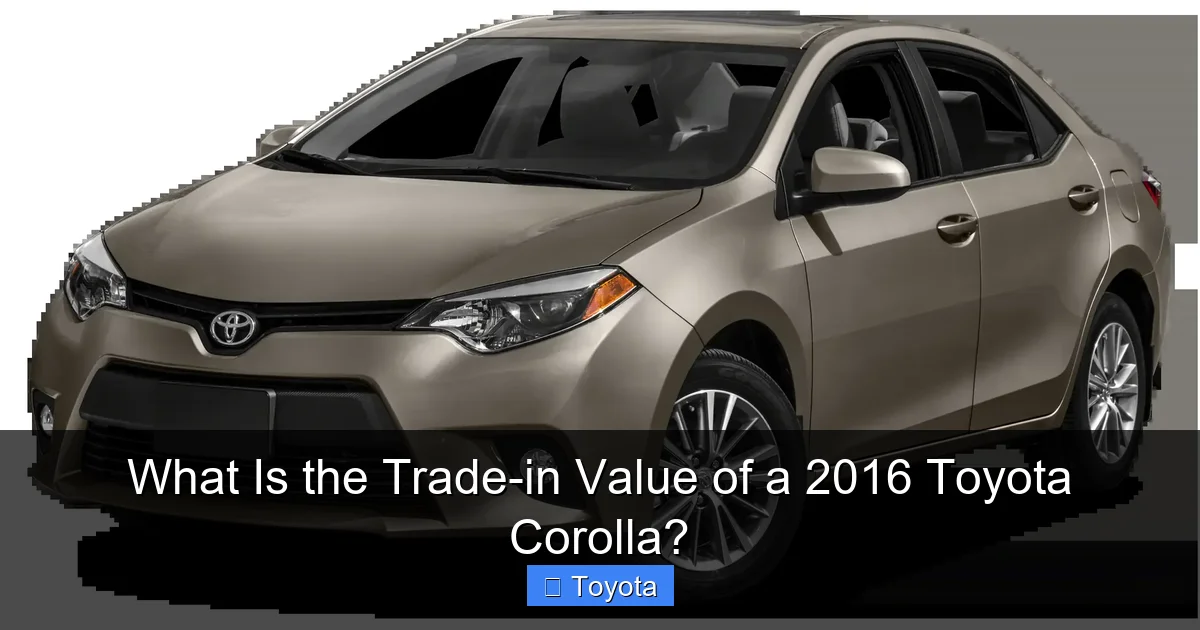
Visual guide about What Is the Trade-in Value of a 2016 Toyota Corolla?
Image source: platform.cstatic-images.com
1. Mileage: The Unforgiving Metric
This is the single biggest factor. The national average annual mileage is about 12,000 miles. For a 2016 model, that means a “healthy” odometer reading in 2024 would be around 96,000 miles. Your car’s deviation from this average is the first adjustment a dealer makes.
- Below Average (e.g., 70,000 miles): This is a major plus. It suggests gentler use and potentially more life left in the major components. Expect a $2,000-$3,000 premium over the average-mileage equivalent.
- Average (90,000 – 105,000 miles): This is your baseline. The value is solid and predictable.
- Above Average (e.g., 130,000+ miles): This is the biggest value killer. High mileage signals impending maintenance (tires, brakes, suspension, possibly the timing belt/water pump service if not done). Deduct $1,500-$2,500 or more, depending on how high it is.
Pro Tip: If your mileage is high but you have meticulous service records proving major maintenance items were just addressed (like new tires, brakes, and a timing belt service), use that as a bargaining chip. It offsets the “high miles” concern.
2. Mechanical & Cosmetic Condition: The “Reconditioning Cost”
Dealerships don’t buy your car to sell it as-is. They buy it, spend money fixing it up (called “reconditioning”), and then put it on their lot. They subtract their estimated reconditioning cost from the offer they give you. Your goal is to make that estimate as low as possible.
Mechanical: They’ll check for any warning lights (check engine, ABS, airbag), test drive for noises or pulling, and verify maintenance. Is the oil changed? Are the tires worn? Is the transmission shifting smoothly? Any needed repair is a direct deduction.
Cosmetic: This is where you can save thousands with a weekend’s work.
- Exterior: Deep scratches, dents, rust, or hail damage are expensive to fix. A small dent might cost $300 to paintless dent repair; a rusted quarter panel is a $1,500+ job.
- Interior: Stains, tears, burns, or pervasive odors (smoke, pets) are deal-breakers for many buyers and costly to remediate. A ripped seat or stained headliner is a major red flag.
- Glass & Lights: Chipped windshields or cracked headlights/taillights are immediate deductions. They are safety items and must be replaced.
Actionable Step: Before any appraisal, do a brutally honest walk-around. Fix what you can cheaply: replace worn wiper blades, change the oil, top off all fluids, clean the interior meticulously, and fix any burnt-out bulbs. If a minor scratch is bothering you, consider a touch-up pen (a related skill is knowing how to maintain your vehicle’s appearance). For major issues, get written repair estimates. Knowing it will cost $800 to fix the AC will help you counter a lowball offer.
3. Vehicle History & Documentation
A clean Carfax or AutoCheck report is worth real money. It proves:
- No major accidents (frame damage is the worst).
- Consistent mileage readings.
- A stable ownership history (1-2 owners is ideal).
- That all scheduled maintenance was performed and logged.
If you have a thick folder of oil change receipts, tire rotations, and repair invoices from reputable shops, present it proudly. It tells a story of a cared-for car. A missing history or a reported accident, even a minor one, will shave hundreds, sometimes thousands, off the value. If your car has been in an accident but was repaired perfectly, be upfront. A hidden history will be discovered during the dealer’s own report check and will destroy trust.
4. Regional Demand & Seasonality
Your zip code matters. A Corolla is in high demand everywhere, but demand spikes in certain places:
- Cold Weather States: In Minnesota or upstate New York, a reliable, fuel-efficient sedan that starts in -20°F weather is a necessity. Values can be 5-10% higher than the national average.
- Urban vs. Rural: In dense cities where parking is tight, smaller sedans are prized. In rural areas, trucks and SUVs might command more attention, slightly softening Corolla demand.
- Season: Spring and early summer are peak buying seasons. People are shopping for vacation vehicles. Trade-in values tend to be strongest then. In the dead of winter, dealerships are slower and may be tighter on offers.
How to Get an Accurate 2016 Corolla Trade-In Value: A Practical Guide
Now that you know the factors, it’s time for the numbers. You need a valuation range, not a single number.
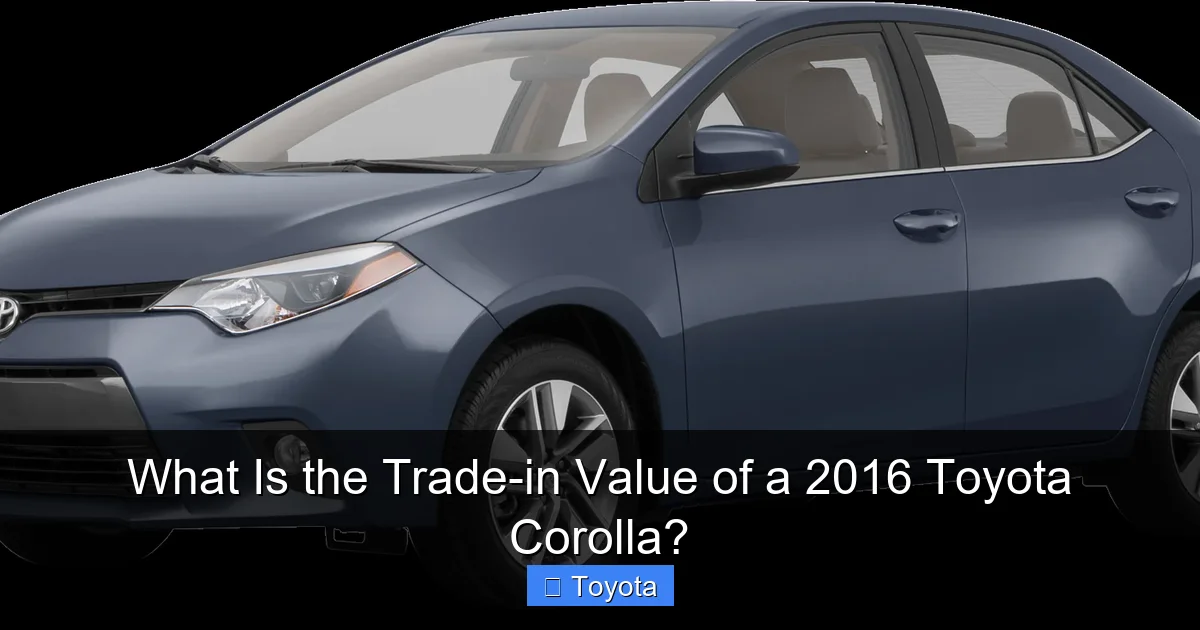
Visual guide about What Is the Trade-in Value of a 2016 Toyota Corolla?
Image source: file.kelleybluebookimages.com
Step 1: Start with the Online Aggregators (Your Baseline)
Go to Kelley Blue Book (KBB), Edmunds, and NADA Guides. Input your exact vehicle: 2016, Toyota, Corolla, your specific trim, mileage, zip code, and—most importantly—be brutally honest about the condition. Select “Trade-In” (not “Private Party” or “Retail”).
These sites use massive sales data to generate a “Typical Trade-In Range” (e.g., $12,500 – $14,200). This is your **starting negotiation anchor**. The low end is what a dealer might offer a uninformed seller; the high end is what a pristine, low-mileage car could get. Your goal is to hit the top of this range or even exceed it with exceptional condition and documentation.
Step 2: Get Real, Binding Offers
Online estimates are guesses. You need real money on the table.
- CarMax: The used car giant. Their appraisal is good for 7 days and is a genuine offer. It’s a fantastic benchmark because they operate on a no-haggle model. Their offer is often very fair and competitive.
- Carvana/Vroom: These online retailers also provide instant online offers based on photos and description. They are convenient and provide a second, independent data point.
- Local Dealerships (3-5):strong> This is where the real negotiation happens. Visit dealerships that sell Toyota, but also ones that sell other brands (Honda, Nissan, etc.). They all want good Corollas on their lot. Get a written offer from the used car manager. Do not negotiate verbally. A written offer is a commitment they’ve made to their system.
Critical: Do not tell any dealer you have other offers yet. Just collect them.
Step 3: Compare and Contrast
Lay out all your offers side-by-side. You will likely see a spread of $1,000-$2,500 between the highest and lowest. The highest offer is your target. Now, take the highest written offer to any other dealer and say, “I have a written offer for $X from [Competitor]. Can you beat it?” This is the most powerful negotiation tool you have. Dealerships have access to the same wholesale auction data and know what these cars sell for. They will often match or beat a legitimate competitor’s offer to earn your business.
Maximizing Your Offer: The Pre-Appraisal Checklist
Before you even set foot on a dealer’s lot, execute this checklist. It takes a few hours and can add $500-$1,500 to your final number.
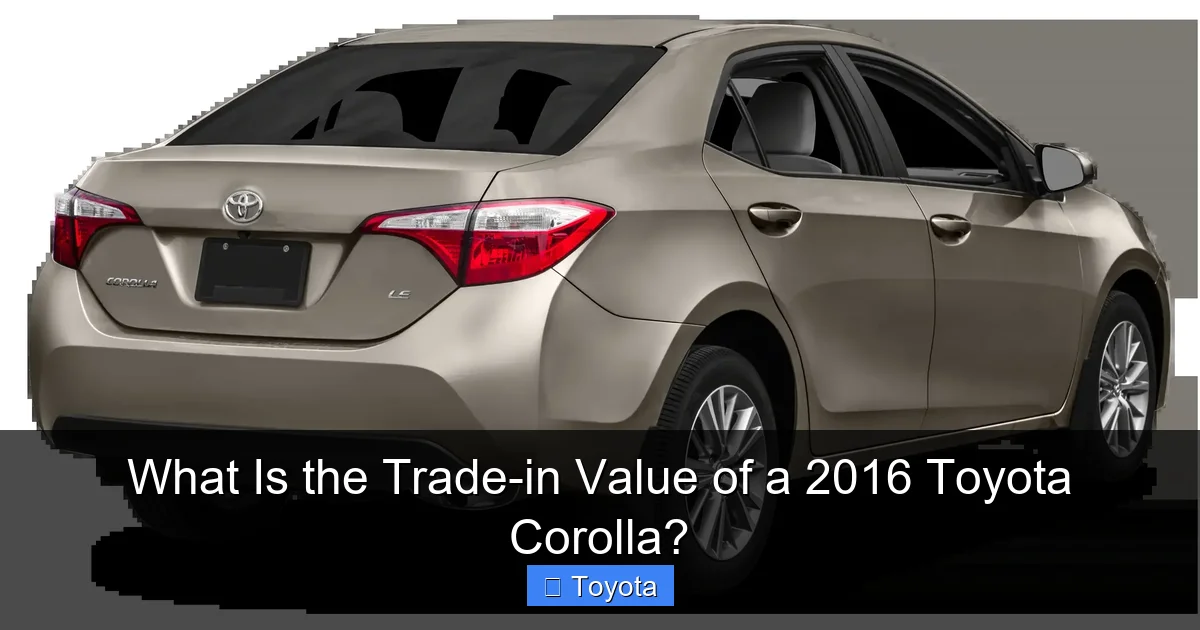
Visual guide about What Is the Trade-in Value of a 2016 Toyota Corolla?
Image source: platform.cstatic-images.com
The Deep Clean, Inside and Out
This is non-negotiable. Pay for a professional detail if you’re not a DIY expert. They will:
- Wash, clay bar, and wax the paint (removes bonded contaminants).
- Clean every nook of the interior: vents, seams, under seats.
- Shampoo carpets and cloth seats.
- Condition leather (if applicable).
- Clean all windows inside and out until streak-free.
A car that looks and smells showroom-new suggests the owner cared about the mechanics. A dirty, smelly car suggests the owner didn’t care about anything.
Fix the “Low-Hanging Fruit”
Spend a few hundred dollars on repairs that have a high visual/functional impact:
- Replace any cracked or chipped windshield (often covered by insurance).
- Fix any burnt-out headlight/taillight bulbs.
- Replace worn wiper blades.
- Address any major service items that are due (oil change, air filter, cabin filter). Have the receipts.
- If you have a small scratch or dent, get a quote for paintless dent repair (PDR) or a touch-up. Sometimes spending $150 on PDR saves you a $500 deduction.
Gather Your Paperwork
Create a “car portfolio” in a simple folder:
- Title (if you have it).
- Registration.
- All maintenance and repair receipts, organized chronologically.
- Original window sticker (if you have it—this is gold).
- Any warranty documentation.
Presenting this folder during the appraisal signals, “I am a meticulous owner.” It builds trust and reduces the dealer’s perceived risk.
Common Pitfalls to Avoid: Don’t Leave Money on the Table
Even with a great car, you can sabotage your own trade-in value. Here are the classic mistakes.
The “We’ll Just Roll It Into the Payment” Trap
This is the dealer’s favorite phrase. They will ask, “What are you looking to get for your trade?” You say a number. They say, “Okay, we can work with that. Let’s just focus on the new car payment, and we’ll roll your negative equity (or positive equity) into the new loan.” Do not agree to this until you have a SEPARATE, written, FIRM trade-in value. If you combine the negotiations, you have no idea if you got a fair price for your old car or a fair price for the new one. They can make it up on either end. Always, always, ALWAYS negotiate the trade-in price as a standalone cash figure first. Only then do you discuss the purchase of the new vehicle.
Negotiating from the “Monthly Payment” Mindset
When you say, “I can only afford $350 a month,” you have given the dealer all the power. They will adjust the sale price of the new car, the interest rate, and the trade-in value to hit that $350 number. You will have no clue which category got screwed. Instead, know your total out-the-door price for the new car before you even mention your trade. Then, get a separate, written check for your Corolla. This keeps everything transparent.
Ignoring the “As-Is” Appraisal
When the appraiser comes out to look at your car, follow them. Don’t just hand them the keys. Point out the new tires you just put on, the timing belt service you had done at 90k miles, the clean title history. Be a salesperson for your own car. Guide their eye to the positives. If they note a scratch, say, “Yes, I’m aware, but the paint is in perfect condition otherwise.” Be polite but proactive.
Alternatives to the Traditional Dealer Trade-In
The dealer’s lot is not your only option. Sometimes, you can net more money by selling privately.
Selling Privately: The High-Effort, High-Reward Path
On platforms like Facebook Marketplace, Craigslist, or Autotrader, you can typically get 15-25% more than a dealer’s trade-in offer because you cut out the middleman’s reconditioning and profit margin. However, it comes with significant hassles: strangers coming to your house, test drives, payment scams, and endless lowballers. For a 2016 Corolla, the private party value from KBB might be $1,500-$3,000 above the trade-in range. Ask yourself if that extra money is worth the time, risk, and headache.
Using a Consignment Service
Some dealerships and independent shops offer consignment. They sell your car for you and take a flat fee or commission (often $500-$1,000). You get more than a trade-in but less than pure private party, with the convenience of having professionals handle the sale, advertising, and test drives. It’s a good middle ground if you don’t want the full private-sale burden.
Donating to Charity
If your Corolla has high mileage or major issues and the trade-in value is very low (<$5,000), donating it can be a smart financial move. You get a tax deduction for the car's fair market value (if the charity sells it) or the gross proceeds from the sale. This can sometimes be more valuable than a minimal cash trade-in, especially if you're in a higher tax bracket. Ensure the charity is IRS-qualified and get proper documentation.
Conclusion: The trade-in value of your 2016 Toyota Corolla is not a mystery. It’s a equation you can solve: (Base Value) + (Condition Premium) – (Mileage/Reconditioning Deductions) = Your Price. By understanding what drives value, preparing your car meticulously, gathering multiple written offers, and negotiating with the power of those offers in hand, you can confidently secure the top end of your car’s worth. Remember, your Corolla’s legendary reliability is your foundation. Now, go build on it with preparation and smart negotiation. And if you’re looking for more specific Toyota information, like how to open the hood for your own inspections or details on interior features that might affect appraisal, we have guides for that too. Your journey to maximizing your Corolla’s value starts with knowledge and ends with a great check in your hand.
Frequently Asked Questions
Is the trade-in value for a 2016 Toyota Corolla with 150,000 miles still good?
At 150,000 miles, you are significantly above the average mileage. The trade-in value will be at the very low end of the range, likely $8,000-$11,000 depending on trim and condition. The key is having flawless, documented maintenance history for high-mileage services (timing belt/chain, water pump, transmission fluid) to justify a number at the higher end of that depressed range.
Should I fix minor scratches and dents before trading in?
Yes, but be strategic. Fixing a major dent or deep scratch that affects a panel’s value is wise. However, spending $1,000 on a full paint correction for a car worth $12,000 is not a good return on investment. Focus on inexpensive fixes: paintless dent repair for small dings, touch-up paint for scratches, and cleaning all glass. A clean, well-presented car will appraise higher than one with superficial but noticeable flaws.
How does the 2016 Corolla’s value compare to a 2016 Honda Civic?
They are extremely close competitors and hold value almost identically. Both are top-rated, reliable compact sedans. In most markets, a comparable 2016 Corolla and 2016 Civic (similar mileage, trim, condition) will have trade-in values within $500 of each other. The slight difference may come down to regional brand preference or specific feature packages. Use the same valuation tools for both to see your local market’s exact numbers.
What is the biggest mistake people make when trading in a Corolla?
The biggest mistake is not separating the negotiations. Letting the dealer combine the price of the new car and the value of your trade into a single monthly payment is a recipe for getting a bad deal on one or both. Always secure a firm, written trade-in offer first, as if you were selling the car for cash. Only then, negotiate the purchase of your next vehicle. This transparency ensures you know exactly what you’re getting for your Corolla.
Does the color of my 2016 Corolla affect its trade-in value?
Minimally, but it can. Conservative colors like White, Black, Silver, and Gray are the most popular and easiest for a dealer to re-sell quickly. They might command a very small premium (a few hundred dollars). Unusual colors like bright blue, green, or orange can take longer to sell on a dealer’s lot, so they might offer slightly less. However, condition, mileage, and trim level are infinitely more important than a slight color preference.
Can I trade in a 2016 Corolla that still has a loan on it?
Absolutely, and this is very common. If you have positive equity (the car is worth more than you owe), the dealer will pay off your old loan and give you the difference (or apply it to your new loan). If you have negative equity (you owe more than it’s worth), the dealer can sometimes “roll” the deficiency into the new loan, but this increases your new loan amount and monthly payment. It’s best to know your payoff amount before you go and to get trade-in offers that cover it. If you’re significantly upside down, it might be smarter to keep the car and pay down the loan more before trading.