
What Is the Temperature at Dodger Stadium

The temperature at Dodger Stadium varies by season, typically ranging from 60°F to 85°F during game days. Thanks to its elevated location in Los Angeles, the ballpark enjoys mild weather with cool breezes, making it one of the most comfortable MLB venues. Understanding the climate helps fans dress appropriately and enjoy every inning.
Key Takeaways
- Elevation affects temperature: Dodger Stadium sits 1,000 feet above sea level, resulting in cooler nights and refreshing breezes even in summer.
- Seasonal variation is key: Spring and fall games are mild (60–75°F), while summer nights can reach 85°F but cool quickly after sunset.
- Sun exposure matters: Day games can feel hotter due to direct sunlight, especially in open seating areas.
- Night games are cooler: Temperatures often drop 10–15°F after the sun sets, so layers are recommended.
- Microclimate influences comfort: The stadium’s proximity to the Los Angeles River and surrounding hills creates a unique local weather pattern.
- Preparation enhances experience: Bringing a light jacket, sunscreen, and staying hydrated ensures comfort regardless of the forecast.
- Weather apps help planning: Checking real-time updates before heading to the game improves your game-day strategy.
📑 Table of Contents
- Introduction: Why Temperature at Dodger Stadium Matters
- Understanding Dodger Stadium’s Unique Location and Climate
- Seasonal Temperature Trends at Dodger Stadium
- Day vs. Night: How Time of Day Affects Temperature
- Microclimate and Weather Patterns Unique to Dodger Stadium
- How to Prepare for the Temperature at Dodger Stadium
- Real-World Examples: Temperature at Dodger Stadium in Action
- Conclusion: Enjoying the Game, No Matter the Temperature
Introduction: Why Temperature at Dodger Stadium Matters
When you’re heading to a Los Angeles Dodgers game, excitement is in the air—literally and figuratively. But before you grab your cap and foam finger, there’s one important detail that can make or break your experience: the temperature at Dodger Stadium. Whether you’re a die-hard fan or a first-time visitor, knowing what to expect weather-wise ensures you’re comfortable from the first pitch to the final out.
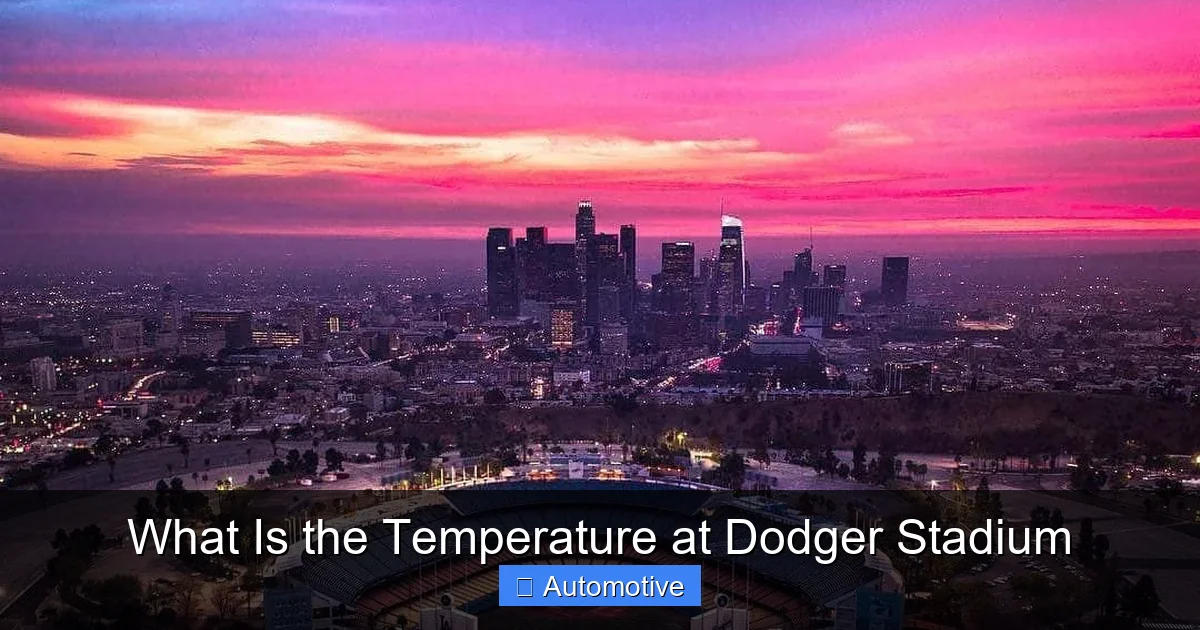
Unlike many other Major League Baseball parks, Dodger Stadium isn’t just another ballpark—it’s a landmark perched high in the Elysian Park neighborhood, offering panoramic views of downtown LA and the San Gabriel Mountains. This elevated location doesn’t just provide stunning scenery; it also plays a major role in the stadium’s unique climate. The temperature at Dodger Stadium is influenced by a mix of geography, time of year, and even the time of day. And while LA is famous for its sunshine, the weather inside the stadium can surprise you—especially when the sun goes down.
Understanding Dodger Stadium’s Unique Location and Climate
Visual guide about What Is the Temperature at Dodger Stadium
Image source: wallpapers.com
To truly grasp why the temperature at Dodger Stadium behaves the way it does, you need to understand where it’s located. Built in 1962, the stadium sits about 1,000 feet above sea level, nestled into the hills just north of downtown Los Angeles. This elevation is a game-changer when it comes to weather. Higher altitudes generally mean cooler temperatures, and Dodger Stadium is no exception. Even on a sweltering summer day in the LA basin, the stadium often feels noticeably cooler—especially once the sun dips below the horizon.
But elevation isn’t the only factor. The stadium is also surrounded by natural features that influence its microclimate. To the south, the Los Angeles River winds its way through the city, and while it’s not a major body of water, it contributes to localized humidity and airflow. To the north and east, the rugged terrain of Elysian Park and the San Gabriel Mountains helps trap cool air and create natural wind channels. These geographical elements combine to create a climate that’s often milder and more comfortable than other parts of Los Angeles.
How Elevation Affects Game-Day Temperatures
Let’s break it down: for every 1,000 feet you rise above sea level, the temperature typically drops by about 3.6°F. That means Dodger Stadium is naturally cooler than sea-level areas like Long Beach or Santa Monica. On a summer afternoon when downtown LA hits 90°F, the temperature at Dodger Stadium might only reach 82°F—a noticeable difference when you’re sitting in the stands for three hours.
This cooling effect is especially helpful during night games. While the city below might still be warm, the stadium’s elevation allows heat to dissipate more quickly after sunset. Add in the gentle breezes that sweep down from the hills, and you’ve got a naturally air-conditioned environment—no electricity required.
The Role of Urban Heat and Wind Patterns
Los Angeles is known for its urban heat island effect, where concrete and asphalt absorb and retain heat, making cities significantly warmer than surrounding rural areas. But Dodger Stadium, thanks to its hillside location and open design, avoids much of this effect. The stadium’s terraced seating and open concourses allow for excellent airflow, helping to keep temperatures down.
Wind also plays a big role. During the day, sea breezes from the Pacific Ocean can push inland, cooling the stadium. At night, cooler air from the mountains flows downward, creating a natural ventilation system. These wind patterns mean that even on warm days, you’ll often feel a refreshing breeze—especially in the upper decks.
Seasonal Temperature Trends at Dodger Stadium

Visual guide about What Is the Temperature at Dodger Stadium
Image source: wallpapers.com
Now that we’ve covered the geography, let’s talk about what you can actually expect when you go to a game. The temperature at Dodger Stadium changes dramatically depending on the time of year. The MLB season runs from late March to early October, covering spring, summer, and early fall. Each season brings its own weather personality.
Spring Games: Mild and Pleasant
Spring is one of the most comfortable times to visit Dodger Stadium. Games in March, April, and May typically see temperatures ranging from 60°F to 75°F. Mornings can be cool, especially in March, so you might want a light jacket for early arrivals. But by afternoon, the sun warms things up nicely, and the evenings remain mild.
One thing to note: spring in LA can be unpredictable. While most days are sunny and dry, occasional rain showers or marine layer clouds (that gray blanket known as “June Gloom,” which can linger into spring) might roll in. These conditions can make the temperature feel cooler than the forecast suggests, so it’s wise to check the weather before you go.
Summer Nights: Warm but Manageable
Summer is peak baseball season, and Dodger Stadium hosts most of its games between June and August. Daytime highs in LA can soar into the 90s, but the temperature at Dodger Stadium usually tops out around 85°F—thanks again to that elevation and airflow.
Night games are where the stadium truly shines. Even if it’s 88°F at 5 p.m., by the time the first pitch is thrown at 7:10 p.m., the temperature might already be in the mid-70s. And by the 7th inning, it could drop to the low 70s or even high 60s. This rapid cooling is one of the reasons fans love summer night games at Dodger Stadium.
Fall Games: Crisp and Comfortable
As the season winds down in September and early October, the weather becomes even more pleasant. Temperatures typically range from 65°F to 78°F, with cooler evenings and plenty of sunshine. Fall is often considered the best time to visit, with comfortable temps, fewer crowds, and beautiful sunsets over the downtown skyline.
One bonus: the marine layer tends to burn off earlier in the day during fall, so you’re less likely to deal with morning fog or overcast skies. This means more sun and clearer views—perfect for catching a home run.
Day vs. Night: How Time of Day Affects Temperature

Visual guide about What Is the Temperature at Dodger Stadium
Image source: wallpapers.com
If you’ve never been to Dodger Stadium, you might not realize how much the temperature can change from the start of the game to the end. The difference between a day game and a night game—or even between the first and ninth innings—can be significant.
Day Games: Sun Exposure and Heat Buildup
Day games at Dodger Stadium can feel warmer than the actual air temperature because of direct sunlight. The stadium’s open design means there’s little shade in many seating areas, especially in the lower and upper decks. If you’re sitting on the first-base or third-base side, you could be in full sun for most of the game.
On a 75°F day, the temperature in direct sunlight can feel like 85°F or higher due to radiant heat. This is why sunscreen, hats, and sunglasses are essential for day games. And if you’re sitting in the upper deck, the sun exposure is even more intense—there’s no overhang or roof to block the rays.
Night Games: Rapid Cooling After Sunset
Night games are where Dodger Stadium’s climate really works in your favor. The sun sets around 7:30–8:00 p.m. during summer, and within an hour, the temperature can drop 10°F or more. By the middle innings, many fans are reaching for jackets or hoodies—even in July.
This cooling effect is due to a combination of factors: the stadium’s elevation, the lack of urban heat retention, and the natural airflow from the hills. Unlike ballparks in flat, urban areas, Dodger Stadium doesn’t trap heat. Instead, it lets it escape, creating a refreshing environment as the game progresses.
Tips for Dressing for Any Time of Day
So how do you prepare for these temperature swings? The key is layers. Start with a moisture-wicking base layer, add a light long-sleeve shirt or hoodie, and bring a jacket or fleece for later. A baseball cap and sunglasses are must-haves for day games, while a scarf or light blanket can be useful for night games.
And don’t forget hydration. Even if it doesn’t feel hot, you’re still losing fluids through sweat—especially if you’re cheering, walking the concourse, or enjoying a Dodger Dog. Bring a refillable water bottle or take advantage of the stadium’s water stations.
Microclimate and Weather Patterns Unique to Dodger Stadium
While Dodger Stadium follows general LA weather trends, it also has its own microclimate—a localized weather pattern influenced by its specific location and design. Understanding this microclimate can help you better predict what the temperature at Dodger Stadium will be like on any given day.
The Marine Layer and “June Gloom”
One of the most famous weather phenomena in Los Angeles is the marine layer—a thick layer of cool, moist air that rolls in from the Pacific Ocean, especially in the late spring and early summer. This often results in overcast skies and cooler temperatures, a condition locals call “June Gloom.”
While the marine layer usually affects coastal areas more than inland ones, Dodger Stadium can still be impacted—especially in the mornings and early afternoons. On “gloomy” days, the temperature might be 5–10°F cooler than forecast, and the sky might be overcast until midday. But by game time, especially for night games, the sun often burns through, and the stadium warms up.
Wind and Breezes: Nature’s Air Conditioning
One of the most pleasant features of Dodger Stadium is the natural breeze that often sweeps through the stands. These winds come from two main sources: the Pacific Ocean to the west and the cooler mountain air to the north and east.
During the day, sea breezes can push inland, cooling the stadium. At night, the temperature difference between the warm city and the cool hills creates a downslope wind, often called a “katabatic wind.” These breezes can make a big difference in comfort, especially in the upper decks where airflow is strongest.
Rain and Precipitation: Rare but Possible
Rain is uncommon at Dodger Stadium, but it’s not unheard of—especially in the spring and early fall. When it does rain, the stadium’s open design means there’s limited covered seating. Most fans will get wet unless they bring a poncho or umbrella.
However, the good news is that rain usually moves quickly through the area, and games are rarely postponed. The stadium’s drainage system is excellent, and the field is designed to handle light to moderate rainfall. Still, it’s always a good idea to check the forecast and pack a rain jacket—just in case.
How to Prepare for the Temperature at Dodger Stadium
Now that you know what to expect, let’s talk about how to prepare. Whether you’re going to a day game in July or a night game in September, a little planning goes a long way.
Check the Forecast Before You Go
Start by checking a reliable weather app or website the day before and the morning of the game. Look not just at the high temperature, but at the hourly forecast. This will tell you how the temperature at Dodger Stadium is expected to change throughout the day.
Pay attention to humidity, wind speed, and cloud cover. High humidity can make warm temperatures feel even hotter, while strong winds can make cool nights feel chilly. And if there’s a marine layer, you’ll want to know whether it’s expected to burn off by game time.
Dress in Layers
As mentioned earlier, layers are your best friend. Start with a breathable base layer—something moisture-wicking like polyester or merino wool. Add a light long-sleeve shirt or team jersey, and bring a hoodie or light jacket for later.
If you’re going to a night game, consider bringing a fleece or even a lightweight down vest. And don’t forget accessories: a hat, sunglasses, and sunscreen for day games; a scarf or gloves for cooler nights.
Stay Hydrated and Protected
Even if it doesn’t feel hot, you’re still at risk of dehydration—especially at altitude. Bring a refillable water bottle and take advantage of the stadium’s water fountains. Avoid excessive alcohol, which can dehydrate you faster.
For day games, apply sunscreen with at least SPF 30, and reapply every few hours. Wear UV-protective sunglasses and a wide-brimmed hat if possible. And if you’re sensitive to heat, consider bringing a small portable fan or cooling towel.
Choose Your Seats Wisely
Where you sit can make a big difference in comfort. Shaded seats—like those under the overhang in the upper deck or behind home plate—stay cooler during day games. On the other hand, seats on the third-base side get more afternoon sun, which can be nice in cooler months but hot in summer.
For night games, upper-deck seats often feel cooler due to better airflow, while lower-level seats might retain more heat from the field and crowd.
Real-World Examples: Temperature at Dodger Stadium in Action
To bring this all to life, let’s look at a few real-world examples of how the temperature at Dodger Stadium plays out during actual games.
Example 1: A Summer Night Game
It’s a Friday night in July. The forecast calls for a high of 89°F in downtown LA. You arrive at Dodger Stadium at 6:00 p.m. for a 7:10 p.m. game. The temperature at the stadium is already 82°F, but there’s a nice breeze coming from the west.
By the third inning, the sun has set, and the temperature drops to 75°F. By the seventh, it’s 68°F, and many fans are pulling out jackets. The cool mountain air is flowing down the stands, and the game feels refreshing—even in the middle of summer.
Example 2: A Spring Day Game
It’s a Sunday afternoon in April. The high in LA is 72°F, but at Dodger Stadium, it feels a bit cooler due to a marine layer that lingered until noon. You’re sitting in the upper deck on the first-base side, in direct sunlight.
By the fifth inning, the sun is high, and it feels like 80°F in your seat. You’re glad you brought sunscreen and a hat. But by the end of the game, the temperature has dropped to 68°F, and the breeze makes it feel even cooler.
Example 3: A Fall Night Game
It’s a Thursday night in September. The high was 78°F, but by game time, it’s already 70°F. The sky is clear, and there’s a gentle breeze. You’re wearing a light hoodie, and it’s perfect—not too hot, not too cold. By the ninth inning, it’s 65°F, and you’re cozy in your jacket, enjoying the game under the stars.
Conclusion: Enjoying the Game, No Matter the Temperature
The temperature at Dodger Stadium is more than just a number on a weather app—it’s a key part of the game-day experience. Thanks to its unique location, elevation, and natural airflow, the stadium offers some of the most comfortable baseball weather in the MLB. Whether you’re enjoying a sunny spring afternoon or a crisp fall night, understanding the climate helps you dress right, stay comfortable, and focus on what really matters: the game.
So the next time you’re planning a trip to Chavez Ravine, check the forecast, pack your layers, and get ready for a great time. Because at Dodger Stadium, the weather isn’t just a backdrop—it’s part of the magic.
Frequently Asked Questions
What is the average temperature at Dodger Stadium during a game?
The average temperature at Dodger Stadium ranges from 60°F in spring and fall to 85°F in summer. Night games are typically cooler, often dropping 10–15°F after sunset.
Does Dodger Stadium get colder at night?
Yes, temperatures at Dodger Stadium cool significantly after sunset, especially in summer. Many fans bring jackets for night games, even in July.
Is it hotter at Dodger Stadium than in downtown LA?
No, due to its elevation and airflow, Dodger Stadium is usually 5–10°F cooler than downtown LA, especially at night.
Should I bring a jacket to a summer night game?
Yes, it’s a good idea. Even in summer, temperatures can drop into the 60s by the late innings, so a light jacket or hoodie is recommended.
Are day games at Dodger Stadium hot?
Day games can feel warm due to direct sunlight, especially in open seating areas. However, the actual air temperature is usually mild, and breezes help.
How does elevation affect the temperature at Dodger Stadium?
The stadium’s elevation of 1,000 feet above sea level naturally cools the air by about 3.6°F compared to sea level, making it more comfortable than lower areas of LA.
