
What Is the Snow Button in a Toyota Highlander?

The snow button in a Toyota Highlander is a traction control feature designed to help drivers maintain stability and control in slippery winter conditions. By adjusting throttle response and shift patterns, it reduces wheel spin and improves acceleration on snow, ice, or wet roads.
[FEATURED_IMAGE_PLACEOLDER]
Key Takeaways
- What It Does: The snow button modifies engine and transmission behavior to enhance traction in low-grip conditions like snow, ice, or mud.
- How It Works: It delays upshifts, softens throttle input, and may engage lower gears earlier to prevent wheel spin during acceleration.
- When to Use It: Activate it when starting from a stop on snowy or icy roads, or when driving on slippery surfaces—not for high-speed highway driving.
- Not a Substitute for Winter Tires: While helpful, the snow mode doesn’t replace the need for proper winter or all-season tires with good tread.
- AWD Models Benefit Most: Toyota Highlanders with all-wheel drive (AWD) see the greatest advantage from snow mode due to improved power distribution.
- Easy to Activate: Simply press the “SNOW” or “SNOW/MUD” button on the center console—no special tools or settings required.
- Deactivate When Not Needed: Turn it off on dry pavement to restore normal performance and fuel efficiency.
📑 Table of Contents
- What Is the Snow Button in a Toyota Highlander?
- How the Snow Button Works: The Science Behind the Traction
- When Should You Use the Snow Button?
- Snow Button vs. Other Driving Modes in the Highlander
- Common Misconceptions About the Snow Button
- Tips for Safe Winter Driving in Your Toyota Highlander
- Conclusion
What Is the Snow Button in a Toyota Highlander?
If you’ve ever driven a Toyota Highlander in winter weather, you may have noticed a small button labeled “SNOW” or “SNOW/MUD” on the center console. It might look unassuming, but this little button plays a big role in helping you stay safe and in control when the roads turn slick. Whether you’re navigating a snowy driveway, a slush-covered highway, or an icy backroad, the snow button is one of those features that can make a real difference—especially if you’re not used to driving in winter conditions.
So, what exactly does this button do? In simple terms, the snow button activates a special driving mode that adjusts how your Highlander’s engine and transmission respond to your inputs. It’s not magic, but it’s close—by softening throttle response and changing shift patterns, it helps prevent the wheels from spinning when you accelerate. This means smoother starts, better traction, and less chance of getting stuck or sliding. Think of it as your car’s way of saying, “I’ve got your back when the road gets tough.”
But it’s not just for deep snow. The snow mode can also help on wet roads, muddy trails, or even gravel paths where grip is reduced. It’s a versatile tool that enhances stability when traction is compromised. And while it won’t turn your Highlander into a snowplow, it does give you an edge when you need it most. In this article, we’ll dive deep into how the snow button works, when to use it, and why it’s such a valuable feature for Highlander owners—especially those in colder climates.
How the Snow Button Works: The Science Behind the Traction

Visual guide about What Is the Snow Button in a Toyota Highlander?
Image source: bryansgarage.com
At its core, the snow button in the Toyota Highlander is a traction optimization system. It doesn’t add power or change the physical mechanics of your vehicle, but it does alter how that power is delivered to the wheels. When you press the snow button, the vehicle’s onboard computer—known as the engine control unit (ECU)—adjusts several key parameters to improve grip and reduce the likelihood of wheel slip.
Throttle Response Modification
One of the main ways the snow button helps is by softening the throttle response. Normally, when you press the accelerator, the engine responds quickly, sending power to the wheels almost instantly. This is great for performance and responsiveness on dry pavement, but it can be problematic in slippery conditions. A sudden surge of power can cause the tires to lose traction, especially when starting from a stop.
In snow mode, the ECU limits how aggressively the engine responds to your foot on the gas. This means that even if you press the accelerator firmly, the power delivery is more gradual. It’s like easing into a cold pool instead of jumping in—gentler, smoother, and less likely to shock the system. This reduced sensitivity helps prevent wheel spin, giving the tires a better chance to grip the road.
Transmission Shift Logic Adjustment
Another key function of the snow button is its effect on the automatic transmission. In normal driving mode, the transmission shifts up quickly to save fuel and keep the engine running efficiently. But in snowy or icy conditions, early upshifts can reduce engine braking and make the vehicle more prone to slipping.
When snow mode is activated, the transmission delays upshifts and may hold lower gears longer. This keeps the engine in a higher RPM range, which provides more consistent power delivery and better control. It also increases engine braking, which can help slow the vehicle without relying solely on the brakes—especially useful on downhill slopes covered in snow or ice.
Additionally, in some Highlander models, snow mode may encourage the transmission to start in second gear instead of first when moving from a stop. This reduces torque to the wheels right away, minimizing the chance of spinning the tires on a slick surface.
Integration with AWD and Traction Control Systems
The snow button doesn’t work in isolation. It’s part of a broader suite of safety and drivetrain technologies in the Toyota Highlander, especially in models equipped with all-wheel drive (AWD). When snow mode is active, it communicates with the AWD system to optimize power distribution between the front and rear wheels.
For example, if the front wheels begin to slip, the AWD system can send more torque to the rear wheels to regain traction. Snow mode enhances this process by ensuring that power is delivered smoothly and progressively, giving the AWD system the best possible conditions to work effectively.
It also works hand-in-hand with the vehicle’s traction control system (TCS). TCS automatically applies brakes to individual wheels and reduces engine power if it detects wheel slip. Snow mode complements this by reducing the likelihood of slip in the first place, creating a layered defense against loss of control.
When Should You Use the Snow Button?
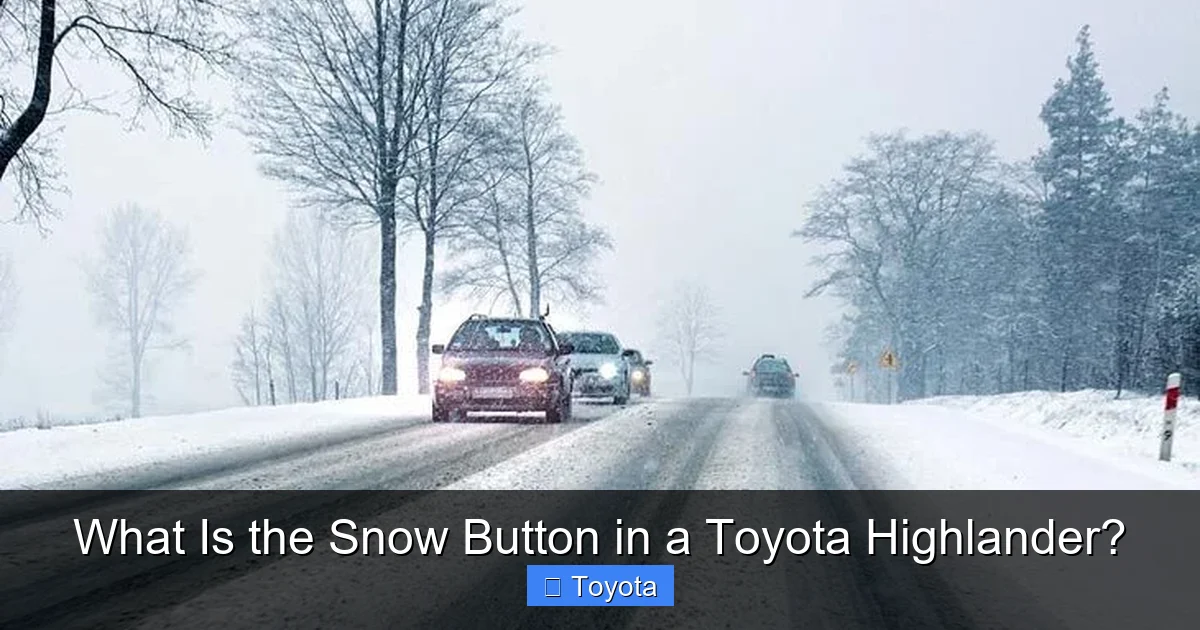
Visual guide about What Is the Snow Button in a Toyota Highlander?
Image source: bryansgarage.com
Knowing when to use the snow button is just as important as understanding how it works. Using it at the right time can improve safety and performance, but using it unnecessarily can actually reduce efficiency and responsiveness. Here’s a breakdown of the best times to activate snow mode in your Toyota Highlander.
Starting from a Stop on Snow or Ice
The most common and effective use of the snow button is when you’re starting from a complete stop on a slippery surface. Whether you’re pulling out of a snow-covered driveway, leaving a parking spot on an icy street, or accelerating from a stop sign on a slushy road, snow mode helps prevent wheel spin.
Imagine you’re trying to merge into traffic after stopping at a light. Without snow mode, a quick press of the gas might cause your tires to spin, delaying your acceleration and potentially causing a dangerous situation. With snow mode on, the power delivery is smoother, allowing you to gain traction gradually and merge safely.
Driving on Slippery or Unpaved Roads
Snow mode isn’t just for snow. It’s also useful on wet roads after a rainstorm, muddy trails, or gravel paths where traction is reduced. In these conditions, the same principles apply: softer throttle response and delayed upshifts help maintain control and prevent skidding.
For example, if you’re driving through a muddy campsite or a gravel-covered mountain pass, snow mode can help your Highlander maintain steady progress without getting stuck. It’s especially helpful in AWD models, where the system can distribute power more effectively when the wheels aren’t spinning wildly.
Descending Hills in Winter Conditions
Going downhill in snow or ice can be nerve-wracking, especially if you’re not used to it. The temptation is to ride the brakes, but this can lead to brake fade or even lockup. Snow mode helps by increasing engine braking through lower gear selection, allowing you to slow down more naturally without overusing the brakes.
This is particularly useful on steep, snowy hills where maintaining a slow, controlled speed is crucial. Instead of constantly tapping the brakes, you can rely on the engine to help slow the vehicle, reducing wear on your braking system and improving overall control.
Avoiding High-Speed Use
It’s important to note that snow mode is not designed for high-speed driving. On dry pavement or highways, using snow mode can reduce fuel efficiency and make the vehicle feel sluggish. The delayed upshifts and softened throttle response are meant for low-speed, low-traction situations—not for cruising at 70 mph.
Once you’re back on clear, dry roads, it’s best to turn off snow mode. This restores normal throttle sensitivity and shift patterns, allowing your Highlander to perform at its best and return to optimal fuel economy.
Snow Button vs. Other Driving Modes in the Highlander

Visual guide about What Is the Snow Button in a Toyota Highlander?
Image source: gearfixup.com
The Toyota Highlander offers several driving modes, and it’s easy to get confused about which one to use when. The snow button is just one of several options, including Normal, Eco, Sport, and sometimes Mud/Sand or Trail modes (depending on the model year and trim). Understanding the differences can help you choose the right mode for the conditions.
Normal Mode
This is the default setting for everyday driving. It balances performance, comfort, and fuel efficiency. Use Normal mode on dry roads, highways, and city streets when traction is not a concern. It provides responsive acceleration and smooth shifting—ideal for most driving situations.
Eco Mode
Eco mode prioritizes fuel efficiency by reducing engine output, adjusting climate control settings, and optimizing shift patterns. It’s great for long trips or stop-and-go traffic where saving gas is a priority. However, it’s not ideal for slippery conditions, as the reduced power can make it harder to maintain momentum on snow or ice.
Sport Mode
Sport mode sharpens throttle response, holds gears longer, and improves handling for a more dynamic driving experience. It’s perfect for winding roads or when you want a more engaging drive. But in snow or ice, the aggressive throttle can cause wheel spin, making it a poor choice for winter weather.
Snow Mode
As we’ve discussed, snow mode is specifically designed for low-traction conditions. It’s the go-to setting when roads are slick, whether from snow, ice, rain, or mud. It’s not about performance—it’s about control and safety.
Mud/Sand or Trail Mode (on Select Models)
Some newer Highlander models, especially those with the Adventure or TRD Off-Road trims, include additional modes like Mud/Sand or Trail. These are more aggressive than snow mode and are designed for off-road use. They allow for more wheel slip and higher torque delivery, which can be useful in deep mud or sand but are overkill—and potentially unsafe—for typical winter driving.
Choosing the Right Mode
So, which mode should you use? Here’s a quick guide:
– Use Normal for everyday driving on dry roads.
– Use Eco to save fuel during long, steady drives.
– Use Sport for spirited driving on twisty roads (not in snow).
– Use Snow when roads are slippery due to snow, ice, or wet conditions.
– Use Mud/Sand or Trail only when off-roading in challenging terrain.
The key is to match the mode to the conditions. Using snow mode on dry pavement won’t hurt your Highlander, but it will make it feel less responsive and reduce fuel economy. Conversely, using Sport mode in snow could lead to loss of control.
Common Misconceptions About the Snow Button
Despite its usefulness, the snow button is often misunderstood. Let’s clear up some of the most common myths and misconceptions so you can use it with confidence.
“The Snow Button Melts Snow or Heats the Tires”
This is a fun idea, but completely false. The snow button doesn’t generate heat or physically interact with the snow. It’s an electronic feature that adjusts engine and transmission behavior. It won’t clear your windshield or warm your tires—those jobs belong to your defroster and tire warmers (if you have them).
“It Makes My Highlander All-Terrain or Snow-Ready”
While the snow button improves traction, it doesn’t transform your Highlander into a winter warrior. It’s a helpful aid, but it can’t overcome the limits of physics. If you’re driving on black ice or deep snow, no driving mode can guarantee safety. Proper tires, cautious driving, and good judgment are still essential.
“I Should Leave It On All Winter”
Some drivers think that if snow mode is good for snow, it must be good all the time in winter. But that’s not the case. On dry or clear roads, snow mode reduces performance and fuel efficiency. It’s best used only when conditions are slippery. Turn it on when needed, and off when the roads are clear.
“It Replaces Winter Tires”
This is perhaps the biggest misconception. The snow button is not a substitute for proper winter tires. Winter tires are made from a special rubber compound that stays flexible in cold temperatures, and they have tread patterns designed to grip snow and ice. No driving mode can replicate that level of traction. For the best winter performance, combine snow mode with a set of quality winter or all-weather tires.
“It Only Works in Deep Snow”
Actually, snow mode is most effective at low speeds and during acceleration—exactly when you need it most. It’s not just for blizzards. Even a light dusting of snow or a patch of ice can benefit from snow mode, especially when starting from a stop.
Tips for Safe Winter Driving in Your Toyota Highlander
The snow button is a great tool, but it’s just one part of safe winter driving. Here are some practical tips to help you stay safe and confident when the weather turns cold.
Use Winter or All-Weather Tires
As mentioned earlier, tires are your first line of defense. Winter tires provide superior grip in cold, snowy, and icy conditions. If you live in an area with mild winters, all-weather tires (marked with the 3PMSF symbol) are a good compromise. Avoid using summer tires in winter—they harden in the cold and lose traction.
Keep a Winter Emergency Kit
Even with the best technology, you can still get stuck. Keep a winter emergency kit in your Highlander with items like a snow shovel, ice scraper, jumper cables, blankets, flashlight, snacks, and a first-aid kit. A bag of sand or kitty litter can also help provide traction if you’re stuck in snow.
Clear Snow and Ice Completely
Before driving, clear all snow and ice from your windows, mirrors, lights, and roof. Snow on the roof can slide onto your windshield while driving, obstructing your view. Ice on the lights reduces visibility for other drivers.
Drive Slowly and Smoothly
Winter driving requires patience. Accelerate gently, brake early, and avoid sudden steering movements. Remember, it takes longer to stop on snow and ice—increase your following distance to at least six seconds behind the vehicle ahead.
Use Snow Mode Wisely
Activate snow mode when conditions are slippery, but don’t rely on it as a cure-all. Combine it with cautious driving and proper tires for the best results. And remember to turn it off when roads are clear.
Check Your Battery and Fluids
Cold weather can drain your battery and thicken fluids. Have your battery tested before winter, and make sure your coolant, windshield washer fluid (use winter-grade), and oil are in good condition.
Conclusion
The snow button in a Toyota Highlander is a simple yet powerful feature designed to enhance safety and control in slippery conditions. By adjusting throttle response and transmission behavior, it helps prevent wheel spin and improves traction when you need it most. Whether you’re starting on snow, driving on ice, or navigating wet roads, snow mode gives you an extra layer of confidence behind the wheel.
But it’s not a magic solution. It works best when combined with proper tires, cautious driving, and good judgment. Use it when conditions are slick, turn it off when they’re not, and always prioritize safety over speed.
For Toyota Highlander owners in cold climates, the snow button is one of those features that can make winter driving less stressful and more manageable. It’s a small button with a big impact—proof that sometimes, the simplest tools are the most effective.
So the next time you see that little “SNOW” button, don’t ignore it. Press it, trust it, and drive with peace of mind knowing your Highlander is doing everything it can to keep you safe.
Frequently Asked Questions
What does the snow button do in a Toyota Highlander?
The snow button modifies the vehicle’s throttle response and transmission shift patterns to improve traction on slippery surfaces like snow, ice, or wet roads. It helps prevent wheel spin during acceleration by delivering power more gradually.
Can I leave the snow button on all the time?
It’s not recommended. While it won’t damage your vehicle, leaving snow mode on in dry conditions can reduce fuel efficiency and make the Highlander feel less responsive. Use it only when roads are slippery.
Does the snow button work without AWD?
Yes, but it’s more effective in AWD models. Front-wheel drive Highlanders still benefit from smoother power delivery, but AWD models can distribute torque more effectively when traction is low.
Is the snow button the same as traction control?
No, but they work together. Traction control applies brakes and reduces power when it detects wheel slip. Snow mode helps prevent slip in the first place by adjusting throttle and shift behavior.
Can I use snow mode in rain or mud?
Yes. Snow mode is helpful in any low-traction condition, including heavy rain, mud, or gravel. It’s not just for snow—it’s for any situation where grip is reduced.
Do I still need winter tires if I have the snow button?
Absolutely. The snow button improves traction, but it can’t replace the superior grip of winter or all-weather tires. For the safest winter driving, use both.