What Is the Safest Route for Memphis
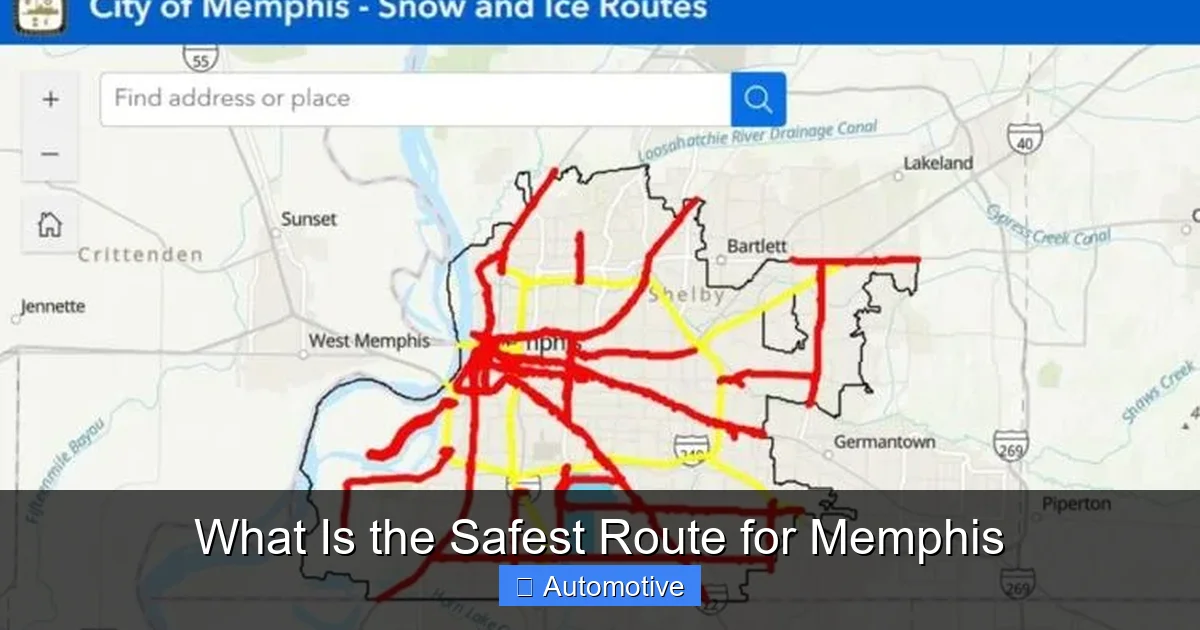
Finding the safest route for Memphis isn’t just about avoiding traffic—it’s about minimizing risks from crime, road conditions, and unpredictable weather. This guide breaks down the best routes, tools, and strategies to help you drive confidently through the Bluff City, whether you’re commuting daily or passing through.
When it comes to driving in Memphis, Tennessee, safety isn’t just a suggestion—it’s a necessity. Known for its rich music history, Southern charm, and bustling urban life, Memphis also presents unique challenges for drivers. From heavy traffic on interstates to unpredictable weather and varying neighborhood safety levels, choosing the right route can make a big difference in your travel experience. Whether you’re a local commuting to work or a visitor exploring Beale Street, knowing the safest route for Memphis can help you avoid stress, delays, and potential dangers.
So, what makes a route “safe”? It’s not just about speed or distance. A truly safe route considers traffic patterns, crime rates, road conditions, lighting, and even the time of day. For example, a shortcut through a quiet residential area might seem efficient, but if it’s poorly lit and has a history of break-ins, it could pose a risk—especially at night. On the other hand, major highways like I-40 and I-240 are often the safest bet due to constant police presence, regular maintenance, and high visibility.
In this guide, we’ll walk you through everything you need to know to find the safest route for Memphis. We’ll cover the best highways, tools to use, neighborhoods to avoid, weather considerations, and defensive driving tips. By the end, you’ll have a clear strategy for navigating the city with confidence and peace of mind.
In This Article
- 1 Key Takeaways
- 2 📑 Table of Contents
- 3 Understanding What Makes a Route Safe in Memphis
- 4 The Best Highways and Major Roads for Safe Travel
- 5 Neighborhoods and Areas to Approach with Caution
- 6 Using Technology to Find the Safest Route
- 7 Weather and Seasonal Considerations
- 8 Defensive Driving Tips for Memphis Roads
- 9 Planning Your Route: A Step-by-Step Guide
- 10 Conclusion
- 11 Frequently Asked Questions
- 11.1 What is the safest highway to drive on in Memphis?
- 11.2 Are there areas in Memphis I should avoid driving through at night?
- 11.3 How can I check for real-time traffic and road hazards in Memphis?
- 11.4 Does weather affect driving safety in Memphis?
- 11.5 What should I do if I encounter a flooded road in Memphis?
- 11.6 Is it safe to drive through downtown Memphis at night?
Key Takeaways
- Use real-time navigation apps: Tools like Waze and Google Maps update traffic, accidents, and police activity to help you avoid dangerous areas.
- Avoid high-crime zones at night: Neighborhoods like Frayser and parts of South Memphis have higher crime rates—stick to well-lit, busy roads after dark.
- Interstate 40 and I-240 are generally safer: These major highways are well-maintained, frequently patrolled, and offer the most reliable routes across the city.
- Check weather and road conditions: Memphis experiences sudden storms and flooding—always check forecasts before driving, especially in spring and summer.
- Plan alternate routes: Having backup options reduces stress and keeps you safe if your primary route is blocked or unsafe.
- Drive defensively: Stay alert, avoid distractions, and maintain a safe following distance—especially in heavy traffic or construction zones.
- Consider time of day: Rush hour increases accident risk; early morning or midday travel often offers safer, smoother driving.
📑 Table of Contents
- Understanding What Makes a Route Safe in Memphis
- The Best Highways and Major Roads for Safe Travel
- Neighborhoods and Areas to Approach with Caution
- Using Technology to Find the Safest Route
- Weather and Seasonal Considerations
- Defensive Driving Tips for Memphis Roads
- Planning Your Route: A Step-by-Step Guide
- Conclusion
Understanding What Makes a Route Safe in Memphis
Safety on the road is about more than just following traffic laws. In Memphis, a safe route is one that minimizes exposure to hazards like high-crime areas, poorly maintained roads, heavy congestion, and weather-related risks. To truly understand the safest route for Memphis, you need to consider several factors that influence driving conditions.
First, let’s talk about crime. Memphis has a higher-than-average crime rate compared to national averages, particularly in certain neighborhoods. According to data from the Memphis Police Department and crime mapping tools like CrimeMapping.com, areas such as Frayser, parts of South Memphis, and sections of North Memphis experience higher rates of property crime and violent incidents. While driving through these areas isn’t inherently dangerous during the day, it’s wise to avoid them at night—especially if you’re unfamiliar with the area. Stick to well-lit, populated roads like Poplar Avenue, Union Avenue, or Sam Cooper Boulevard, which are frequently traveled and monitored.
Second, road conditions play a big role. Memphis has a mix of modern highways and older city streets. While interstates like I-40 and I-240 are regularly maintained, some surface streets—especially in older neighborhoods—may have potholes, uneven pavement, or inadequate signage. These issues can increase the risk of accidents, especially during rain or at night. Always stay alert and reduce speed when driving on unfamiliar or poorly lit roads.
Third, traffic patterns matter. Memphis experiences heavy congestion during rush hours, particularly on I-40 eastbound in the morning and westbound in the evening. Congestion increases the likelihood of fender benders and aggressive driving. Planning your trip to avoid peak times—or using alternate routes—can significantly improve safety.
Finally, weather is a major factor. Memphis sits in a region prone to sudden thunderstorms, heavy rain, and occasional flooding. Spring and summer bring the highest risk of severe weather, which can reduce visibility and make roads slick. Always check the forecast before heading out, and consider delaying your trip if storms are predicted.
The Best Highways and Major Roads for Safe Travel
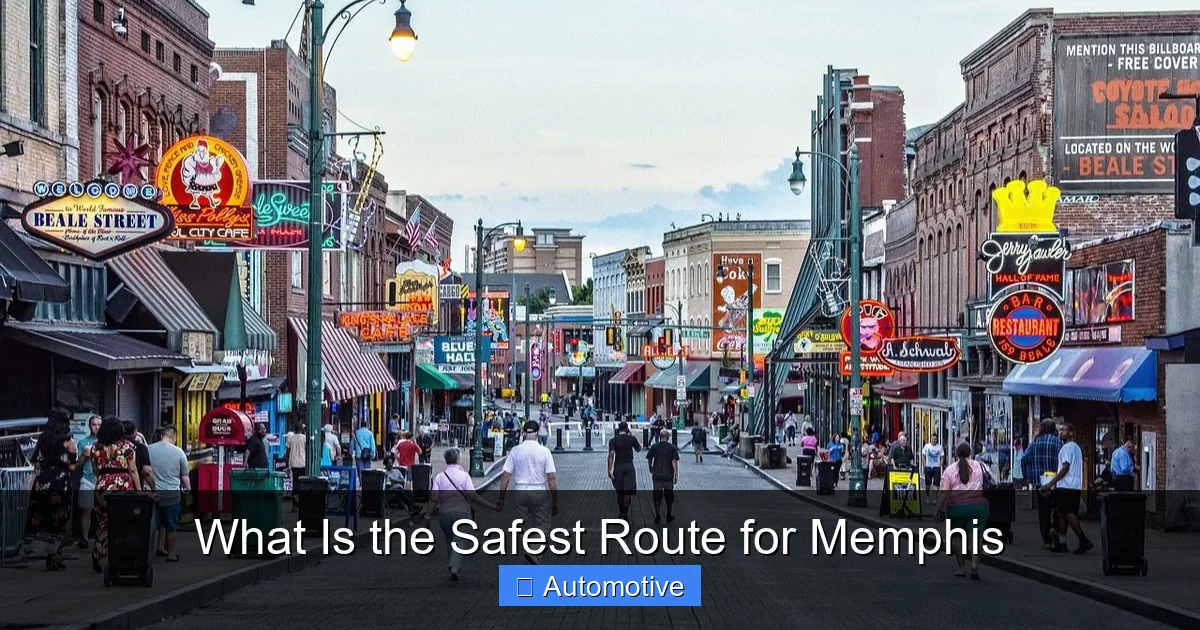
Visual guide about What Is the Safest Route for Memphis
Image source: dollarsanity.com
When it comes to finding the safest route for Memphis, your best bet is often the major highways. These roads are designed for high-speed travel, are regularly maintained, and are patrolled by law enforcement. Let’s break down the top options.
Interstate 40 (I-40)
I-40 is the backbone of Memphis transportation. Running east to west through the city, it connects downtown Memphis to suburbs like Bartlett, Cordova, and West Memphis. This interstate is one of the safest routes due to its wide lanes, clear signage, and frequent police presence. It’s also well-lit in most areas, especially through downtown and near major exits.
One of the best features of I-40 is its reliability. Even during rush hour, traffic flows relatively smoothly compared to surface streets. If you’re traveling across the city—say, from the airport to downtown—I-40 is usually the fastest and safest choice. Just be mindful of construction zones, which are common and can cause sudden slowdowns.
Interstate 240 (I-240)
I-240 loops around the southern and eastern sides of Memphis, connecting I-40 to I-55 and providing access to neighborhoods like East Memphis and Midtown. This highway is another top pick for safe driving. It’s less congested than I-40 in many areas and offers smooth pavement and good lighting.
I-240 is especially useful if you’re heading to or from the University of Memphis, the Medical District, or the Memphis International Airport. It avoids some of the older, narrower streets in the city center and keeps you on well-maintained roads. Plus, it’s monitored by state troopers, adding an extra layer of security.
Sam Cooper Boulevard
For east-west travel through Midtown and East Memphis, Sam Cooper Boulevard is a solid alternative to I-40. This four-lane divided highway runs from East Parkway North to I-240 and is known for its wide shoulders, clear signage, and minimal traffic compared to the interstate. It’s also well-lit and passes through relatively safe neighborhoods.
Sam Cooper is ideal for drivers who want to avoid highway speeds but still cover distance quickly. It’s a great route for accessing hospitals, schools, and shopping centers in East Memphis.
Poplar Avenue (US-78)
Poplar Avenue is one of Memphis’s most important surface streets, running east-west through the heart of the city. While not a highway, it’s a major thoroughfare with multiple lanes, traffic signals, and frequent police patrols. It’s well-maintained and connects key areas like Downtown, Midtown, and East Memphis.
Poplar is especially safe during daylight hours and in well-populated areas. However, some sections—particularly near I-240—can get congested during rush hour. Use it as a primary route during the day, but consider alternatives like I-40 or Sam Cooper at night.
Neighborhoods and Areas to Approach with Caution
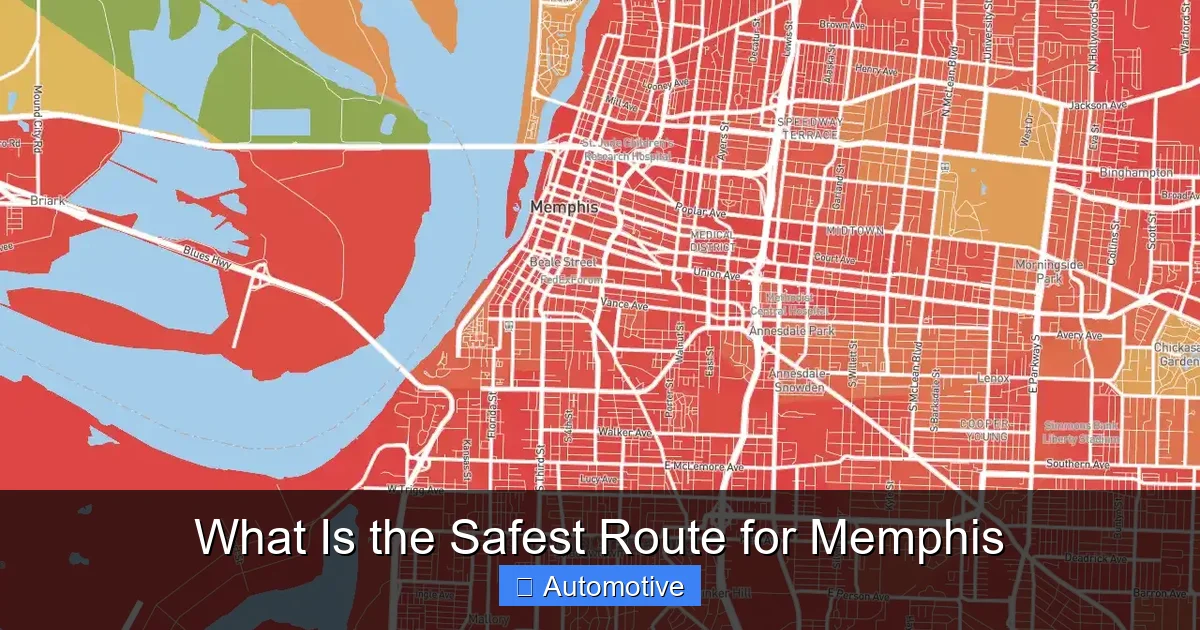
Visual guide about What Is the Safest Route for Memphis
Image source: images.crimegrade.org
While Memphis has many safe and welcoming neighborhoods, some areas require extra caution—especially after dark. Knowing which parts of the city to avoid can help you choose the safest route for Memphis and reduce your risk of encountering trouble.
Frayser
Located in North Memphis, Frayser has a reputation for higher crime rates, particularly property crime and vehicle break-ins. While the area is home to many hardworking families and community efforts to improve safety, it’s best to avoid driving through Frayser at night unless absolutely necessary. If you must pass through, stick to major roads like Elvis Presley Boulevard or James Road, which are better lit and more frequently traveled.
South Memphis
Parts of South Memphis, especially near Third Street and Crump Boulevard, have seen higher levels of violent crime in recent years. These areas are often poorly lit and less patrolled at night. If your route takes you through South Memphis, consider using I-55 or I-240 instead, which bypass the most vulnerable neighborhoods.
Orange Mound
Historically one of Memphis’s most vibrant African American communities, Orange Mound has faced economic challenges that have contributed to higher crime rates in certain sections. While the neighborhood is undergoing revitalization, it’s still wise to exercise caution—especially after dark. Stick to main roads like Park Avenue or Airways Boulevard if you need to travel through the area.
Downtown Memphis (After Dark)
Downtown Memphis is generally safe during the day, with plenty of foot traffic, security cameras, and police presence. However, after midnight, the area can become quieter and less monitored. While Beale Street remains lively with tourists and security, side streets near the convention center or the medical district may feel isolated. If you’re driving downtown at night, park in well-lit, secure lots and avoid walking or driving through empty alleys.
If you must drive through areas with higher crime rates, follow these safety tips:
– Keep your doors locked and windows up.
– Avoid stopping in isolated areas or poorly lit streets.
– Use GPS to stay on main roads and avoid getting lost.
– Travel with a passenger if possible.
– Have your phone charged and emergency contacts ready.
Remember, the goal isn’t to stigmatize neighborhoods but to make informed decisions that keep you safe. Many of these areas are home to wonderful people and communities—just use extra caution when driving through them, especially at night.
Using Technology to Find the Safest Route
Visual guide about What Is the Safest Route for Memphis
Image source: galerie-com.com
In today’s digital age, finding the safest route for Memphis is easier than ever—thanks to real-time navigation apps and traffic tools. These technologies don’t just save time; they can significantly improve your safety by alerting you to hazards before you encounter them.
Google Maps
Google Maps is one of the most popular navigation tools, and for good reason. It provides real-time traffic updates, accident reports, and even police presence alerts. When you input your destination, Google Maps calculates the fastest route based on current conditions and suggests alternatives if there’s congestion or an incident.
One of its best safety features is the “incident reporting” system. Users can report accidents, road closures, or hazards, which are then shared with other drivers. This crowdsourced data helps you avoid dangerous situations before they affect your drive. For example, if there’s a multi-car pileup on I-40, Google Maps will reroute you to a safer path.
Waze
Waze takes real-time navigation a step further by focusing on community-driven alerts. Drivers can report police traps, speed cameras, accidents, and even roadkill. This makes Waze especially useful for avoiding sudden slowdowns or unexpected hazards.
Waze also highlights high-risk areas, such as neighborhoods with frequent accidents or crime reports. While it doesn’t directly label areas as “dangerous,” the frequency of user reports can give you a sense of where to be extra cautious. For instance, if you see multiple police alerts in a specific neighborhood, it’s a sign to stay alert or choose a different route.
Apple Maps
Apple Maps has improved significantly in recent years and now offers detailed traffic data, turn-by-turn navigation, and incident reporting. While it doesn’t have the same level of community input as Waze, it integrates well with iOS devices and provides reliable routing.
One advantage of Apple Maps is its clean interface and voice-guided directions, which reduce distractions while driving. It also highlights construction zones and road closures, helping you avoid delays and potential hazards.
Local Traffic and Crime Apps
For Memphis-specific insights, consider using local tools like:
– **CrimeMapping.com**: Shows recent crime reports by location and type.
– **Memphis 311 App**: Reports potholes, broken streetlights, and other infrastructure issues.
– **TDOT SmartWay**: Provides real-time traffic and road condition updates from the Tennessee Department of Transportation.
Using a combination of these tools gives you a complete picture of what to expect on the road. For example, you might use Google Maps for routing, Waze for real-time alerts, and CrimeMapping to check neighborhood safety before finalizing your path.
– Set your destination before you start driving.
– Use voice commands to minimize screen interaction.
– Keep your phone mounted and at eye level.
– Don’t rely solely on apps—stay aware of your surroundings.
– Update your apps regularly for the latest features and data.
Weather and Seasonal Considerations
Memphis weather can be unpredictable, and it plays a major role in determining the safest route for Memphis. From sudden thunderstorms to winter ice, seasonal changes require different driving strategies.
Spring and Summer: Thunderstorms and Flooding
Spring and summer are peak seasons for severe weather in Memphis. Afternoon thunderstorms are common, bringing heavy rain, lightning, and strong winds. These storms can reduce visibility to near zero and make roads dangerously slick.
One of the biggest risks is flash flooding. Low-lying areas, especially near the Mississippi River and Wolf River, can flood quickly during heavy rain. Roads like Riverside Drive, Mud Island, and parts of I-40 near the river are particularly vulnerable. If you see standing water on the road, never drive through it—just six inches of moving water can sweep away a car.
To stay safe:
– Check the National Weather Service forecast before driving.
– Avoid low-lying roads during storms.
– Slow down and increase following distance in rain.
– Use headlights, even during daytime storms.
Fall: Mild but Variable Conditions
Fall in Memphis is generally pleasant, with cooler temperatures and less rain. However, morning fog can be an issue, especially in river valleys and near lakes. Fog reduces visibility and increases the risk of accidents, particularly on rural roads or highways with sudden curves.
Drive slowly in foggy conditions and use low-beam headlights. Avoid high beams, which can reflect off the fog and make it harder to see.
Winter: Ice and Snow (Rare but Dangerous)
While snow is rare in Memphis, it does happen—and when it does, it can be dangerous. The city is not well-equipped for snow removal, so even a light dusting can cause major delays and accidents.
Black ice is the biggest winter hazard. It forms on bridges, overpasses, and shaded roads and is nearly invisible. I-40 and I-240 have several bridges that freeze quickly. If temperatures drop below freezing, assume that elevated roads may be icy.
Winter driving tips:
– Slow down and avoid sudden braking or turning.
– Keep an emergency kit in your car (blankets, flashlight, snacks).
– Avoid travel during winter storms if possible.
– Use winter tires or chains if you frequently drive in cold weather.
Year-Round: Construction Zones
Construction is a constant in Memphis, especially on major highways. These zones often have reduced lanes, uneven pavement, and sudden stops—all of which increase accident risk.
Always obey posted speed limits in construction areas, even if workers aren’t present. Fines are often doubled in these zones, and the risk of injury is high.
Defensive Driving Tips for Memphis Roads
No matter which route you take, defensive driving is your best defense against accidents and hazards. Memphis traffic can be aggressive, with frequent lane changes, sudden braking, and distracted drivers. Staying alert and proactive can keep you safe.
Stay Focused and Avoid Distractions
Distracted driving is a leading cause of accidents. Put your phone away, avoid eating while driving, and keep conversations with passengers calm. If you need to make a call or send a text, pull over safely.
Maintain a Safe Following Distance
The three-second rule is a good guideline: pick a fixed object on the road, and when the car in front passes it, count “one-thousand-one, one-thousand-two, one-thousand-three.” If you pass the object before finishing, you’re too close.
In rain or fog, increase this to six seconds.
Use Turn Signals and Check Blind Spots
Many accidents happen because drivers don’t signal or check mirrors. Always use your turn signals, even if you think no one is around. Check blind spots before changing lanes—especially on highways.
Be Predictable
Drive in a consistent manner. Don’t weave between lanes, make sudden stops, or accelerate aggressively. Predictable driving helps other motorists anticipate your actions and reduces the risk of collisions.
Watch for Pedestrians and Cyclists
Memphis has many pedestrians, especially in downtown, Midtown, and near universities. Always yield to pedestrians at crosswalks and be extra cautious at night. Cyclists are also common on roads like the Shelby Farms Greenline—give them at least three feet of space when passing.
Know Your Vehicle’s Limits
Make sure your car is in good condition. Check tires, brakes, lights, and fluids regularly. A well-maintained vehicle is less likely to break down or lose control in an emergency.
Planning Your Route: A Step-by-Step Guide
Now that you know the factors that influence safety, here’s a simple process to find the safest route for Memphis every time you drive.
1. **Check the Time of Day**: Avoid driving through high-risk areas at night. If possible, travel during daylight or early evening.
2. **Review the Weather**: Use a weather app to check for storms, fog, or ice.
3. **Use a Navigation App**: Input your destination into Google Maps, Waze, or Apple Maps. Look for routes that use major highways and avoid high-crime zones.
4. **Check Crime Maps**: Use CrimeMapping.com to see recent incidents along your route.
5. **Plan an Alternate Route**: Always have a backup in case of traffic, construction, or road closures.
6. **Prepare Your Vehicle**: Ensure your car is fueled, tires are inflated, and emergency kit is stocked.
7. **Stay Alert While Driving**: Keep your eyes on the road, avoid distractions, and adjust your speed based on conditions.
By following these steps, you’ll be well-prepared for a safe and smooth drive through Memphis.
Conclusion
Finding the safest route for Memphis isn’t about luck—it’s about preparation, awareness, and smart choices. From using real-time navigation apps to avoiding high-risk areas and adjusting for weather, every decision you make can impact your safety on the road.
The best routes often involve major highways like I-40 and I-240, which offer reliability, visibility, and police presence. But safety also depends on your behavior behind the wheel. Defensive driving, staying alert, and planning ahead are just as important as the route itself.
Whether you’re a daily commuter or a first-time visitor, take the time to understand Memphis’s unique driving challenges. Use the tools and tips in this guide to navigate the city with confidence. After all, the safest route isn’t just the one that gets you there fastest—it’s the one that gets you there safely.
Frequently Asked Questions
What is the safest highway to drive on in Memphis?
The safest highways in Memphis are Interstate 40 (I-40) and Interstate 240 (I-240). Both are well-maintained, frequently patrolled, and offer clear signage and lighting, making them ideal for safe travel across the city.
Are there areas in Memphis I should avoid driving through at night?
Yes, neighborhoods like Frayser, parts of South Memphis, and certain sections of North Memphis have higher crime rates and are best avoided at night. Stick to well-lit, busy roads like Poplar Avenue or Sam Cooper Boulevard instead.
How can I check for real-time traffic and road hazards in Memphis?
Use navigation apps like Google Maps, Waze, or Apple Maps, which provide live traffic updates, accident reports, and police alerts. You can also check TDOT SmartWay for official road condition updates.
Does weather affect driving safety in Memphis?
Absolutely. Memphis experiences sudden thunderstorms, flooding, and occasional winter ice, all of which can make roads dangerous. Always check the weather forecast before driving and adjust your route if needed.
What should I do if I encounter a flooded road in Memphis?
Never drive through flooded roads—even shallow water can sweep away your vehicle. Turn around and find an alternate route. If you’re unsure, wait for water levels to recede or contact local authorities for guidance.
Is it safe to drive through downtown Memphis at night?
Downtown Memphis is generally safe during the day and on Beale Street at night due to security and foot traffic. However, side streets can be quiet and poorly lit after midnight—stay alert, park in secure lots, and avoid isolated areas.