What Is the Most Common Problem with the Toyota Corolla

Contents
- 1 Key Takeaways
- 2 📑 Table of Contents
- 3 Understanding the Toyota Corolla’s Reputation for Reliability
- 4 The #1 Issue: Catalytic Converter Problems (Theft and Failure)
- 5 HVAC System Failures: When Climate Control Goes Wrong
- 6 Engine Oil Consumption: A Silent Issue in Older Models
- 7 Transmission and Other Concerns: Shifting Gears Smoothly
- 8 Conclusion: Keeping Your Corolla on the Road
- 9 Frequently Asked Questions

Car USB Charger

Car Phone Holder

Car Interior LED Light

Portable Work Light
Despite its legendary reliability, the Toyota Corolla has a few common issues. The most prevalent problem is catalytic converter theft and failure, especially in 2009-2015 models. Additionally, HVAC system malfunctions and excessive oil consumption in older engines can cause headaches. Regular maintenance and awareness are key to avoiding these pitfalls and ensuring your Corolla remains a dependable companion for years.
If you own or are considering a Toyota Corolla, you’ve likely heard about its stellar reputation for reliability. For decades, the Corolla has been the go-to choice for drivers seeking an affordable, dependable daily driver. It’s a car that just seems to run forever with basic care. But no vehicle is perfect, and even the trusty Corolla has its share of common issues that owners should be aware of. Understanding these potential problems is the first step in preventing them from becoming major, costly headaches.
So, what is the most common problem with the Toyota Corolla? While the answer varies slightly by model year and region, one issue stands out above the rest: catalytic converter problems, particularly theft and premature failure. This is followed closely by HVAC (Heating, Ventilation, and Air Conditioning) system malfunctions and, in some older models, excessive engine oil consumption. Let’s dive deep into these issues, explore why they happen, which models are most affected, and what you can do about them.
Key Takeaways
- Catalytic Converter Issues: Theft and failure are the #1 problem, particularly in 2009-2015 models, due to precious metal content and design.
- HVAC System Malfunctions: Problems with the heater, air conditioner, and blower motor are frequently reported, often linked to the Eco Heat/Cool system.
- Engine Oil Consumption: Some older Corollas (early 2000s) with specific engines burn oil excessively, requiring frequent top-offs or rebuilds.
- General Reliability: Despite these issues, the Corolla remains one of the most reliable cars ever made when properly maintained.
- Model Year Awareness: Knowing which years have the most reported problems (like 2009-2011 for catalytic issues) helps in buying a used Corolla.
- Preventive Maintenance is Crucial: Regular inspections, timely oil changes, and addressing small issues early prevent major, costly repairs.
- Cost of Repairs Varies: Catalytic converter replacement is expensive; HVAC fixes are moderate; oil consumption issues can lead to engine damage if ignored.
📑 Table of Contents
- Understanding the Toyota Corolla’s Reputation for Reliability
- The #1 Issue: Catalytic Converter Problems (Theft and Failure)
- HVAC System Failures: When Climate Control Goes Wrong
- Engine Oil Consumption: A Silent Issue in Older Models
- Transmission and Other Concerns: Shifting Gears Smoothly
- Conclusion: Keeping Your Corolla on the Road
Understanding the Toyota Corolla’s Reputation for Reliability
Before we talk problems, let’s acknowledge the elephant in the room: the Toyota Corolla is arguably the most successful and reliable car in history. With millions sold worldwide, its name is synonymous with longevity and low cost of ownership. This reputation isn’t accidental. Toyota engineered the Corolla to be simple, durable, and easy to repair. Its powertrains, especially the 4-cylinder engines and automatic transmissions, are known to surpass 300,000 miles with basic maintenance.
The Pillars of Corolla Reliability
This reliability stems from a few key design philosophies. First, simplicity. Corollas historically avoided complex, unproven technology in favor of proven mechanical systems. Second, quality control. Toyota’s manufacturing standards are exceptionally high. Third, conservative engineering. Engines are not tuned for maximum power at the expense of longevity; they are designed for efficiency and durability. This means parts are often overbuilt, leading to less stress and longer life.
However, this very simplicity and ubiquity can sometimes lead to specific, widespread issues. When a part is used in millions of cars across the globe, any minor design flaw or vulnerability gets amplified. Furthermore, as catalytic converter theft has surged nationally, the Corolla’s efficient but precious-metal-rich converter has become a prime target. This combination of factors gives us our primary answer.
The #1 Issue: Catalytic Converter Problems (Theft and Failure)
Without a doubt, the most frequently discussed and financially damaging problem facing modern Toyota Corolla owners is the catalytic converter. This isn’t just a minor repair; a failed or stolen converter can cost $1,500 to $3,000 or more to replace. The issue manifests in two main ways: theft and premature internal failure.

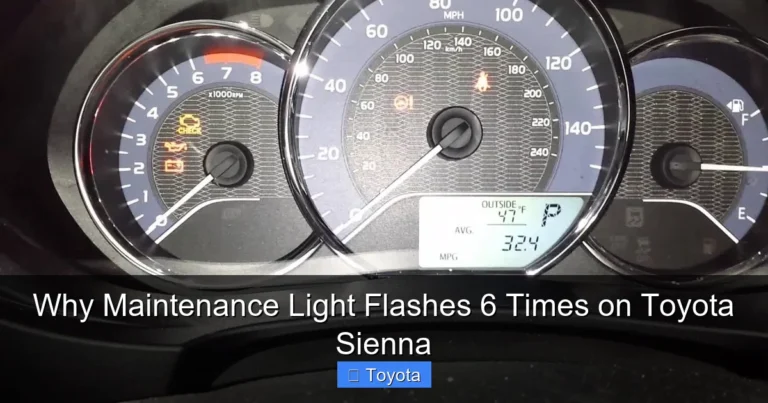
Visual guide about What Is the Most Common Problem with the Toyota Corolla
Image source: dash-lights.com
Why Catalytic Converters Are Targeted
The catalytic converter is a critical emissions component located in the exhaust system, between the engine and the muffler. Its job is to convert harmful pollutants like carbon monoxide and nitrogen oxides into less harmful gases. It does this using a honeycomb structure coated with precious metals—primarily platinum, palladium, and rhodium. These metals have skyrocketed in value on the scrap market, making catalytic converters a lucrative target for thieves.
The Toyota Corolla, particularly models from the late 2000s through the mid-2010s, uses a converter with a high concentration of these valuable metals. Its design also often places the converter relatively accessible underneath the vehicle, sometimes with only one catalytic converter (some cars have two or three), making it a quick and easy target. A thief can saw it off in under two minutes with a battery-powered reciprocating saw. You can learn more about its specific location and function for model years like the 2010 Corolla in our dedicated guide.
Symptoms of a Failing or Missing Catalytic Converter
If your catalytic converter is failing internally (clogged) or has been stolen, you’ll notice clear symptoms:
- Loud Exhaust Noise: A stolen converter creates a gaping hole in the exhaust, resulting in a very loud, deep, rumble—often described as sounding like a race car or a truck. It’s unmistakable and immediate.
- Check Engine Light: A failing converter that is clogged will trigger oxygen sensor codes (like P0420 or P0430) because it can no longer effectively treat exhaust gases.
- Poor Performance & Fuel Economy: A clogged converter creates backpressure, strangling the engine. You’ll notice sluggish acceleration, difficulty reaching higher speeds, and a significant drop in miles per gallon.
- Failed Emissions Test: A malfunctioning converter will cause your vehicle to fail any state-mandated smog or emissions test.
- Rotten Egg Smell: A failing converter can sometimes emit a sulfur-like, rotten egg odor from the exhaust.
Prevention and Protection: What You Can Do
Given the high cost and prevalence of this problem, prevention is your best strategy.
- Park Strategically: Whenever possible, park in a locked garage or well-lit, high-traffic area. Thieves target isolated, dark locations.
- Install an Anti-Theft Plate or Cage: These are steel plates or cages welded over the converter, making it much harder and more time-consuming to steal. It’s one of the most effective deterrents and often costs a few hundred dollars.
- Etch Your VIN: Having your Vehicle Identification Number etched onto the converter makes it traceable and less attractive to scrap yards who may be wary of receiving stolen goods.
- Install a Catalytic Converter Alarm or Sensor: Some aftermarket systems can detect sawing or impact and trigger a loud alarm or send an alert to your phone.
- Check Your Insurance: Comprehensive coverage typically covers catalytic converter theft, but you’ll pay your deductible. Understand your policy’s limits and deductibles.
If your converter is stolen, you must replace it immediately. Driving without one is illegal in all states, damages the engine, and is incredibly loud. For a failing internal converter, diagnosis by a professional is needed to confirm it’s not a faulty oxygen sensor, which is a cheaper fix.
HVAC System Failures: When Climate Control Goes Wrong
After catalytic converter issues, the next most common complaints about the Toyota Corolla revolve around its heating and cooling system. A comfortable cabin is essential, and when the HVAC system fails—especially in extreme weather—it’s a major inconvenience. Common failures include a blower motor that stops working, an air conditioner that blows warm air, or a heater that only produces lukewarm air.

Visual guide about What Is the Most Common Problem with the Toyota Corolla
Image source: i1.wp.com
The Eco Heat/Cool System Quirk
Many modern Corollas feature Toyota’s “Eco Heat/Cool” or “Eco” mode. This system is designed to improve fuel efficiency by automatically moderating the output of the heater and air conditioner. For example, in Eco mode, the A/C might not get as cold, or the heater might not get as hot, to reduce engine load. While well-intentioned, this system can sometimes confuse owners. They might think their A/C is broken when it’s simply operating in a less aggressive Eco mode. It’s important to understand how this feature works and how to turn it off. Our detailed article explains what Eco Heat/Cool is on a Toyota Corolla and its typical behaviors.
Common HVAC Failures and Their Causes
- Blower Motor Failure: This is extremely common. The blower motor pushes air through your vents. When it fails, you get no airflow at all, regardless of the fan setting. The motor itself can burn out, or the resistor pack (which controls fan speed) can fail. Symptoms include only having air on certain speeds or no air at all.
- Air Conditioning Not Cooling: This can be due to low refrigerant (leak), a faulty compressor, a bad clutch, or a blocked condenser. A common, inexpensive issue is a worn-out cabin air filter that restricts airflow, making the A/C seem weak.
- Heater Not Getting Hot: If the engine is at operating temperature but the heater blows cold, the most likely culprit is a failed heater core (a small radiator that heats the cabin air) or a problem with the blend door/actuator that controls air temperature mixing. Low coolant can also cause this.
- Strange Noises: Rattling, buzzing, or squealing from the dashboard often points to a failing blower motor or a loose blend door actuator.
The Hold Button and Climate Control
Part of the HVAC system is the climate control interface. Many Corolla owners notice a “Hold” button on their dashboard or climate control panel. This button allows you to lock in a specific temperature setting for the cabin, overriding automatic adjustments. If this button or its associated circuitry malfunctions, it can lead to inconsistent cabin temperatures. Understanding what the Hold button on a Toyota Corolla does can help you diagnose whether a climate control issue is a simple setting problem or a deeper electrical fault.
Most HVAC repairs are moderately priced. A blower motor replacement might cost $300-$600. Recharging A/C refrigerant is cheap ($100-$200), but fixing a leak or compressor is much more expensive. A heater core replacement is a major job, often costing $800-$1,200 because the dashboard must be partially removed.
Engine Oil Consumption: A Silent Issue in Older Models
While not as frequently discussed as catalytic theft or HVAC, excessive engine oil consumption is a notorious problem in specific older Toyota Corolla models. It’s a “silent” issue because it often goes unnoticed until oil levels are critically low, potentially leading to catastrophic engine failure.

Visual guide about What Is the Most Common Problem with the Toyota Corolla
Image source: live-pw-import.s3.amazonaws.com
Which Models Are Affected?
The problem is most prevalent in Corollas from the early to mid-2000s (roughly 2002-2005 model years) equipped with the 1ZZ-FE 1.8-liter 4-cylinder engine. This engine, while generally reliable, has a design flaw related to its piston rings. The rings can stick or wear prematurely, allowing oil to seep past them and enter the combustion chamber where it is burned. This results in the engine consuming oil between scheduled changes.
Signs of Excessive Oil Use
- Frequent Need for Top-Offs: You find yourself adding a quart or more of oil every 1,000 miles, or even between regular 5,000-mile oil changes.
- Blueish Smoke from Exhaust: Especially noticeable during startup or hard acceleration. This is oil burning in the combustion chamber.
- Oil Level Drops Quickly: Always check the dipstick. If the oil level is consistently below the “Full” mark after a short drive, you have a consumption issue.
- Spark Plugs Foul: Oil-fouled spark plugs can cause misfires and poor performance. They will appear oily and dark.
Solutions and Maintenance
If you own a Corolla with this engine and notice consumption, act quickly.
- Monitor Religiously: Check the oil level at least once a week or every 1,000 miles. Never let it drop below the “Low” mark.
- Use the Right Oil: Use the exact viscosity specified by Toyota, typically 5W-20 or 5W-30. Using a heavier oil might reduce consumption slightly but could cause other issues.
- Shorten Oil Change Intervals: Change your oil and filter every 3,000-4,000 miles instead of the recommended 5,000-7,000. This keeps the oil cleaner and may help with ring seating.
- Major Repair: The permanent fix is a costly engine rebuild or replacement, which involves replacing the piston rings and potentially honing or replacing the cylinder walls. This can cost $3,000-$5,000+. For a high-mileage car, it may not be economically viable.
For potential buyers, a pre-purchase inspection that includes a compression test and oil consumption check is vital for these specific model years.
Transmission and Other Concerns: Shifting Gears Smoothly
The Toyota Corolla’s automatic transmission, particularly the 4-speed and later 6-speed units, is also known for its durability. However, no component is immune to issues over hundreds of thousands of miles. While not as widespread as the catalytic or HVAC problems, certain transmission-related concerns have been reported.
Transmission Hesitation and Shifting Issues
Some owners of Corollas from the late 2000s and early 2010s report occasional hesitation or harsh shifts, especially when cold. This can often be attributed to the transmission control module’s programming or a slightly worn valve body. A simple transmission fluid and filter change (using genuine Toyota fluid) can sometimes smooth out shifts dramatically. However, if the transmission is slipping (engine revs high but car doesn’t accelerate accordingly) or making clunking noises, it may indicate internal wear requiring a rebuild or replacement.
Other Minor but Annoying Issues
A complete picture of “common problems” must include the smaller, non-safety items that drive owners crazy:
- Exterior Door Handle Failures: The plastic exterior door handles on many Corollas (especially 2009-2013) are prone to breaking. The internal mechanism fails, and you can’t open the door from the outside. This is a cheap but frustrating fix.
- Power Window Motor/Regulator Failure: The window regulator or its motor can fail, causing the window to stop working or drop into the door. This is another common, relatively inexpensive repair.
- Starter Failure: On some higher-mileage models, the starter motor can wear out, leading to a slow crank or a “click” with no start. This is predictable and replaceable.
- Strut Mount Noise: Worn strut mounts can cause a clunking or rattling noise over bumps, especially when turning. Replacing the mounts is a standard suspension repair.
These issues highlight that even the most reliable cars have wear-and-tear parts. The key is distinguishing between normal aging components and systemic design flaws.
Conclusion: Keeping Your Corolla on the Road
So, what is the most common problem with the Toyota Corolla? The data is clear: catalytic converter theft and failure is the most prominent and costly issue facing owners today, especially for models built between 2009 and 2015. This is closely followed by HVAC system malfunctions and, for a specific subset of older models, excessive oil consumption.
But here’s the crucial perspective: these problems exist within the context of a car that is, by any objective measure, one of the most reliable and long-lasting vehicles ever produced. Millions of Corollas are on the road today with well over 200,000 miles, still on their original engines and transmissions. The “common problems” we’ve discussed are often the exceptions that prove the rule.
Your best defense is knowledge and preventive maintenance. If you’re buying a used Corolla, get a pre-purchase inspection from a trusted mechanic. Have them specifically check for oil consumption, scan for any catalytic converter-related codes, and test all HVAC functions. For current owners, stay vigilant. Listen for new noises, monitor fluid levels, and address small issues before they snowball. Install an anti-theft plate if you live in an area with high theft rates. By treating your Corolla with the care it’s designed for, you’ll likely enjoy problem-free motoring for the long haul, and that’s exactly what Toyota intended.
Frequently Asked Questions
What year Toyota Corolla has the most problems?
Model years 2009-2011 are often cited for higher reports of catalytic converter issues and some electrical gremlins. Early 2000s (2002-2005) with the 1ZZ-FE engine are known for oil consumption. However, even these years are generally more reliable than many competitors’ entire model lineups.
How much does it cost to replace a catalytic converter on a Corolla?
The total cost typically ranges from $1,800 to $3,500, depending on whether you use an OEM part or an aftermarket one, and your labor rates. This makes catalytic converter theft particularly devastating.
Is it worth fixing a Corolla with high oil consumption?
It depends on the car’s value and your emotional attachment. For a high-mileage Corolla worth $4,000, a $4,000 engine rebuild isn’t economical. For a lower-mileage, well-maintained example, it might be worth it to extend its life significantly. Strict oil monitoring is a temporary but critical management strategy.
Why does my Corolla’s A/C blow warm air sometimes?
First, ensure it’s not in “Eco Heat/Cool” mode, which reduces cooling output. If that’s not the issue, common causes include low refrigerant from a leak, a failing compressor, or a broken cabin air filter restricting airflow. A professional diagnosis is needed.
How can I prevent catalytic converter theft on my Corolla?
Park in well-lit, secure areas. Install an anti-theft steel plate or cage over the converter. Have your VIN etched onto the converter. Consider a catalytic converter alarm. These deterrents make your car a much less attractive target.
Do Toyota Corollas have transmission problems?
Serious, widespread transmission failures are not typical for the Corolla. However, some owners report shift hesitations or harsh shifts, often fixed with a transmission fluid change. True transmission failures (slipping, no movement) are rare and usually occur only at very high mileage (250,000+).