
What Is No-fault Car Insurance

No-fault car insurance ensures that your own insurance company covers your medical expenses and lost wages after an accident—regardless of who caused it. This system aims to reduce lawsuits and speed up claims, but it’s only required in certain states and may limit your right to sue.
Key Takeaways
- No-fault insurance covers your injuries first: Your insurer pays for medical bills and lost income, no matter who caused the crash.
- It’s mandatory in 12 states: Florida, Hawaii, Kansas, Kentucky, Massachusetts, Michigan, Minnesota, New Jersey, New York, North Dakota, Pennsylvania, and Utah require no-fault coverage.
- It reduces lawsuits: By limiting the ability to sue for minor injuries, no-fault laws help keep court systems less congested.
- You may still sue in serious cases: If injuries meet a state-defined threshold (like permanent disability), you can step outside the no-fault system.
- Property damage is usually excluded: No-fault typically doesn’t cover vehicle repairs—those are handled under traditional liability or collision coverage.
- Premiums can be higher in no-fault states: Due to broader medical coverage requirements, insurance costs may be elevated compared to fault-based states.
- Personal Injury Protection (PIP) is key: PIP is the core component of no-fault insurance, covering medical costs, rehabilitation, and sometimes even childcare or household services.
📑 Table of Contents
What Is No-Fault Car Insurance?
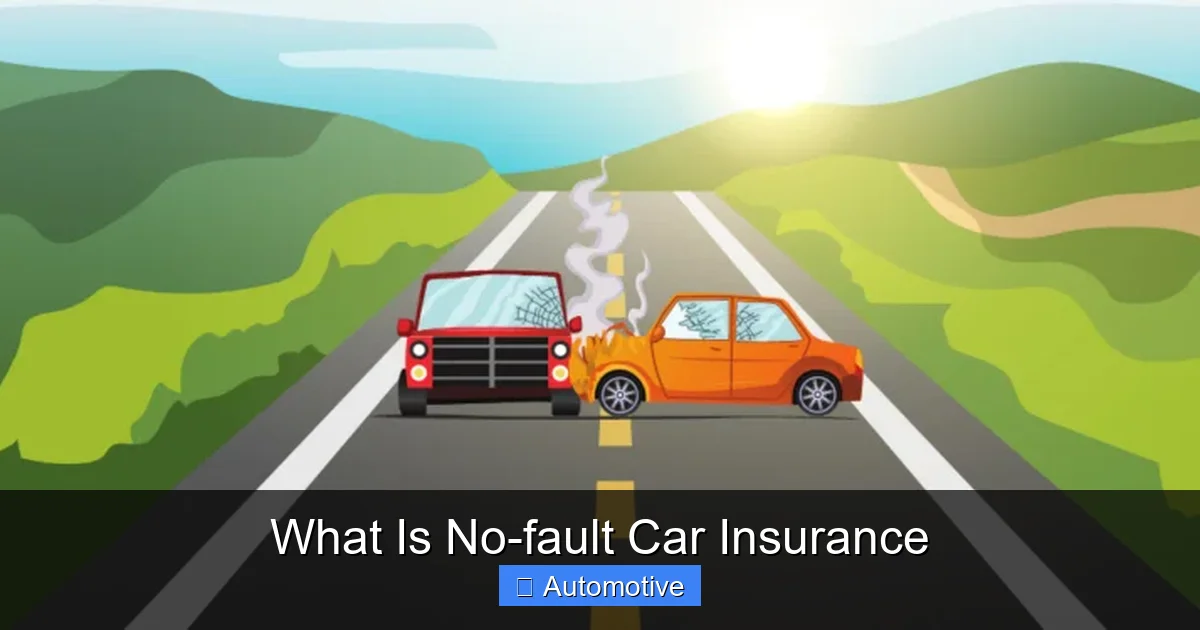
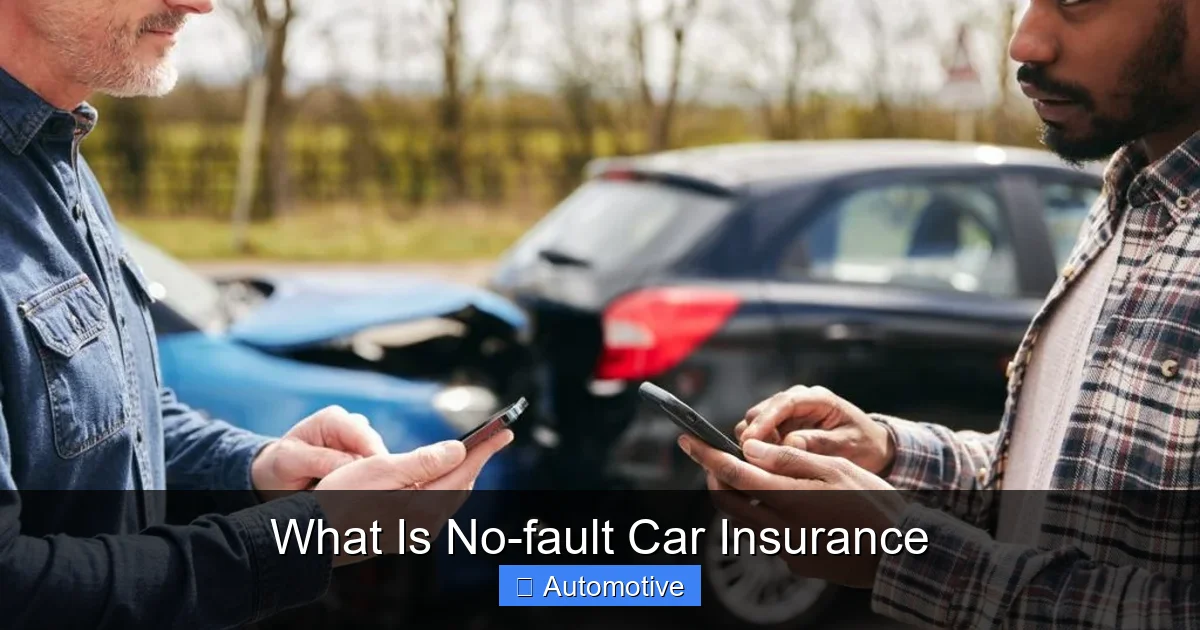
Imagine you’re driving home from work, stopped at a red light, when—BAM!—the car behind you rear-ends you. Your neck aches, your head is spinning, and you’re worried about medical bills piling up. In a traditional “at-fault” insurance system, you’d have to wait for the other driver’s insurer to accept liability before getting compensated. That process can take weeks—or even months.
But in a no-fault state, things work differently. Instead of pointing fingers, your own insurance company steps in right away to cover your medical expenses and lost wages—no matter who caused the accident. That’s the core idea behind no-fault car insurance: quick, predictable coverage for injuries, without the legal drama.
No-fault insurance isn’t about avoiding responsibility altogether. It’s about streamlining the claims process so injured drivers get help faster. The system is designed to reduce the number of small injury lawsuits clogging up courts and to ensure that medical care isn’t delayed while insurers argue over fault. While it doesn’t eliminate all legal action, it significantly limits your ability to sue the other driver unless your injuries are serious enough to meet a specific legal threshold.
How No-Fault Insurance Works
Visual guide about What Is No-fault Car Insurance
Image source: cheepinsurance.ca
At the heart of no-fault insurance is a type of coverage called Personal Injury Protection (PIP). Think of PIP as your personal safety net after an accident. When you’re injured in a crash—whether you were at fault or not—your PIP coverage kicks in to pay for things like hospital visits, doctor bills, physical therapy, and even lost income if you can’t work.
Let’s say you’re in a minor fender bender in Michigan, a no-fault state. Even if the other driver ran a red light and caused the crash, your own insurer will cover your medical costs up to your PIP limit. You don’t have to wait for the other party’s insurance company to admit fault. This means faster treatment and less stress during an already difficult time.
But here’s the catch: no-fault insurance usually doesn’t cover damage to your vehicle. That’s where other types of coverage come in. For car repairs, you’ll typically need collision or comprehensive insurance. So while no-fault handles your health and income, traditional liability or collision coverage handles your car.
Another important detail: no-fault doesn’t mean “no consequences.” If you cause an accident, you can still be held liable for property damage and for injuries that exceed the no-fault threshold. And if your injuries are severe—like a broken bone, permanent disability, or significant disfigurement—you may be allowed to sue the at-fault driver for additional compensation.
The Role of Personal Injury Protection (PIP)
Personal Injury Protection is the engine that drives no-fault insurance. It’s not just about medical bills—it’s a comprehensive safety net that can cover a wide range of expenses related to your injury.
For example, if you’re a teacher who breaks your arm in a crash and can’t write on the board for six weeks, PIP might cover your lost wages. If you need help with daily tasks like cooking or cleaning while you recover, some PIP policies even reimburse for household services. In certain states, PIP can also cover funeral expenses or survivor benefits if the worst happens.
PIP coverage limits vary by state and policy. In New York, the minimum PIP coverage is $50,000 per person. In Michigan, it’s unlimited for medical expenses—yes, you read that right. Michigan is unique in offering unlimited PIP medical benefits, which is one reason why auto insurance premiums there are among the highest in the nation.
When you buy a no-fault policy, you’ll choose your PIP limit based on your needs and budget. Higher limits mean better protection but also higher premiums. It’s a trade-off, but one that can pay off big if you’re ever seriously injured.
Fault vs. No-Fault: What’s the Difference?
To really understand no-fault insurance, it helps to compare it to the traditional fault-based system used in most states.
In a fault-based state, the driver who causes the accident is financially responsible for the damages. Their liability insurance pays for the other party’s medical bills and vehicle repairs—but only after fault is determined. This can involve investigations, police reports, and sometimes even court battles. If the at-fault driver is uninsured or underinsured, you might have to rely on your own coverage or sue them personally.
No-fault, on the other hand, flips the script. Instead of waiting to see who’s to blame, both drivers turn to their own insurers for injury coverage. This speeds up the process and reduces the need for litigation over minor injuries.
But no-fault isn’t perfect. Critics argue that it can lead to higher premiums because insurers are on the hook for more medical claims. There’s also concern about fraud—some people may exaggerate injuries to collect PIP benefits. And because you can’t easily sue for pain and suffering in minor cases, some feel it limits accountability.
Still, supporters say no-fault reduces legal costs, speeds up recovery, and ensures that injured people get help quickly—even if the other driver is uninsured.
States That Require No-Fault Insurance
Visual guide about What Is No-fault Car Insurance
Image source: d187qskirji7ti.cloudfront.net
Not every state uses the no-fault system. As of 2024, only 12 states (and Puerto Rico) have mandatory no-fault laws. These states are:
– Florida
– Hawaii
– Kansas
– Kentucky
– Massachusetts
– Michigan
– Minnesota
– New Jersey
– New York
– North Dakota
– Pennsylvania
– Utah
Each of these states has its own version of no-fault rules, including different PIP limits, thresholds for suing, and what expenses are covered. For example, Michigan offers unlimited medical PIP coverage, while Florida requires only $10,000 in PIP benefits.
Some states, like Kentucky and New Jersey, are “choice” no-fault states. This means drivers can opt out of the no-fault system and choose a traditional liability policy instead—but they must do so in writing when purchasing insurance.
If you live in a no-fault state, you’re required by law to carry PIP coverage. Driving without it can result in fines, license suspension, or even vehicle impoundment. It’s not optional—it’s part of staying legal on the road.
What Happens If You Move to a No-Fault State?
Moving from a fault-based state to a no-fault state? You’ll need to adjust your insurance coverage. Your current policy probably doesn’t include PIP, so you’ll need to add it when you update your insurance for your new address.
For example, if you move from Texas (a fault state) to New York (a no-fault state), your insurer will likely require you to add at least $50,000 in PIP coverage. You may also need to increase your liability limits, as no-fault states often have higher minimum requirements.
It’s a good idea to shop around when you move. Insurance rates can vary widely between states, and no-fault states tend to have higher average premiums. Comparing quotes from multiple insurers can help you find the best deal while meeting legal requirements.
Pros and Cons of No-Fault Insurance
Visual guide about What Is No-fault Car Insurance
Image source: cheepinsurance.ca
Like any insurance system, no-fault has its advantages and drawbacks. Whether it’s right for you depends on your priorities, driving habits, and where you live.
Advantages of No-Fault Insurance
One of the biggest benefits is speed. Because your own insurer handles your injury claims, you don’t have to wait for fault to be determined. This means faster access to medical care and quicker reimbursement for lost wages.
No-fault also reduces the number of lawsuits. In states with no-fault laws, there are far fewer personal injury cases going to court. This saves time and money for everyone—drivers, insurers, and the legal system.
Another plus is protection against uninsured drivers. If someone hits you and doesn’t have insurance, you’re still covered under your PIP policy. You won’t be left paying out of pocket for medical bills.
Finally, no-fault promotes fairness. Even if you cause an accident, you’re still covered for your own injuries. This can be a relief if you’re at fault but still hurt.
Disadvantages of No-Fault Insurance
On the downside, no-fault insurance can be more expensive. Because insurers are required to cover more medical expenses, premiums tend to be higher in no-fault states. Michigan, for example, consistently ranks as one of the most expensive states for car insurance.
There’s also the issue of limited legal recourse. If you’re injured in a minor accident, you usually can’t sue the other driver for pain and suffering—even if they were clearly at fault. You’re limited to the compensation provided by your PIP policy.
Fraud is another concern. Some people exploit no-fault systems by filing exaggerated or fake injury claims. This drives up costs for everyone and can lead to stricter regulations.
And while no-fault covers injuries well, it doesn’t help with vehicle repairs. You’ll still need collision coverage to fix your car, which adds to your overall insurance cost.
When Can You Sue Under No-Fault?
One of the most common misconceptions about no-fault insurance is that you can never sue after an accident. That’s not true—you just can’t sue for every little injury.
Each no-fault state sets a “threshold” that determines when you can step outside the no-fault system and file a lawsuit. There are two main types of thresholds: verbal and monetary.
A verbal threshold defines specific injuries that allow you to sue—like broken bones, permanent disability, or significant disfigurement. For example, in New York, you can sue if you suffer a “serious injury,” which includes things like fractures, loss of a fetus, or permanent loss of use of a body part.
A monetary threshold, used in states like Kansas and Kentucky, allows you to sue once your medical expenses exceed a certain amount—say, $2,000 or $5,000.
If your injuries meet the threshold, you can sue the at-fault driver for additional damages, including pain and suffering, emotional distress, and punitive damages in extreme cases.
But if your injuries are minor—like whiplash or a sprained wrist—you’re generally stuck with your PIP benefits. This is why it’s so important to understand your state’s threshold and to document your injuries carefully after an accident.
Example: Suing in a No-Fault State
Let’s say you’re in a crash in Florida and suffer a herniated disc that requires surgery and months of physical therapy. Your medical bills total $25,000, and you miss three months of work.
Under Florida’s no-fault law, your PIP coverage (minimum $10,000) will pay for part of your medical costs. But because your injuries are severe and meet the state’s verbal threshold for “permanent injury,” you can sue the other driver for the remaining medical expenses, lost wages, and pain and suffering.
Without that threshold, you’d be limited to your PIP benefits—even if your injuries were life-changing.
Tips for Drivers in No-Fault States
If you live in a no-fault state, here are some practical tips to get the most out of your coverage:
Choose the Right PIP Limit
Don’t just go with the minimum. While it’s cheaper, it may not be enough if you’re seriously injured. Consider your health, job, and family situation when selecting your PIP limit. If you have a high-deductible health plan, higher PIP coverage can fill the gap.
Keep Detailed Records
After an accident, document everything—medical visits, prescriptions, therapy sessions, and time missed from work. These records are crucial if you need to file a PIP claim or sue for additional damages.
Understand Your State’s Threshold
Know what injuries allow you to sue. If you’re unsure whether your injury qualifies, consult a personal injury attorney. They can help you navigate the legal system and fight for fair compensation.
Don’t Skip Collision Coverage
Remember, no-fault doesn’t cover vehicle damage. If you want your car repaired after a crash, you’ll need collision insurance. It’s especially important if you drive a newer or more valuable vehicle.
Shop Around for Insurance
Premiums vary widely, even within no-fault states. Compare quotes from multiple insurers to find the best rates. Bundling auto and home insurance, maintaining a clean driving record, and taking defensive driving courses can also lower your costs.
Conclusion
No-fault car insurance is a unique system designed to protect drivers from lengthy legal battles and delayed medical care. By requiring your own insurer to cover your injuries—regardless of fault—it ensures faster compensation and reduces court congestion. While it comes with higher premiums and limits on lawsuits, it offers peace of mind in knowing you’re covered no matter what happens on the road.
Whether you live in a no-fault state or are just curious about how it works, understanding this system can help you make smarter decisions about your coverage. From choosing the right PIP limit to knowing when you can sue, being informed is your best defense against unexpected accidents.
Ultimately, no-fault insurance isn’t perfect—but for millions of drivers, it’s a reliable safety net that keeps them protected when they need it most.
Frequently Asked Questions
What states have no-fault car insurance?
Twelve states require no-fault insurance: Florida, Hawaii, Kansas, Kentucky, Massachusetts, Michigan, Minnesota, New Jersey, New York, North Dakota, Pennsylvania, and Utah. Each has its own rules and coverage limits.
Does no-fault insurance cover car damage?
No, no-fault insurance typically only covers medical expenses and lost wages. Vehicle repairs are handled under collision or comprehensive coverage, not Personal Injury Protection (PIP).
Can I sue someone in a no-fault state?
Yes, but only if your injuries meet your state’s legal threshold—such as permanent disability, broken bones, or medical costs exceeding a set amount. Minor injuries usually don’t qualify.
Is no-fault insurance more expensive?
Generally, yes. Because insurers must cover more medical costs, premiums in no-fault states tend to be higher than in fault-based states.
What is PIP coverage?
Personal Injury Protection (PIP) is the core of no-fault insurance. It pays for medical bills, lost wages, rehabilitation, and sometimes household services after an accident—regardless of fault.
Can I opt out of no-fault insurance?
In most no-fault states, no—PIP coverage is mandatory. However, a few states like Kentucky and New Jersey allow drivers to opt out in writing when purchasing insurance.