What Is Blue Stuff on Car Battery
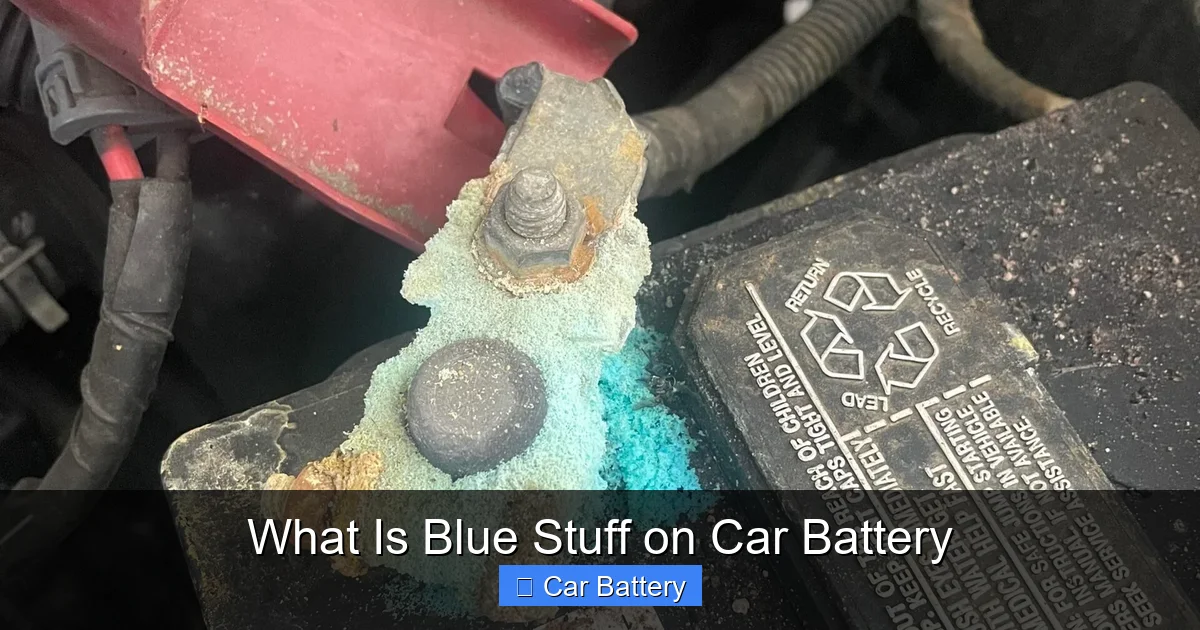
The blue stuff on your car battery is usually a type of corrosion caused by chemical reactions between battery acid and metal components. It’s often a mix of copper sulfate and other compounds that form when electrolyte leaks or vents release gases. While it looks alarming, it’s usually harmless if cleaned properly—but ignoring it can lead to poor electrical connections and battery failure.
In This Article
- 1 Key Takeaways
- 2 📑 Table of Contents
- 3 What Is Blue Stuff on Car Battery?
- 4 What Causes Blue Corrosion on Car Batteries?
- 5 Is Blue Battery Corrosion Dangerous?
- 6 How to Clean Blue Corrosion Off a Car Battery
- 7 How to Prevent Blue Corrosion on Car Batteries
- 8 When to Call a Professional
- 9 Conclusion
- 10 Frequently Asked Questions
Key Takeaways
- Blue corrosion is typically copper sulfate: It forms when battery acid reacts with copper terminals or cables, creating a blue or bluish-green crust.
- It’s a sign of battery leakage or overcharging: Gases escaping from the battery can carry sulfuric acid that reacts with surrounding metals.
- It can disrupt electrical flow: Corrosion acts as an insulator, reducing the battery’s ability to deliver power to your vehicle.
- Cleaning is simple but requires safety precautions: Use baking soda and water, wear gloves and eye protection, and disconnect the battery first.
- Prevention is better than cure: Regular inspections, proper charging, and using anti-corrosion sprays can stop buildup.
- Persistent blue residue may indicate a failing battery: If it keeps returning, have your battery and charging system tested.
- Never ignore battery corrosion: Left untreated, it can damage cables, terminals, and even the battery case over time.
📑 Table of Contents
What Is Blue Stuff on Car Battery?
You pop the hood of your car, and there it is—something strange and colorful clinging to the battery terminals or nearby cables. It looks like a bluish-green crust, almost like a science experiment gone wrong. You might wonder: What is this blue stuff on my car battery? Is it dangerous? Should you panic? Can it hurt your car?
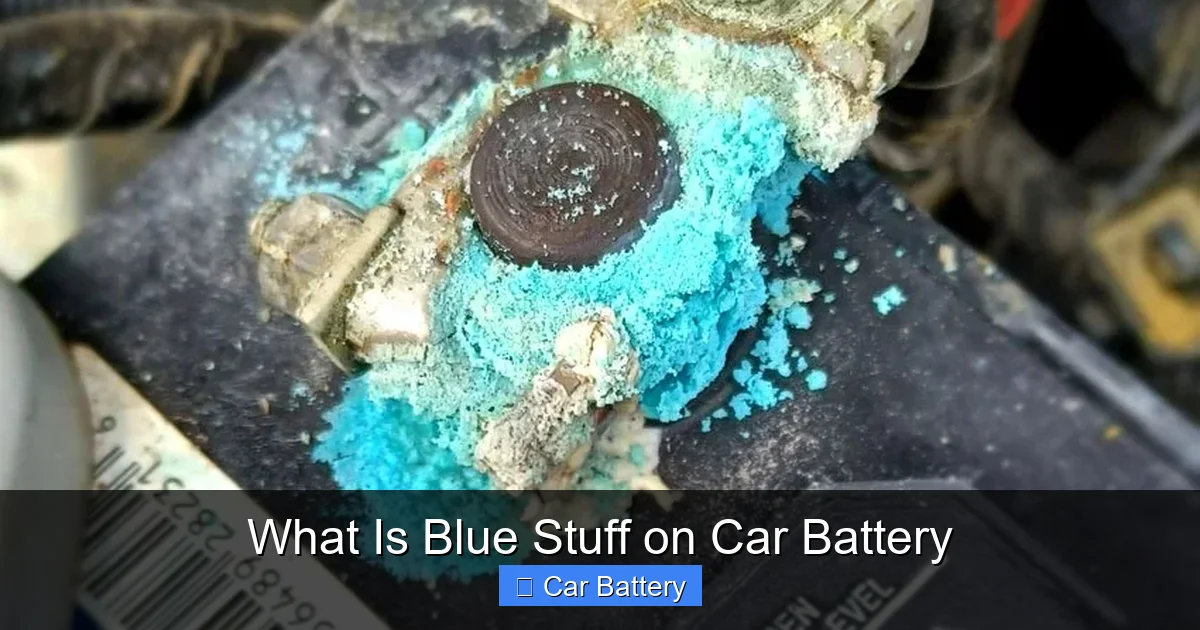
The good news is, you’re not alone. Many drivers have spotted this odd-colored residue and felt a mix of confusion and concern. The blue stuff—often tinted green or white as well—is actually a form of battery corrosion. It’s not paint, mold, or anything supernatural. It’s a chemical byproduct that forms when battery acid leaks or gases escape and react with metal parts, especially copper. While it might look alarming, understanding what it is and how to deal with it can save you time, money, and stress down the road.
In this guide, we’ll break down everything you need to know about the blue stuff on your car battery. From what causes it, how to identify it, and step-by-step cleaning methods, to prevention tips and when to call a professional. Whether you’re a DIY enthusiast or just want to keep your car running smoothly, this article will give you the knowledge and confidence to handle battery corrosion like a pro.
What Causes Blue Corrosion on Car Batteries?
To understand the blue stuff on your car battery, it helps to know a little about how batteries work. Car batteries are lead-acid batteries, meaning they contain lead plates submerged in a sulfuric acid and water solution (the electrolyte). During normal operation, the battery produces hydrogen and oxygen gases as part of the chemical reaction that generates electricity. These gases are usually vented safely out of the battery case.
Visual guide about What Is Blue Stuff on Car Battery
Image source: bryansgarage.com
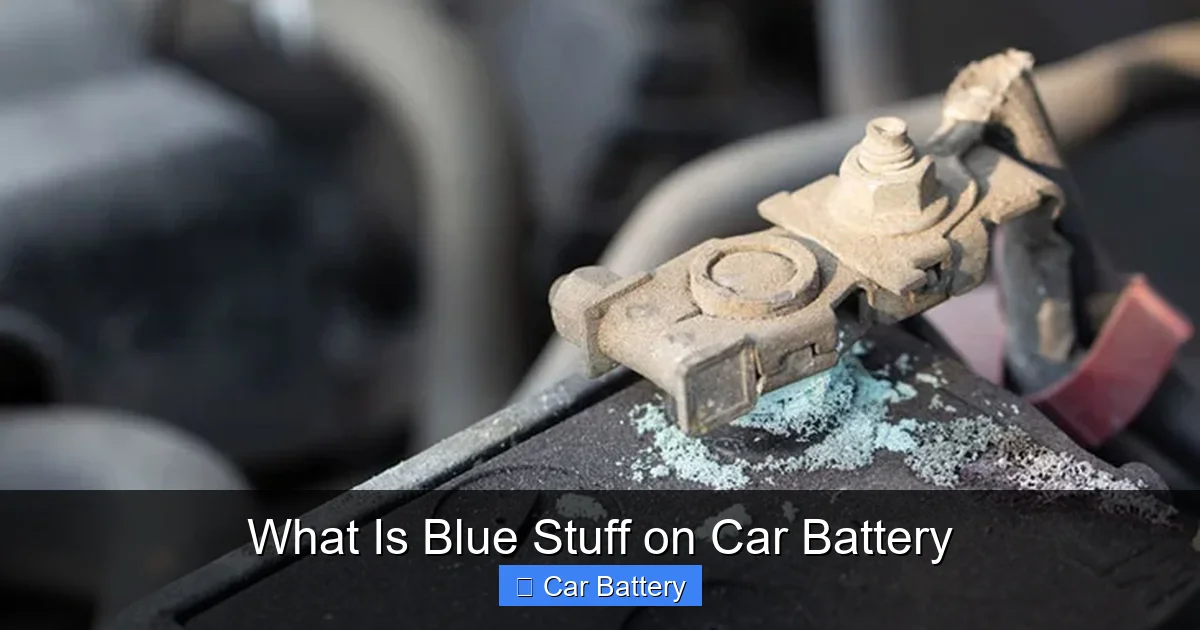
However, under certain conditions—like overcharging, vibration, or a cracked battery case—these gases can escape and mix with moisture in the air. When that happens, sulfuric acid droplets can form and come into contact with metal parts, especially the copper terminals and cable connectors. Copper reacts with sulfur compounds to form copper sulfate, which appears as a blue or bluish-green powdery or crusty substance. That’s the blue stuff you’re seeing.
Common Triggers of Battery Corrosion
Several factors can increase the chances of blue corrosion forming on your battery:
- Overcharging: If your vehicle’s alternator is malfunctioning and sending too much voltage to the battery, it can cause excessive gassing. This increases the release of acidic vapors that lead to corrosion.
- Old or Damaged Batteries: As batteries age, their cases can crack or seals can weaken, allowing acid to leak out. Even small leaks can lead to corrosion over time.
- Vibration and Movement: Rough roads or poor battery mounting can cause the battery to shift, leading to loose connections or cracks that allow gases to escape.
- High Temperatures: Heat accelerates chemical reactions. In hot climates or under-hood environments, batteries may vent more frequently, increasing corrosion risk.
- Improper Maintenance: Leaving battery terminals loose or dirty can create resistance, leading to heat buildup and increased gassing.
For example, imagine you live in a hot, humid area and your car sits in the sun all day. The battery heats up, gases build pressure, and tiny amounts of acid vapor escape. Over weeks or months, that vapor reacts with the copper clamps on your battery terminals, creating that telltale blue crust. It’s not magic—it’s chemistry.
Is Blue Battery Corrosion Dangerous?
Now that you know what causes the blue stuff, the next question is: Is it dangerous? The short answer is: it depends. In most cases, the corrosion itself isn’t immediately hazardous, but it can lead to problems if ignored.
Visual guide about What Is Blue Stuff on Car Battery
Image source: bryansgarage.com
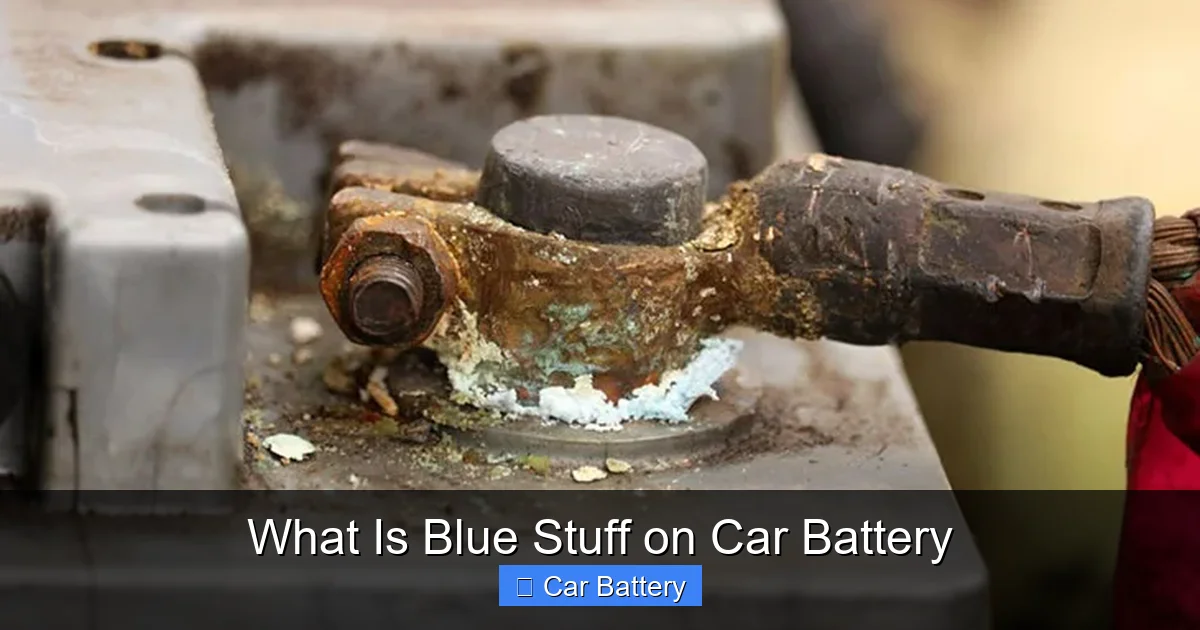
The blue powder or crust is primarily copper sulfate, which is mildly corrosive and can irritate skin or eyes. If you touch it without protection, you might experience mild irritation or a rash. Inhaling the dust—though unlikely unless you’re sanding or scraping it aggressively—can also irritate your lungs. So, while it’s not as dangerous as, say, battery acid itself, it’s still wise to treat it with caution.
Risks to Your Vehicle
Beyond personal safety, the bigger concern is what the corrosion does to your car’s electrical system. Corrosion acts as an insulator. When it builds up on battery terminals or cable connections, it creates resistance. This means electricity has a harder time flowing from the battery to the starter, lights, or other components.
You might notice symptoms like:
- Slow engine cranking
- Dim headlights
- Electrical glitches (radio resetting, dashboard warning lights)
- Difficulty starting the car, especially in cold weather
In severe cases, the corrosion can eat away at metal terminals or cables, causing permanent damage. If a cable becomes too corroded, it may need replacement—adding unexpected repair costs.
There’s also a risk of short circuits if corrosion spreads to nearby metal parts or if wet, conductive residue bridges connections it shouldn’t. While rare, this can lead to electrical fires in extreme cases.
When to Worry
Not all battery corrosion is the same. Blue or green corrosion usually points to copper sulfate, which is common and manageable. But if you see white, gray, or fluffy powder, that might be lead sulfate or other compounds, which can indicate deeper battery issues.
If the blue stuff keeps coming back after cleaning, or if you notice:
- Swelling or bulging of the battery case
- Strong sulfur (rotten egg) smell
- Leaking fluid around the terminals
- Frequent battery drain or failure
…then your battery may be failing or your charging system is faulty. In these cases, it’s best to have a mechanic inspect your vehicle.
How to Clean Blue Corrosion Off a Car Battery
The good news? Cleaning blue battery corrosion is straightforward—if you follow the right steps and take safety precautions. You don’t need fancy tools or professional help. With a few household items, you can restore your battery terminals to like-new condition.
Visual guide about What Is Blue Stuff on Car Battery
Image source: autoowa.com
Safety First: Protect Yourself
Before you start, remember: batteries contain sulfuric acid and produce flammable gases. Always prioritize safety.
- Wear gloves: Use rubber or nitrile gloves to protect your hands from acid and corrosion.
- Wear safety goggles: Acid splashes can cause serious eye damage.
- Work in a well-ventilated area: Open the garage door or work outside to avoid inhaling fumes.
- Remove jewelry: Metal rings or watches can conduct electricity and increase shock risk.
Step-by-Step Cleaning Guide
Here’s how to safely and effectively clean blue corrosion from your car battery:
- Turn off the engine and remove the keys: Make sure the car is completely off to avoid sparks.
- Disconnect the battery cables: Always remove the negative (black) cable first, then the positive (red). This reduces the risk of short circuits. Use a wrench to loosen the clamps—don’t force them.
- Inspect the terminals and cables: Look for cracks, fraying, or severe corrosion. If cables are damaged, they may need replacement.
- Make a cleaning solution: Mix 1 tablespoon of baking soda with 1 cup of water. Baking soda neutralizes acid and helps dissolve corrosion.
- Apply the solution: Dip an old toothbrush or wire brush into the mixture and scrub the terminals and cable ends. You’ll see fizzing—that’s the baking soda reacting with the acid.
- Rinse with water: Use a damp cloth or spray bottle to wipe away residue. Avoid spraying water directly into the battery cells.
- Dry thoroughly: Use a clean, dry cloth to wipe everything down. Moisture can lead to new corrosion.
- Reconnect the cables: Attach the positive cable first, then the negative. Tighten securely but don’t over-tighten.
- Apply anti-corrosion spray or grease: Use a battery terminal protector spray or a thin layer of petroleum jelly to prevent future buildup.
For stubborn corrosion, you can use a dedicated battery cleaner spray, available at auto parts stores. These are specially formulated to dissolve corrosion quickly and safely.
Tips for Success
- Clean your battery every 6 months as part of regular maintenance.
- If corrosion is severe, consider replacing the terminals or cables.
- Never use steel wool or abrasive pads—they can damage terminals.
- After cleaning, start the car to ensure it’s running properly.
How to Prevent Blue Corrosion on Car Batteries
Cleaning corrosion is one thing—preventing it is even better. A little proactive care can save you time, money, and the hassle of dealing with a dead battery. Here are proven ways to keep that blue stuff from coming back.
Use Anti-Corrosion Products
After cleaning your battery, apply a protective coating to the terminals. Options include:
- Battery terminal sprays: These create a barrier that repels moisture and acid vapors.
- Petroleum jelly (Vaseline): A cheap and effective option. Apply a thin layer to the terminals and cable ends.
- Dielectric grease: Used in electrical connections, it prevents corrosion and improves conductivity.
These products are easy to find and apply. Just make sure the terminals are clean and dry before use.
Check Your Charging System
Overcharging is a major cause of battery gassing and corrosion. If your alternator is sending too much voltage (typically above 14.7 volts), it can boil the electrolyte and release acidic vapors.
Use a multimeter to check your battery voltage:
- With the engine off: Should be around 12.6 volts.
- With the engine running: Should be between 13.7 and 14.7 volts.
If the voltage is consistently high, have your alternator and voltage regulator checked by a mechanic.
Secure the Battery Properly
A loose battery can vibrate excessively, leading to cracks or loose connections. Make sure your battery is firmly mounted in its tray and the hold-down clamp is tight. If the tray is rusted or damaged, replace it.
Inspect Regularly
Make it a habit to pop the hood every few months and inspect your battery. Look for:
- Cracks or bulges in the case
- Loose or corroded terminals
- Signs of leakage or residue
- Unusual smells
Early detection means easier cleaning and fewer surprises.
Replace Old Batteries
Car batteries typically last 3–5 years. If yours is older and you’re seeing frequent corrosion, it might be time for a replacement. A new battery is less likely to leak or over-gas, reducing corrosion risk.
When to Call a Professional
While most battery corrosion can be handled at home, there are times when it’s best to call in a professional.
Seek help if:
- You’re uncomfortable working with batteries or electricity.
- The corrosion keeps returning despite cleaning and prevention.
- You notice swelling, leaking, or a strong sulfur smell—these could indicate a damaged or failing battery.
- Your car won’t start even after cleaning the terminals.
- You suspect alternator or charging system issues.
A mechanic can perform a load test on your battery, check your alternator output, and inspect the entire electrical system. They can also safely dispose of old batteries and install new ones.
Conclusion
The blue stuff on your car battery might look strange, but it’s a common issue with a straightforward explanation. It’s usually copper sulfate corrosion caused by battery acid reacting with copper terminals. While it’s not immediately dangerous, it can hurt your car’s performance and lead to costly repairs if ignored.
The good news? You can clean it safely at home with baking soda, water, and basic tools. Even better, you can prevent it with simple habits like regular inspections, using anti-corrosion products, and maintaining your charging system.
By understanding what causes battery corrosion and how to manage it, you’ll keep your car running smoothly and extend the life of your battery. So the next time you see that blue crust, don’t panic—grab your gloves, mix up some baking soda, and take care of it like a pro.
Frequently Asked Questions
What is the blue stuff on my car battery?
The blue stuff is usually copper sulfate corrosion, formed when battery acid reacts with copper terminals or cables. It’s a common byproduct of battery gassing or minor leaks.
Is blue battery corrosion dangerous?
It can irritate skin and eyes, so wear gloves and goggles when cleaning. While not highly toxic, it can damage electrical connections and reduce battery performance if left untreated.
Can I drive with corrosion on my battery?
You can drive short distances, but corrosion can cause starting problems and electrical issues. It’s best to clean it as soon as possible to avoid bigger problems.
How often should I clean my car battery?
Inspect your battery every 3–6 months and clean it if you see corrosion. Regular maintenance helps prevent buildup and extends battery life.
Will corrosion drain my battery?
Corrosion itself doesn’t drain the battery, but it can create resistance that reduces efficiency. In severe cases, it may cause parasitic drains or prevent proper charging.
Can I use vinegar to clean battery corrosion?
Vinegar is acidic and can worsen corrosion. Use baking soda and water instead—it neutralizes acid and safely dissolves buildup without damaging terminals.