What Does the R Stand for on a Tire

The “R” on a tire stands for “Radial,” indicating the tire’s internal construction type. Radial tires have layers of fabric running radially across the tire, offering better fuel efficiency, ride comfort, and tread life compared to older bias-ply designs. Understanding this marking helps you make smarter tire choices for safety and performance.
When you take a close look at the sidewall of your car’s tire, you’ll notice a string of numbers and letters—like “225/60R16 98H.” At first glance, it might look like a secret code only mechanics can decode. But once you break it down, it’s actually a helpful guide to understanding your tire’s size, type, and performance capabilities. One of the most common letters you’ll see is the letter “R,” and if you’ve ever wondered, “What does the R stand for on a tire?”—you’re not alone. It’s a simple question with a powerful answer that affects everything from your car’s handling to your fuel economy.
The “R” stands for “Radial,” and it refers to the internal construction of the tire. This isn’t just a random letter; it’s a critical piece of information that tells you how the tire was built and how it will perform on the road. Radial tires are the standard for modern vehicles, and for good reason. They offer better grip, longer tread life, improved fuel efficiency, and a more comfortable ride compared to older tire designs. Whether you’re driving a compact sedan, a rugged SUV, or a high-performance sports car, chances are you’re rolling on radial tires. Understanding what the “R” means helps you make informed decisions when it’s time to replace your tires—and that can save you money, improve safety, and enhance your overall driving experience.
In This Article
- 1 Key Takeaways
- 2 📑 Table of Contents
- 3 Understanding Tire Markings: Decoding the Sidewall
- 4 The Science Behind Radial Tire Construction
- 5 Benefits of Radial Tires: Why They’re the Standard
- 6 Common Misconceptions About the “R” on Tires
- 7 How to Choose the Right Tire: Tips for Buyers
- 8 The Future of Radial Tires: Innovations on the Horizon
- 9 Conclusion
- 10 Frequently Asked Questions
Key Takeaways
- The “R” means Radial: It refers to the radial construction of the tire, where internal plies run perpendicular to the direction of travel.
- Radial tires dominate the market: Over 95% of modern vehicles use radial tires due to their superior performance and durability.
- Improved fuel efficiency: Radial construction reduces rolling resistance, helping your car use less gas.
- Better heat dissipation: Radial tires run cooler, reducing the risk of blowouts during long drives or high-speed travel.
- Enhanced ride comfort and handling: The flexible sidewalls and sturdy tread of radial tires provide a smoother, more responsive driving experience.
- Not all tires are radial: Some specialty or vintage vehicles may use bias-ply (marked with “B” or no letter), but these are rare today.
- Always check your tire markings: The full tire code (e.g., 225/60R16) tells you size, construction, and load capacity—important for safety and compatibility.
📑 Table of Contents
- Understanding Tire Markings: Decoding the Sidewall
- The Science Behind Radial Tire Construction
- Benefits of Radial Tires: Why They’re the Standard
- Common Misconceptions About the “R” on Tires
- How to Choose the Right Tire: Tips for Buyers
- The Future of Radial Tires: Innovations on the Horizon
- Conclusion
Understanding Tire Markings: Decoding the Sidewall
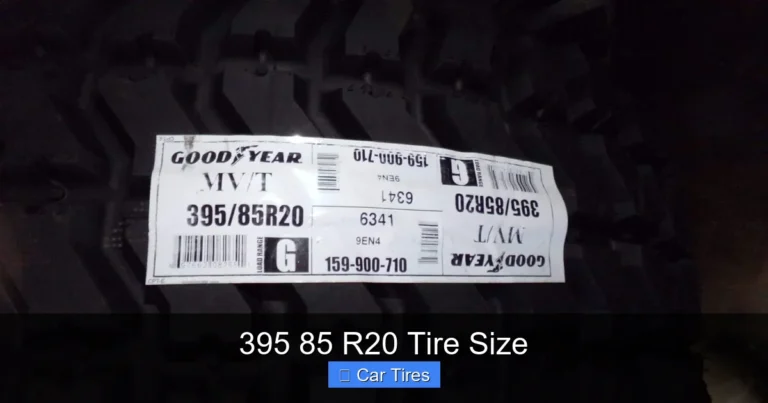
Every tire has a unique set of markings on its sidewall that act like a fingerprint—telling you exactly what kind of tire it is. These markings include numbers for width, aspect ratio, construction type, wheel diameter, load index, and speed rating. The “R” appears right in the middle of this sequence, usually after the aspect ratio and before the wheel diameter. For example, in the code “225/60R16,” the “R” tells you the tire is radial.
Let’s break down that example:
– 225 = Tire width in millimeters
– 60 = Aspect ratio (sidewall height as a percentage of width)
– R = Radial construction
– 16 = Wheel diameter in inches
This standardized system was created by organizations like the Tire and Rim Association (TRA) and the European Tire and Rim Technical Organization (ETRTO) to ensure consistency across manufacturers and countries. Knowing how to read these markings helps you confirm you’re buying the right tire for your vehicle. It also helps you avoid costly mistakes—like installing a tire that’s the wrong size or type, which can affect handling, braking, and even your car’s suspension.
Why Tire Construction Matters
Tire construction isn’t just a technical detail—it directly impacts how your car feels on the road. The way a tire is built affects its flexibility, durability, heat resistance, and ability to grip the pavement. Radial tires, marked with an “R,” are constructed with layers of fabric (called plies) that run radially from bead to bead, perpendicular to the direction of travel. These plies are typically made of polyester, steel, or other strong materials and are arranged in a crisscross pattern beneath the tread.
This design allows the tread to stay flat and stable on the road while the sidewalls remain flexible. The result? Better contact with the road, improved traction, and a smoother ride. In contrast, older bias-ply tires (marked with a “B” or sometimes no letter at all) have plies that run diagonally across the tire, overlapping in a crisscross pattern. While bias-ply tires were common in the mid-20th century, they’ve largely been phased out for passenger vehicles due to their drawbacks—higher rolling resistance, less fuel efficiency, and a harsher ride.
Radial vs. Bias-Ply: A Quick Comparison
To truly appreciate what the “R” means, it helps to compare radial tires to their predecessor, the bias-ply tire. Bias-ply tires were the standard until the 1960s, when radial technology began to take over. Here’s how they differ:
– **Construction:** Radial tires have plies running straight across; bias-ply tires have diagonal plies.
– **Ride Comfort:** Radial tires offer a softer, more comfortable ride due to flexible sidewalls.
– **Fuel Efficiency:** Radial tires reduce rolling resistance, improving gas mileage.
– **Tread Life:** Radial tires typically last 20–30% longer than bias-ply tires.
– **Heat Resistance:** Radial tires dissipate heat better, reducing the risk of blowouts.
– **Handling:** Radial tires provide better cornering and braking performance.
Today, bias-ply tires are mostly used in specialty applications—like vintage cars, trailers, or certain off-road vehicles—where their stiffer construction is an advantage. But for everyday driving, radial tires are the clear winner.
The Science Behind Radial Tire Construction

Visual guide about What Does the R Stand for on a Tire
Image source: greenbantling.com
So, what exactly makes radial tires so effective? It all comes down to engineering and material science. Radial tires are built with multiple layers of fabric and steel belts that work together to create a strong, flexible, and durable structure.
Layers of a Radial Tire
A typical radial tire consists of several key components:
– **Carcass (or Body Plies):** These are the main fabric layers that form the tire’s structure. In radial tires, they run radially from one bead to the other. Common materials include polyester, rayon, or nylon.
– **Steel Belts:** Located beneath the tread, these belts are made of steel cords and provide strength, puncture resistance, and stability. They help the tire maintain its shape and improve tread wear.
– **Tread:** The outer layer that contacts the road. It’s designed with grooves and patterns to channel water, provide grip, and resist wear.
– **Sidewalls:** The flexible sides of the tire that absorb shocks and protect the internal structure.
– **Beads:** The reinforced rings that secure the tire to the wheel rim.
The radial design allows these components to work in harmony. The flexible sidewalls absorb road imperfections, while the stiff, reinforced tread stays flat and stable. This separation of functions—flexibility in the sidewalls, rigidity in the tread—is what gives radial tires their superior performance.
How Radial Construction Improves Performance
Because the plies run radially, the tire can flex more naturally as it rolls. This reduces internal friction and heat buildup, which in turn lowers rolling resistance. Lower rolling resistance means your engine doesn’t have to work as hard to move the car forward—leading to better fuel economy. In fact, studies show that radial tires can improve gas mileage by 3–5% compared to bias-ply tires.
Additionally, the steel belts in radial tires help distribute weight evenly across the tread. This promotes even wear, which extends the life of the tire. You’ll get more miles out of a set of radial tires, saving you money in the long run. And because the tread stays in better contact with the road, you’ll also enjoy improved braking and cornering—especially in wet or slippery conditions.
Benefits of Radial Tires: Why They’re the Standard

Visual guide about What Does the R Stand for on a Tire
Image source: i.redd.it
It’s no coincidence that radial tires are used on nearly every modern vehicle. Their design offers a host of advantages that make them ideal for everyday driving.
Improved Fuel Efficiency
One of the biggest benefits of radial tires is their low rolling resistance. Because the sidewalls and tread operate somewhat independently, there’s less internal friction as the tire rolls. This means less energy is lost as heat, and your car uses less fuel. For drivers who log a lot of miles, this can translate to significant savings at the pump. Over the life of a set of tires, the fuel savings can offset a portion of the initial cost.
Longer Tread Life
Radial tires are built to last. The steel belts and even weight distribution help prevent uneven wear, such as cupping or feathering. This means you can drive more miles before needing a replacement. Many radial tires come with treadwear warranties of 50,000 to 80,000 miles or more, depending on the brand and model.
Better Handling and Stability
Thanks to their stable tread and flexible sidewalls, radial tires offer excellent grip and responsiveness. Whether you’re accelerating, braking, or taking a sharp turn, radial tires maintain consistent contact with the road. This improves safety and gives drivers more confidence behind the wheel.
Enhanced Ride Comfort
The flexible sidewalls of radial tires act like built-in shock absorbers. They help cushion the ride over bumps, potholes, and rough pavement. This is especially noticeable on long road trips, where a smoother ride can reduce driver fatigue and make the journey more enjoyable.
Superior Heat Dissipation
Heat is one of the biggest enemies of tire performance and safety. Excessive heat can cause tread separation, blowouts, or premature wear. Radial tires are designed to dissipate heat more efficiently than bias-ply tires. The radial construction allows heat to escape more easily, keeping the tire cooler during long drives or high-speed travel.
Common Misconceptions About the “R” on Tires

Visual guide about What Does the R Stand for on a Tire
Image source: utires.com
Despite how common radial tires are, there are still some myths and misunderstandings about what the “R” means. Let’s clear up a few of the most common ones.
“R” Stands for “Rubber”
This is a frequent mistake. While tires are made of rubber, the “R” does not stand for rubber. It specifically refers to the radial construction of the tire. The rubber is just one component—the tread and sidewall material—but the “R” is about how the internal layers are arranged.
“R” Means “Road” or “Racing”
Some people assume the “R” stands for “road” or even “racing,” but that’s not accurate. While radial tires are great for both everyday roads and high-performance driving, the letter is purely about construction. Racing tires may use radial construction, but so do economy cars and family SUVs.
All Tires Are Radial Now
While radial tires dominate the market, not every tire has an “R.” Some specialty tires—like those for trailers, vintage cars, or certain agricultural equipment—may use bias-ply construction and be marked with a “B” or no letter at all. Always check the sidewall to confirm the construction type.
“R” Affects Speed Rating
The “R” does not indicate speed rating. That’s a separate number or letter at the end of the tire code (like “H” or “V”). For example, in “225/60R16 98H,” the “H” means the tire is rated for speeds up to 130 mph. The “R” only tells you the tire is radial.
How to Choose the Right Tire: Tips for Buyers
Now that you know what the “R” means, how do you use that knowledge when buying new tires? Here are some practical tips to help you make the best choice.
Match the OEM Specifications
Always start by checking your vehicle’s owner’s manual or the tire information placard (usually on the driver’s door jamb). This will tell you the exact tire size and type recommended by the manufacturer. For most modern cars, that will include an “R” for radial construction.
Consider Your Driving Conditions
Think about where and how you drive. If you live in a rainy or snowy area, look for radial tires with good wet or winter traction. If you drive long distances, prioritize fuel efficiency and tread life. Performance drivers might want radial tires with higher speed ratings and sportier handling.
Don’t Skip the Details
Pay attention to the full tire code—not just the “R.” The width, aspect ratio, and wheel diameter must match your vehicle. Also check the load index and speed rating to ensure the tire can handle your car’s weight and your typical driving speeds.
Buy from Reputable Brands
Stick with well-known tire manufacturers like Michelin, Goodyear, Bridgestone, or Continental. These brands invest in research and testing to ensure their radial tires meet high standards for safety and performance.
Rotate and Maintain Your Tires
Even the best radial tires need proper care. Rotate them every 5,000 to 7,000 miles to promote even wear. Check tire pressure monthly and inspect for damage or uneven tread. Proper maintenance can extend the life of your tires and keep you safe on the road.
The Future of Radial Tires: Innovations on the Horizon
Radial tire technology continues to evolve. Manufacturers are constantly improving materials, tread designs, and construction methods to make tires safer, more efficient, and more sustainable.
Eco-Friendly Materials
Some companies are experimenting with bio-based rubbers and recycled materials to reduce environmental impact. These innovations aim to maintain performance while lowering the carbon footprint of tire production.
Run-Flat and Self-Sealing Tires
Advanced radial tires now come with features like run-flat technology, which allows you to drive for a short distance after a puncture. Self-sealing tires can automatically fill small holes, reducing the risk of flats.
Smart Tires with Sensors
The future may include “smart” radial tires with built-in sensors that monitor pressure, temperature, and tread wear in real time. These systems can alert drivers to potential issues before they become dangerous.
Airless Tires
Companies like Michelin are developing airless radial tires made from flexible composite materials. These could eliminate the risk of blowouts and reduce maintenance, though they’re not yet widely available.
Conclusion
So, what does the R stand for on a tire? It stands for “Radial”—a simple letter that represents a major advancement in tire technology. Radial tires have revolutionized the automotive world with their superior performance, durability, and efficiency. From better fuel economy to longer tread life and a smoother ride, the benefits are clear.
Understanding tire markings, especially the “R,” empowers you to make smarter decisions about your vehicle’s tires. Whether you’re replacing a worn-out set or upgrading for better performance, knowing what the “R” means helps you choose the right tire for your needs. And with ongoing innovations in materials and design, the future of radial tires looks brighter—and safer—than ever.
Next time you glance at your tire’s sidewall, you’ll see more than just numbers and letters. You’ll see a symbol of engineering excellence that keeps you moving forward, mile after mile.
Frequently Asked Questions
What does the R stand for on a tire?
The “R” stands for “Radial,” which refers to the internal construction of the tire. Radial tires have plies that run radially across the tire, perpendicular to the direction of travel, offering better performance and durability.
Are all modern tires radial?
Yes, over 95% of modern passenger vehicles use radial tires. They are the standard due to their superior fuel efficiency, ride comfort, and tread life compared to older bias-ply designs.
Can I replace a radial tire with a bias-ply tire?
No, you should not replace a radial tire with a bias-ply tire unless your vehicle specifically requires it. Most modern cars are designed for radial tires, and using the wrong type can affect handling, safety, and suspension performance.
Does the R affect the speed rating of a tire?
No, the “R” only indicates radial construction. The speed rating is shown by a separate letter (like H, V, or Z) at the end of the tire code and tells you the maximum speed the tire can safely handle.
How long do radial tires typically last?
Radial tires usually last between 50,000 and 80,000 miles, depending on the brand, driving conditions, and maintenance. Proper rotation, inflation, and alignment can help maximize their lifespan.
What happens if I put the wrong tire size on my car?
Installing the wrong tire size—even if it’s radial—can lead to poor handling, reduced fuel efficiency, speedometer errors, and potential damage to your vehicle’s suspension or braking system. Always match the OEM specifications.