What Does the Battery Light on a Car Mean
The battery light on your car’s dashboard isn’t just a warning—it’s a signal that your vehicle’s charging system isn’t working properly. It often means the battery isn’t getting charged while the engine runs, which could lead to a dead battery, stalling, or even being stranded. Understanding what this light means and how to respond can save you time, money, and stress.
In This Article
- 1 Key Takeaways
- 2 📑 Table of Contents
- 3 What Does the Battery Light on a Car Mean?
- 4 How the Car’s Charging System Works
- 5 Common Causes of the Battery Light Coming On
- 6 What to Do When the Battery Light Comes On
- 7 Can You Drive with the Battery Light On?
- 8 Preventing Battery Light Issues
- 9 When to Replace the Alternator or Battery
- 10 Conclusion
- 11 Frequently Asked Questions
- 11.1 What does it mean when the battery light comes on while driving?
- 11.2 Can a bad battery cause the battery light to come on?
- 11.3 How much does it cost to fix a battery light issue?
- 11.4 Will the battery light go off after jump-starting?
- 11.5 Can I drive my car if the battery light is on?
- 11.6 How long can I drive with the battery light on?
Key Takeaways
- The battery light indicates a charging system problem: It means your car’s alternator isn’t supplying enough power to recharge the battery while driving.
- It’s not always the battery itself: The issue could be the alternator, wiring, fuses, or the drive belt—not just a dead or old battery.
- Driving with the light on is risky: You may lose power to essential systems like lights, ignition, and electronics, and eventually the engine could shut off.
- Immediate action is recommended: Pull over safely, turn off non-essential electronics, and get your vehicle inspected as soon as possible.
- Common causes include a faulty alternator, loose belts, or corroded connections: These are often fixable with professional diagnosis and repair.
- Regular maintenance helps prevent issues: Checking battery terminals, drive belts, and charging system health can catch problems early.
- Jump-starting won’t fix the root cause: Even if you jump-start the car, the battery light may stay on until the underlying issue is resolved.
📑 Table of Contents
What Does the Battery Light on a Car Mean?
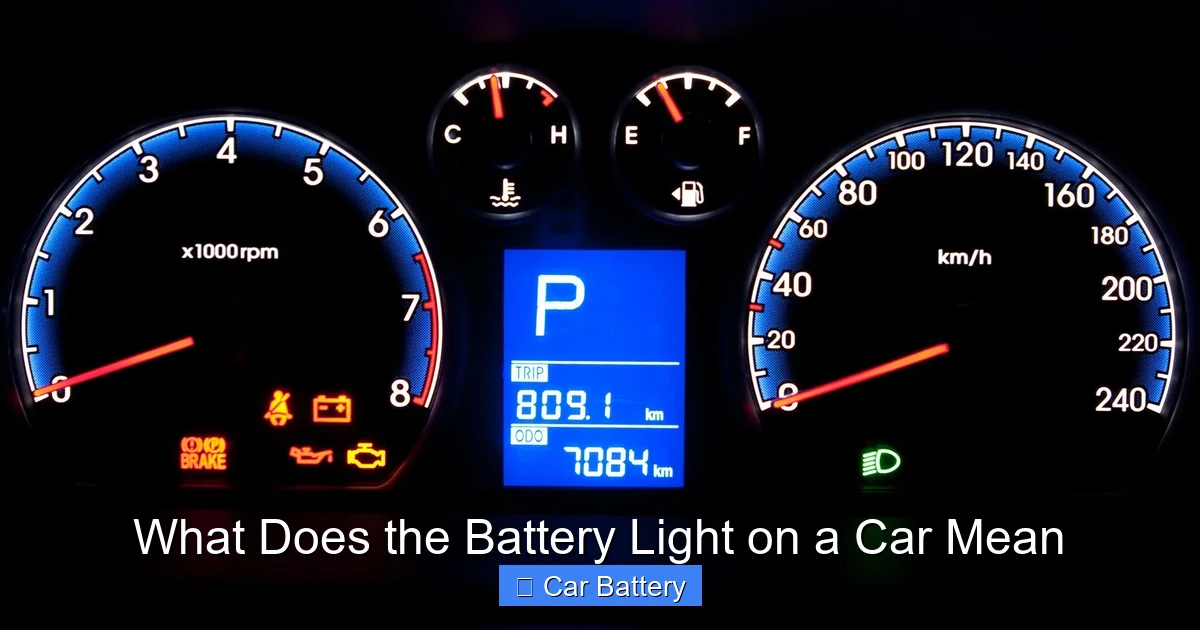
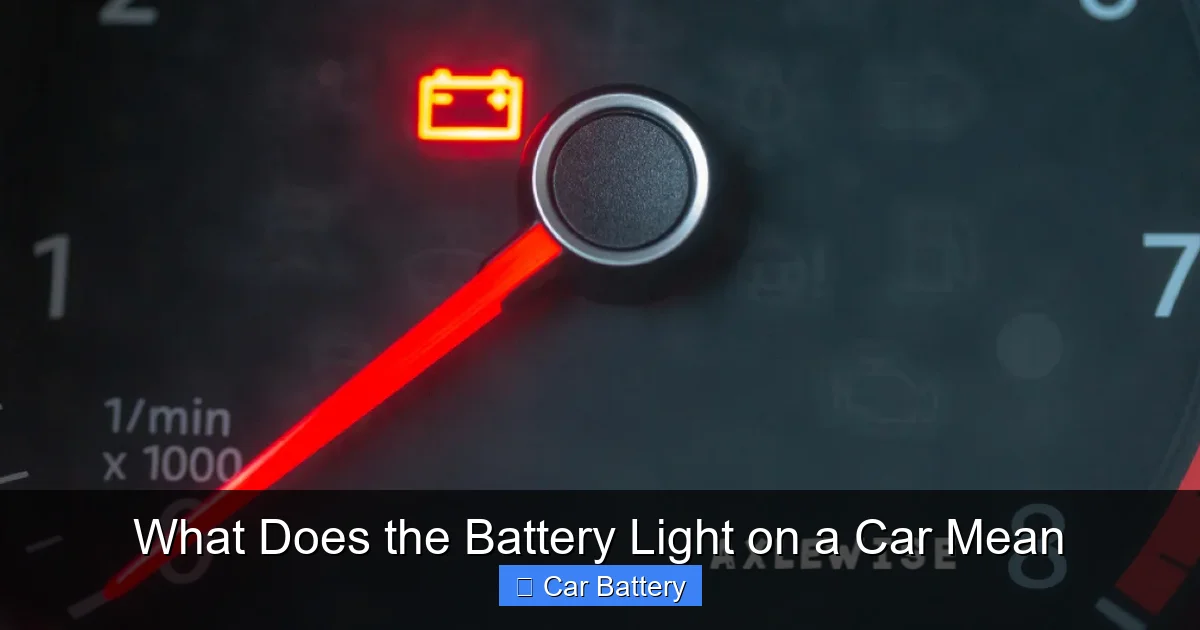
You’re driving along, maybe listening to your favorite playlist or chatting with a passenger, when suddenly—a small red or orange light shaped like a battery pops up on your dashboard. Your first thought might be, “Uh-oh. Is my battery dying?” And you’re not wrong to be concerned. But the battery light isn’t just about the battery itself. It’s actually a warning about your car’s entire charging system.
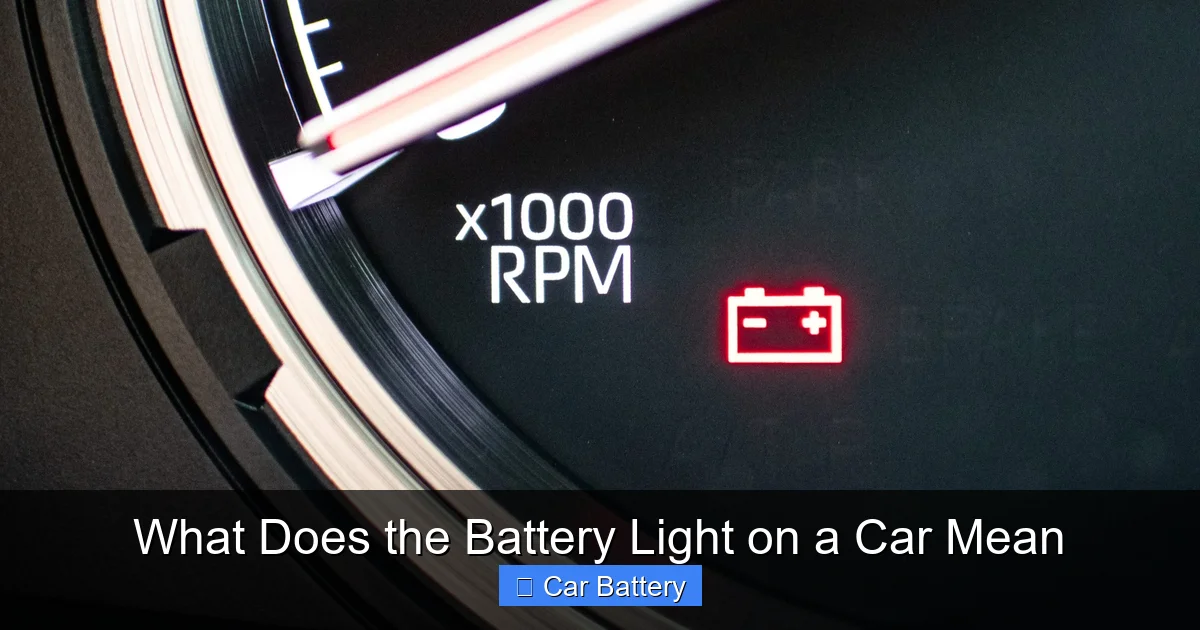
The battery light, often labeled “ALT,” “GEN,” or simply a battery icon, illuminates when your vehicle’s charging system isn’t working correctly. This system includes the battery, alternator, voltage regulator, and associated wiring. Its job is to keep the battery charged while the engine runs and to power all the electrical components in your car—from headlights and air conditioning to the radio and dashboard displays.
When this light comes on, it means the alternator isn’t generating enough electricity to recharge the battery or support the car’s electrical needs. This doesn’t always mean the battery is dead—it could be that the alternator has failed, a belt has slipped, or there’s a wiring issue. Ignoring it can lead to a drained battery, loss of power steering or brakes, and eventually, your car stalling in the middle of traffic.
So, what should you do? First, don’t panic. But do take it seriously. The battery light is your car’s way of saying, “Hey, something’s wrong with how I’m getting power.” Understanding what it means and how to respond can help you avoid a breakdown and expensive repairs down the road.
How the Car’s Charging System Works
Visual guide about What Does the Battery Light on a Car Mean
Image source: compressorlab.com
To truly understand what the battery light means, it helps to know how your car’s charging system operates. Think of it like a power grid for your vehicle. The battery starts the engine, but once the engine is running, the alternator takes over to keep everything powered.
The Role of the Battery
The battery is your car’s initial power source. When you turn the key or press the start button, the battery sends a surge of electricity to the starter motor, which cranks the engine. It also powers lights, electronics, and sensors when the engine is off. But the battery can’t recharge itself—that’s where the alternator comes in.
The Alternator: The Heart of the Charging System
The alternator is a small generator driven by a belt connected to the engine. As the engine runs, the belt spins the alternator, which produces alternating current (AC). This AC is then converted to direct current (DC) by a component called the rectifier. The DC electricity is used to recharge the battery and power the car’s electrical systems.
A healthy alternator should produce between 13.5 and 14.5 volts when the engine is running. If it drops below 12 volts, the battery won’t charge properly. If it goes above 15 volts, it can damage electronics. The voltage regulator ensures the output stays within this safe range.
The Voltage Regulator and Wiring
The voltage regulator monitors the system’s voltage and adjusts the alternator’s output as needed. It’s often built into the alternator in modern cars. Wiring connects all these components, and any loose, corroded, or broken wires can disrupt the flow of electricity.
How the Battery Light Is Triggered
The battery light is controlled by the vehicle’s computer or a simple voltage-sensing circuit. When the alternator isn’t producing enough voltage—usually below 12 volts—the light comes on. It’s like a check engine light, but specifically for the charging system. The light may flicker or stay steady, depending on the severity of the issue.
Understanding this system helps explain why the battery light isn’t just about a dead battery. It’s a symptom of a larger electrical problem that needs attention.
Common Causes of the Battery Light Coming On
Visual guide about What Does the Battery Light on a Car Mean
Image source: axlewise.com
Now that you know how the charging system works, let’s look at the most common reasons the battery light might appear. While the battery itself can be a culprit, it’s often not the main issue.
1. Faulty Alternator
The alternator is the most common cause of a battery light. Over time, its internal components—like the diodes, rotor, or stator—can wear out. A failing alternator may produce inconsistent voltage or stop working altogether. You might notice dimming headlights, a slow-cranking engine, or a burning smell.
For example, imagine you’re driving at night and your headlights start to flicker. Then the battery light comes on. This could mean the alternator isn’t generating enough power to keep the lights bright and the battery charged. If ignored, the battery will drain, and the car may not restart.
2. Worn or Slipping Drive Belt
The alternator is powered by a serpentine belt (or sometimes a V-belt) that connects to the engine’s crankshaft. If this belt is loose, worn, or broken, the alternator won’t spin properly. A slipping belt might make a squealing noise, especially when you first start the car or turn on the AC.
Picture this: You start your car on a cold morning, and you hear a high-pitched squeal. A few seconds later, the battery light flickers. This could be a sign the belt is slipping and not turning the alternator fast enough.
3. Corroded or Loose Battery Connections
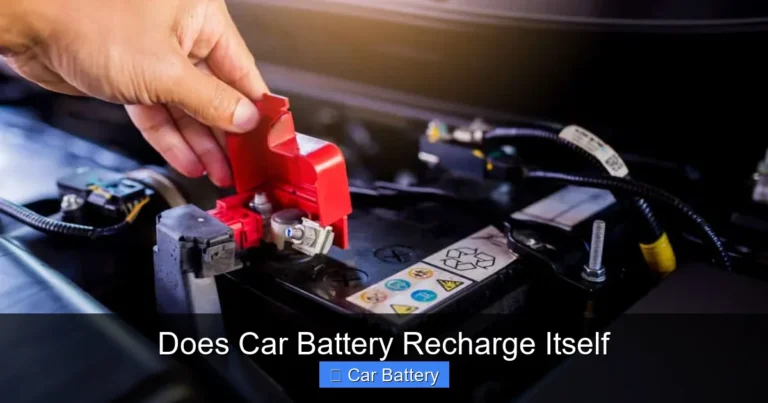
Corrosion on the battery terminals—that white, powdery buildup—can prevent electricity from flowing properly. Loose or damaged cables can also disrupt the connection between the battery and the charging system.
Say you pop the hood and notice a crusty white substance around the positive terminal. Even if the battery and alternator are fine, this corrosion can block the flow of electricity, triggering the battery light.
4. Blown Fuse or Fusible Link
Fuses protect electrical circuits from overloads. If the fuse for the charging system blows—due to a short circuit or power surge—the alternator won’t send power to the battery. Some cars also have a fusible link, a special wire that acts like a fuse.
If you’ve recently had an electrical issue—like a shorted accessory or a jump-start gone wrong—a blown fuse could be the hidden cause of the battery light.
5. Bad Voltage Regulator
In older cars, the voltage regulator is a separate component. In newer models, it’s usually inside the alternator. If it fails, the alternator may overcharge or undercharge the battery. Overcharging can cause the battery to swell or leak, while undercharging leads to a slow drain.
You might notice erratic dashboard lights, a battery that dies frequently, or a warning light that comes and goes.
6. Damaged Wiring or Ground Connections
Wires that are frayed, chewed by rodents, or poorly grounded can interrupt the charging circuit. A bad ground connection—where the battery connects to the car’s frame—can also cause voltage drops.
This is harder to spot without a multimeter, but if other causes are ruled out, wiring issues should be considered.
What to Do When the Battery Light Comes On
Visual guide about What Does the Battery Light on a Car Mean
Image source: timsquality.com
Seeing the battery light can be alarming, but knowing how to respond can prevent a bigger problem. Here’s a step-by-step guide on what to do.
1. Stay Calm and Assess the Situation
First, don’t panic. The light doesn’t always mean immediate danger, but it does mean you need to act. Check if other warning lights are on, like the check engine light or oil pressure light. Listen for unusual noises—squealing, grinding, or clicking.
2. Turn Off Non-Essential Electronics
To conserve battery power, turn off the radio, air conditioning, heated seats, and any other accessories. This reduces the load on the charging system and gives the battery a better chance of lasting until you reach help.
3. Drive to a Safe Location
If you’re on a busy road or highway, carefully drive to the nearest safe spot—like a gas station, parking lot, or repair shop. Avoid stopping in traffic or on narrow roads.
4. Check the Battery and Belts (If Safe)
If you’re comfortable and it’s safe, pop the hood and inspect the battery terminals for corrosion. Look at the serpentine belt—does it look cracked, loose, or broken? If the belt is visibly damaged, don’t drive further.
5. Test the Battery and Alternator
Many auto parts stores offer free battery and alternator testing. You can also use a multimeter to check voltage. With the engine off, a healthy battery should read around 12.6 volts. With the engine running, it should be between 13.5 and 14.5 volts. If it’s below 12 volts while running, the alternator isn’t charging.
6. Seek Professional Help
Even if the car seems to run fine, have a mechanic inspect the charging system. They can run a full diagnostic, check the alternator output, and test the wiring and fuses.
7. Avoid Jump-Starting Unless Necessary
Jump-starting can get you moving, but it won’t fix the underlying issue. If the alternator is bad, the battery will drain again quickly. Only jump-start if you need to reach a repair shop.
Can You Drive with the Battery Light On?
This is a common question: “Is it safe to keep driving?” The short answer is: not for long.
How Long Can You Drive?
Once the battery light comes on, your car is running on battery power alone. A fully charged battery might last 30 minutes to an hour, depending on how many electronics you’re using. But as the battery drains, you’ll notice:
– Dimming headlights
– Slower power windows
– Weak or flickering dashboard lights
– Loss of power steering (in some cars)
– Engine stalling
Eventually, the engine will shut off because it can’t generate enough spark to keep running.
Risks of Continuing to Drive
Driving with the battery light on increases the risk of:
– Being stranded in an unsafe location
– Losing power to critical systems like brakes or steering
– Damaging the battery or alternator further
– Causing a traffic hazard
When It Might Be Okay (Briefly)
If you’re very close to a repair shop—say, less than 5 miles away—and the car is running smoothly, you might make it. But only if you turn off all non-essential electronics and drive carefully.
In short: treat the battery light like a red traffic light. It’s a warning to stop and investigate, not a suggestion to keep going.
Preventing Battery Light Issues
The best way to deal with the battery light is to avoid it altogether. Regular maintenance and awareness can go a long way.
1. Schedule Regular Inspections
Have your mechanic check the charging system during routine service. They can test the alternator, inspect belts, and clean battery terminals.
2. Check Battery Terminals
Every few months, inspect the battery terminals for corrosion. Clean them with a mixture of baking soda and water, then apply a thin layer of petroleum jelly to prevent future buildup.
3. Listen for Unusual Noises
Squealing, grinding, or rattling sounds from under the hood could indicate a belt or alternator problem. Address them early.
4. Replace Old Batteries
Car batteries typically last 3–5 years. If yours is older, consider replacing it before it fails. A weak battery puts extra strain on the alternator.
5. Avoid Overloading the Electrical System
Adding too many aftermarket electronics—like powerful stereos or LED light bars—can overload the charging system. Make sure your alternator can handle the extra load.
6. Keep the Engine Clean
Dirt and grease can build up around the alternator and belts, causing overheating or slippage. A clean engine bay helps everything run smoothly.
When to Replace the Alternator or Battery
Sometimes, the battery light means a component needs replacement. Here’s how to know when it’s time.
Signs You Need a New Alternator
– Battery light stays on even after a new battery
– Headlights dim at idle but brighten when you rev the engine
– Electrical components work intermittently
– Burning smell or smoke from under the hood
– Alternator test shows low or no output
Signs You Need a New Battery
– Car struggles to start, especially in cold weather
– Battery is more than 4 years old
– Corrosion is severe and cleaning doesn’t help
– Battery test shows low voltage or poor charge retention
Can You Replace Them Yourself?
Replacing a battery is usually DIY-friendly—just disconnect the old one and install the new. But alternator replacement can be tricky, especially if it’s buried under other components. If you’re not experienced, it’s best to let a professional handle it.
Conclusion
The battery light on your car is more than just a warning—it’s a vital signal that your vehicle’s charging system needs attention. While it’s easy to panic or ignore, understanding what it means can save you from being stranded or facing costly repairs.
Remember, the light doesn’t always mean the battery is dead. It often points to a failing alternator, a loose belt, or a wiring issue. The key is to respond quickly: turn off unnecessary electronics, drive to safety, and get a professional diagnosis.
Regular maintenance—like checking terminals, inspecting belts, and testing the charging system—can prevent many of these issues. And if the light does come on, don’t wait. Address it promptly to keep your car running smoothly and safely.
Your car’s electrical system is complex, but with a little knowledge and care, you can keep it in top shape. So the next time that battery light flickers on, you’ll know exactly what to do.
Frequently Asked Questions
What does it mean when the battery light comes on while driving?
It means your car’s charging system isn’t working properly. The alternator isn’t generating enough power to recharge the battery, which could lead to a dead battery or engine stalling.
Can a bad battery cause the battery light to come on?
Yes, but it’s rare. A severely discharged or damaged battery can cause voltage drops, but the light usually points to alternator or wiring issues, not the battery itself.
How much does it cost to fix a battery light issue?
Costs vary. A new alternator can cost $300–$800, including labor. Belt replacements are cheaper ($100–$200), while cleaning terminals is often free or low-cost.
Will the battery light go off after jump-starting?
Not necessarily. Jump-starting only gives the battery a temporary boost. If the alternator is faulty, the light will stay on until the root cause is fixed.
Can I drive my car if the battery light is on?
You can drive briefly to reach a safe location, but avoid long trips. The battery will drain, and the car may stall once power runs out.
How long can I drive with the battery light on?
Depending on battery charge and electrical load, you might get 30 minutes to an hour. But it’s risky—turn off accessories and seek help immediately.