
What Documents Are Needed to Sell a Car

Knowing what documents are needed to sell a car is essential for a legal, safe, and stress-free transaction. From the vehicle title to maintenance records, having the right paperwork protects both buyer and seller and ensures a smooth transfer of ownership.
Selling a car can feel overwhelming, especially if it’s your first time. You’ve probably asked yourself: What documents are needed to sell a car? Do I need more than just the title? What if I lost some paperwork? These are common concerns—and for good reason. The process involves more than just handing over the keys and collecting cash. To sell your car legally and safely, you need the right documents in place.
Think of these documents as your car’s identity and your protection during the sale. They verify ownership, confirm the vehicle’s condition, and legally transfer responsibility to the new owner. Without them, you risk delays, disputes, or even legal trouble. Whether you’re selling to a private buyer, trading in at a dealership, or listing online, having the correct paperwork ensures a smooth, transparent transaction.
In this guide, we’ll walk you through every document you need to sell a car, explain why each one matters, and offer practical tips to make the process easier. From the all-important title to lesser-known forms like the odometer disclosure, we’ve got you covered. By the end, you’ll know exactly what documents are needed to sell a car—and how to prepare them like a pro.
Key Takeaways
- Vehicle Title: The most critical document proving ownership; must be signed over to the buyer.
- Bill of Sale: A legal record of the transaction, including price, date, and both parties’ information.
- Vehicle Identification Number (VIN): Required for verification and registration; must match all documents.
- Odometer Disclosure: Federal law requires accurate mileage reporting at time of sale.
- Release of Liability Form: Protects you from future tickets or accidents after the sale.
- Maintenance and Repair Records: Increase buyer confidence and can boost resale value.
- Smog or Emissions Certificate: Required in many states before a vehicle can be legally sold.
📑 Table of Contents
- 1. The Vehicle Title: Your Proof of Ownership
- 2. Bill of Sale: The Legal Record of the Transaction
- 3. Odometer Disclosure Statement: Reporting Mileage Accurately
- 4. Release of Liability Form: Protecting Yourself After the Sale
- 5. Smog or Emissions Certificate: Meeting Environmental Requirements
- 6. Maintenance and Repair Records: Building Buyer Confidence
- 7. Additional Documents That May Be Required
- Final Tips for a Smooth Car Sale
1. The Vehicle Title: Your Proof of Ownership
The vehicle title is the single most important document when selling a car. It’s the legal proof that you own the vehicle and have the right to transfer it to someone else. Without a valid title, you cannot legally sell your car—no exceptions.
In most states, the title includes your name as the registered owner, the car’s make, model, year, and Vehicle Identification Number (VIN). It also shows whether there’s a lien (loan) on the vehicle. If there is, you’ll need to pay off the loan before selling, or work with the lender to complete the sale.
When selling, you’ll need to sign the title over to the buyer. This usually involves filling out the “seller” section with your name, signature, sale date, and odometer reading. Some states require notarization, so check your local DMV rules. Never sign a blank title or leave sections incomplete—this can lead to fraud or disputes.
If you’ve lost your title, don’t panic. Most states allow you to request a duplicate from the Department of Motor Vehicles (DMV). The process typically involves filling out a form, paying a small fee, and providing identification. It may take a few days to a few weeks, so plan ahead.
Tip: Always make a copy of the signed title before handing it over. This serves as proof that you transferred ownership and can help protect you if the buyer doesn’t register the car right away.
2. Bill of Sale: The Legal Record of the Transaction

Visual guide about What Documents Are Needed to Sell a Car
Image source: webuyanyhome.com
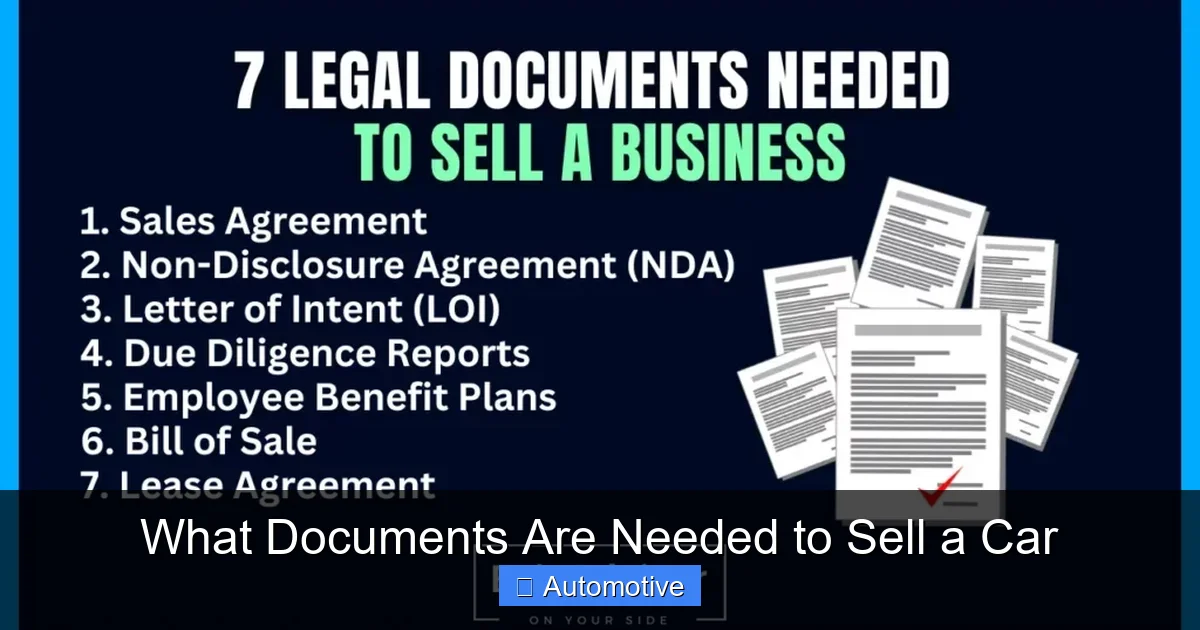
A bill of sale is a written agreement that confirms the sale of your car. While not always legally required, it’s highly recommended—and in some states, mandatory. This document protects both you and the buyer by clearly stating the terms of the sale.
A proper bill of sale should include:
– Full names and addresses of both buyer and seller
– Vehicle details (make, model, year, VIN)
– Sale price
– Date of sale
– Odometer reading
– Signatures of both parties
You can find free bill of sale templates online or get one from your local DMV. Some states even provide official forms. Make sure to fill it out completely and accurately. For example, if you sell your 2018 Honda Civic for $12,500 on June 10, 2024, include all those details.
Why is this important? If the buyer claims they paid more than agreed, or if there’s a dispute about the condition of the car, the bill of sale serves as evidence. It also helps the buyer register the vehicle and obtain insurance.
In private sales, always get the bill of sale signed at the same time as the title. Keep a copy for your records. If you’re selling to a dealership, they’ll usually handle the paperwork, but it’s still wise to ask for a copy.
Tip: Use a secure payment method like a cashier’s check or bank transfer. Avoid accepting personal checks, which can bounce. Once payment clears, finalize the sale with the signed bill of sale and title.
3. Odometer Disclosure Statement: Reporting Mileage Accurately
Visual guide about What Documents Are Needed to Sell a Car
Image source: eunf7dwm5wh.exactdn.com
Federal law requires you to report the vehicle’s mileage at the time of sale. This is done through an odometer disclosure statement, which is often part of the title or a separate form.
Why does this matter? Odometer fraud—rolling back the mileage to make a car seem newer—is illegal and can result in fines or even jail time. By accurately disclosing the mileage, you protect yourself and help the buyer make an informed decision.
The odometer disclosure must include:
– Current mileage
– Date of reading
– Seller’s signature
– A statement confirming the mileage is accurate to the best of your knowledge
If the odometer is broken or has been replaced, you must indicate that. For example, “Odometer reading reflects mileage prior to repair; actual mileage may be higher.”
In most states, this disclosure is printed directly on the title. When signing over the title, you’ll fill in the mileage section. Some states require a separate odometer form, especially for vehicles over a certain age.
Tip: Take a photo of the odometer before the sale as backup proof. This can help if there’s ever a question about the mileage reported.
4. Release of Liability Form: Protecting Yourself After the Sale

Visual guide about What Documents Are Needed to Sell a Car
Image source: ideasjunction.com
Once you sell your car, you’re no longer responsible for it—right? Not quite. If the buyer doesn’t register the car in their name, you could still be liable for parking tickets, toll violations, or even accidents.
That’s where the release of liability form comes in. This document notifies the DMV that you’ve sold the vehicle and are no longer responsible for it. It’s your legal “off the hook” card.
In most states, you can file this form online or by mail within a few days of the sale. You’ll need:
– Your name and address
– Buyer’s name and address
– Vehicle information (VIN, make, model)
– Sale date
Once submitted, the DMV updates its records. If the buyer gets a ticket or causes an accident, you won’t be held accountable—as long as you filed the release.
Tip: File the release of liability as soon as possible after the sale. Some states allow you to do it online in minutes. Keep the confirmation receipt as proof.
5. Smog or Emissions Certificate: Meeting Environmental Requirements
In many states, you can’t sell a car unless it passes a smog or emissions test. This ensures the vehicle meets environmental standards and isn’t polluting the air.
States like California, Texas, and New York require a current smog certificate before a vehicle can be transferred. The test checks for harmful emissions from the engine and exhaust system.
The certificate is usually valid for 90 days, so timing matters. If you’re planning to sell, get the test done shortly before listing the car. If it fails, you’ll need to repair the issues and retest.
Some states exempt newer vehicles (e.g., less than four years old) or certain types of cars (like electric vehicles). Check your state’s DMV website for specific rules.
Tip: If the car fails the smog test, consider fixing it before selling. A passing certificate can increase the car’s value and make it more attractive to buyers.
6. Maintenance and Repair Records: Building Buyer Confidence
While not legally required, maintenance and repair records can significantly boost your car’s appeal. They show that the vehicle has been well cared for and can justify a higher price.
Include records for:
– Oil changes
– Tire rotations
– Brake inspections
– Major repairs (e.g., transmission, engine work)
– Recalls addressed
You can organize these in a folder or binder, or scan them into a digital file. If you’ve used a service like Carfax or kept receipts from mechanics, include those too.
Buyers appreciate transparency. For example, if you’ve replaced the timing belt at 80,000 miles, that’s a big selling point. It shows the car is in good condition and reduces the risk of future problems.
Tip: Even if you don’t have all the records, be honest. Saying “I changed the oil every 5,000 miles but don’t have receipts” is better than hiding the truth.
7. Additional Documents That May Be Required
Depending on your state or the type of sale, you might need a few extra documents. These aren’t always mandatory, but they can make the process smoother.
Registration Certificate
While not always needed to sell, some buyers may ask for the current registration to verify the car’s history. It shows the vehicle is legally registered and up to date.
Warranty Information
If your car is still under manufacturer or extended warranty, provide the documentation. This can be a major selling point, especially for used cars.
Recall Information
Check if your vehicle has any open recalls. You can look this up using the VIN on the National Highway Traffic Safety Administration (NHTSA) website. If there are recalls, inform the buyer and provide proof that they’ve been addressed.
Lease Buyout Documents (If Applicable)
If you’re leasing the car, you can’t sell it unless you buy it out first. This involves paying the remaining lease balance and getting a clear title. Work with your leasing company to complete this process.
Power of Attorney (For Absent Sellers)
If you can’t be present for the sale (e.g., due to travel or illness), you can appoint someone else to act on your behalf. This requires a notarized power of attorney form.
Final Tips for a Smooth Car Sale
Now that you know what documents are needed to sell a car, here are a few final tips to ensure everything goes smoothly:
– Prepare early: Gather all documents before listing the car. This shows buyers you’re serious and organized.
– Be honest: Disclose any known issues with the vehicle. Honesty builds trust and reduces the risk of post-sale disputes.
– Meet in a safe place: For private sales, meet in a public location like a DMV office or police station parking lot.
– Verify payment: Make sure funds are secure before handing over the keys and title.
– Cancel insurance: Once the sale is complete, contact your insurer to cancel or transfer coverage.
Selling a car doesn’t have to be stressful. With the right documents and a little preparation, you can complete the transaction quickly and confidently.
Frequently Asked Questions
Do I need a bill of sale to sell a car?
While not required in all states, a bill of sale is highly recommended. It legally documents the sale and protects both buyer and seller in case of disputes.
What if I lost my car title?
You can request a duplicate title from your state’s DMV. The process usually involves filling out a form, paying a fee, and providing identification.
Is a smog test required to sell a car?
It depends on your state. States like California and Texas require a current smog certificate before a vehicle can be sold. Check your local DMV rules.
Can I sell a car with a lien on it?
You must pay off the lien before selling, or work with the lender to complete the sale. The title cannot be transferred until the loan is satisfied.
Do I need to provide maintenance records?
It’s not legally required, but providing maintenance records can increase buyer confidence and help you get a better price.
How soon should I file a release of liability?
File the release of liability as soon as possible after the sale—ideally within 3 to 10 days, depending on your state. This protects you from future liabilities.