What Color Is Subaru Coolant

Contents
- 1 Key Takeaways
- 2 📑 Table of Contents
- 3 What Color Is Subaru Coolant? A Complete Guide
- 4 Why Is Subaru Coolant Pink?
- 5 Identifying Subaru Coolant: Color Codes and Types
- 6 The Importance of Using the Right Coolant
- 7 When and How to Change Subaru Coolant
- 8 Common Myths About Subaru Coolant
- 9 Tips for Maintaining Your Subaru’s Cooling System
- 10 Conclusion
- 11 Frequently Asked Questions



Subaru coolant is typically bright pink or magenta, but older models may use green or blue coolant. The color helps identify the coolant type and ensures proper engine protection. Using the right coolant prevents corrosion and overheating.
Key Takeaways
- Subaru coolant is usually pink or magenta: Modern Subaru vehicles use a long-life, phosphate-free coolant that appears bright pink or magenta when new.
- Older models may have green or blue coolant: Pre-2008 Subarus often used traditional ethylene glycol-based coolant in green or blue hues.
- Color indicates coolant type and compatibility: The color helps distinguish between different formulations, such as HOAT (Hybrid Organic Acid Technology) and conventional coolants.
- Never mix different coolant types: Mixing incompatible coolants can cause sludge, corrosion, and cooling system failure.
- Check your owner’s manual for specifications: Always refer to your Subaru’s manual to confirm the correct coolant type and replacement interval.
- Use genuine Subaru coolant when possible: OEM coolant is formulated specifically for Subaru engines and cooling systems.
- Regular coolant checks prevent engine damage: Inspect coolant level and condition every 6 months or during routine maintenance.
📑 Table of Contents
What Color Is Subaru Coolant? A Complete Guide
If you’ve ever popped the hood of your Subaru and peered into the coolant reservoir, you might have noticed a vibrant pink or magenta liquid. That’s not a typo or a prank—Subaru coolant really is that colorful. But why is it pink? And what does that color actually mean for your car’s health?
Understanding what color Subaru coolant is goes beyond just satisfying curiosity. The color of your coolant is a visual clue to its chemical makeup, lifespan, and compatibility with your vehicle. Using the wrong coolant—or mixing different types—can lead to serious engine problems, including overheating, corrosion, and costly repairs. Whether you’re a longtime Subaru owner or a new enthusiast, knowing your coolant’s color and purpose is essential for keeping your ride running smoothly.
In this guide, we’ll dive deep into the world of Subaru coolant. We’ll explain why it’s pink, how to identify it, when to change it, and what happens if you get it wrong. We’ll also cover older models, maintenance tips, and common myths. By the end, you’ll be a coolant expert—ready to protect your Subaru’s engine like a pro.
Why Is Subaru Coolant Pink?

Visual guide about What Color Is Subaru Coolant
Image source: i.ytimg.com
The most common question Subaru owners ask is: “Why is my coolant pink?” The short answer is that modern Subaru vehicles use a specialized long-life coolant that’s dyed bright pink or magenta for easy identification. But there’s more to the story.
The Science Behind the Color
Coolant, also known as antifreeze, is a mixture of ethylene glycol (or propylene glycol) and water, along with additives that prevent corrosion, scale, and foaming. The pink color comes from food-grade dye added by the manufacturer. This dye doesn’t affect performance—it’s purely for identification.
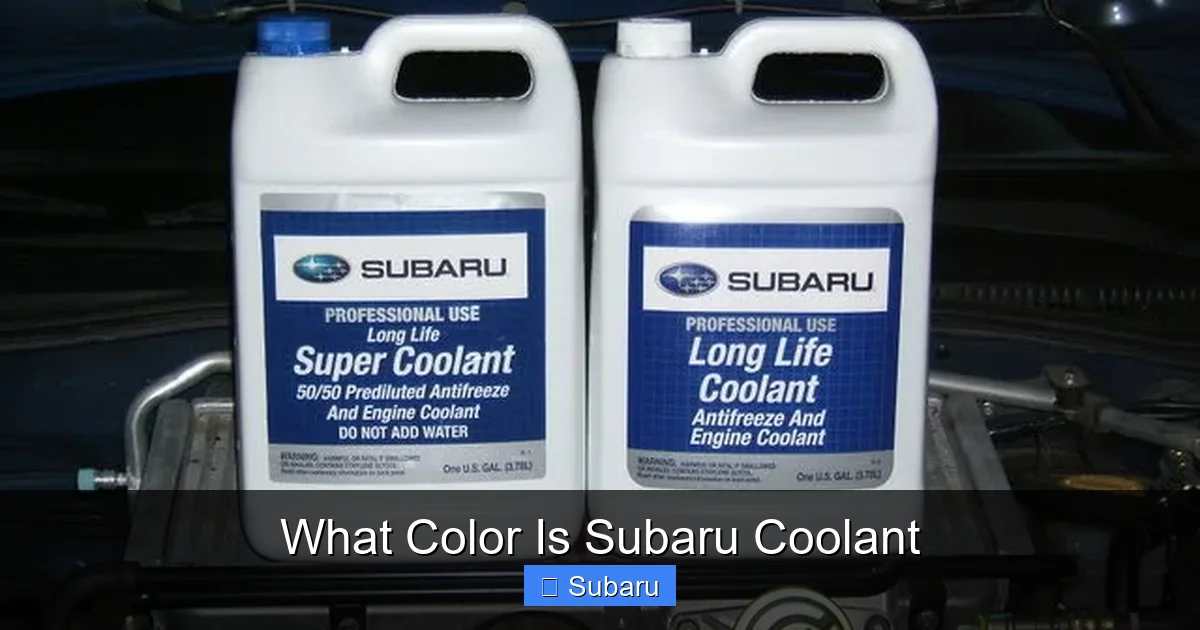
Subaru’s factory-fill coolant, often labeled as “Subaru Super Coolant” or “Genuine Subaru Coolant,” is a Hybrid Organic Acid Technology (HOAT) formula. It combines organic acids with traditional inhibitors to provide long-lasting protection—up to 100,000 miles or 10 years in many cases. The pink dye helps technicians and owners quickly recognize it as the correct type.
Why Not Green or Blue?
You might be used to seeing green or blue coolant in other cars. That’s because older vehicles and some brands still use conventional inorganic acid technology (IAT) coolants, which are typically green. Blue coolant is often used in Asian imports like Honda or Toyota, but even those are shifting to longer-life formulations.
Subaru made the switch to pink coolant around 2008 to align with industry trends toward extended-life coolants. The pink color sets it apart from older types and reduces the risk of mixing incompatible fluids. It’s a smart move—both for safety and performance.
Is the Color Always the Same?
While pink is the standard, the exact shade can vary slightly depending on age, dilution, and contamination. Fresh Subaru coolant is usually a bright, almost neon pink. Over time, it may darken to a deeper magenta or even brown if it’s old or degraded. If your coolant looks cloudy, muddy, or has particles floating in it, it’s time for a change—regardless of color.
Identifying Subaru Coolant: Color Codes and Types
Not all pink coolant is created equal. While Subaru’s factory coolant is pink, other brands may use similar colors for different formulations. That’s why it’s important to know how to identify the right coolant for your Subaru.
Subaru Coolant Types by Model Year
Subaru’s coolant requirements have evolved over the years. Here’s a quick breakdown:
- Pre-2008 Models: Most older Subarus (like the 2005 Outback or 2003 Forester) used traditional green or blue coolant. These are IAT-based and typically need changing every 2–3 years or 30,000 miles.
- 2008–2013 Models: Subaru began transitioning to pink HOAT coolant during this period. Some models may have been filled with green coolant at the factory, but pink was becoming standard.
- 2014 and Newer: All modern Subarus use pink long-life coolant. This includes popular models like the 2023 Crosstrek, 2022 Outback, and 2021 WRX.
If you’re unsure which type your Subaru uses, check the coolant reservoir. Newer models will often have a label indicating “Long Life Coolant” or “Use Only Subaru Super Coolant.” You can also consult your owner’s manual or visit a Subaru dealership.
How to Check Coolant Color and Condition
Checking your coolant is simple and should be part of your regular maintenance routine. Here’s how:
- Park your Subaru on a level surface and let the engine cool completely.
- Locate the coolant reservoir (usually a translucent plastic tank near the radiator).
- Check the fluid level—it should be between the “MIN” and “MAX” marks.
- Observe the color. Fresh Subaru coolant should be bright pink or magenta.
- Look for signs of contamination: cloudiness, rust, oil, or debris.
If the coolant looks dirty or discolored, it’s time for a flush and refill. Never top off with the wrong type of coolant—always match the existing fluid or perform a full system flush.
Can You Use Aftermarket Pink Coolant?
Some aftermarket brands sell pink coolant labeled as “compatible with Subaru.” While it may look the same, not all pink coolants meet Subaru’s specifications. Subaru’s coolant is phosphate-free and formulated to work with aluminum engine components and specific gaskets.
Using a non-approved coolant—even if it’s pink—can void your warranty and cause long-term damage. Stick with genuine Subaru coolant or a certified equivalent that meets Subaru’s standards (look for “Subaru Super Coolant” or “Meets Subaru Specifications” on the label).
The Importance of Using the Right Coolant
You might think coolant is just a liquid that keeps your engine cool. But it does much more than that. The right coolant protects your engine from corrosion, prevents freezing in winter, and helps maintain optimal operating temperatures.
What Happens If You Use the Wrong Coolant?
Using the wrong coolant—or mixing different types—can have serious consequences:
- Corrosion: Incompatible coolants can react with metal components, causing rust and pitting in the radiator, water pump, and engine block.
- Sludge Formation: Mixing IAT and HOAT coolants can create a gel-like sludge that clogs coolant passages and reduces efficiency.
- Overheating: Poor heat transfer from degraded or incorrect coolant can cause your engine to overheat, leading to warped heads or blown gaskets.
- Water Pump Failure: The water pump relies on coolant for lubrication. Wrong coolant can cause premature wear or seal failure.
A real-world example: A 2015 Subaru Forester owner once topped off their pink coolant with green IAT coolant. Within 6 months, the radiator developed leaks, and the water pump seized. The repair cost over $1,200—all because of a simple mix-up.
Why Subaru’s Coolant Is Special
Subaru engines, especially turbocharged models like the WRX and STI, generate a lot of heat. The cooling system must work efficiently to prevent detonation and engine damage. Subaru’s pink coolant is designed to:
- Resist breakdown at high temperatures
- Protect aluminum heads and blocks
- Prevent electrolysis (electrical corrosion)
- Last longer than conventional coolants
It’s not just about color—it’s about chemistry. Subaru’s coolant is engineered to work seamlessly with their specific engine designs and materials.
When and How to Change Subaru Coolant
Even the best coolant doesn’t last forever. Over time, additives break down, and contaminants build up. Regular coolant changes are essential for long-term engine health.
Recommended Coolant Change Intervals
Subaru recommends changing the coolant:
- Every 30,000 miles or 3 years: For older models with green or blue coolant
- Every 100,000 miles or 10 years: For newer models with pink long-life coolant
However, these are general guidelines. If you drive in extreme conditions—hot climates, heavy towing, or frequent short trips—you may need to change it sooner. Always check your owner’s manual for your specific model.
How to Flush and Replace Coolant
Changing coolant isn’t difficult, but it requires care. Here’s a step-by-step guide:
- Let the engine cool completely. Hot coolant can cause burns.
- Place a drain pan under the radiator drain plug.
- Open the drain plug and let the old coolant flow out.
- Remove the radiator cap and reservoir cap to improve drainage.
- Flush the system with distilled water until it runs clear.
- Close the drain plug and refill with a 50/50 mix of Subaru coolant and distilled water.
- Start the engine and let it warm up to circulate the new coolant.
- Check for leaks and top off as needed.
Tip: Never use tap water. Minerals in tap water can cause scale and corrosion. Always use distilled or deionized water.
DIY vs. Professional Service
You can change coolant yourself if you’re comfortable working under the hood. But if you’re unsure, a Subaru service center can do it quickly and correctly. They’ll also check for leaks, test the coolant’s pH, and ensure the system is properly bled of air.
Common Myths About Subaru Coolant
There’s a lot of misinformation about coolant floating around. Let’s clear up some common myths.
Myth 1: “All Pink Coolant Is the Same”
False. While many brands use pink dye, only Subaru-approved coolant meets the manufacturer’s specifications. Using a generic pink coolant can lead to compatibility issues.
Myth 2: “You Can Top Off with Any Coolant”
No. Always match the existing coolant type. If you’re low, top off with the same brand and type—or better yet, perform a full flush and refill.
Myth 3: “Coolant Lasts Forever”
Even long-life coolant degrades over time. The additives wear out, and the pH balance changes. Regular checks and changes are still necessary.
Myth 4: “Color Doesn’t Matter”
Color is a quick visual indicator of coolant type. Ignoring it increases the risk of mixing incompatible fluids.
Myth 5: “Water Is Just as Good as Coolant”
Never use plain water. It lacks corrosion inhibitors and can freeze or boil at extreme temperatures. Always use a proper coolant mixture.
Tips for Maintaining Your Subaru’s Cooling System
Keeping your cooling system in top shape goes beyond just checking coolant color. Here are some pro tips:
Inspect Regularly
Check the coolant level and condition every 6 months or during oil changes. Look for leaks around the radiator, hoses, and water pump.
Watch for Warning Signs
- Overheating gauge
- Sweet smell (coolant leak)
- White smoke from the exhaust
- Low coolant level with no visible leak (could indicate internal leak)
Use Genuine Parts
When replacing hoses, thermostats, or the radiator, use OEM or high-quality aftermarket parts designed for Subarus.
Keep It Clean
Dirt and debris can clog the radiator fins. Gently clean the radiator with compressed air or a soft brush during maintenance.
Monitor the Radiator Cap
A faulty radiator cap can cause pressure loss and overheating. Replace it every 5 years or as recommended.
Conclusion
So, what color is Subaru coolant? The answer is clear: it’s typically bright pink or magenta, especially in modern models. This vibrant color isn’t just for show—it’s a sign of a high-quality, long-life coolant designed specifically for Subaru engines.
Understanding your coolant’s color, type, and maintenance needs is a small but crucial part of owning a Subaru. It helps prevent costly repairs, extends engine life, and keeps your car running reliably through every season.
Whether you’re topping off the reservoir or performing a full flush, always use the right coolant and follow Subaru’s guidelines. And when in doubt, consult your owner’s manual or visit a trusted Subaru service center.
Your Subaru deserves the best care—and that starts with something as simple as knowing what color your coolant should be.
Frequently Asked Questions
What color is Subaru coolant?
Subaru coolant is typically bright pink or magenta in modern vehicles. Older models may have green or blue coolant, but newer Subarus use a long-life pink formula.
Can I mix pink and green coolant in my Subaru?
No, you should never mix different coolant types. Mixing pink HOAT coolant with green IAT coolant can cause sludge, corrosion, and cooling system failure.
How often should I change Subaru coolant?
For newer Subarus with pink coolant, change it every 100,000 miles or 10 years. Older models with green coolant should be changed every 30,000 miles or 3 years.
Is it okay to use aftermarket pink coolant in my Subaru?
Only if it’s labeled as meeting Subaru specifications. Generic pink coolant may not protect your engine properly. Use genuine Subaru coolant when possible.
What happens if I use the wrong coolant in my Subaru?
Using the wrong coolant can lead to corrosion, overheating, water pump failure, and expensive engine damage. Always match the correct type.
Can I top off my Subaru coolant with water?
No, never use plain water. Always use a 50/50 mix of coolant and distilled water. Tap water contains minerals that can damage the cooling system.