What Causes the Outside of a Tire to Wear
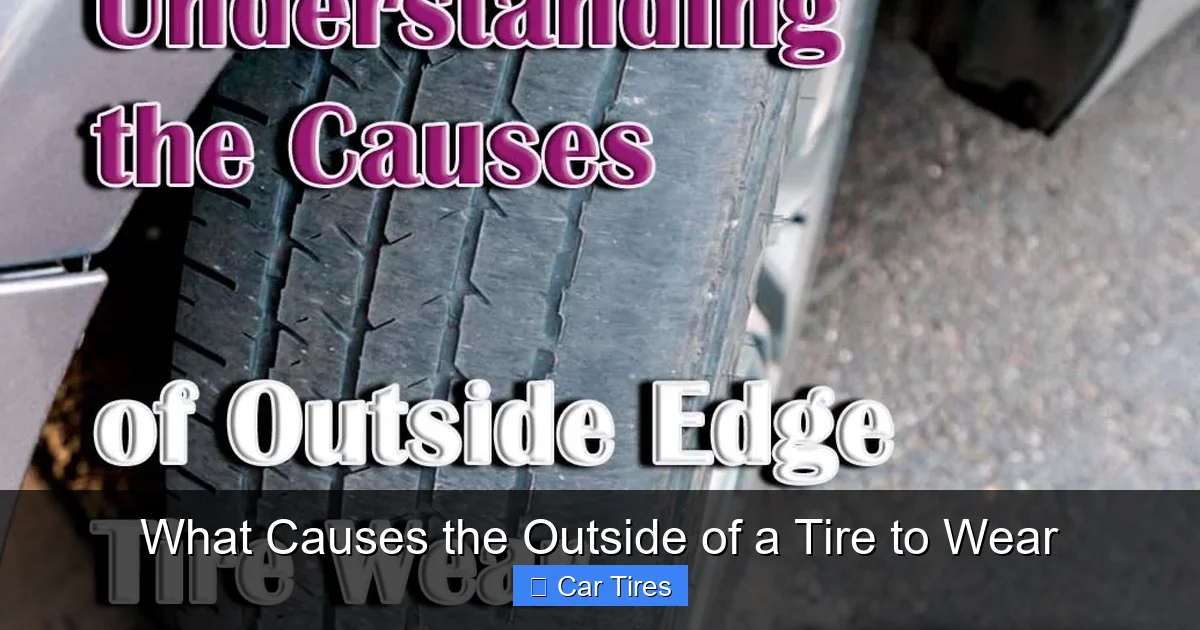
Uneven wear on the outside of a tire is often a sign of underlying mechanical or driving issues. Common causes include incorrect wheel alignment, underinflation, aggressive cornering, and worn suspension parts. Addressing these early can save money and improve safety.
In This Article
- 1 Key Takeaways
- 2 📑 Table of Contents
- 3 What Causes the Outside of a Tire to Wear
- 4 Understanding Tire Wear Patterns
- 5 Wheel Alignment Issues
- 6 Tire Pressure and Inflation Problems
- 7 Driving Habits and Road Conditions
- 8 Suspension and Steering Components
- 9 Prevention and Maintenance Tips
- 10 Conclusion
- 11 Frequently Asked Questions
Key Takeaways
- Improper wheel alignment: Excessive positive camber or toe misalignment can cause the outer edges of tires to wear faster than the center.
- Underinflated tires: Low tire pressure increases sidewall flexing, leading to accelerated wear on the outer shoulders.
- Aggressive driving habits: Hard cornering, fast turns, and high-speed maneuvers put extra stress on the outer tread.
- Worn suspension components: Bad ball joints, control arms, or bushings can alter tire angle and cause uneven outer wear.
- Incorrect tire type or size: Using tires not designed for your vehicle or driving conditions can lead to abnormal wear patterns.
- Lack of regular maintenance: Skipping tire rotations, alignments, and inspections allows minor issues to become major problems.
- Road conditions and terrain: Frequent driving on winding roads or uneven surfaces can contribute to outer tire wear over time.
📑 Table of Contents
What Causes the Outside of a Tire to Wear
You’ve probably glanced at your tires before a long trip or during a routine check and noticed something odd—maybe the outer edges look more worn down than the center. At first glance, it might not seem like a big deal, but uneven tire wear, especially on the outside, is a red flag. It’s not just about aesthetics; it’s a sign that something in your vehicle’s setup or your driving habits needs attention.
Tires are designed to wear evenly across the tread surface. When one area—like the outer edge—wears down faster, it can affect handling, fuel efficiency, and safety. In severe cases, it may even lead to a blowout. The good news? Most causes of outer tire wear are preventable and fixable with the right knowledge and maintenance. Whether you’re a daily commuter, a weekend road-tripper, or someone who just wants to keep their car in top shape, understanding what causes the outside of a tire to wear is essential.
In this guide, we’ll break down the most common reasons behind outer tire wear, explain how to spot the signs early, and share practical tips to keep your tires in great condition. Think of this as your friendly, no-nonsense walkthrough of tire health—because your safety and wallet depend on it.
Understanding Tire Wear Patterns
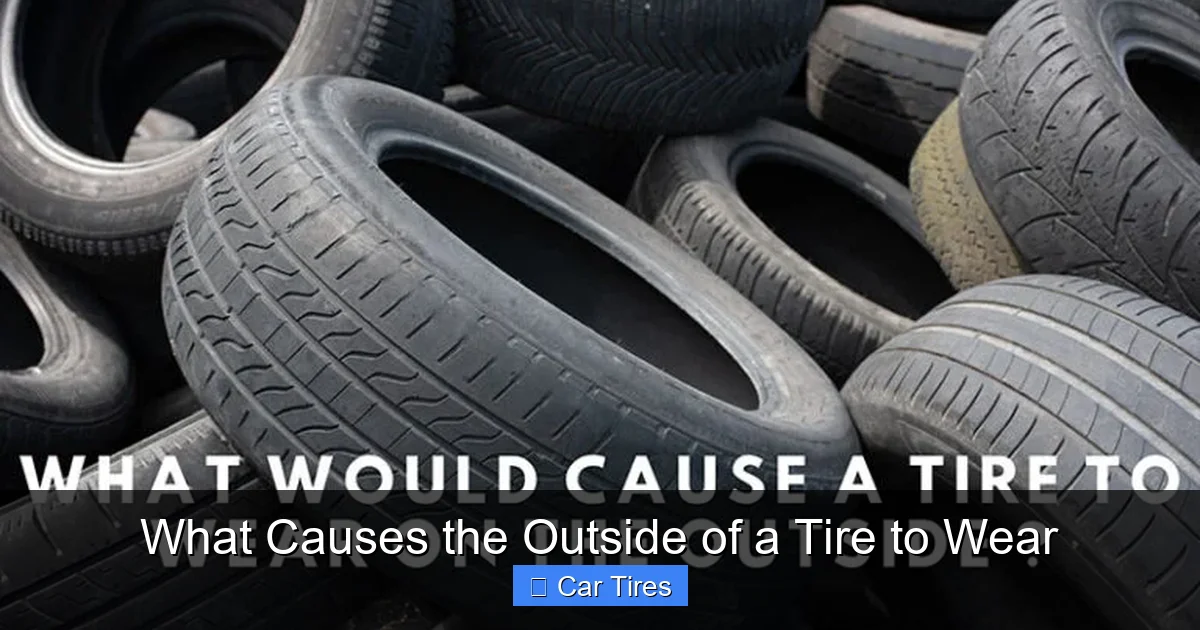
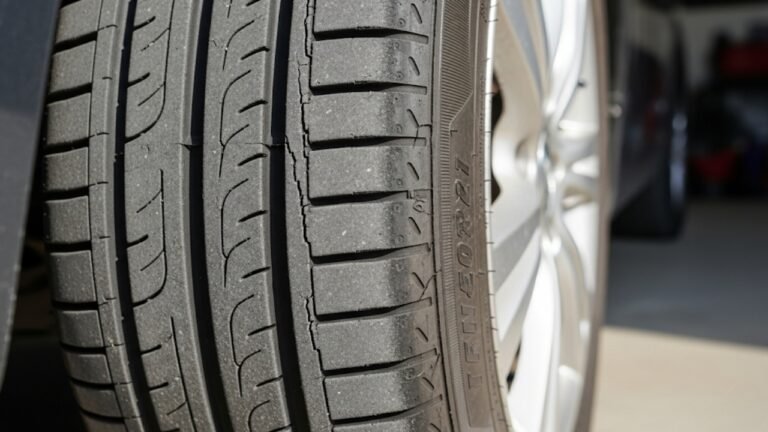
Visual guide about What Causes the Outside of a Tire to Wear
Image source: corwheels.com
Before diving into the causes, it helps to understand how tires are supposed to wear and what different wear patterns mean. Tires are engineered to make full, even contact with the road. When everything is aligned correctly, air pressure is right, and suspension parts are in good shape, the tread wears down uniformly. But when something’s off, the wear pattern changes—and that’s your first clue.
One of the most telling signs is wear on the outer edges, also known as the shoulders of the tire. This isn’t the same as center wear (often caused by overinflation) or inner edge wear (common with negative camber). Outer edge wear specifically points to forces acting on the tire from the side or an incorrect angle.
For example, if you notice the outer tread is smooth or bald while the center still has good depth, it’s likely due to camber issues or alignment problems. On the other hand, if the wear is accompanied by cracking or bulging on the sidewall, underinflation might be the culprit. Recognizing these patterns early can save you from costly repairs or dangerous driving conditions.
How to Inspect Your Tires
You don’t need to be a mechanic to check your tires. A simple visual inspection every few weeks can go a long way. Start by looking at the tread across the entire width of the tire. Use a tread depth gauge or the penny test—insert a penny into the tread with Lincoln’s head upside down. If you can see the top of his head, it’s time for new tires.
Pay special attention to the outer edges. Are they smoother than the center? Are there any cracks, bulges, or uneven grooves? Also, check both sides of the tire. If only one side is worn, it could point to alignment issues. If both outer edges are worn, it might be a combination of factors like driving habits and tire pressure.
Another tip: run your hand over the tread. If it feels sharp or jagged on one side but smooth on the other, that’s a sign of uneven wear. And don’t forget to check the spare tire—yes, even that one can wear out if it’s been sitting for years.
Why Even Wear Matters
Even tire wear isn’t just about longevity—it’s about performance. Tires that wear evenly provide better traction, especially in wet or slippery conditions. They also help maintain proper handling and braking distance. When one side wears faster, your car may pull to one side, making it harder to steer straight.
Moreover, uneven wear increases rolling resistance, which can lower your fuel economy. Over time, this adds up. A study by the U.S. Department of Energy found that properly inflated and aligned tires can improve gas mileage by up to 3%. That’s money back in your pocket.
Finally, safety is the biggest concern. Worn tires—especially on the edges—are more prone to hydroplaning, blowouts, and loss of control. The outer edges are critical for cornering stability. If they’re worn, your car may not respond as expected when you turn sharply or swerve to avoid an obstacle.
Wheel Alignment Issues
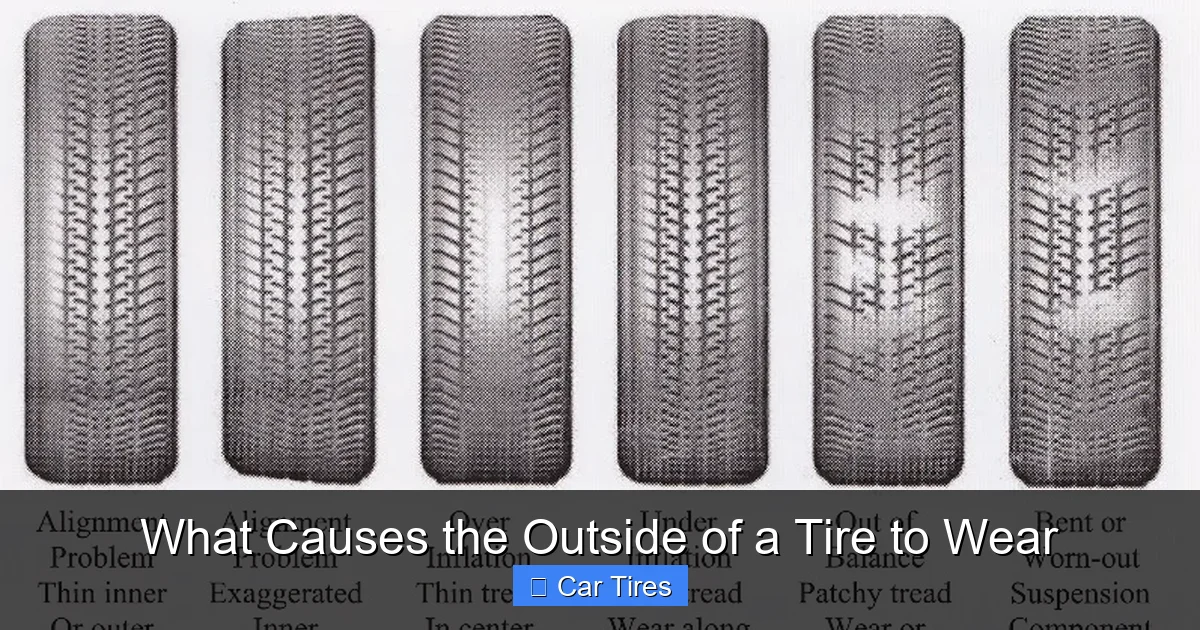
Visual guide about What Causes the Outside of a Tire to Wear
Image source: motoraspects.com
One of the most common causes of outer tire wear is improper wheel alignment. Alignment refers to the angles at which your tires meet the road. There are three main alignment angles: camber, toe, and caster. When any of these are off, it can lead to uneven wear—especially on the outer edges.
Understanding Camber
Camber is the angle of the wheel relative to vertical when viewed from the front of the vehicle. If the top of the tire leans outward, it has positive camber. If it leans inward, it has negative camber. Most vehicles are designed with a slight negative camber for better cornering grip, but too much positive camber is a problem.
When a tire has excessive positive camber, the outer edge bears more of the vehicle’s weight. This causes the outer tread to wear down faster. You might also notice the car pulling to one side or a wobbling sensation at high speeds.
Positive camber can result from worn suspension parts, a bent steering knuckle, or improper installation after repairs. It’s more common in older vehicles or those that have been in accidents. If you suspect camber issues, a professional alignment check is the best way to confirm.
Toe Misalignment
Toe refers to whether the front of the tires points inward (toe-in) or outward (toe-out) when viewed from above. Ideally, they should be parallel. But if the tires are toed out too much, the outer edges scrub against the road during driving, leading to rapid wear.
Toe misalignment often happens after hitting a pothole, curb, or during suspension work. It can also develop gradually as steering components wear out. Symptoms include a “feathering” pattern on the tread—where the tread blocks are worn on one side and sharp on the other—and a sensation that the car is “crabbing” or drifting sideways.
Fixing toe alignment is usually straightforward with a professional alignment, but ignoring it can lead to premature tire replacement and poor handling.
How to Check Alignment
You can’t accurately check alignment at home, but you can spot signs. If your car pulls to one side, the steering wheel is off-center when driving straight, or you notice uneven tire wear, it’s time for a professional inspection.
Most mechanics recommend an alignment check every 6,000 miles or once a year, especially after hitting a major pothole or curb. Some modern vehicles also have alignment monitoring systems that alert you when adjustments are needed.
Tire Pressure and Inflation Problems
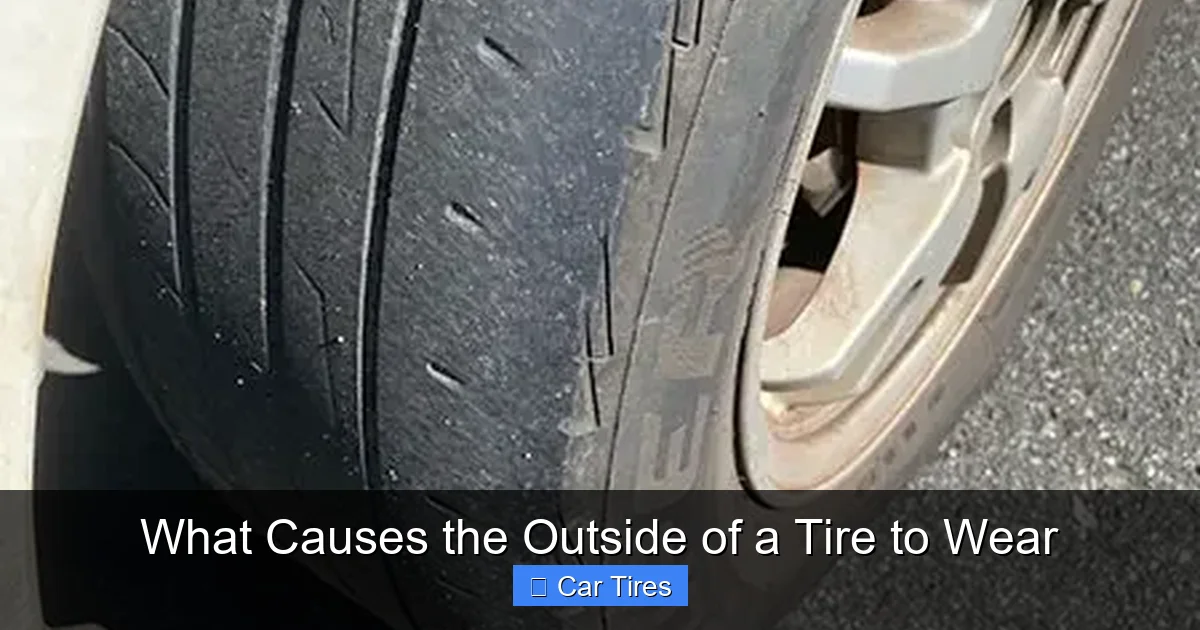
Visual guide about What Causes the Outside of a Tire to Wear
Image source: tiregrades.com
Tire pressure plays a huge role in how your tires wear. Both overinflation and underinflation can cause problems, but underinflation is a major contributor to outer edge wear.
The Dangers of Underinflation
When tires are underinflated, they don’t maintain their proper shape. The sidewalls flex more than they should, especially during turns or when carrying heavy loads. This increased flexing generates heat and puts extra stress on the outer shoulders of the tire.
Over time, this leads to accelerated wear on the outer edges. You might also notice the tire looks “squished” or bulging on the sides. Underinflated tires are also more prone to blowouts, especially in hot weather or at high speeds.
The U.S. National Highway Traffic Safety Administration (NHTSA) estimates that underinflated tires contribute to over 600 fatalities and 33,000 injuries annually. That’s why checking tire pressure monthly is so important.
How to Maintain Proper Tire Pressure
The correct tire pressure is listed in your vehicle’s owner’s manual or on a sticker inside the driver’s door jamb. Don’t rely on the number printed on the tire sidewall—that’s the maximum pressure, not the recommended one.
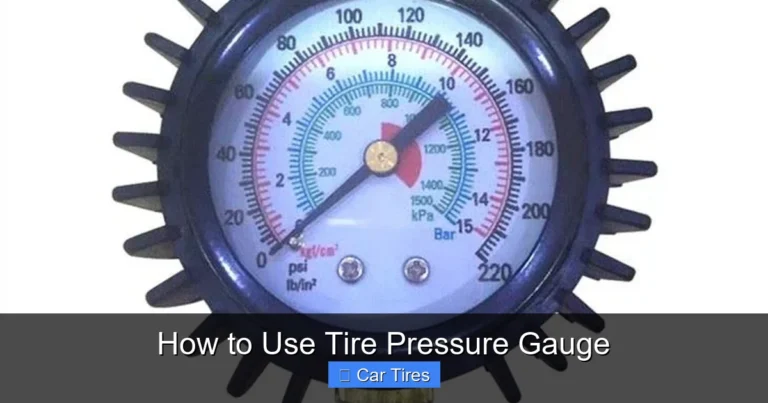
Use a reliable tire pressure gauge to check pressure when the tires are cold (before driving or after the car has been parked for a few hours). Add or release air as needed. Many gas stations have air pumps with built-in gauges, but it’s better to use your own for accuracy.
Modern vehicles often come with Tire Pressure Monitoring Systems (TPMS) that alert you when pressure is low. But don’t rely solely on TPMS—it usually only triggers when pressure is significantly low, so regular manual checks are still essential.
Seasonal Pressure Changes
Tire pressure can drop in cold weather—about 1 PSI for every 10°F drop in temperature. This means your tires could be underinflated in winter without you realizing it. Conversely, pressure increases in hot weather, which can lead to overinflation if not adjusted.
Check your tire pressure more frequently during seasonal changes. A good rule of thumb: check it at least once a month and before long trips.
Driving Habits and Road Conditions
How you drive has a direct impact on tire wear. Aggressive driving, frequent cornering, and poor road conditions can all contribute to outer edge wear.
Aggressive Cornering
If you enjoy taking corners at high speed or frequently drive on winding roads, your tires are under constant lateral stress. This forces the outer edges to bear more load, leading to faster wear.
Sports cars and performance vehicles are especially prone to this, but even everyday drivers can wear out tires prematurely if they take turns too aggressively. The solution? Slow down on curves and avoid sudden steering inputs.
Frequent Lane Changes and Swerving
Constantly changing lanes or making sharp turns—like in city driving or heavy traffic—can also wear down the outer edges. Each time you turn the wheel, the outer tread scrubs against the road surface.
While you can’t always avoid this, being mindful of your steering habits can help. Smooth, gradual turns reduce stress on the tires and promote even wear.
Road Surface and Terrain
Driving on poorly maintained roads, gravel, or uneven surfaces can accelerate tire wear. Potholes, curbs, and debris can damage the sidewall or misalign the wheels, leading to outer edge wear.
If you frequently drive on rural or mountainous roads, consider tires designed for those conditions. All-terrain or high-performance tires may offer better durability and resistance to uneven wear.
Suspension and Steering Components
Your vehicle’s suspension system keeps the tires in contact with the road and absorbs shocks. When components wear out, they can alter the tire’s angle and cause uneven wear.
Worn Ball Joints and Control Arms
Ball joints connect the steering knuckles to the control arms. When they wear out, the wheel can tilt outward, increasing positive camber and causing outer edge wear. You might also hear clunking noises when going over bumps.
Control arms and bushings also play a role. If they’re worn or damaged, the wheel alignment can shift, leading to uneven tire contact.
Struts and Shocks
Worn struts or shock absorbers don’t control the suspension properly, allowing the tire to bounce or tilt during driving. This can cause the outer edge to lose contact or scrub against the road.
Signs of bad shocks include excessive bouncing after hitting a bump, nose-diving during braking, or a floating sensation on the highway.
When to Inspect Suspension Parts
Have your suspension inspected during routine maintenance or if you notice changes in handling, noise, or tire wear. Most mechanics recommend a suspension check every 50,000 miles or if you suspect a problem.
Prevention and Maintenance Tips
Preventing outer tire wear starts with regular maintenance and smart driving habits.
Rotate Your Tires
Tire rotation every 5,000 to 7,000 miles helps ensure even wear. Front tires often wear faster due to steering and braking forces, so rotating them to the rear can extend their life.
Check Alignment and Suspension
Get a professional alignment check annually or after any impact. Also, inspect suspension components for wear.
Maintain Proper Tire Pressure
Check pressure monthly and adjust for seasonal changes.
Drive Smoothly
Avoid aggressive cornering, hard braking, and rapid acceleration.
Choose the Right Tires
Use tires recommended for your vehicle and driving conditions. Consider all-season, performance, or all-terrain tires based on your needs.
Conclusion
Outer tire wear is more than just a cosmetic issue—it’s a warning sign that something needs attention. Whether it’s alignment, pressure, driving habits, or suspension problems, catching the cause early can save you money, improve safety, and extend the life of your tires.
By staying proactive with maintenance and being mindful of how you drive, you can keep your tires wearing evenly and your rides smooth and safe. Remember: your tires are the only part of your car that touches the road. Treat them well, and they’ll take you where you need to go.
Frequently Asked Questions
Can I fix outer tire wear myself?
You can address some causes like tire pressure and driving habits, but alignment and suspension issues require professional help. Always consult a mechanic for accurate diagnosis and repairs.
How often should I check my tire pressure?
Check tire pressure at least once a month and before long trips. Use a reliable gauge and check when tires are cold for accurate readings.
Is outer tire wear dangerous?
Yes, it can reduce traction, increase stopping distance, and raise the risk of blowouts. Address it promptly to maintain safety and performance.
Can I rotate tires to fix outer wear?
Rotation helps prevent uneven wear but won’t fix existing damage. It’s best used as a preventive measure during regular maintenance.
What’s the difference between camber and toe wear?
Camber issues usually cause even outer or inner wear, while toe misalignment leads to feathering—sharp edges on one side of the tread blocks.
Do new tires wear faster on the outside?
New tires shouldn’t wear unevenly unless there’s an underlying issue. If outer wear appears quickly, have your alignment and suspension checked immediately.