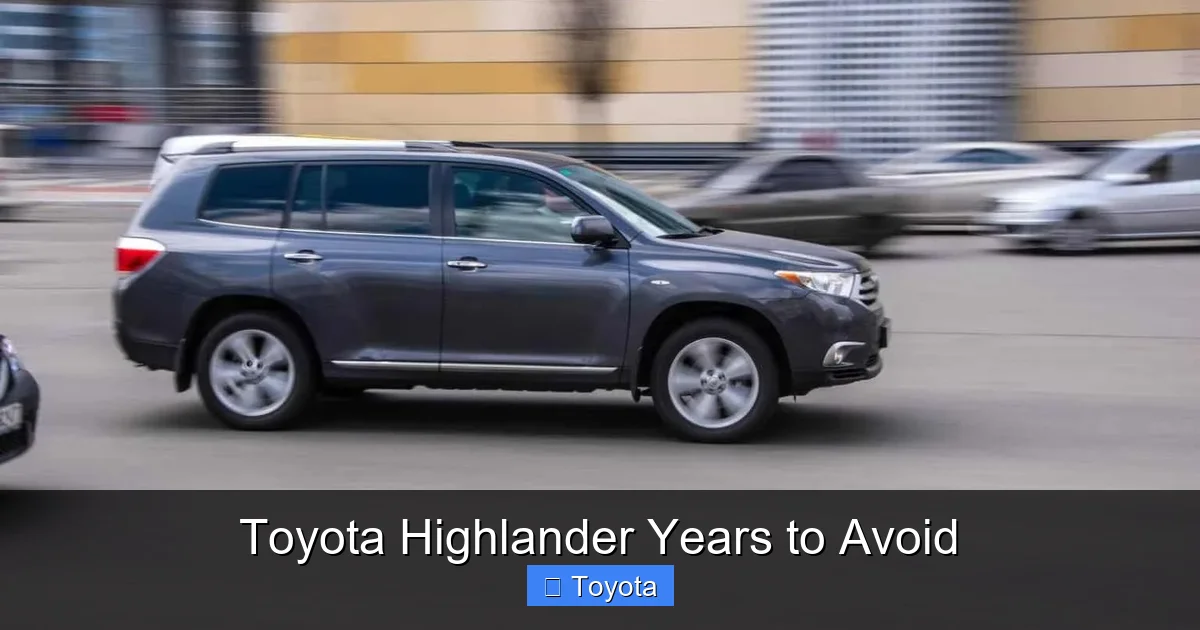
Toyota Highlander Years to Avoid

Contents
- 1 Key Takeaways
- 2 📑 Table of Contents
- 3 Introduction: Why the Toyota Highlander Is a Popular Choice
- 4 Understanding the Highlander’s Evolution
- 5 2001–2003 Toyota Highlander: The Early Struggles
- 6 2004–2007 Toyota Highlander: Progress with Persistent Problems
- 7 2008–2013 Toyota Highlander: A Turning Point with New Challenges
- 8 2014–2019 Toyota Highlander: Modern Comfort with Minor Flaws
- 9 2020–2024 Toyota Highlander: The Latest and Greatest (Mostly)
- 10 Conclusion: How to Choose the Right Highlander
- 11 Frequently Asked Questions

Tire Repair Kit
Car Phone Holder

Car Jump Starter
Car Neck Pillow
Not every Toyota Highlander is created equal—some model years have serious reliability issues. While the Highlander is generally known for durability, certain years stand out for transmission failures, engine problems, and excessive recalls. This guide helps you steer clear of trouble and choose a dependable SUV.
Key Takeaways
- 2001–2003 Highlanders: Early models suffer from transmission failure, oil sludge buildup, and premature engine wear—avoid unless thoroughly inspected.
- 2004–2007 Highlanders: Improved but still prone to transmission shudder, A/C compressor failures, and suspension wear—proceed with caution.
- 2008–2013 Highlanders: Better reliability overall, but 2010–2013 models face power steering issues and excessive oil consumption in V6 engines.
- 2014–2019 Highlanders: Generally solid, but 2014–2016 models may have infotainment glitches and minor electrical gremlins—still a strong choice with proper maintenance.
- 2020–2024 Highlanders: Modern tech and improved safety, but early 2020 models had brake vibration complaints—check service history before buying.
- Always check VIN and maintenance records: Even “good” years can have hidden issues if poorly maintained or involved in accidents.
- Pre-purchase inspection is essential: A $150 inspection can save thousands in future repairs—don’t skip it.
📑 Table of Contents
- Introduction: Why the Toyota Highlander Is a Popular Choice
- Understanding the Highlander’s Evolution
- 2001–2003 Toyota Highlander: The Early Struggles
- 2004–2007 Toyota Highlander: Progress with Persistent Problems
- 2008–2013 Toyota Highlander: A Turning Point with New Challenges
- 2014–2019 Toyota Highlander: Modern Comfort with Minor Flaws
- 2020–2024 Toyota Highlander: The Latest and Greatest (Mostly)
- Conclusion: How to Choose the Right Highlander
Introduction: Why the Toyota Highlander Is a Popular Choice
The Toyota Highlander has long been a favorite among families, commuters, and weekend adventurers. Since its debut in 2001, this midsize SUV has built a reputation for reliability, spacious interiors, and strong resale value. With three rows of seating, decent fuel economy, and Toyota’s legendary build quality, it’s no surprise that millions of Highlanders are still on the road today.
But here’s the truth: not every Highlander model year is equally dependable. While Toyota as a brand consistently ranks high in reliability surveys, even the best automakers have missteps. Some Highlander years have recurring mechanical issues, expensive repairs, or high recall rates that can turn a dream SUV into a money pit. Whether you’re shopping for a used Highlander or just curious about its history, knowing which years to avoid can save you time, stress, and thousands of dollars.
Understanding the Highlander’s Evolution
To make smart decisions, it helps to understand how the Highlander has evolved over the years. The first generation (2001–2007) was based on the Toyota Camry platform, offering a car-like ride with SUV utility. It came with either a 2.4L four-cylinder or a 3.0L V6 engine. While it was a solid start, early models had notable flaws that we’ll dive into shortly.

Visual guide about Toyota Highlander Years to Avoid
Image source: agtauto.com
The second generation (2008–2013) brought a complete redesign—larger, more powerful, and more refined. Toyota upgraded to a 3.5L V6 as standard, improved safety features, and added more tech. This era marked a turning point in the Highlander’s reputation, though not without a few hiccups.
The third generation (2014–2019) focused on comfort, fuel efficiency, and modern amenities. Hybrid versions became more popular, and Toyota introduced advanced driver-assistance systems. Finally, the fourth generation (2020–present) brought a bold new look, updated infotainment, and enhanced safety tech like Toyota Safety Sense 2.0.
With each generation, Toyota addressed past issues—but new ones sometimes emerged. That’s why it’s crucial to look beyond the model year and examine specific problems, recalls, and owner feedback.
Why Some Years Are Riskier Than Others
Automakers often rush new models to market, leading to teething problems. Even with rigorous testing, real-world use reveals flaws that don’t show up in controlled environments. For the Highlander, this meant early transmission issues, engine oil consumption, and electrical gremlins in certain years.
Additionally, high mileage, poor maintenance, and regional factors (like extreme heat or road salt) can accelerate wear. A 2015 Highlander in Arizona might fare better than the same model in Minnesota due to climate differences. But even in ideal conditions, some years are simply more prone to failure.
The good news? Most Highlander issues are well-documented. By researching common problems and checking vehicle history, you can avoid the worst offenders and find a dependable SUV that lasts 200,000 miles or more.
2001–2003 Toyota Highlander: The Early Struggles
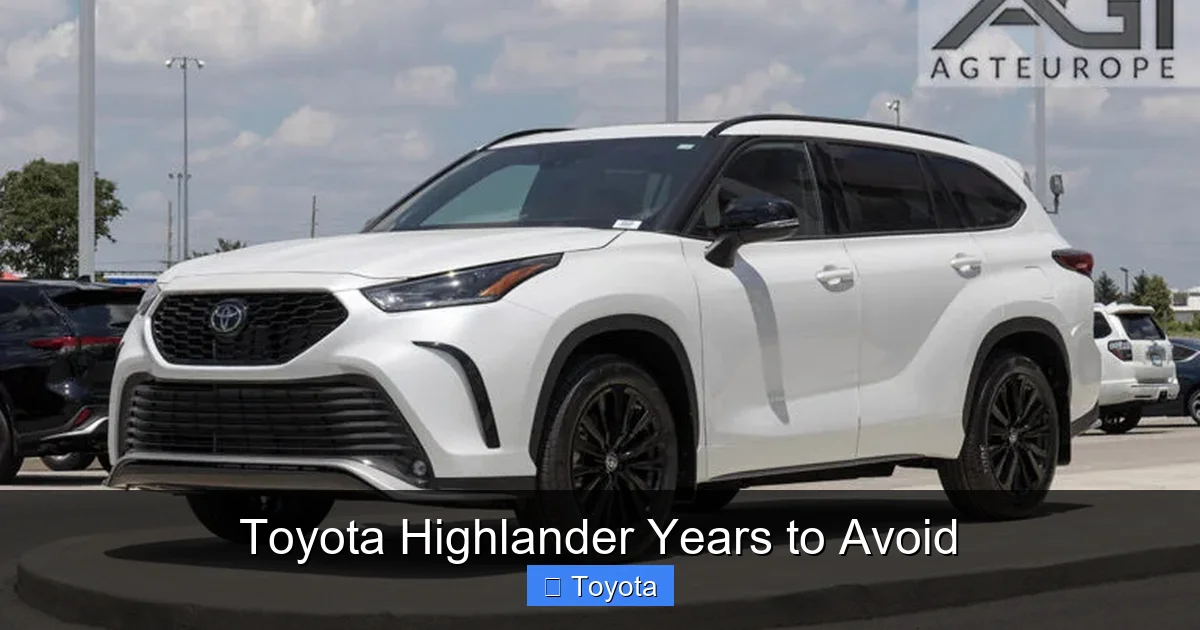
The first-generation Highlander launched in 2001 as a 2001.5 model, marking Toyota’s entry into the growing midsize SUV market. It was praised for its smooth ride, quiet cabin, and car-like handling. But behind the polished exterior, several serious issues lurked—especially in the earliest years.
Visual guide about Toyota Highlander Years to Avoid
Image source: agtauto.com
Transmission Failures: A Common Nightmare
One of the biggest red flags for 2001–2003 Highlanders is transmission failure. Owners frequently reported harsh shifting, slipping gears, and complete transmission breakdowns—often before 100,000 miles. The 4-speed automatic transmission used in these models wasn’t built to handle the torque of the 3.0L V6 engine, especially under heavy loads or towing.
For example, a 2002 Highlander owner in Texas reported their transmission failing at 87,000 miles while driving on the highway. The repair cost over $3,500, and the dealer claimed it was “normal wear.” Unfortunately, this wasn’t an isolated case. Online forums are filled with similar stories, and many owners resorted to aftermarket rebuilds or used transmissions.
Oil Sludge and Engine Wear
Another major issue was oil sludge buildup in the 3.0L V6 engine. This engine, also used in the Camry and Avalon, was notorious for clogging oil passages if oil changes were delayed. Sludge restricts oil flow, leading to premature bearing wear, rod knock, and even engine seizure.
Toyota eventually extended the warranty on these engines and offered free repairs for sludge-related damage, but only if owners could prove regular maintenance. Many buyers couldn’t, leaving them with costly repairs. If you’re considering a 2001–2003 Highlander, check the oil cap and dipstick for sludge. A milky or gel-like substance is a bad sign.
Suspension and Steering Problems
Early Highlanders also suffered from premature suspension wear. Ball joints, control arms, and struts often failed before 80,000 miles, especially in areas with rough roads or potholes. Steering felt loose or clunky, and some owners reported alignment issues that were hard to correct.
While these issues aren’t deal-breakers, they add up. A full suspension overhaul can cost $1,500–$2,500. Combined with transmission and engine risks, it’s easy to see why these years are best avoided unless you’re getting a steal of a deal and plan to invest in repairs.
Should You Buy a 2001–2003 Highlander?
Only if you’re prepared for potential headaches. These models can still be reliable if well-maintained and inspected by a mechanic. But given their age and known issues, they’re not ideal for daily drivers or families needing dependable transportation. If you do buy one, budget for at least $2,000 in immediate repairs and maintenance.
2004–2007 Toyota Highlander: Progress with Persistent Problems
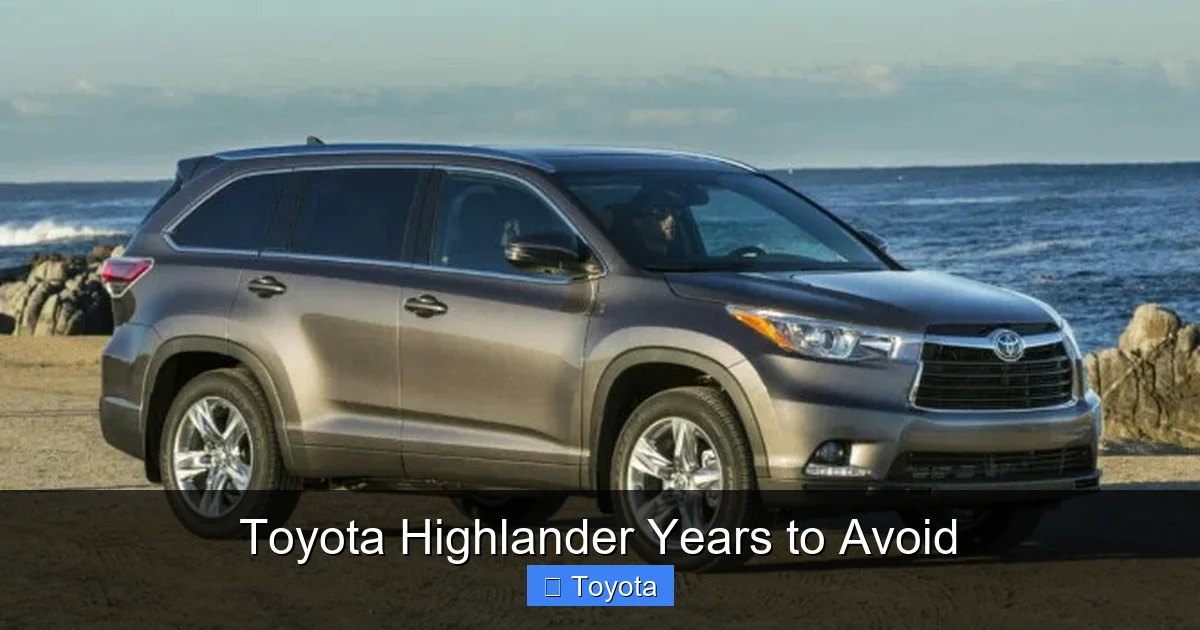
The 2004 model year brought a mid-cycle refresh, including a more powerful 3.3L V6 engine (in the Limited trim) and minor styling updates. While Toyota addressed some early flaws, new issues emerged—and old ones lingered.
Visual guide about Toyota Highlander Years to Avoid
Image source: dashlights.net
Transmission Shudder and Delayed Shifting
Although the transmission was improved, many 2004–2007 Highlanders still experienced shuddering during acceleration, especially between 30–50 mph. This “torque converter shudder” felt like driving over rumble strips and was often mistaken for engine problems.
The fix typically involved replacing the torque converter or flushing the transmission fluid, but some vehicles required a full rebuild. Toyota issued Technical Service Bulletins (TSBs) for this issue, but it wasn’t covered under a formal recall. Owners were left to pay out of pocket unless they had extended warranties.
A/C Compressor Failures
Another common complaint was A/C compressor failure. The compressor would seize or leak refrigerant, leaving passengers sweating in summer heat. Repairs cost $800–$1,500, and some owners reported repeated failures due to poor compressor quality.
This issue was widespread enough that aftermarket companies began offering upgraded compressors. Still, it’s a red flag when shopping for a used Highlander. Test the A/C thoroughly during your test drive—set it to max cold and listen for unusual noises.
Suspension and Brake Wear
Suspension components continued to wear prematurely, particularly in higher-mileage examples. Front struts, sway bar links, and lower control arms often needed replacement by 100,000 miles. Brake rotors warped easily, causing vibration during braking.
While not catastrophic, these issues add to the cost of ownership. A pre-purchase inspection can reveal hidden suspension damage, especially if the vehicle was driven on rough roads or involved in minor accidents.
Reliability Verdict: Proceed with Caution
The 2004–2007 Highlanders are a step up from the early models but still carry risks. If you find one with full maintenance records, low mileage, and no signs of major repairs, it could be a decent buy. But don’t expect perfection—budget for ongoing maintenance and be ready for occasional repairs.
2008–2013 Toyota Highlander: A Turning Point with New Challenges
The second-generation Highlander (2008–2013) marked a major leap forward. It was larger, safer, and more refined, with a standard 3.5L V6 engine producing 270 horsepower. The ride was smoother, the interior more upscale, and fuel economy improved. But even this well-received generation had its share of problems.
Power Steering Issues (2010–2013)
One of the most frustrating issues in this era was electric power steering (EPS) failure. Starting in 2010, Toyota switched from hydraulic to electric power steering, which was lighter and more efficient—but prone to malfunctions.
Owners reported sudden loss of steering assist, warning lights on the dashboard, and difficulty turning the wheel. In some cases, the steering would lock up entirely, creating a dangerous situation. The fix required replacing the EPS motor or control module, costing $1,000–$2,000.
Toyota issued a recall in 2014 for certain 2010–2013 models, covering the power steering control unit. But not all vehicles were included, and some owners missed the recall notice. Always check the VIN on the NHTSA website to see if your vehicle is affected.
Excessive Oil Consumption
Another widespread issue was excessive oil consumption in the 3.5L V6 engine. Some Highlanders burned a quart of oil every 1,000 miles, far beyond the acceptable range. This led to low oil levels, engine damage, and costly repairs.
Toyota acknowledged the problem and extended the warranty for oil consumption on certain models. Owners who documented regular oil level checks could get free engine repairs. But many buyers didn’t realize the issue until it was too late.
If you’re considering a 2010–2013 Highlander, check the oil level regularly during your test drive. Ask the seller for maintenance records showing oil changes and top-offs. A history of frequent oil additions is a warning sign.
Infotainment and Electrical Glitches
As with many vehicles of this era, the Highlander’s electronics were a mixed bag. The navigation system often froze, the Bluetooth connection dropped, and the backup camera malfunctioned. Some owners reported battery drain due to faulty modules.
These issues weren’t safety-critical but were annoying and expensive to fix. Software updates helped, but hardware replacements were sometimes needed. If tech is important to you, test all systems thoroughly before buying.
Overall Reliability: A Solid Choice with Caveats
Despite these problems, the 2008–2013 Highlanders are among the most reliable in the lineup. With proper maintenance, many have surpassed 200,000 miles without major issues. Just be aware of the power steering and oil consumption risks—and verify the vehicle’s service history.
2014–2019 Toyota Highlander: Modern Comfort with Minor Flaws
The third-generation Highlander (2014–2019) focused on comfort, efficiency, and family-friendly features. It offered a smoother ride, better fuel economy, and a more refined interior. The hybrid version became a hit with eco-conscious buyers. But even this polished SUV had a few quirks.
Infotainment System Glitches
The 2014–2016 models introduced a new Entune infotainment system with touchscreen controls. While sleek, it was prone to freezing, lagging, and losing Bluetooth connections. Some owners reported the screen going black or rebooting randomly.
Toyota released software updates to address these issues, but not all dealers applied them. If you’re buying a used Highlander from this era, ask if the latest software is installed. A quick reset or update can resolve many problems.
Minor Electrical Issues
Some owners reported faulty door locks, malfunctioning power windows, and dashboard warning lights that wouldn’t clear. These issues were often traced to bad sensors or wiring harnesses. While not major, they required dealership visits and diagnostic fees.
Again, a pre-purchase inspection can catch these problems early. A mechanic with Toyota experience will know where to look for common electrical faults.
Reliability and Resale Value
Overall, the 2014–2019 Highlanders are excellent choices. They’re reliable, comfortable, and hold their value well. The 2017–2019 models, in particular, are highly rated for safety and dependability. Just be prepared for occasional tech hiccups and keep up with software updates.
2020–2024 Toyota Highlander: The Latest and Greatest (Mostly)
The fourth-generation Highlander (2020–present) brought a bold new design, improved safety, and modern tech. It’s wider, lower, and more aerodynamic, with a focus on passenger comfort and cargo space. Toyota Safety Sense 2.0 comes standard, including adaptive cruise control, lane departure warning, and automatic emergency braking.
Brake Vibration Complaints (2020 Models)
Early 2020 models faced complaints about brake vibration, especially during hard stops. Some owners reported warped rotors or uneven pad wear. Toyota issued a technical service bulletin and offered free inspections, but not all dealers were proactive.
If you’re buying a 2020 Highlander, ask about brake service history. A simple rotor resurfacing or pad replacement can resolve the issue, but it’s worth checking before purchase.
Hybrid Efficiency and Reliability
The hybrid version continues to impress, offering up to 36 mpg in the city. The electric motor and battery system are reliable, with few reported failures. Toyota’s hybrid warranty covers the battery for 10 years or 150,000 miles, giving buyers peace of mind.
Is the 2020–2024 Highlander Worth It?
Yes—especially if you want the latest tech and safety features. These models are among the most reliable in the Highlander’s history. Just be aware of early brake issues and always verify the vehicle’s condition.
Conclusion: How to Choose the Right Highlander
The Toyota Highlander is a fantastic SUV, but not every year is created equal. While the 2001–2003 models are best avoided due to transmission and engine issues, the 2008–2019 models offer a great balance of reliability and value. The 2020–2024 models are excellent but come at a higher price.
No matter which year you choose, always get a pre-purchase inspection, check the vehicle history report, and review maintenance records. A little research can save you from costly repairs and ensure you drive away in a dependable, long-lasting SUV.
Frequently Asked Questions
Which Toyota Highlander year is the most reliable?
The 2017–2019 Toyota Highlanders are widely considered the most reliable, with strong engines, modern features, and fewer reported issues. They offer a great balance of value, comfort, and dependability.
Are Toyota Highlander hybrids reliable?
Yes, Highlander hybrids are very reliable. The hybrid system is well-engineered, and Toyota’s 10-year/150,000-mile battery warranty adds extra peace of mind. Just maintain the gasoline engine as recommended.
What is the biggest problem with the Toyota Highlander?
Transmission failure in early models (2001–2003) and power steering issues in 2010–2013 models are the most common serious problems. Oil consumption in some V6 engines is also a concern.
How many miles can a Toyota Highlander last?
With proper maintenance, a Toyota Highlander can easily last 200,000–300,000 miles. Many owners report reaching 250,000 miles or more with only routine repairs.
Should I buy a used Toyota Highlander?
Yes, if you choose a model year with a good reliability record and have it inspected. Avoid high-mileage examples with incomplete service history or signs of major repairs.
What should I check before buying a used Highlander?
Check the transmission for smooth shifting, test the A/C and power steering, inspect for oil leaks, review maintenance records, and get a pre-purchase inspection by a qualified mechanic.