
Toyota Avalon Years to Avoid

Not every Toyota Avalon model year is created equal. While the Avalon is known for its comfort and reliability, certain years have recurring mechanical and electrical issues that buyers should avoid. This guide highlights the worst Avalon years and helps you pick a dependable one.
If you’re in the market for a full-size sedan that blends luxury, comfort, and Toyota’s legendary reliability, the Toyota Avalon has long been a top contender. Since its debut in 1995, the Avalon has served as Toyota’s flagship sedan—offering a spacious cabin, smooth ride, and refined features typically found in more expensive luxury brands. But here’s the catch: not every Avalon model year lives up to the brand’s reputation.
While Toyota is known for building cars that last, even the best automakers have their off years. The Avalon is no exception. Certain model years have been plagued by recurring mechanical problems, electrical gremlins, and design flaws that can turn a dream purchase into a money pit. Whether you’re buying used or considering a certified pre-owned (CPO) Avalon, knowing which years to avoid can save you thousands in repairs and headaches down the road.
In this guide, we’ll walk you through the Toyota Avalon years to avoid, explain why they’re problematic, and help you identify the safest, most reliable models. We’ll dive into real-world owner complaints, reliability data from sources like J.D. Power and Consumer Reports, and expert insights to give you a clear picture of what to expect. By the end, you’ll know exactly which Avalons to steer clear of—and which ones are worth your investment.
Key Takeaways
- 2005–2007 Toyota Avalon: Prone to excessive oil consumption and transmission issues, making these years risky for long-term ownership.
- 2011–2012 Toyota Avalon: Known for faulty infotainment systems, electrical glitches, and premature brake wear.
- 2019–2020 Toyota Avalon: Early models of the redesigned generation had engine stalling and software bugs, though later updates improved reliability.
- Check for Recalls: Always verify NHTSA recall history before buying any used Avalon, especially older models.
- Pre-Purchase Inspection: Have a trusted mechanic inspect high-mileage Avalons, particularly those from problematic years.
- Best Years to Buy: 2008–2010 and 2013–2018 models offer better reliability and fewer reported issues.
- Hybrid Models: The 2013–2018 Avalon Hybrid is generally reliable but watch for battery degradation in high-mileage examples.
📑 Table of Contents
- Why the Toyota Avalon Is Generally a Solid Choice
- The 2005–2007 Toyota Avalon: A Problematic Start to the Third Generation
- The 2011–2012 Toyota Avalon: Infotainment and Electrical Nightmares
- The 2019–2020 Toyota Avalon: Growing Pains of a Redesign
- Other Model Years with Minor Concerns
- How to Avoid Buying a Lemon: Tips for Avalon Shoppers
- Conclusion: Choose Wisely and Drive Confidently
Why the Toyota Avalon Is Generally a Solid Choice
Before we get into the problematic years, it’s important to recognize why the Avalon has earned such a strong reputation over the years. As Toyota’s largest sedan, the Avalon was designed to compete with premium brands like Lexus (which is, of course, Toyota’s luxury division). It offers a quiet cabin, plush seating, and a smooth ride—qualities that make it ideal for long commutes, road trips, or just cruising in comfort.
One of the Avalon’s biggest strengths is its powertrain. Most models come equipped with a V6 engine that delivers strong acceleration and excellent highway passing power. The 3.5-liter V6, used from 2005 onward, is known for its durability when properly maintained. Additionally, Toyota’s reputation for reliability means that many Avalons easily surpass 200,000 miles with routine care.
Safety has also been a priority. Starting in the mid-2000s, the Avalon began earning high marks from the Insurance Institute for Highway Safety (IIHS) and the National Highway Traffic Safety Administration (NHTSA). Features like electronic stability control, multiple airbags, and later, Toyota Safety Sense (TSS), helped the Avalon stay competitive in an increasingly safety-conscious market.
But despite these strengths, not every generation or model year has been flawless. Let’s take a closer look at the specific years that have given the Avalon a black eye.
The 2005–2007 Toyota Avalon: A Problematic Start to the Third Generation
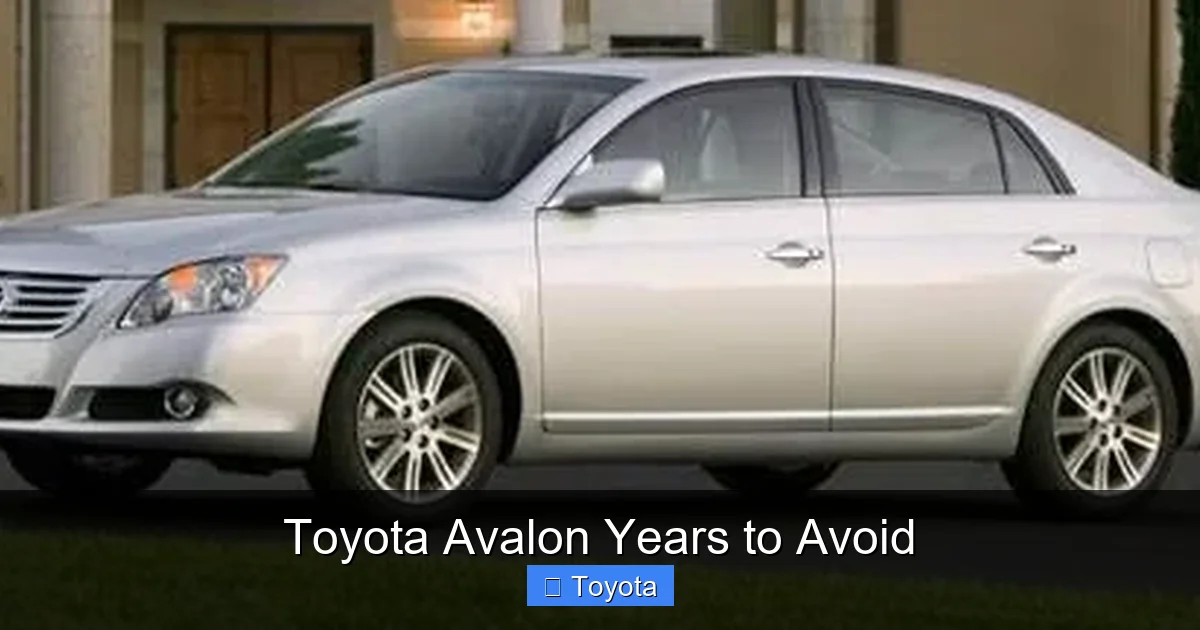
Visual guide about Toyota Avalon Years to Avoid
Image source: warninglights.net
The third-generation Toyota Avalon (2005–2012) marked a major redesign, with a more aggressive stance, updated interior, and a new 3.5-liter V6 engine. While this generation introduced many improvements, the early years—particularly 2005, 2006, and 2007—are widely considered some of the worst in Avalon history.
Excessive Oil Consumption
One of the most common complaints from owners of 2005–2007 Avalons is excessive oil consumption. Many drivers reported needing to add a quart of oil every 1,000 to 1,500 miles—far beyond normal levels. This issue wasn’t just an inconvenience; it could lead to serious engine damage if left unchecked. In some cases, the engine would run low on oil without warning, causing premature wear or even catastrophic failure.
Toyota eventually acknowledged the problem and extended the warranty for affected vehicles, but only after significant owner backlash. Even with the warranty extension, many owners were left with costly repairs or had to replace engines entirely. The root cause was traced to faulty piston rings and valve seals that allowed oil to burn in the combustion chamber.
Transmission Troubles
Another major issue with these early third-gen models was transmission problems. The 5-speed automatic transmission used in the 2005–2007 Avalon was prone to harsh shifting, slipping, and premature failure. Some owners reported transmission failure as early as 80,000 miles, which is unusually low for a Toyota.
The transmission control module (TCM) was also a weak point. Electrical faults in the TCM could cause erratic shifting behavior, including sudden downshifts or failure to upshift. In some cases, the transmission would go into “limp mode,” limiting the car to a single gear until serviced.
Electrical and Interior Issues
Beyond mechanical problems, the 2005–2007 Avalons also suffered from electrical gremlins. Common complaints included malfunctioning power windows, faulty door locks, and intermittent issues with the dashboard gauges. The infotainment system, while advanced for its time, was prone to freezing or losing settings.
Interior quality also took a hit. Many owners reported that the dashboard and door panels developed squeaks and rattles over time. The leather seats, while luxurious, were known to crack and fade prematurely, especially in hot climates.
Should You Avoid These Years?
Absolutely. Unless you’re getting a 2005–2007 Avalon at a deeply discounted price and are prepared for potential major repairs, it’s best to steer clear. Even if the car has been well-maintained, the risk of oil consumption and transmission failure is too high. If you do consider one, make sure it has a full service history and has had the engine and transmission inspected by a qualified mechanic.
The 2011–2012 Toyota Avalon: Infotainment and Electrical Nightmares
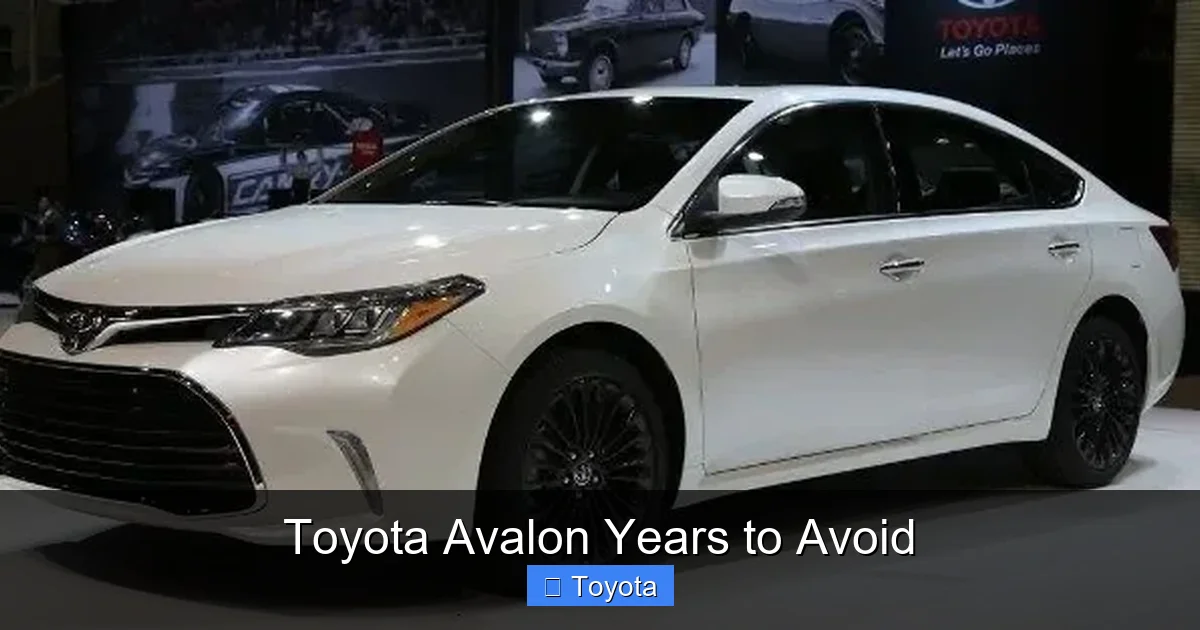
Visual guide about Toyota Avalon Years to Avoid
Image source: dashboardwarninglight.com
Moving into the later years of the third generation, the 2011 and 2012 Toyota Avalon models brought updated styling and improved features. However, they also introduced a new set of problems—primarily centered around the vehicle’s electronics and infotainment system.
Faulty Entune Infotainment System
The 2011–2012 Avalons were among the first Toyota models to feature the Entune infotainment system. While it offered Bluetooth connectivity, navigation, and voice commands, it was notoriously unreliable. Owners reported frequent system crashes, slow response times, and complete failures that required dealership visits.
In many cases, the touchscreen would freeze or go black, rendering the radio, climate controls, and navigation unusable. Some drivers had to restart the car multiple times to get the system working again. Toyota issued several software updates, but the problems persisted for many owners.
Electrical Gremlins and Sensor Failures
Beyond the infotainment system, these models were prone to a range of electrical issues. Common problems included malfunctioning backup cameras, faulty parking sensors, and erratic behavior from the automatic headlights and wipers. The keyless entry system was also unreliable, with some owners unable to unlock the car using the key fob.
The instrument cluster was another weak point. Some Avalons experienced flickering gauges or incorrect readings, such as false low-fuel warnings or inaccurate speedometer displays. These issues weren’t just annoying—they could compromise safety if critical information was misreported.
Brake Wear and Suspension Concerns
Another recurring complaint was premature brake wear. Many 2011–2012 Avalon owners reported needing new brake pads and rotors by 30,000 to 40,000 miles—far earlier than expected for a sedan of this class. The suspension components, particularly the struts and control arms, also showed signs of wear sooner than in other model years.
While these issues weren’t as severe as engine or transmission failures, they added up in maintenance costs and downtime. Combined with the electrical problems, they made these years less appealing for long-term ownership.
Are 2011–2012 Avalons Worth Considering?
Only with caution. If you find a well-maintained 2011 or 2012 Avalon with low mileage and a clean service record, it might be a decent buy—especially if the infotainment system has been updated or replaced. However, be prepared for potential electrical issues and factor in the cost of repairs. A pre-purchase inspection is essential.
The 2019–2020 Toyota Avalon: Growing Pains of a Redesign
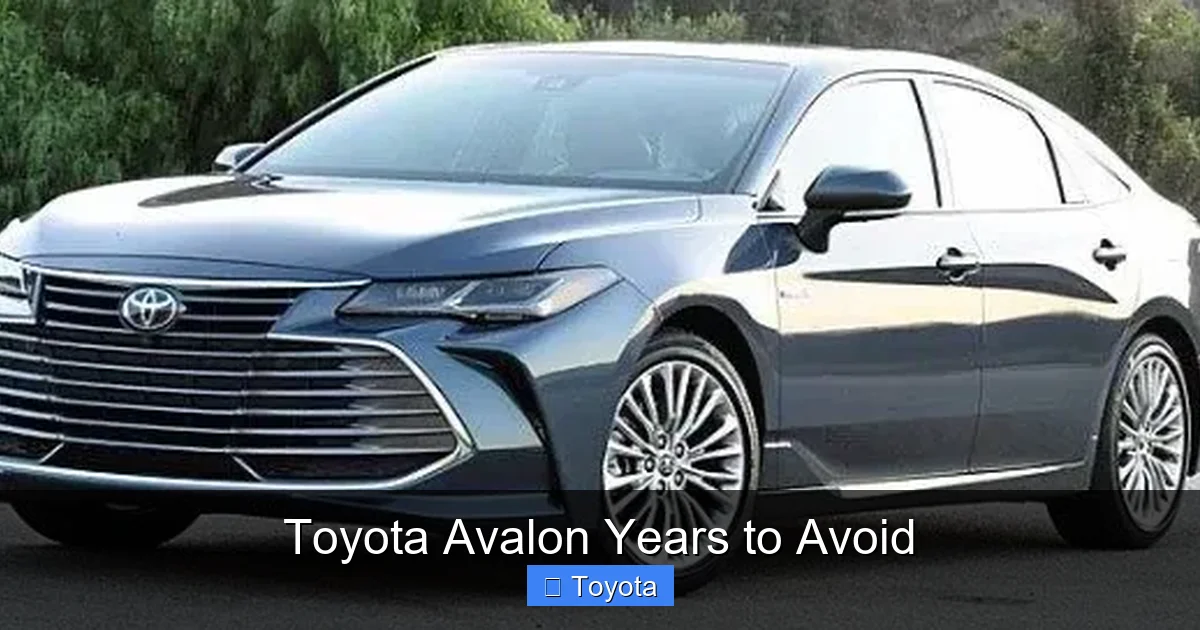
Visual guide about Toyota Avalon Years to Avoid
Image source: dashboardwarninglight.com
The fifth-generation Toyota Avalon debuted in 2019 with a bold new design, upgraded technology, and improved performance. While this generation is generally well-regarded, the first two model years—2019 and 2020—had some notable issues that buyers should be aware of.
Engine Stalling and Rough Idling
One of the most serious problems reported by early 2019–2020 Avalon owners was engine stalling. Some drivers experienced the engine cutting out unexpectedly while driving, particularly at low speeds or when coming to a stop. In other cases, the engine would idle roughly or hesitate during acceleration.
These issues were often linked to software glitches in the engine control unit (ECU) or problems with the fuel injection system. Toyota issued several technical service bulletins (TSBs) and software updates to address the problem, but not all vehicles were fixed under warranty. In rare cases, the issue required replacement of the entire engine control module.
Infotainment and Software Bugs
The 2019–2020 Avalons featured Toyota’s latest infotainment system with an 8-inch touchscreen, Apple CarPlay, Android Auto, and available JBL audio. While the hardware was impressive, the software was buggy. Owners reported frequent system crashes, slow boot times, and connectivity issues with smartphones.
The navigation system was particularly problematic, often failing to load or providing incorrect directions. Some users also experienced problems with the digital instrument cluster, which could freeze or display incorrect information.
Suspension and Ride Quality Complaints
The new Avalon’s suspension was tuned for a sportier feel, but some owners found it too stiff for a luxury sedan. Complaints about a harsh ride, especially on rough roads, were common. The adaptive suspension (available on higher trims) was also prone to malfunctions, with some systems failing to adjust properly or becoming unresponsive.
Have These Issues Been Resolved?
Yes, to a large extent. Toyota has released multiple software updates and extended warranties for affected components. The 2021 and later models of the fifth-generation Avalon have significantly fewer reported issues. If you’re considering a 2019 or 2020 model, make sure all available updates have been applied and check for any open recalls.
Other Model Years with Minor Concerns
While the years mentioned above are the most problematic, a few other Avalon model years have minor issues worth noting.
2000–2004 Toyota Avalon (Second Generation)
The second-generation Avalon (1999–2004) is generally reliable, but the 2000–2004 models had some known issues. The most common problem was a faulty mass airflow (MAF) sensor, which could cause poor fuel economy, rough idling, and check engine lights. The ignition coils were also prone to failure, leading to misfires.
These issues are relatively easy and inexpensive to fix, so they don’t make these years “avoid at all costs.” However, they’re worth checking during a pre-purchase inspection.
2013–2018 Toyota Avalon: Generally Reliable, But Watch for Hybrids
The 2013–2018 Avalons are among the best in the lineup. They benefit from Toyota’s improved quality control and fewer reported problems. However, the Avalon Hybrid models from this period can experience battery degradation, especially in high-mileage examples. The hybrid battery typically lasts 100,000 to 150,000 miles, but replacement can cost several thousand dollars.
If you’re considering a hybrid Avalon, have the battery health checked by a technician familiar with Toyota hybrids.
How to Avoid Buying a Lemon: Tips for Avalon Shoppers
Now that you know which Toyota Avalon years to avoid, here are some practical tips to help you find a reliable used model:
Check the Vehicle History Report
Always obtain a vehicle history report from services like Carfax or AutoCheck. Look for signs of accidents, flood damage, or multiple owners in a short period—these can be red flags.
Verify Recall and TSB History
Visit the NHTSA website and enter the VIN to check for open recalls. Also, ask the dealer or owner if any technical service bulletins (TSBs) have been addressed. Many Avalon issues were fixed under TSBs, not recalls.
Get a Pre-Purchase Inspection
Even if the car looks good, have it inspected by an independent mechanic. They can check for oil consumption, transmission health, electrical issues, and suspension wear—problems that aren’t always obvious during a test drive.
Test Drive in Real-World Conditions
Take the Avalon on a variety of roads—highways, city streets, and rough pavement. Listen for unusual noises, feel for transmission hesitation, and test all electronics, including the infotainment system, climate controls, and safety features.
Consider Certified Pre-Owned (CPO)
Toyota’s CPO program includes a 160-point inspection, extended warranty, and roadside assistance. While CPO Avalons cost more, they offer peace of mind, especially for older or high-mileage models.
Conclusion: Choose Wisely and Drive Confidently
The Toyota Avalon is a fantastic full-size sedan when you pick the right model year. While it’s true that some years have earned a bad reputation, many others offer excellent reliability, comfort, and value. By avoiding the problematic years—especially 2005–2007, 2011–2012, and early 2019–2020 models—you can enjoy all the benefits of Avalon ownership without the headaches.
Do your homework, inspect thoroughly, and don’t rush into a purchase. With the right Avalon, you’ll have a dependable, luxurious ride that lasts for years to come.
Frequently Asked Questions
What are the worst years for the Toyota Avalon?
The worst Toyota Avalon years are 2005–2007, 2011–2012, and 2019–2020. These models are known for oil consumption, transmission issues, electrical problems, and software bugs.
Is the 2010 Toyota Avalon reliable?
Yes, the 2010 Toyota Avalon is generally reliable. It avoids the major issues of earlier third-gen models and has fewer reported problems than 2011–2012 versions.
Should I avoid the Toyota Avalon Hybrid?
Not necessarily. The 2013–2018 Avalon Hybrid is reliable, but high-mileage models may need battery replacement. Have the hybrid system inspected before buying.
How can I check if an Avalon has had recalls?
Use the NHTSA website and enter the vehicle’s VIN to view all open recalls and safety investigations.
What causes oil consumption in older Avalons?
Excessive oil consumption in 2005–2007 Avalons is typically caused by faulty piston rings and valve seals, allowing oil to burn in the combustion chamber.
Are 2021 and newer Avalons better than earlier models?
Yes, the 2021 and newer Avalons have fewer reported issues, improved software, and better reliability due to Toyota’s updates and refinements.