Tonneau Covers for Trucks with Tool Boxes
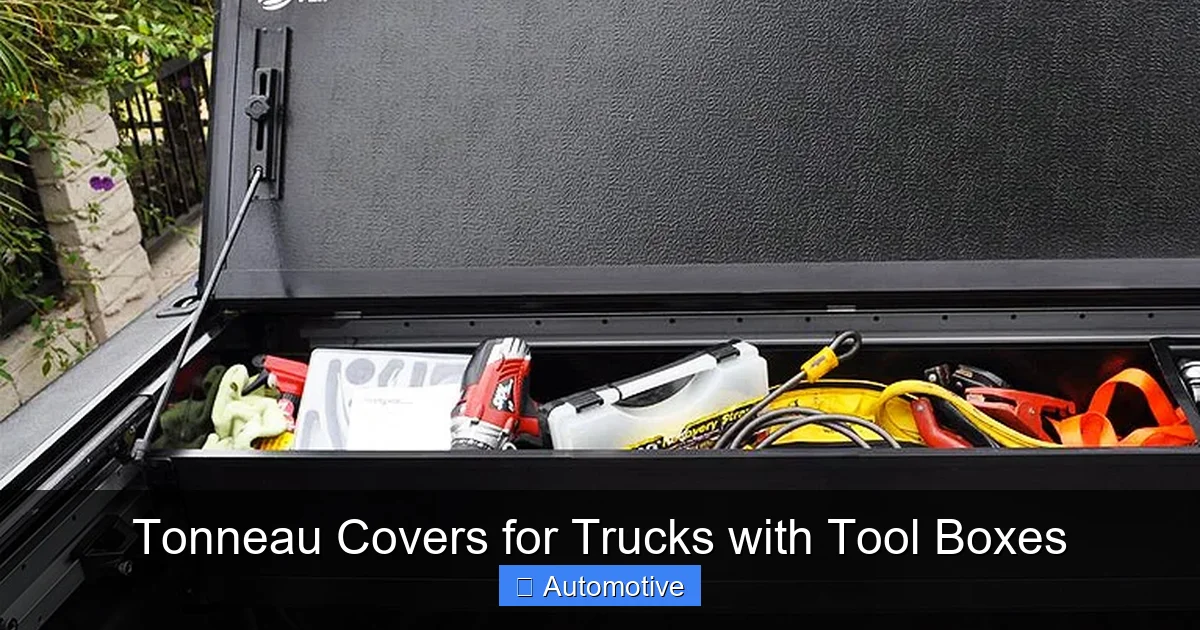
Choosing the right tonneau cover for a truck with a tool box doesn’t have to be complicated. With the right fit, style, and features, you can protect your cargo, keep tools secure, and improve your truck’s aerodynamics—all without sacrificing functionality.
If you’re a truck owner who relies on your vehicle for work, recreation, or both, you know how important it is to keep your cargo and tools safe, dry, and secure. Whether you’re hauling lumber to a job site, camping gear for a weekend getaway, or expensive equipment for your trade, exposure to the elements and potential theft can be major concerns. That’s where a tonneau cover comes in—but if you’ve already invested in a tool box mounted in your truck bed, you might be wondering: *Can I even install a tonneau cover?*
The good news is yes—you absolutely can. In fact, many truck owners successfully combine tonneau covers with tool boxes to maximize both protection and functionality. The key is choosing the right type of cover that fits your specific truck bed layout and tool box configuration. With so many options on the market today—from soft roll-up covers to hard folding models—it’s easier than ever to find a solution that works for your setup.
In this guide, we’ll walk you through everything you need to know about selecting, installing, and maintaining a tonneau cover for trucks with tool boxes. We’ll cover compatibility tips, popular styles, installation advice, and real-world benefits so you can make an informed decision. Whether you drive a Ford F-150, Chevrolet Silverado, Ram 1500, or another popular pickup, this guide will help you find the perfect match for your needs.
In This Article
- 1 Key Takeaways
- 2 📑 Table of Contents
- 3 Why You Need a Tonneau Cover with a Tool Box
- 4 Types of Tonneau Covers Compatible with Tool Boxes
- 5 How to Measure and Choose the Right Fit
- 6 Installation Tips for Tonneau Covers with Tool Boxes
- 7 Maintenance and Care for Long-Lasting Performance
- 8 Real-World Benefits and User Experiences
- 9 Conclusion
- 10 Frequently Asked Questions
- 10.1 Can I install a tonneau cover if I already have a tool box?
- 10.2 Will a tonneau cover interfere with my tool box access?
- 10.3 Do tonneau covers really improve fuel efficiency?
- 10.4 Are hard covers better than soft covers for tool box setups?
- 10.5 Can I install a tonneau cover myself?
- 10.6 What should I do if my cover leaks near the tool box?
Key Takeaways
- Compatibility is key: Not all tonneau covers work with tool boxes—measure your bed and tool box location before buying.
- Soft vs. hard covers: Soft covers are lighter and more affordable; hard covers offer superior security and durability.
- Tool box clearance matters: Look for low-profile or specially designed covers that accommodate tool boxes without interference.
- Improved fuel efficiency: A properly installed tonneau cover can reduce drag and improve gas mileage by up to 10%.
- Weather protection: High-quality covers keep rain, snow, and debris out of your truck bed, protecting both cargo and tools.
- Easy access options: Roll-up, folding, and retractable covers offer different levels of convenience depending on your needs.
- Professional installation recommended: While some covers are DIY-friendly, complex setups may require expert help for a secure fit.
📑 Table of Contents
Why You Need a Tonneau Cover with a Tool Box
Truck owners often install tool boxes to keep their gear organized and protected. But once that tool box is in place, it can limit your options when it comes to adding a tonneau cover. Still, the benefits of having both are hard to ignore. A tonneau cover adds an extra layer of security, keeps your cargo dry, and improves your truck’s aerodynamics—leading to better fuel economy.
Imagine driving down the highway with tools rattling in the back and loose items flying around. Not only is that unsafe, but it can also damage your cargo and reduce visibility. A tonneau cover helps contain everything, reducing wind noise and drag. Plus, it acts as a visual deterrent to thieves—most won’t bother trying to break into a covered bed when there’s nothing visible to steal.
Another major advantage is weather protection. Rain, snow, dust, and UV rays can degrade tools, electronics, and other sensitive items over time. A quality tonneau cover seals the bed, keeping moisture and debris out. This is especially important if you store power tools, generators, or other equipment that shouldn’t get wet.
And let’s not forget fuel efficiency. Studies have shown that a properly installed tonneau cover can improve gas mileage by up to 10% by reducing aerodynamic drag. Over time, that adds up—especially for drivers who log a lot of miles. So even if you’re not hauling anything, the cover pays for itself in fuel savings.
Types of Tonneau Covers Compatible with Tool Boxes
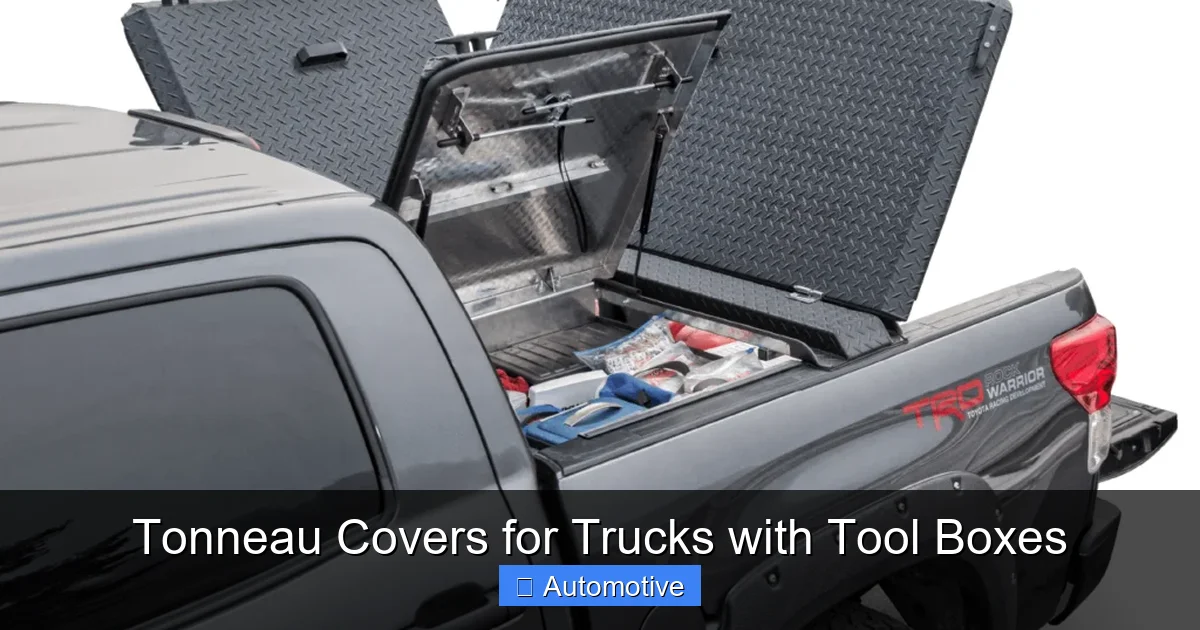
Visual guide about Tonneau Covers for Trucks with Tool Boxes
Image source: diversifiedfleetservices.com
Not all tonneau covers are created equal—and not all are compatible with tool boxes. The type you choose will depend on your truck model, tool box size and placement, and how you use your vehicle. Here are the most common types that work well with tool boxes:
Soft Roll-Up Tonneau Covers
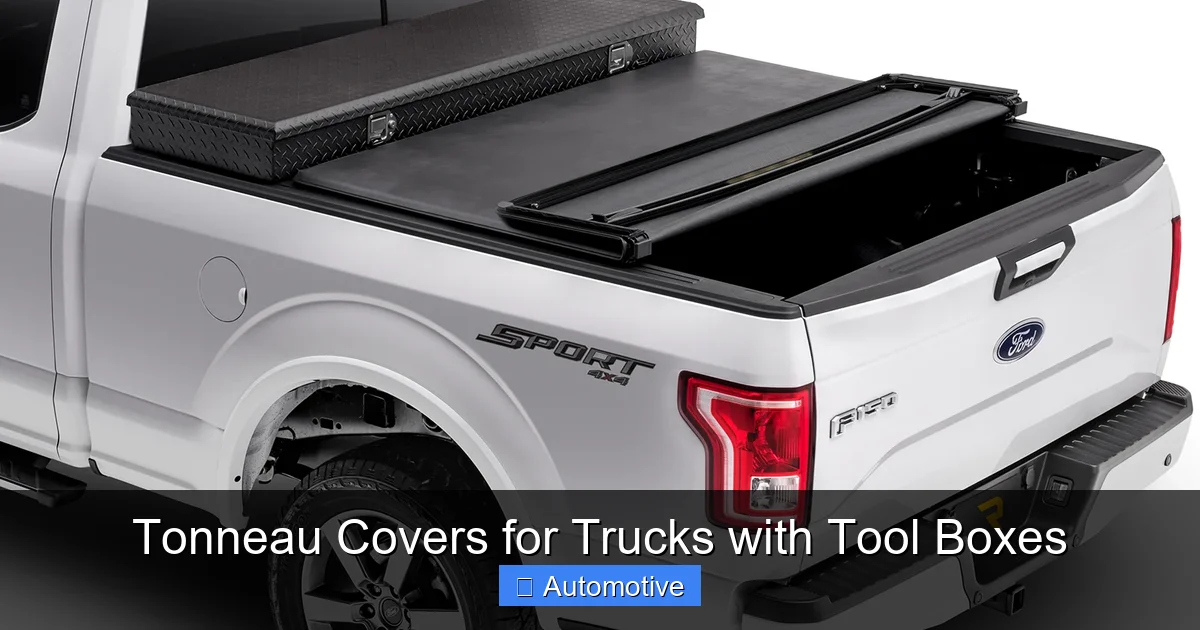
Soft roll-up covers are made from durable vinyl or fabric and roll up toward the cab when you need access to the bed. They’re lightweight, affordable, and easy to install—usually requiring no drilling. Because they sit low on the bed rails, they often work well with side-mounted tool boxes, especially if the tool box is mounted near the front or rear of the bed.
These covers are great for everyday use and offer decent protection from rain and dust. However, they’re not as secure as hard covers and can be cut with basic tools. If security is a top priority, you might want to consider a different option—but for light-duty use, soft roll-ups are a solid choice.
One popular example is the TruXedo TruXport. It’s known for its sleek profile and easy roll-up mechanism. Many users report that it fits perfectly alongside their tool boxes without any modifications.
Hard Folding Tonneau Covers
Hard folding covers are made from aluminum or fiberglass panels that fold up in sections. They offer excellent security, durability, and weather resistance. Because they’re rigid, they’re harder to break into and can support light loads—like snow or gear placed on top.
These covers typically mount inside the bed rails, which means they can interfere with tool boxes that extend too far into the bed. However, many modern hard folding covers are designed with low profiles and adjustable mounting systems that allow them to work with tool boxes—especially if the tool box is mounted toward the front or rear.
The BAKFlip MX4 is a top-rated hard folding cover that’s compatible with many tool box setups. It features a flush-mounted design and can be installed with minimal clearance, making it a favorite among contractors and DIYers.
Retractable Tonneau Covers
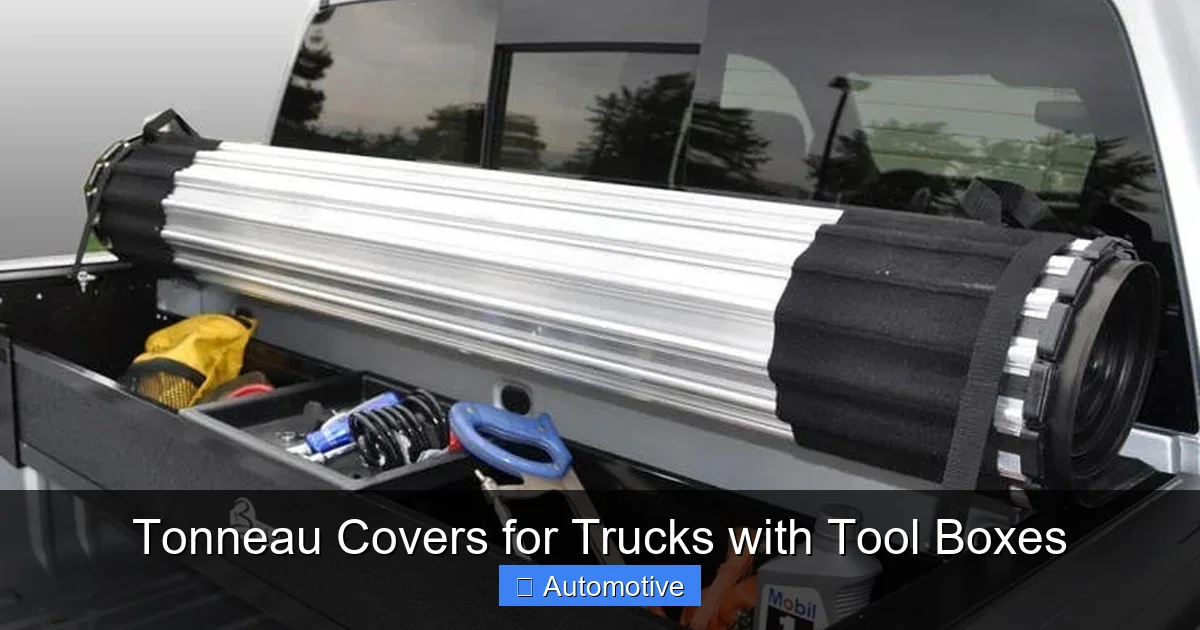
Retractable covers slide back into a canister at the front of the bed, offering full or partial access as needed. They’re sleek, secure, and provide excellent weather protection. Because the canister takes up some space at the front of the bed, they may not be ideal if your tool box is mounted in that area.
However, if your tool box is mounted on the sides or toward the tailgate, a retractable cover could be a great fit. These covers are often more expensive and require professional installation, but they offer a premium look and functionality.
The RetraxPRO XR is a popular retractable model known for its smooth operation and durable construction. It’s compatible with many tool box configurations, especially when installed with proper spacing.
Low-Profile and Custom-Fit Covers
Some manufacturers offer low-profile or custom-fit tonneau covers specifically designed to work with tool boxes. These covers are engineered to sit flush with the bed rails and avoid interference with side-mounted tool boxes.
For example, the UnderCover Classic is a hard, one-piece cover that’s lightweight and easy to remove. It’s designed to fit tightly against the bed rails, leaving room for tool boxes on the sides. Similarly, the Extang Trifecta 2.0 is a soft tri-fold cover that folds up neatly and doesn’t obstruct tool box access.
When shopping, look for covers labeled as “tool box compatible” or “low-profile.” These are more likely to work with your setup without requiring modifications.
How to Measure and Choose the Right Fit
Visual guide about Tonneau Covers for Trucks with Tool Boxes
Image source: images.squarespace-cdn.com
Before you buy any tonneau cover, you need to make sure it will fit your truck and tool box. A poor fit can lead to leaks, wind noise, and even damage to your truck or cover. Here’s how to get it right:
Measure Your Truck Bed
Start by measuring the length of your truck bed from the bulkhead (behind the cab) to the tailgate. Most trucks come in standard bed lengths—like 5.5 feet, 6.5 feet, or 8 feet—but double-check to be sure. Use a tape measure and record the exact dimensions.
Next, measure the width of the bed at the top rails. This ensures the cover will sit properly and seal correctly. Also note the height of your bed rails, as some covers require a specific rail height for installation.
Locate and Measure Your Tool Box
Determine where your tool box is mounted—front, middle, rear, or along the sides. Measure its length, width, and height. Pay special attention to how much space it takes up along the bed rails, as this will affect where the tonneau cover can be installed.
If your tool box is mounted on the sides (common with crossover or saddle-style boxes), check how far it extends into the bed. Some covers need at least 2–3 inches of clearance on each side to mount properly.
Check Manufacturer Compatibility
Once you have your measurements, check the manufacturer’s website or product description for compatibility information. Many brands provide fitment guides that list which truck models and bed configurations their covers work with.
Look for keywords like “fits with tool box,” “low-profile design,” or “compatible with side-mounted tool boxes.” Some companies even offer custom brackets or spacers to help with installation.
If you’re unsure, contact customer support. Provide your truck’s make, model, year, bed length, and tool box details. Most reputable brands will help you find the right cover or suggest alternatives.
Test Fit Before Final Installation
If possible, do a test fit before tightening all the bolts. This allows you to check for clearance issues and make adjustments. You don’t want to realize halfway through installation that the cover hits your tool box or doesn’t close properly.
For soft roll-up covers, make sure the cover rolls up smoothly without catching on the tool box. For folding or retractable covers, ensure all panels open and close without obstruction.
Installation Tips for Tonneau Covers with Tool Boxes
Visual guide about Tonneau Covers for Trucks with Tool Boxes
Image source: realtruck.com
Installing a tonneau cover with a tool box requires a bit more planning than a standard installation. But with the right approach, it’s totally doable—even for DIYers.
Follow the Manufacturer’s Instructions
Always start by reading the installation manual. Every cover is different, and skipping steps can lead to leaks, misalignment, or damage. Most covers come with detailed instructions, diagrams, and hardware kits.
If your cover is designed for tool box compatibility, the manual should include specific guidance on spacing and mounting. Follow these closely.
Use Spacers or Adjustable Brackets
Some covers come with spacers or adjustable mounting brackets that allow you to raise the cover slightly to clear a tool box. These are especially useful for hard folding or retractable covers that sit higher on the bed rails.
If your cover doesn’t include spacers, you may need to purchase them separately. Check with the manufacturer or a trusted automotive parts retailer.
Seal Gaps to Prevent Leaks
Even the best covers can leak if not installed properly. Use weatherstripping or sealant around the edges, especially near the tool box. Pay attention to the bulkhead and tailgate areas, as these are common leak points.
For soft covers, make sure the Velcro or snap straps are tight and secure. For hard covers, check that all seals are compressed evenly when closed.
Consider Professional Installation
If you’re not confident in your DIY skills—or if your setup is complex—consider hiring a professional. Many truck accessory shops offer installation services, and they’ll ensure everything fits perfectly.
Professional installers also have experience with tool box configurations and can recommend adjustments or modifications if needed. It’s a small investment that can save you time, frustration, and potential damage.
Maintenance and Care for Long-Lasting Performance
Once your tonneau cover is installed, regular maintenance will keep it looking and working great for years.
Clean Regularly
Dirt, grime, and road salt can build up on your cover and cause wear over time. Clean it every few weeks with mild soap and water. Avoid harsh chemicals or abrasive scrubbers, which can damage the finish.
For vinyl or fabric covers, use a soft brush or sponge. For hard covers, a microfiber cloth works well. Rinse thoroughly and dry completely to prevent water spots.
Lubricate Moving Parts
If your cover has hinges, latches, or rollers, apply a silicone-based lubricant every few months. This keeps everything moving smoothly and prevents rust or sticking.
Avoid petroleum-based lubricants, as they can degrade rubber seals and vinyl materials.
Inspect Seals and Hardware
Check the seals, clamps, and bolts regularly for signs of wear or looseness. Tighten any loose hardware and replace worn seals as needed.
If you notice water getting into the bed, inspect the cover for gaps or damage. Even small tears or misalignments can lead to leaks.
Store Properly When Not in Use
If you remove your cover for any reason—like hauling large items—store it in a dry, cool place. Lay it flat or hang it to prevent warping or creasing.
For soft covers, avoid folding them too tightly, as this can cause permanent creases. For hard covers, protect the surface with a soft cloth or cover.
Real-World Benefits and User Experiences
Many truck owners who’ve installed tonneau covers with tool boxes report significant improvements in convenience, security, and efficiency.
Take Mike, a contractor from Texas, who uses his Ford F-150 to transport tools and materials to job sites. He installed a BAKFlip MX4 hard folding cover alongside his side-mounted tool box. “At first I was worried it wouldn’t fit,” he says, “but the low-profile design cleared my tool box with room to spare. Now my tools stay dry, and I’ve noticed better gas mileage on long drives.”
Similarly, Sarah, an outdoor enthusiast from Colorado, uses a soft roll-up cover with her rear-mounted tool box. “I love how easy it is to roll up when I need to load gear,” she says. “And even in heavy snow, nothing gets wet.”
These real-world examples show that with the right choice, a tonneau cover and tool box can coexist—and even enhance each other’s functionality.
Conclusion
Adding a tonneau cover to a truck with a tool box is not only possible—it’s a smart move. With the right fit and style, you can protect your cargo, keep your tools secure, and improve your truck’s performance. Whether you choose a soft roll-up, hard folding, or retractable model, there’s an option that works for your setup.
Take the time to measure your bed and tool box, research compatibility, and follow installation best practices. And don’t forget regular maintenance to keep your cover in top shape.
Investing in a quality tonneau cover is an investment in your truck’s longevity, your gear’s safety, and your peace of mind. So go ahead—give your truck the protection it deserves.
Frequently Asked Questions
Can I install a tonneau cover if I already have a tool box?
Yes, many tonneau covers are designed to work with tool boxes, especially low-profile or side-mounted models. Just make sure to check compatibility and measure your bed and tool box before purchasing.
Will a tonneau cover interfere with my tool box access?
It depends on the type of cover and tool box placement. Roll-up and folding covers typically allow full access to the tool box, while retractable covers may limit front access if the canister is in the way.
Do tonneau covers really improve fuel efficiency?
Yes, studies show that a properly installed tonneau cover can reduce aerodynamic drag and improve gas mileage by up to 10%, especially at highway speeds.
Are hard covers better than soft covers for tool box setups?
Hard covers offer better security and durability, but soft covers are lighter and often easier to install. Choose based on your priorities—security, cost, or ease of use.
Can I install a tonneau cover myself?
Many covers are DIY-friendly, especially soft roll-up models. However, hard folding or retractable covers may require professional installation for a secure, leak-free fit.
What should I do if my cover leaks near the tool box?
Check the seals and mounting hardware for gaps or looseness. Use weatherstripping or sealant to fill any gaps, and ensure the cover is aligned properly with the bed rails.