Tire Size for 16×7 Wheel

Choosing the right tire size for a 16×7 wheel ensures optimal performance, safety, and fuel efficiency. This guide covers compatible sizes, fitment considerations, and expert tips to help you make the best choice for your vehicle.
In This Article
- 1 Key Takeaways
- 2 📑 Table of Contents
- 3 Understanding Tire Size for 16×7 Wheel: A Complete Guide
- 4 What Does “16×7 Wheel” Mean?
- 5 Decoding Tire Size Markings
- 6 Best Tire Sizes for 16×7 Wheels
- 7 Factors to Consider When Choosing a Tire Size
- 8 Installation and Maintenance Tips
- 9 Upgrading or Modifying Tire Size
- 10 Conclusion
- 11 Frequently Asked Questions
- 11.1 What tire size fits a 16×7 wheel?
- 11.2 Can I use a 225/50R16 tire on a 7-inch wheel?
- 11.3 Will a 195/60R16 tire fit a 16×7 wheel?
- 11.4 How do I know if a tire size is safe for my vehicle?
- 11.5 Can I mix different tire sizes on the same axle?
- 11.6 Do I need to recalibrate my speedometer if I change tire size?
Key Takeaways
- Standard tire sizes for 16×7 wheels include 205/55R16, 215/55R16, and 225/50R16: These offer a balance of comfort, handling, and tread life.
- Aspect ratio and width affect ride quality and grip: A lower aspect ratio improves cornering, while wider tires enhance traction.
- Always check your vehicle’s owner manual or door jamb sticker: This ensures the tire size matches manufacturer recommendations.
- Speed rating and load index matter for safety: Match or exceed the original tire’s ratings to maintain performance and durability.
- Proper inflation and alignment are critical: Even the best tire size won’t perform well if underinflated or misaligned.
- Consider seasonal and driving conditions: All-season, summer, or winter tires may be better suited depending on your climate.
- Consult a tire professional if unsure: A certified technician can confirm fitment and recommend the best options.
📑 Table of Contents
Understanding Tire Size for 16×7 Wheel: A Complete Guide
If you’re shopping for new tires and your vehicle uses 16×7 wheels, you’re in the right place. The term “16×7” refers to the wheel’s diameter and width—16 inches in diameter and 7 inches wide. While this seems straightforward, choosing the correct tire size for a 16×7 wheel involves more than just matching numbers. It’s about finding a tire that fits properly, performs well, and keeps you safe on the road.
Many drivers assume that any tire labeled “16” will fit a 16-inch wheel, but that’s only part of the story. The width of the wheel (in this case, 7 inches) plays a crucial role in determining which tire widths and aspect ratios will work best. A tire that’s too narrow or too wide can lead to poor handling, uneven wear, or even damage to the wheel or suspension components. That’s why understanding the relationship between wheel dimensions and tire specifications is essential.
In this guide, we’ll walk you through everything you need to know about selecting the right tire size for a 16×7 wheel. From decoding tire markings to exploring compatible sizes and performance considerations, we’ll help you make an informed decision. Whether you’re replacing worn tires, upgrading for better performance, or simply curious about your options, this article has you covered.
What Does “16×7 Wheel” Mean?

Visual guide about Tire Size for 16×7 Wheel
Image source: serpentautosport.com
Before diving into tire sizes, it’s important to understand what “16×7” actually means. This notation describes the physical dimensions of your wheel—specifically, the diameter and width.
The first number, 16, refers to the wheel’s diameter in inches. This is the distance from one edge of the wheel to the opposite edge, measured through the center. All tires designed for a 16-inch wheel must have an inner diameter of 16 inches to fit properly.
The second number, 7, indicates the wheel’s width in inches. This is the distance between the inner and outer edges of the wheel where the tire sits. A 7-inch-wide wheel is considered a medium-width rim, commonly found on compact cars, sedans, and some SUVs.
Why Wheel Width Matters for Tire Fitment
Wheel width directly affects which tire widths can be safely mounted. Tires are designed to work within a specific range of wheel widths. Mounting a tire on a wheel that’s too narrow or too wide can cause several issues:
– **Poor bead seal:** The tire may not seat properly on the wheel, leading to air leaks.
– **Reduced handling:** The tire’s contact patch may be distorted, affecting grip and stability.
– **Increased wear:** Uneven tread wear can occur, shortening the tire’s lifespan.
– **Safety risks:** In extreme cases, the tire could separate from the wheel at high speeds.
For a 16×7 wheel, the ideal tire width typically ranges from 205mm to 225mm. This range ensures the tire sits correctly on the rim, maintains proper shape, and delivers optimal performance.
Common Vehicles with 16×7 Wheels
Many popular vehicles come equipped with 16×7 wheels from the factory. These include:
– Honda Civic (certain trims)
– Toyota Corolla
– Ford Focus
– Hyundai Elantra
– Mazda3
– Subaru Impreza
These vehicles often use 16×7 wheels as a balance between comfort, fuel efficiency, and handling. They’re ideal for daily commuting and city driving, where a slightly smaller wheel diameter helps absorb road imperfections.
Decoding Tire Size Markings

Visual guide about Tire Size for 16×7 Wheel
Image source: tiresglobe.com
Tire sizes are written in a standardized format that includes three key numbers and a letter. For example, a common size for a 16×7 wheel is **205/55R16**. Let’s break down what each part means.
Section Width (205)
The first number, 205, is the tire’s section width in millimeters. This is the width of the tire from sidewall to sidewall when mounted and inflated. A 205mm-wide tire is about 8.1 inches wide.
For a 16×7 wheel, section widths between 205mm and 225mm are most common. A 205mm tire is a snug fit, while a 225mm tire offers a slightly wider contact patch for improved grip.
Aspect Ratio (55)
The second number, 55, is the aspect ratio. This is the height of the tire’s sidewall expressed as a percentage of the section width. In this case, the sidewall height is 55% of 205mm, which equals about 113mm.
A lower aspect ratio (like 50) means a shorter sidewall, which improves handling and responsiveness but may reduce ride comfort. A higher aspect ratio (like 60) means a taller sidewall, which absorbs more road shock but can feel less precise.
Construction Type (R)
The letter “R” stands for radial construction, which is the standard for modern tires. Radial tires have layers of fabric running radially across the tire, with steel belts underneath the tread. This design provides better durability, fuel efficiency, and heat dissipation.
Wheel Diameter (16)
The final number, 16, confirms the tire is designed for a 16-inch wheel. This must match your wheel diameter exactly.
Additional Markings: Load Index and Speed Rating
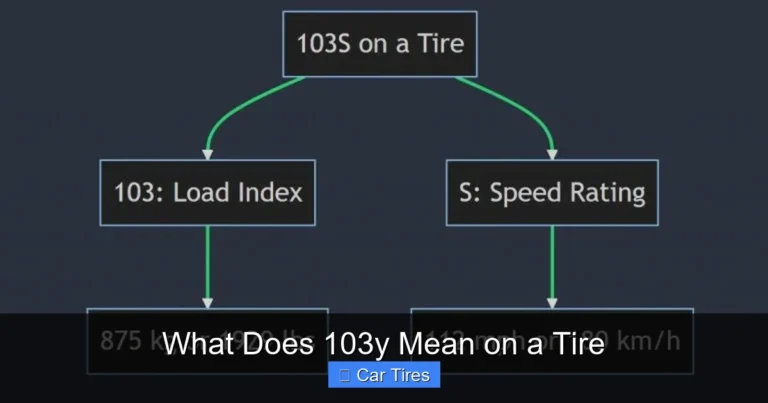
After the size, you’ll often see two more numbers and a letter, such as **91V**. These indicate the tire’s load index and speed rating.
– **Load Index (91):** This tells you the maximum weight the tire can support when properly inflated. A load index of 91 corresponds to 615 kg (1,356 lbs) per tire.
– **Speed Rating (V):** This indicates the maximum speed the tire can safely sustain. A “V” rating means the tire is rated for up to 149 mph (240 km/h).
Always choose tires with a load index and speed rating that meet or exceed the original equipment specifications for your vehicle.
Best Tire Sizes for 16×7 Wheels

Visual guide about Tire Size for 16×7 Wheel
Image source: tiresglobe.com
Now that you understand how tire sizes work, let’s look at the most compatible options for a 16×7 wheel. These sizes are widely used, readily available, and offer a good balance of performance, comfort, and durability.
205/55R16
This is one of the most common tire sizes for 16×7 wheels. It’s a great all-around choice for compact and mid-size sedans.
– **Width:** 205mm (8.1 inches)
– **Aspect Ratio:** 55%
– **Sidewall Height:** ~113mm (4.4 inches)
– **Overall Diameter:** ~24.9 inches
This size offers a comfortable ride, good fuel economy, and reliable handling. It’s ideal for daily driving in moderate climates. Many all-season tires are available in this size, making it a versatile option.
215/55R16
Slightly wider than the 205/55R16, this size provides a bit more grip and stability without sacrificing too much comfort.
– **Width:** 215mm (8.5 inches)
– **Aspect Ratio:** 55%
– **Sidewall Height:** ~118mm (4.6 inches)
– **Overall Diameter:** ~25.3 inches
The 215/55R16 is a popular upgrade for drivers who want improved cornering and braking performance. It’s still within the safe range for a 7-inch wheel and works well with most suspension setups.
225/50R16
This size features a wider tread and a lower aspect ratio, resulting in sharper handling and a sportier feel.
– **Width:** 225mm (8.9 inches)
– **Aspect Ratio:** 50%
– **Sidewall Height:** ~112mm (4.4 inches)
– **Overall Diameter:** ~24.9 inches
The 225/50R16 is a favorite among driving enthusiasts. The shorter sidewall reduces flex during cornering, improving responsiveness. However, the ride may be slightly firmer, and fuel economy could be marginally lower.
Other Compatible Sizes
While the above three are the most common, a few other sizes can work with a 16×7 wheel, depending on your vehicle and driving needs:
– **195/60R16:** Narrower and taller, this size offers a smoother ride but less grip. Best for fuel efficiency and comfort.
– **215/50R16:** Similar to 225/50R16 but narrower. A good compromise between handling and comfort.
– **235/45R16:** Wider and lower profile. Only recommended if your vehicle has sufficient clearance and suspension compatibility.
Always verify fitment with your vehicle’s specifications before choosing a non-standard size.
Factors to Consider When Choosing a Tire Size
Selecting the right tire size isn’t just about matching numbers—it’s about matching your driving style, vehicle, and environment. Here are the key factors to keep in mind.
Vehicle Manufacturer Recommendations
Your best starting point is your vehicle’s owner manual or the tire information placard on the driver’s side door jamb. This sticker lists the original tire size, load index, and speed rating. Sticking to these specs ensures your vehicle performs as designed.
For example, if your car came with 205/55R16 tires, replacing them with the same size is the safest choice. Deviating from the recommended size can affect speedometer accuracy, ABS performance, and even void your warranty.
Driving Conditions and Climate
Your local weather plays a big role in tire selection. If you live in an area with snow and ice, winter tires or all-weather tires may be necessary. In hot, dry climates, summer performance tires can offer better grip and handling.
All-season tires are a popular compromise, offering decent performance in most conditions. However, they may not excel in extreme cold or heat.
Performance vs. Comfort
Do you prioritize a smooth, quiet ride or sharp, responsive handling? Wider, lower-profile tires (like 225/50R16) improve cornering and braking but can feel harsher on rough roads. Narrower, taller tires (like 195/60R16) absorb more bumps but may feel less precise.
Consider your typical driving habits. If you mostly commute on highways, comfort might be more important. If you enjoy spirited driving on back roads, performance could take priority.
Fuel Efficiency
Tire width and rolling resistance affect fuel economy. Wider tires generally have higher rolling resistance, which can reduce gas mileage. However, modern tire technology has minimized this difference.
If fuel efficiency is a top concern, look for tires labeled “low rolling resistance” or “eco-friendly.” These are designed to reduce energy loss and improve MPG.
Tread Life and Durability
Treadwear ratings indicate how long a tire is expected to last. A higher treadwear number (e.g., 600) means longer life, while a lower number (e.g., 200) suggests softer rubber and better grip but shorter lifespan.
Consider your annual mileage. If you drive a lot, a longer-lasting tire may save you money in the long run—even if it costs more upfront.
Speed and Load Ratings
Never compromise on load index and speed rating. These are safety-critical. If your original tires were rated 91V, don’t choose a tire with a lower rating, even if it fits.
Using tires with insufficient load or speed ratings can lead to blowouts, especially at high speeds or under heavy loads.
Installation and Maintenance Tips
Once you’ve chosen the right tire size, proper installation and maintenance are key to getting the most out of your investment.
Professional Installation
Always have your tires installed by a certified technician. They’ll ensure the tires are mounted correctly, balanced, and aligned. Improper installation can cause vibrations, uneven wear, and safety hazards.
Ask the shop to check for proper bead seating and use a torque wrench to tighten the lug nuts to the manufacturer’s specifications.
Tire Balancing
After installation, tires should be balanced to eliminate vibrations. Unbalanced tires can cause steering wheel shake, especially at highway speeds.
Most shops include balancing with tire installation, but it’s worth confirming.
Wheel Alignment
Misaligned wheels can cause rapid or uneven tire wear. If your vehicle pulls to one side or the steering wheel is off-center, get an alignment check.
Even new tires can wear out quickly if the alignment is off.
Regular Inspections
Check your tires monthly for signs of damage, uneven wear, or low pressure. Look for cuts, bulges, or embedded objects.
Use a tread depth gauge to monitor wear. Most tires are worn out when tread depth reaches 2/32 of an inch.
Proper Inflation
Underinflated or overinflated tires reduce performance, increase wear, and can be dangerous. Check tire pressure at least once a month and before long trips.
Use the pressure listed on the door jamb sticker—not the maximum pressure printed on the tire sidewall.
Rotation Schedule
Rotate your tires every 5,000 to 7,500 miles to promote even wear. Front and rear tires wear differently, especially on front-wheel-drive vehicles.
Follow the rotation pattern recommended in your owner’s manual.
Upgrading or Modifying Tire Size
Some drivers consider changing tire size for aesthetic or performance reasons. While possible, it requires careful planning.
Plus-Sizing and Minus-Sizing
– **Plus-sizing:** Increasing wheel diameter and decreasing aspect ratio (e.g., moving from 16×7 to 17×7.5 with 225/45R17 tires). This improves handling but may reduce comfort.
– **Minus-sizing:** Decreasing wheel diameter and increasing aspect ratio. This improves ride quality but may reduce responsiveness.
For a 16×7 wheel, plus-sizing isn’t possible without changing the wheel. Minus-sizing (e.g., using 195/60R16) is an option but may affect speedometer accuracy.
Speedometer Calibration
Changing tire size alters the overall diameter, which affects how fast your vehicle actually travels compared to what the speedometer shows.
If you change sizes significantly, you may need to recalibrate your speedometer using a tuner or visit a shop with the right tools.
Clearance Issues
Wider or taller tires may rub against suspension components, fenders, or brake calipers. Always check for clearance before installing new tires.
A test fit or consultation with a tire expert can prevent costly mistakes.
Conclusion
Choosing the right tire size for a 16×7 wheel doesn’t have to be complicated. By understanding your wheel dimensions, decoding tire markings, and considering your driving needs, you can make a confident decision.
The most compatible sizes—205/55R16, 215/55R16, and 225/50R16—offer a great balance of performance, comfort, and availability. Always refer to your vehicle’s specifications, prioritize safety ratings, and maintain your tires properly.
Whether you’re replacing old tires or upgrading for better performance, the right tire size will keep you safe, save you money, and enhance your driving experience. When in doubt, consult a tire professional—they’re there to help.
Frequently Asked Questions
What tire size fits a 16×7 wheel?
The most common tire sizes for a 16×7 wheel are 205/55R16, 215/55R16, and 225/50R16. These sizes provide a good balance of comfort, handling, and tread life for most vehicles.
Can I use a 225/50R16 tire on a 7-inch wheel?
Yes, a 225/50R16 tire is compatible with a 16×7 wheel. It’s slightly wider and has a lower profile, which improves handling but may result in a firmer ride.
Will a 195/60R16 tire fit a 16×7 wheel?
Yes, a 195/60R16 tire can fit a 16×7 wheel, though it’s narrower and taller. It’s best for comfort and fuel efficiency but offers less grip than wider options.
How do I know if a tire size is safe for my vehicle?
Check your owner’s manual or the tire placard on the driver’s door jamb. Ensure the new tire matches or exceeds the original load index and speed rating.
Can I mix different tire sizes on the same axle?
No, you should never mix different tire sizes on the same axle. This can cause handling issues, damage the differential, and affect ABS and traction control systems.
Do I need to recalibrate my speedometer if I change tire size?
It depends on the change in overall diameter. If the difference is more than 3%, you may need to recalibrate your speedometer to ensure accurate readings.