The Best Fat Tire Electric Bike
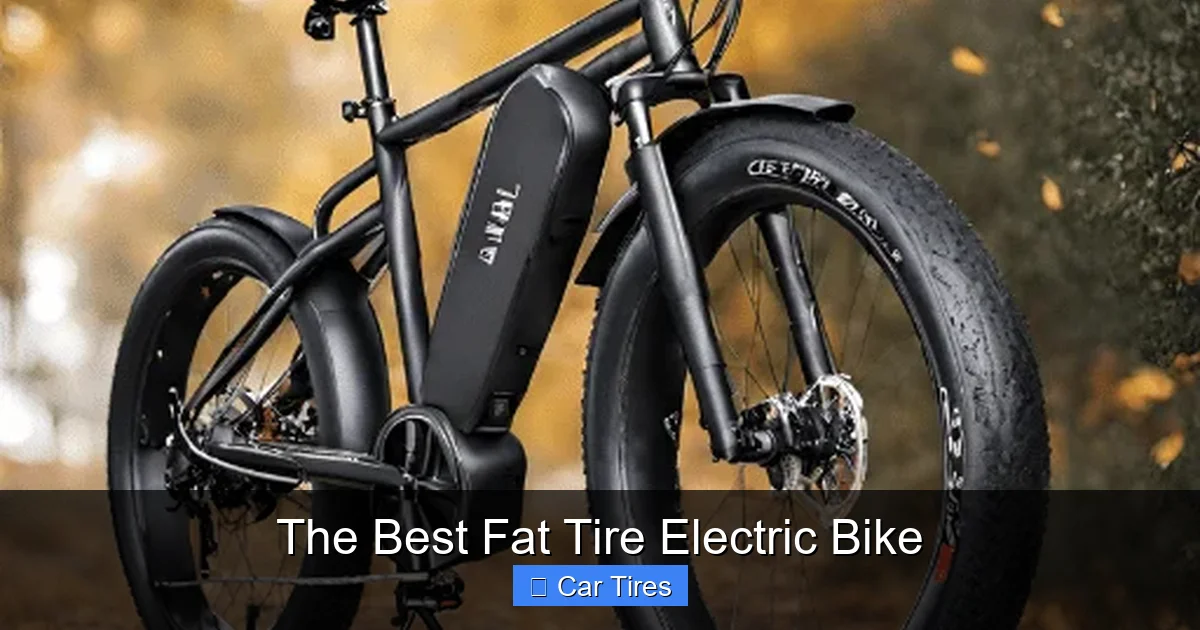
The best fat tire electric bike combines power, stability, and versatility for riders tackling sand, snow, mud, or city streets. With robust motors, long-lasting batteries, and ultra-wide tires, these e-bikes deliver unmatched performance and comfort on any terrain.
In This Article
- 1 Key Takeaways
- 2 📑 Table of Contents
- 3 What Makes a Fat Tire Electric Bike the Best?
- 4 Why Choose a Fat Tire Electric Bike?
- 5 Key Features of the Best Fat Tire Electric Bikes
- 6 Top Fat Tire Electric Bikes on the Market
- 7 How to Choose the Right Fat Tire Electric Bike
- 8 Maintenance Tips for Long-Lasting Performance
- 9 The Future of Fat Tire Electric Bikes
- 10 Conclusion
- 11 Frequently Asked Questions
- 11.1 What is a fat tire electric bike?
- 11.2 How far can a fat tire electric bike go on one charge?
- 11.3 Are fat tire electric bikes good for commuting?
- 11.4 Can fat tire electric bikes be ridden in the snow?
- 11.5 Do fat tire electric bikes require special maintenance?
- 11.6 Are fat tire electric bikes heavy?
Key Takeaways
- Superior Traction and Stability: Fat tires (3.8” to 5” wide) provide excellent grip on loose or uneven surfaces like sand, snow, and gravel, making them ideal for off-road adventures.
- Powerful Motor Options: Most top models feature 500W to 1000W motors, enabling speeds up to 20–28 mph and strong hill-climbing ability.
- Long-Range Battery Life: High-capacity lithium-ion batteries (48V, 10–20Ah) offer 40–100+ miles per charge, depending on terrain and assist level.
- All-Terrain Versatility: These e-bikes excel on beaches, mountain trails, snowy paths, and urban commutes, giving riders unmatched flexibility.
- Enhanced Comfort and Control: Suspension forks, ergonomic seating, and responsive brakes ensure a smooth, safe ride even on bumpy terrain.
- Durable Build Quality: Rugged frames made from aluminum or steel withstand harsh conditions and heavy use over time.
- Growing Popularity and Innovation: Advances in battery tech, smart displays, and integrated lighting make modern fat tire e-bikes smarter and more user-friendly than ever.
📑 Table of Contents
- What Makes a Fat Tire Electric Bike the Best?
- Why Choose a Fat Tire Electric Bike?
- Key Features of the Best Fat Tire Electric Bikes
- Top Fat Tire Electric Bikes on the Market
- How to Choose the Right Fat Tire Electric Bike
- Maintenance Tips for Long-Lasting Performance
- The Future of Fat Tire Electric Bikes
- Conclusion
What Makes a Fat Tire Electric Bike the Best?
If you’re looking for an electric bike that can handle just about anything you throw at it, the best fat tire electric bike might be your perfect match. These rugged machines are built for adventure, combining the power of an electric motor with the stability of super-wide tires. Whether you’re cruising down a sandy beach, powering through snow-covered trails, or navigating rocky mountain paths, a fat tire e-bike gives you confidence and control.
Unlike standard e-bikes with narrow tires, fat tire models use tires that are typically 3.8 to 5 inches wide. This extra width increases the tire’s contact with the ground, providing incredible traction and balance. Add in a powerful motor and a long-lasting battery, and you’ve got a vehicle that’s not just fun to ride—it’s also incredibly practical for off-road exploration, daily commuting, or weekend getaways.
But not all fat tire electric bikes are created equal. The best ones stand out thanks to thoughtful design, reliable components, and real-world performance. In this guide, we’ll break down what makes these bikes special, how to choose the right one, and which models currently lead the pack. Whether you’re a seasoned rider or new to the e-bike world, you’ll find everything you need to make an informed decision.
Why Choose a Fat Tire Electric Bike?
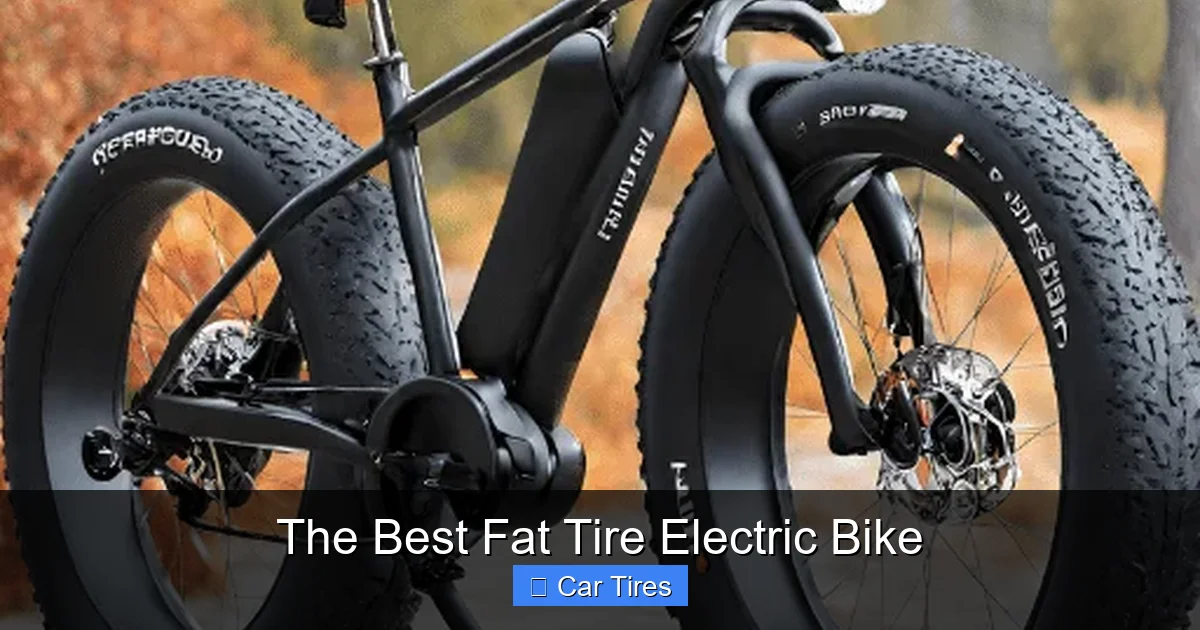
Visual guide about The Best Fat Tire Electric Bike
Image source: bglbike.com
So, why should you consider a fat tire electric bike over a regular e-bike or even a traditional mountain bike? The answer lies in versatility, comfort, and performance. These bikes are engineered to tackle conditions that would leave other bikes struggling or stuck.
One of the biggest advantages is their ability to ride on soft or unstable surfaces. Think about walking on sand—it’s exhausting because your feet sink in. Now imagine riding a regular bike on sand. It’s nearly impossible without sinking or losing control. But a fat tire e-bike spreads its weight over a much larger surface area, allowing it to “float” on top of sand, snow, or mud. This makes them ideal for beach rides, winter trails, or muddy forest paths.
Another major benefit is comfort. The wide tires act like natural shock absorbers, soaking up bumps and vibrations from rough terrain. You’ll feel less jarring on rocky trails or pothole-ridden roads, which means longer, more enjoyable rides. Plus, the added stability reduces fatigue, especially on long journeys.
Let’s not forget the electric assist. With a motor helping you along, you can cover more ground with less effort. Whether you’re climbing a steep hill or riding against a strong headwind, the motor gives you that extra push. And with modern batteries offering 40 to 100+ miles of range, you can go farther than ever before.
Real-World Examples of Fat Tire E-Bike Use
Imagine this: It’s a crisp winter morning, and the snow is fresh and deep. You grab your fat tire e-bike, slip on your gloves, and head out. While others are stuck indoors, you’re gliding smoothly over the snow-covered trail, the wide tires gripping the surface with ease. The motor helps you power up hills without breaking a sweat, and the battery still has plenty of juice left for the return trip.
Or picture a summer afternoon at the beach. You ride your e-bike along the shoreline, the tires rolling effortlessly over wet sand. Kids wave as you pass, and you stop to take in the sunset—no need to worry about getting stuck or walking back. These aren’t just fantasy scenarios; they’re real experiences had by thousands of fat tire e-bike owners.
Even in urban settings, these bikes shine. Potholes, gravel shoulders, and uneven sidewalks are no match for the cushioned ride of fat tires. Commuters love them for their reliability and comfort, especially on longer rides. And with integrated lights, fenders, and racks, many models are ready for daily use right out of the box.
Key Features of the Best Fat Tire Electric Bikes
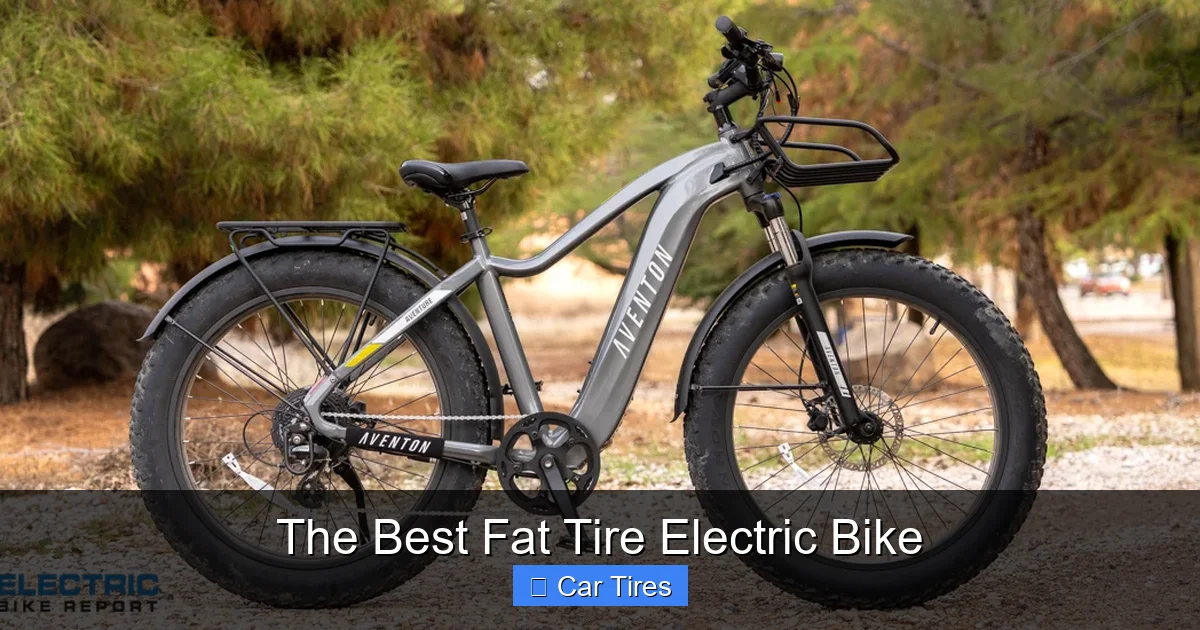
Visual guide about The Best Fat Tire Electric Bike
Image source: electricbikereport.com
When shopping for the best fat tire electric bike, it’s important to know what to look for. Not every model is built the same, and some features make a huge difference in performance and longevity. Here are the key components that define a top-tier fat tire e-bike.
Motor Power and Performance
The motor is the heart of any electric bike. For fat tire models, you’ll typically find motors ranging from 500W to 1000W. A 500W motor is great for flat terrain and moderate hills, while a 750W or 1000W motor delivers serious power for steep climbs and heavy loads.
Look for a motor that offers smooth, consistent power delivery. Hub motors (located in the wheel) are common and reliable, while mid-drive motors (mounted near the pedals) offer better weight distribution and efficiency, especially on hills. Some of the best fat tire e-bikes use mid-drive systems for superior performance.
Also consider whether the motor is pedal-assist only or includes a throttle. A throttle lets you ride without pedaling, which is great for starting from a stop or tackling tough terrain. Many riders prefer having both options for maximum flexibility.
Battery Capacity and Range
Battery life is crucial, especially if you plan to ride long distances or explore remote areas. Most high-quality fat tire e-bikes use 48V lithium-ion batteries with capacities between 10Ah and 20Ah. A 48V 13Ah battery, for example, can deliver around 40–60 miles on a single charge, depending on terrain, rider weight, and assist level.
Higher capacity batteries (like 48V 17.5Ah or 20Ah) can push that range to 70–100+ miles. That’s enough for a full day of adventure without needing to recharge. Look for removable batteries so you can swap in a fresh one or charge it indoors.
Also check the charging time. Most batteries take 4–6 hours to fully charge, but some fast-charging models can reach 80% in under 3 hours. This is a big plus if you’re planning back-to-back rides.
Tire Size and Tread Design
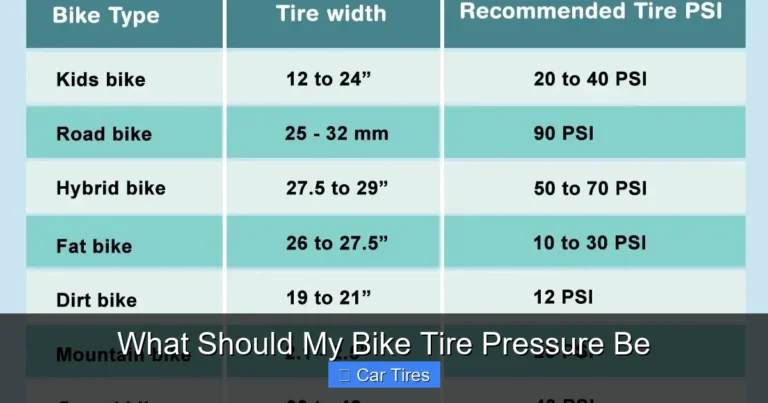
Fat tires are the defining feature of these bikes, and their size and tread matter a lot. Most fat tire e-bikes use 20”, 24”, or 26” wheels with widths from 3.8” to 5”. Wider tires (4.5” and up) offer better flotation on soft surfaces but may feel slower on pavement.
Tread pattern is equally important. Knobby, aggressive treads are best for off-road use—think mud, snow, or loose gravel. Smoother or semi-slick treads are better for city riding and hard-packed trails. Some bikes come with dual-purpose tires that balance grip and efficiency.
Tire pressure also plays a role. Lower pressure (around 5–15 PSI) increases traction and comfort on rough terrain, while higher pressure (15–20 PSI) improves speed and efficiency on pavement. Many riders adjust pressure based on the day’s conditions.
Frame and Build Quality
A strong, durable frame is essential for handling the extra weight and stress of fat tires and electric components. Most top models use lightweight aluminum alloy frames, which offer a good balance of strength and weight. Some heavy-duty models use steel frames for added durability, though they’re heavier.
Look for features like internal cable routing (to protect wires from dirt and damage), reinforced dropouts (for stronger wheel attachment), and a low standover height (for easier mounting and dismounting). A well-designed frame not only lasts longer but also improves handling and comfort.
Suspension and Braking Systems
Even with fat tires absorbing some shock, a front suspension fork can make a big difference on bumpy trails. Look for forks with 80–120mm of travel and adjustable preload or lockout features. Some premium models include rear suspension for even greater comfort.
Brakes are another critical safety feature. Mechanical disc brakes are common and reliable, but hydraulic disc brakes offer superior stopping power and modulation, especially in wet or muddy conditions. For the best fat tire electric bike, hydraulic brakes are highly recommended.
Additional Features and Accessories
Modern fat tire e-bikes often come with extras that enhance usability. Integrated LED lights (front and rear) improve visibility and safety. Fenders keep mud and water off you and the bike. Rear racks let you carry gear, groceries, or camping equipment.
Some models include color displays that show speed, battery level, distance, and assist mode. Others have smartphone connectivity, GPS tracking, or anti-theft alarms. These smart features add convenience and peace of mind.
Top Fat Tire Electric Bikes on the Market
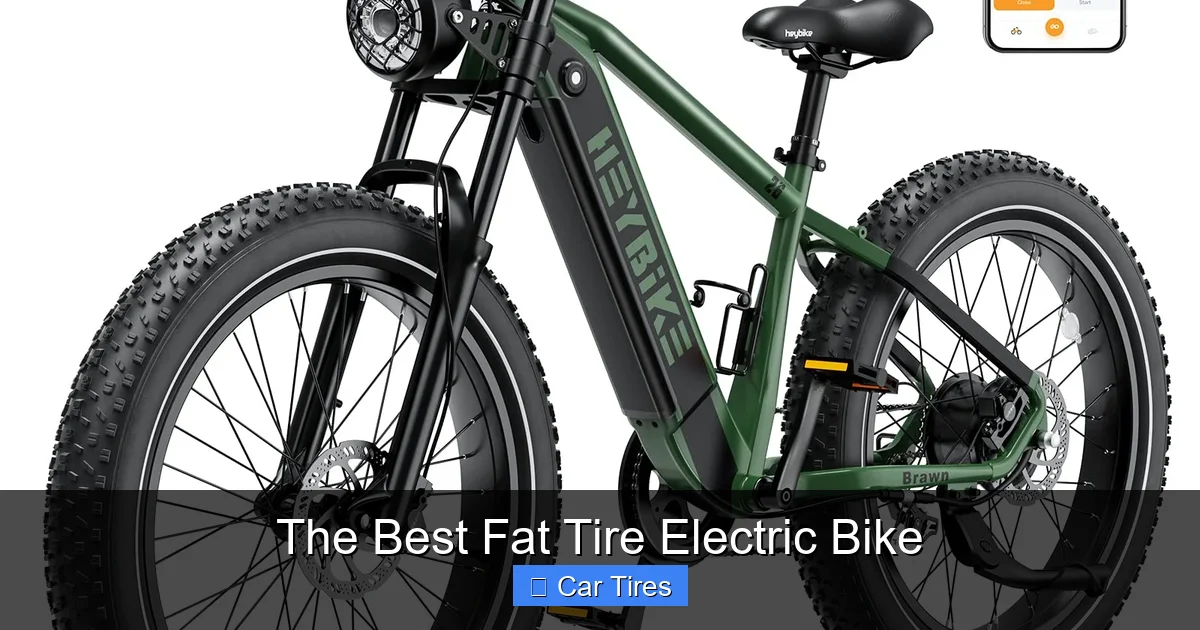
Visual guide about The Best Fat Tire Electric Bike
Image source: m.media-amazon.com
Now that you know what to look for, let’s explore some of the best fat tire electric bikes available today. These models have earned praise for their performance, build quality, and value.
RadRover 6 Plus – Best Overall
The Rad Power Bikes RadRover 6 Plus is a fan favorite and often considered the best fat tire electric bike for most riders. It features a 750W geared hub motor, a 48V 14Ah battery (up to 60 miles of range), and 26” x 4” puncture-resistant tires. The semi-integrated battery is removable and charges in about 6 hours.
With a step-through frame option, hydraulic disc brakes, and a 7-speed Shimano drivetrain, it’s built for comfort and control. The included rear rack, fenders, and integrated lights make it ready for commuting or weekend adventures. Priced under $2,000, it offers incredible value.
Juiced RipCurrent S – Best for Speed and Range
If you want speed and long-range capability, the Juiced RipCurrent S is hard to beat. It boasts a powerful 1000W motor and a massive 48V 20Ah battery, delivering up to 100 miles of range. The 26” x 4” tires and front suspension handle rough terrain with ease.
This bike can reach speeds up to 28 mph (with pedal assist) and includes a color display, USB charging port, and hydraulic brakes. It’s ideal for riders who want to cover long distances quickly and confidently.
QuietKat Ranger – Best for Off-Road and Hunting
Designed for serious off-road use, the QuietKat Ranger is a rugged fat tire e-bike built for hunters, campers, and outdoor enthusiasts. It features a 1000W mid-drive motor, 26” x 4” tires, and a heavy-duty aluminum frame. The bike can carry up to 325 pounds, including gear.
With optional add-ons like a cargo trailer, gun mount, or solar charger, it’s perfect for remote adventures. The Ranger excels in snow, mud, and steep terrain, making it a top choice for those who need a workhorse e-bike.
Aventon Aventure – Best Value
The Aventon Aventure offers premium features at a competitive price. It includes a 750W motor, 48V 15Ah battery (up to 80 miles of range), and 26” x 4” tires. The step-through frame, hydraulic brakes, and color display add to its appeal.
With a sleek design and smooth ride, it’s great for both city commuting and light off-road use. At under $2,000, it’s one of the best fat tire electric bikes for budget-conscious buyers.
Heybike Mars – Best Compact Option
For riders who want portability, the Heybike Mars folds down for easy storage and transport. It features a 750W motor, 48V 12.5Ah battery (up to 50 miles of range), and 20” x 4” tires. Despite its compact size, it handles sand, snow, and trails with confidence.
The foldable design makes it perfect for apartment dwellers or those who travel with their bike. It includes a rear rack, fenders, and LED lights, all for under $1,500.
How to Choose the Right Fat Tire Electric Bike
With so many great options, how do you pick the best fat tire electric bike for your needs? Start by asking yourself a few key questions.
What Will You Use It For?
Are you planning to ride on beaches, snowy trails, or city streets? Your primary use will influence your choice. For beach and snow riding, prioritize wide tires (4.5”+) and a powerful motor. For commuting, look for integrated lights, fenders, and a comfortable frame.
How Far Do You Want to Ride?
If you plan long rides, choose a bike with a high-capacity battery (15Ah or more). For shorter trips, a 10–12Ah battery may be sufficient. Consider whether you’ll have access to charging along your route.
What’s Your Budget?
Fat tire e-bikes range from under $1,500 to over $4,000. Set a budget and look for the best value within that range. Remember, higher price often means better components, longer range, and more features.
Do You Need Portability?
If you live in a small space or travel often, a foldable model like the Heybike Mars might be ideal. Otherwise, a full-size bike offers better stability and performance.
Test Ride When Possible
Whenever possible, test ride different models. Pay attention to comfort, handling, and how the motor responds. A bike that feels good to ride will get used more often.
Maintenance Tips for Long-Lasting Performance
To keep your fat tire electric bike in top shape, regular maintenance is key. Here are some simple tips to extend its life and performance.
Keep Tires Properly Inflated
Check tire pressure before every ride. Use a pressure gauge and adjust based on terrain. Lower pressure for soft surfaces, higher for pavement. Overinflated tires can burst; underinflated ones wear faster.
Clean After Off-Road Rides
Mud, sand, and salt can damage components. Rinse your bike with water after riding in harsh conditions. Avoid high-pressure washers near bearings and electronics.
Lubricate the Chain Regularly
A clean, lubricated chain improves efficiency and reduces wear. Use bike-specific lubricant and wipe off excess to prevent dirt buildup.
Check Brakes and Cables
Inspect brake pads for wear and ensure cables are tight. Hydraulic brakes may need occasional bleeding—consult a professional if needed.
Store the Battery Properly
Don’t leave the battery fully charged or fully drained for long periods. Store it at around 50% charge in a cool, dry place. Avoid extreme temperatures.
Get Professional Tune-Ups
Once a year, take your bike to a certified e-bike shop for a full inspection. They can check the motor, battery, and drivetrain for hidden issues.
The Future of Fat Tire Electric Bikes
The best fat tire electric bikes are only getting better. As battery technology improves, we’re seeing longer ranges, faster charging, and lighter packs. Motors are becoming more efficient and quieter, and frames are getting stronger yet lighter.
Smart features are also on the rise. Expect more bikes with GPS tracking, app integration, and adaptive lighting. Some models may even include regenerative braking, which recaptures energy during deceleration.
Sustainability is another growing focus. Brands are using recycled materials, offering battery recycling programs, and designing bikes for easier repair and upgrades. This not only helps the environment but also saves riders money in the long run.
As more people discover the joy of fat tire e-bikes, demand will continue to grow. This means more innovation, better pricing, and a wider selection for consumers. Whether you’re a weekend warrior, a daily commuter, or an outdoor explorer, the future of fat tire electric bikes looks bright.
Conclusion
The best fat tire electric bike is more than just a mode of transportation—it’s a gateway to adventure. With their unmatched traction, powerful motors, and all-terrain capability, these bikes open up new possibilities for riders of all levels. Whether you’re exploring remote trails, commuting through the city, or simply enjoying a weekend ride, a fat tire e-bike delivers performance, comfort, and fun.
When choosing your bike, focus on motor power, battery life, tire size, and build quality. Consider your riding style, budget, and intended use. And don’t forget to maintain your bike regularly to keep it running smoothly for years to come.
With so many excellent models on the market, there’s never been a better time to go electric. So why wait? Find the best fat tire electric bike for you, hit the trails, and experience the freedom of riding on any surface, in any season.
Frequently Asked Questions
What is a fat tire electric bike?
A fat tire electric bike is an e-bike equipped with extra-wide tires (typically 3.8” to 5”) that provide superior traction and stability on soft or uneven terrain like sand, snow, and mud. It combines the benefits of electric assist with the ruggedness of fat tires for all-terrain riding.
How far can a fat tire electric bike go on one charge?
Most fat tire e-bikes offer a range of 40 to 100+ miles per charge, depending on battery capacity, terrain, rider weight, and assist level. Higher-end models with 48V 17.5Ah or 20Ah batteries can achieve the upper end of this range.
Are fat tire electric bikes good for commuting?
Yes, many fat tire e-bikes are excellent for commuting. They handle potholes, gravel, and wet roads with ease, and often come with lights, fenders, and racks. Their stability and comfort make them a great choice for daily urban riding.
Can fat tire electric bikes be ridden in the snow?
Absolutely. The wide tires provide excellent flotation on snow, and the electric motor helps with traction and hill climbing. Many riders use fat tire e-bikes for winter adventures, especially with proper tire pressure and winter-specific treads.
Do fat tire electric bikes require special maintenance?
They require standard e-bike maintenance, with a few extras. Check tire pressure regularly, clean after off-road rides, and inspect brakes and drivetrain. The battery should be stored properly and charged as needed to maintain longevity.
Are fat tire electric bikes heavy?
Yes, they are generally heavier than standard e-bikes due to the wide tires, robust frame, and powerful motor. Most weigh between 60 and 80 pounds. However, the electric assist makes them easy to ride, even with the extra weight.