Should I Sell My Classic Car

Contents
- 1 Key Takeaways
- 2 📑 Table of Contents
- 3 Should I Sell My Classic Car? A Honest Look at What You Need to Know
- 4 Understanding the Current Classic Car Market
- 5 Financial Considerations: Is It Worth Selling Now?
- 6 Emotional and Lifestyle Factors
- 7 Alternatives to Selling Your Classic Car
- 8 How to Prepare Your Classic Car for Sale
- 9 Final Decision: To Sell or Not to Sell?
- 10 Frequently Asked Questions



Deciding whether to sell your classic car involves more than just nostalgia—it’s a financial, emotional, and practical choice. This guide walks you through market trends, maintenance costs, and personal considerations to help you make an informed decision.
Key Takeaways
- Market demand fluctuates: Classic car values rise and fall based on trends, rarity, and economic conditions—timing your sale matters.
- Maintenance costs add up: Older vehicles often require specialized parts and labor, which can become expensive over time.
- Emotional value vs. financial gain: Weigh how much the car means to you against what you could earn by selling it.
- Documentation increases value: Original manuals, service records, and provenance can significantly boost resale price.
- Storage and insurance matter: Long-term ownership includes ongoing expenses that may outweigh sentimental benefits.
- Alternative options exist: You don’t have to sell outright—consider leasing, sharing, or consignment.
- Professional appraisal is essential: Get an expert valuation before listing to avoid undervaluing or overpricing your classic.
📑 Table of Contents
- Should I Sell My Classic Car? A Honest Look at What You Need to Know
- Understanding the Current Classic Car Market
- Financial Considerations: Is It Worth Selling Now?
- Emotional and Lifestyle Factors
- Alternatives to Selling Your Classic Car
- How to Prepare Your Classic Car for Sale
- Final Decision: To Sell or Not to Sell?
Should I Sell My Classic Car? A Honest Look at What You Need to Know
Owning a classic car is like holding a piece of automotive history in your garage. Whether it’s a 1967 Mustang, a 1970 Chevelle SS, or a vintage European roadster, these vehicles carry stories, memories, and a unique charm that modern cars simply can’t replicate. But as time passes, many owners find themselves asking the same question: Should I sell my classic car?
This isn’t just a financial decision—it’s deeply personal. For some, the car is a family heirloom passed down through generations. For others, it’s a passion project they’ve restored with blood, sweat, and countless weekends in the garage. Yet, reality often intrudes: rising maintenance costs, limited driving opportunities, changing lifestyles, or even financial pressures can make ownership feel more like a burden than a joy. So how do you know if it’s time to let go?
In this guide, we’ll walk you through every angle of the decision-making process. From understanding current market trends to evaluating your emotional attachment, we’ll help you assess whether selling your classic car makes sense for you—right now. We’ll also explore alternatives to outright sale, so you don’t feel pressured into a choice you might regret later. By the end, you’ll have a clear framework to decide what’s best for you, your wallet, and your beloved ride.
Understanding the Current Classic Car Market
The classic car market is anything but static. Unlike stocks or real estate, where prices follow relatively predictable patterns, collectible vehicles are influenced by a mix of nostalgia, pop culture, generational shifts, and economic forces. Knowing where the market stands today is crucial before deciding whether to sell your classic car.
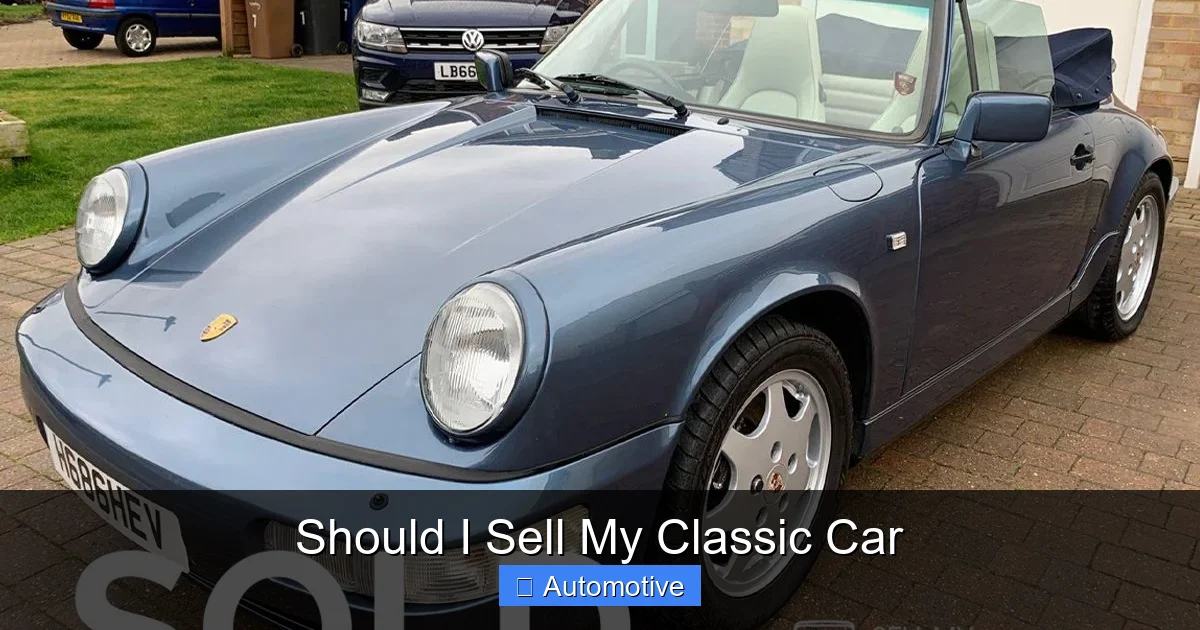
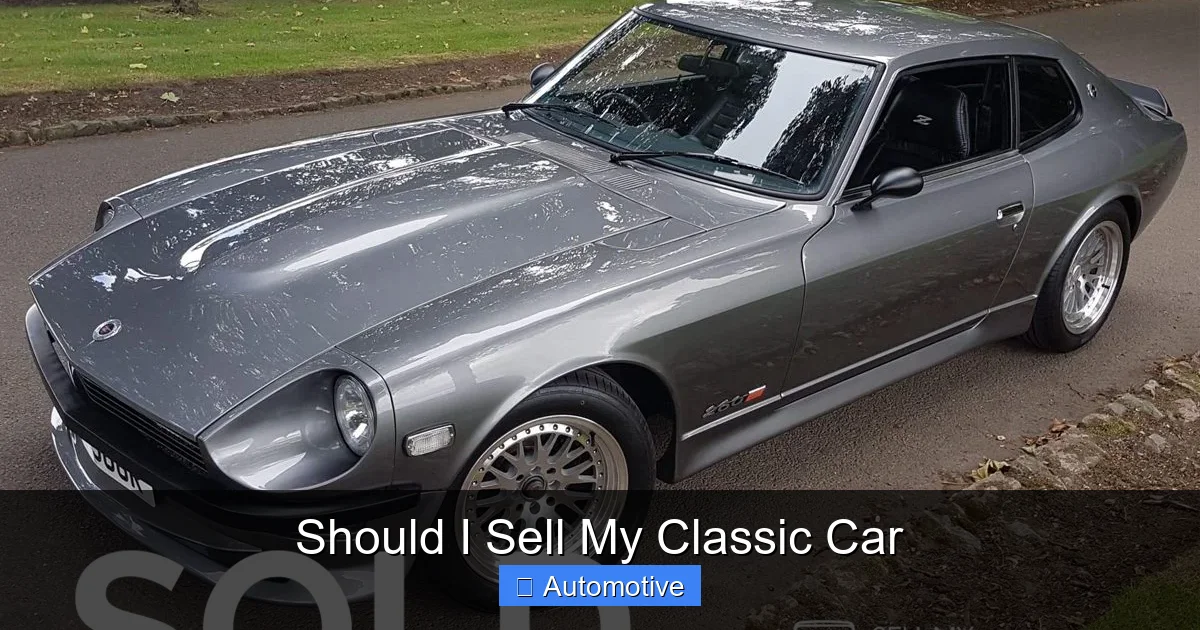
Visual guide about Should I Sell My Classic Car
Image source: sellmyclassic.co.uk
Market Trends in 2024 and Beyond
As of 2024, the classic car market has shown signs of cooling after a pandemic-driven boom. During 2020–2022, low interest rates, increased disposable income, and a surge in hobbyist activity pushed prices for many classics to all-time highs. However, rising inflation, higher borrowing costs, and economic uncertainty have since tempered demand. According to Hagerty, a leading classic car insurer and valuation service, average values for many mid-tier classics (think 1970s American muscle or 1980s Japanese sports cars) have dipped slightly compared to their 2022 peaks.
That said, certain segments remain strong. Pre-1970 American muscle cars, especially rare models like the Shelby GT500 or Hemi ‘Cuda, continue to hold value well. Similarly, European classics from brands like Porsche, Jaguar, and Mercedes-Benz—particularly those with racing pedigrees or limited production runs—are still highly sought after. On the flip side, “driver-quality” or project cars (those needing restoration) have seen softer demand, as fewer buyers are willing to take on major mechanical work.
What Drives Classic Car Values?
Several factors influence how much your classic car is worth—and whether now is a good time to sell:
- Rarity: Limited-production models or those with unique factory options command premium prices. For example, a 1969 Dodge Charger R/T with a 426 Hemi is far more valuable than a standard version.
- Condition: Originality matters. Cars with matching numbers (original engine, transmission, etc.), factory paint, and unrestored interiors often fetch top dollar. Restored cars can also sell well—but only if the work was done professionally and documented.
- Provenance: Ownership history adds value. Was your car previously owned by a celebrity? Did it appear in a movie? These stories can significantly boost appeal.
- Pop Culture Influence: Movies, TV shows, and social media trends can spike interest overnight. The resurgence of interest in 1980s cars thanks to shows like Stranger Things has lifted values for models like the DeLorean and Pontiac Firebird.
- Economic Conditions: In uncertain times, luxury and hobby assets like classic cars often see reduced demand as buyers prioritize essentials.
Understanding these dynamics helps you gauge whether your car is in a “seller’s market” or if you might be better off waiting. If your vehicle fits into a currently hot category—like air-cooled Porsches or first-gen Ford Broncos—you may want to act soon. But if it’s a common model in average condition, patience could pay off.
Financial Considerations: Is It Worth Selling Now?
Money talks—even when emotions are involved. Before deciding to sell your classic car, take a hard look at the numbers. Ownership isn’t free, and the cost of keeping your car might outweigh its sentimental value.

Visual guide about Should I Sell My Classic Car
Image source: sellmyclassic.co.uk
Calculating True Ownership Costs
Many classic car owners underestimate how much their vehicle actually costs them each year. Beyond the initial purchase or restoration expense, ongoing costs include:
- Insurance: While classic car insurance is often cheaper than standard auto insurance, it’s not free. Premiums vary based on value, usage, and storage conditions.
- Storage: If you don’t have a garage at home, you may be paying for a storage unit—sometimes $100–$300/month or more in urban areas.
- Maintenance and Repairs: Older cars need more attention. Carburetors clog, rubber hoses degrade, and electrical systems fail. Specialty parts can be costly and hard to find. A simple brake job on a 1960s car might cost twice as much as on a modern vehicle due to labor complexity.
- Fuel and Registration: Even if you drive sparingly, registration fees, emissions testing (where required), and occasional fuel add up.
- Depreciation (or Appreciation): Some classics appreciate, but many plateau or even decline in value over time—especially if they’re not rare or well-maintained.
Let’s say you spend $2,000 annually on insurance, storage, and upkeep. Over five years, that’s $10,000—money that could have been invested elsewhere. If your car hasn’t appreciated by at least that amount, you’re effectively losing money by holding onto it.
Potential Sale Proceeds vs. Opportunity Cost
Now consider what you could get if you sold your classic car today. Use reputable valuation tools like Hagerty Price Guide, NADA Guides, or Classic.com to estimate its market value. Then subtract selling costs—such as auction fees (typically 5–10%), detailing, photography, and listing fees—to determine your net proceeds.
Next, ask: What could I do with that money? Could it pay off high-interest debt? Fund a dream vacation? Invest in a diversified portfolio that earns 7–10% annually? The opportunity cost of keeping the car—instead of liquidating and reinvesting—is real.
For example, imagine your 1968 Camaro is worth $45,000. After fees, you net $40,000. If you invested that at a conservative 6% return, you’d earn $2,400 per year passively—more than enough to cover the annual costs of owning another, less expensive classic… or enjoy guilt-free weekends without worrying about garage space.
Emotional and Lifestyle Factors
Let’s be honest: classic cars aren’t just machines. They’re extensions of our identity, sources of pride, and sometimes even therapy. Ignoring the emotional side of ownership would be a mistake.
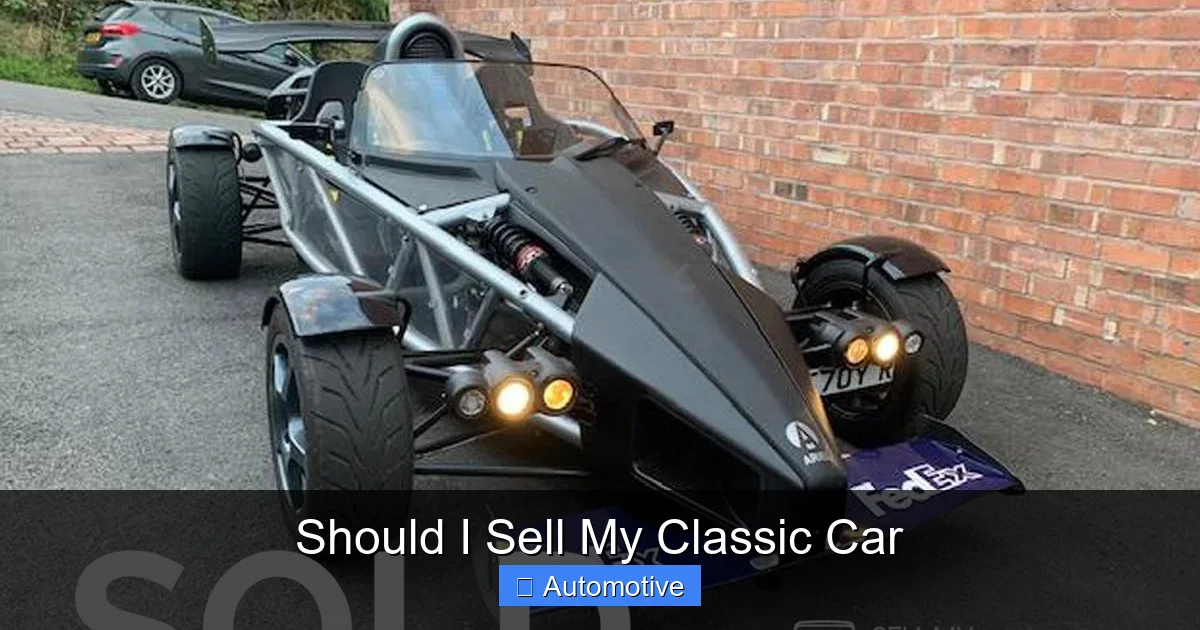
Visual guide about Should I Sell My Classic Car
Image source: sellmyclassic.co.uk
The Joy of Ownership vs. The Burden of Maintenance
For many, driving a classic car is a transcendent experience. The rumble of a V8, the feel of a manual steering wheel, the admiring glances at car shows—these moments create lasting memories. If your car brings you genuine happiness and you still enjoy taking it out regularly, that’s a strong argument for keeping it.
But ask yourself: Do you actually drive it? Or has it become a museum piece? Many owners admit their classic sits unused for months—or even years—due to fear of damage, lack of time, or unreliable mechanics. If the car is mostly for show, its utility diminishes significantly.
Also consider your lifestyle. Are you retiring and downsizing? Moving to a smaller home without garage space? Starting a family? These life changes can make classic car ownership impractical. A growing family might need a reliable SUV more than a two-seater convertible.
Nostalgia and Legacy
Some cars carry deep family significance. Maybe your dad taught you to drive in it. Maybe it was your first car. Letting go can feel like losing a part of your past. That’s valid—and worth honoring.
But remember: preserving legacy doesn’t always mean keeping the physical object. You could sell the car and use part of the proceeds to create a memory book, fund a scholarship in your dad’s name, or donate to a car museum. Alternatively, pass it down to a younger family member who shares your passion. Sometimes, the best way to honor a classic is to ensure it’s loved and driven—not just stored.
Alternatives to Selling Your Classic Car
If you’re torn between keeping your car and needing the cash, there are middle-ground options that let you retain ownership while easing financial or logistical pressures.
Consignment and Broker Services
Instead of selling outright, consider consigning your car through a reputable classic car dealer or broker. They handle marketing, showings, negotiations, and paperwork—for a commission (usually 5–10%). This reduces your workload while potentially fetching a higher price than a private sale.
Brokers often have access to serious collectors and international buyers, expanding your market reach. Just be sure to choose a transparent, well-reviewed service with a track record in your car’s segment.
Fractional Ownership or Car Sharing
New platforms allow multiple people to co-own a classic car, sharing costs and driving time. This works well for expensive or rarely used vehicles. Each owner gets scheduled access, and expenses are split proportionally.
Similarly, some owners rent out their classics through peer-to-peer platforms (with proper insurance). While risky, it can generate income to offset ownership costs—especially if your car is photogenic or featured in media.
Long-Term Storage with Future Plans
If you’re not ready to sell but can’t justify current expenses, consider professional long-term storage. Many facilities offer climate-controlled units with security, maintenance checks, and even periodic starts to keep the engine healthy. This preserves the car for future use—perhaps when you retire or your kids develop an interest.
Just remember: stored cars still depreciate and may require reconditioning before sale or driving. Factor in storage fees and potential reconditioning costs when evaluating this option.
How to Prepare Your Classic Car for Sale
If you’ve decided to sell, preparation is key to maximizing value and minimizing stress. A well-presented car sells faster and for more money.
Documentation and Provenance
Gather all records: original window sticker, owner’s manual, service receipts, restoration photos, and any historical documents. Create a binder or digital folder to present to buyers. Provenance dramatically increases trust and value.
Professional Detailing and Photography
First impressions matter. Hire a detailer experienced with classics—they’ll know how to clean without damaging original finishes. Then, invest in professional photos: exterior, interior, engine bay, undercarriage, and close-ups of unique features. Natural light and clean backgrounds work best.
Mechanical Inspection
Even if the car runs well, a pre-sale inspection by a specialist builds buyer confidence. Address minor issues (e.g., fluid leaks, worn belts) before listing. A clean bill of health justifies a higher asking price.
Choosing the Right Sales Channel
Options include:
- Auctions: Great for rare or high-value cars. Mecum, Barrett-Jackson, and RM Sotheby’s attract serious buyers—but fees are high.
- Online Marketplaces: Bring a Trailer, Hemmings, and ClassicCars.com offer wide exposure. You control pricing and negotiation.
- Private Sale: Potentially highest net return, but requires more effort in marketing and vetting buyers.
Match your car’s profile to the right platform. A pristine, rare model belongs at auction. A driver-quality cruiser may do better on a niche forum or local classifieds.
Final Decision: To Sell or Not to Sell?
There’s no universal answer to “Should I sell my classic car?”—only the right answer for you, based on your finances, lifestyle, and emotional connection.
Ask yourself these final questions:
- Do I still enjoy driving this car regularly?
- Are the annual costs manageable within my budget?
- Is the car appreciating, stable, or declining in value?
- Would selling free up resources for something more important to me right now?
- Am I holding on out of love—or out of guilt or fear of regret?
If the balance tips toward financial strain, lack of use, or shifting priorities, selling may be the wise choice. But if the car still brings you joy, fits your life, and holds its value, keep it—and cherish every mile.
Remember: a classic car is more than metal and rubber. It’s a story. And whether you keep writing that story or pass it on to someone else, what matters most is that it’s told with honesty, care, and respect for the journey it represents.
Frequently Asked Questions
How do I determine the value of my classic car?
Use trusted valuation guides like Hagerty, NADA, or Classic.com. Compare similar models sold recently, and consider getting a professional appraisal—especially for rare or high-value vehicles.
Is now a good time to sell my classic car?
It depends on your car’s make, model, condition, and market trends. While the peak of the pandemic boom has passed, certain classics still command strong prices. Research your specific segment before deciding.
Can I sell my classic car if it needs repairs?
Yes, but expect a lower price. Buyers factor in restoration costs. Be transparent about issues in your listing to avoid disputes later.
What paperwork do I need to sell a classic car?
You’ll need the title (signed over), bill of sale, and any maintenance or restoration records. Some states require emissions or safety inspections, even for classics.
Should I restore my classic car before selling?
Only if the cost of restoration is less than the potential increase in sale price. For most driver-quality cars, minor cosmetic fixes yield better ROI than full restorations.
How can I avoid scams when selling my classic car?
Meet buyers in person, use secure payment methods (cash or cashier’s check), and never release the car before payment clears. Avoid wire transfers or checks from unknown sources.