
Pulsar 150 Disc Brake Oil Price: What’s It Cost?

The average Pulsar 150 disc brake oil price ranges from $5 to $15 for a liter, with variations based on brand, location, and type of oil. Choosing the right oil ensures optimal brake performance and safety.
Key Takeaways
- Understand Pulsar 150 disc brake oil costs.
- Compare oil types for your bike.
- Find the best prices for quality oil.
- Learn about factors affecting oil cost.
- Ensure safe braking with proper fluid.
Your Bajaj Pulsar 150 is a fantastic ride, known for its performance and reliability. But like any machine, it needs regular upkeep to keep running smoothly and safely. One crucial, yet often overlooked, aspect of maintenance is the disc brake oil. You might wonder, “What’s the Pulsar 150 disc brake oil price?” Knowing this helps you budget for essential service and ensures your brakes perform at their best. This guide will break down the costs, explain what influences them, and help you make informed decisions to keep your ride safe and thrilling.
Understanding Your Pulsar 150’s Brake System
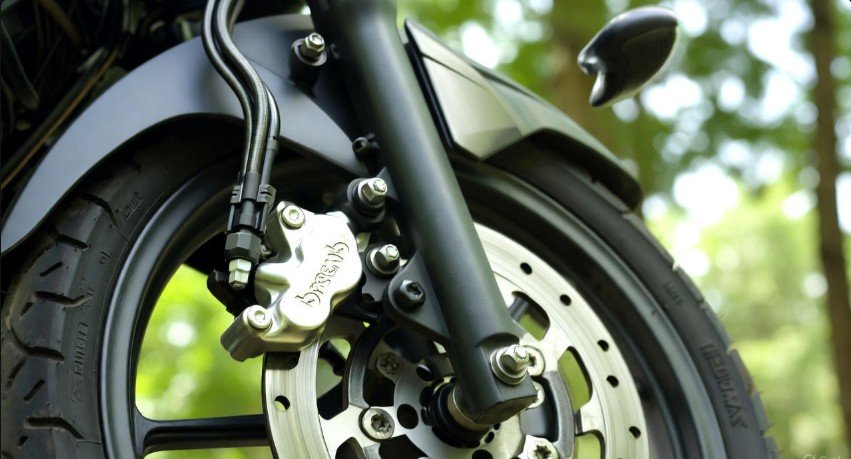
Before diving into the price of the brake oil, it’s helpful to understand why it’s so important for your Pulsar 150’s disc brakes. Disc brakes work by using a hydraulic system. When you squeeze the brake lever, you push a piston that forces brake fluid through a hose to the brake caliper. The caliper then presses brake pads against the disc (rotor), slowing or stopping the wheel. This entire process relies on the brake fluid being able to transmit pressure quickly and efficiently. The quality and type of brake fluid directly impact this ability.
The Pulsar 150 typically uses DOT 3 or DOT 4 brake fluid. These fluids are glycol-based and designed to withstand the high temperatures generated during braking without boiling. If the fluid boils, it creates air bubbles, which are compressible. This leads to a spongy brake lever and significantly reduced braking power – a dangerous situation. Regular replacement of brake fluid is essential to prevent contamination from moisture and debris, which can degrade brake performance and damage brake system components.
Pulsar 150 Disc Brake Oil Price: What to Expect
The cost of brake fluid for your Pulsar 150 can vary. Generally, you can expect to pay anywhere from $5 to $15 for a one-liter bottle. This price range is influenced by several factors, which we’ll explore in detail shortly. It’s important to remember that you won’t need a full liter for a single brake fluid change; usually, around 250-300 ml is sufficient for the front and rear brakes combined. However, buying a one-liter bottle is often more economical and convenient if you plan to do regular maintenance or have multiple bikes.
When you consider the Pulsar 150 disc brake oil price, think about it as an investment in your safety. Cheap, low-quality fluid might save you a few dollars upfront, but it could compromise your braking performance and potentially lead to costly repairs down the line. It’s always best to opt for reputable brands that meet or exceed the specifications recommended by Bajaj for your motorcycle.
Factors Influencing Pulsar 150 Disc Brake Oil Price
Several elements contribute to the final price you pay for your Pulsar 150’s disc brake oil. Understanding these can help you find the best value and avoid overpaying.
Brand Reputation and Quality
Well-known brands like Motul, Castrol, Shell, and Liqui Moly often come with a slightly higher price tag. This premium is usually due to their extensive research and development, stringent quality control, and established reputation for performance and reliability. These brands typically offer fluids that exceed industry standards for thermal stability and corrosion resistance. For example, a premium synthetic DOT 4 fluid from a top-tier brand might cost closer to the $10-$15 mark, while a standard DOT 3 fluid from a less established brand could be as low as $5.
Type of Brake Fluid (DOT 3 vs. DOT 4)
As mentioned, your Pulsar 150 likely uses either DOT 3 or DOT 4 brake fluid.
- DOT 3: This is a more common and generally less expensive option. It has a lower boiling point than DOT 4 and is more susceptible to absorbing moisture, which can lower its boiling point further.
- DOT 4: This fluid has a higher boiling point than DOT 3, making it better suited for high-performance or heavy-duty braking. It also offers better resistance to moisture absorption. Because of these superior properties, DOT 4 brake fluid is typically slightly more expensive than DOT 3.
Your motorcycle’s manual will specify which DOT rating is appropriate. Using the correct type is crucial; mixing them or using an incompatible type can compromise brake performance and damage seals.
Where You Buy It
The retail environment also plays a role in the Pulsar 150 disc brake oil price.
- Local Motorcycle Shops/Dealerships: These often have the highest prices, but they offer convenience and expert advice. They might also stock specialized or OEM (Original Equipment Manufacturer) fluids.
- Auto Parts Stores (e.g., AutoZone, O’Reilly Auto Parts): These stores usually offer a good selection of major brands at competitive prices. You can often find deals and promotions here.
- Online Retailers (e.g., Amazon, RevZilla, Cycle Gear): This is often where you’ll find the widest variety and potentially the lowest prices, especially when buying in larger quantities or during sale events. However, you need to factor in shipping costs.
- Big Box Stores (e.g., Walmart): Some large retailers carry basic automotive fluids, including brake fluid, at budget-friendly prices.
Location and Local Economy
Prices can fluctuate based on your geographic location. Areas with a higher cost of living or higher shipping costs to remote regions might see slightly elevated prices for automotive parts and fluids. Similarly, regional sales taxes will also add to the final cost.
Purchasing Quantity
While you only need a small amount for a single fluid change, brake fluid is typically sold in 300ml, 500ml, 1-liter, or even larger containers. Buying a larger container (like 1 liter) is usually more cost-effective per volume than buying multiple smaller bottles. For example, a 1-liter bottle might cost $12, while two 300ml bottles could cost $7 each, totaling $14 for the same amount.
Cost Breakdown: DIY vs. Professional Service
The Pulsar 150 disc brake oil price also depends on whether you decide to change the fluid yourself or take it to a mechanic.
DIY (Do It Yourself)
If you’re comfortable with basic motorcycle maintenance, performing a brake fluid change yourself can save you money on labor costs.
- Cost of Brake Fluid: $5 – $15 (for a 1-liter bottle, enough for multiple changes).
- Tools: You might need a wrench for the bleed screw, a clear tube, a catch bottle, and possibly a vacuum bleeder or pressure bleeder (optional, but helpful). These tools can range from $10 for basic items to $50+ for specialized kits.
- Total Estimated DIY Cost: $15 – $65 (depending on tools purchased).
Professional Service
Taking your Pulsar 150 to a qualified mechanic or authorized Bajaj service center ensures the job is done correctly by experienced professionals.
- Cost of Brake Fluid: Mechanics often use bulk fluids, but may charge a retail price equivalent or slightly more, around $10 – $20.
- Labor Cost: This is the main difference. Brake fluid changes typically take 30 minutes to an hour. Labor rates vary significantly by region and shop, but expect to pay anywhere from $40 to $100+ for the service.
- Total Estimated Professional Cost: $50 – $120+.
For a beginner, the professional service option provides peace of mind. However, learning to do it yourself can be a rewarding skill that saves money in the long run. Many online resources and videos can guide you through the process.
When to Change Your Pulsar 150 Disc Brake Oil
Regularly changing your brake fluid is critical for maintaining optimal braking performance and preventing costly damage. The general recommendations are:
- Every 1-2 Years: This is the most common recommendation for most vehicles, including motorcycles. Brake fluid is hygroscopic, meaning it absorbs moisture from the atmosphere. Absorbed water lowers the fluid’s boiling point and can cause corrosion within the brake system.
- After Hard Braking or Track Use: If you frequently engage in aggressive riding or track days, the extreme heat generated can degrade the brake fluid faster. In such cases, consider changing it more frequently.
- When the Lever Feels Spongy: If you notice your brake lever feels soft or mushy when you pull it, it’s a strong indicator that your brake fluid may be contaminated with air or water, or it has overheated. This is a critical safety issue that requires immediate attention.
- Visual Inspection: If the brake fluid appears cloudy, discolored (dark brown or black), or contains debris, it’s time for a change, regardless of the time elapsed.
Always refer to your Pulsar 150’s owner’s manual for the manufacturer’s specific recommendations regarding the brake fluid type and service intervals.
Choosing the Right Brake Fluid for Your Pulsar 150
Using the correct type of brake fluid is paramount for the safety and longevity of your Pulsar 150’s braking system. Always consult your owner’s manual for the specific DOT rating recommended by Bajaj. DOT (Department of Transportation) ratings indicate the fluid’s characteristics, primarily its dry and wet boiling points.
Here’s a quick comparison table:
| Brake Fluid Type | Dry Boiling Point (°C/°F) | Wet Boiling Point (°C/°F) | Typical Use | Estimated Price (1 Liter) |
|---|---|---|---|---|
| DOT 3 | 205°C / 401°F | 140°C / 284°F | Standard passenger cars and motorcycles | $5 – $10 |
| DOT 4 | 230°C / 446°F | 155°C / 311°F | High-performance cars, motorcycles, and ABS systems | $7 – $15 |
Important Note: DOT 5 brake fluid is silicone-based and should NOT be mixed with DOT 3 or DOT 4 fluids, as it can cause extensive damage to your brake system. Stick to the DOT ratings specified by Bajaj.
For most Pulsar 150 models, DOT 3 is sufficient, but DOT 4 offers enhanced performance and longevity, especially if you ride in hot climates or engage in spirited riding. If your manual specifies DOT 4, it’s best to use that. If it offers a choice between DOT 3 and DOT 4, DOT 4 is generally the superior option.
Reputable brands like Motul, Castrol, and Shell produce high-quality brake fluids that meet or exceed these standards and are widely available in the USA.
Pro Tips for Buying and Using Brake Fluid
To get the most value and ensure your safety, keep these tips in mind:
Pro Tip: Always buy brake fluid in sealed containers. Once opened, brake fluid begins to absorb moisture from the air, reducing its effectiveness. If you only use a portion of a bottle, consider labeling it with the date it was opened and using it within six months, or discard it and buy a fresh bottle for your next brake fluid change.
Common Pulsar 150 Disc Brake Oil Price FAQs
Q1: How much brake fluid does a Pulsar 150 need for a change?
A: You typically need around 250-300 ml of brake fluid for a complete flush and refill of both front and rear brakes on a Pulsar 150. Buying a 1-liter bottle is usually the most economical choice.
Q2: Can I use vegetable oil or motor oil as brake fluid?
A: Absolutely not. Never use anything other than DOT 3 or DOT 4 brake fluid as specified by Bajaj. Vegetable oil or motor oil will not transmit pressure correctly and will severely damage your brake system seals, leading to complete brake failure. For more on brake system fluids, check out the National Highway Traffic Safety Administration (NHTSA) guidelines.
Q3: Is DOT 4 brake fluid better than DOT 3 for my Pulsar 150?
A: DOT 4 has a higher boiling point and better resistance to moisture absorption than DOT 3. If your Pulsar 150 manual recommends or allows for DOT 4, it’s generally a superior choice, especially for improved safety under demanding conditions.
Q4: Where can I find the cheapest Pulsar 150 disc brake oil?
A: Online retailers like Amazon or dedicated motorcycle parts websites often have the lowest prices, especially during sales. Comparing prices at auto parts stores (AutoZone, O’Reilly) and Walmart can also yield good deals.
Q5: How often should I change the brake fluid in my Pulsar 150?
A: It’s generally recommended to change your brake fluid every 1-2 years, or sooner if you notice a spongy brake lever or the fluid appears discolored or contaminated.
Q6: Does the brand of brake fluid really matter for my Pulsar 150?
A: Yes, it does. While all fluids meeting the DOT rating should perform adequately, reputable brands invest more in quality control and advanced formulations, offering greater reliability and performance consistency.
Conclusion
Understanding the Pulsar 150 disc brake oil price is key to maintaining your motorcycle’s safety and performance. While costs typically range from $5 to $15 per liter, the actual amount you spend can depend on the brand, type of fluid (DOT 3 vs. DOT 4), where you purchase it, and whether you opt for DIY or professional service. Prioritizing quality and adhering to the recommended replacement intervals will ensure your brakes are always responsive and reliable, giving you confidence on every ride. Regular maintenance, including timely brake fluid changes, is a small investment that pays significant dividends in safety and longevity for your beloved Pulsar 150.