
Should I Buy a Mitsubishi?

Deciding whether to buy a Mitsubishi depends on your priorities—value, reliability, and practicality. Known for affordable pricing, strong warranties, and fuel-efficient models like the Outlander and Mirage, Mitsubishi offers solid options for budget-conscious buyers. However, limited innovation and fewer luxury features mean it may not suit everyone.
Key Takeaways
- Affordable pricing: Mitsubishi vehicles are typically priced lower than competitors, making them ideal for first-time buyers or those on a tight budget.
- Strong warranty coverage: Most models come with a 10-year/100,000-mile powertrain warranty, offering long-term peace of mind.
- Fuel efficiency: Models like the Mirage and Outlander Hybrid deliver excellent gas mileage, especially in city driving.
- Limited tech and luxury features: Compared to brands like Honda or Toyota, Mitsubishi interiors and infotainment systems feel more basic.
- Reliable but not cutting-edge: Mitsubishi vehicles are dependable for daily commuting but lack the advanced driver-assist tech found in newer rivals.
- Great for small families and city drivers: Compact SUVs like the Eclipse Cross and Outlander Sport are practical, easy to park, and economical to maintain.
- Resale value is average: While not the highest in the segment, Mitsubishi holds its value reasonably well over the first five years.
📑 Table of Contents
- Should I Buy a Mitsubishi? A Honest Review for Smart Buyers
- Why Mitsubishi? The Brand at a Glance
- Mitsubishi Reliability: Should You Trust It?
- Performance and Driving Experience
- Interior Quality and Technology
- Safety Features and Ratings
- Cost of Ownership and Value
- Who Should Buy a Mitsubishi?
- Final Verdict: Should You Buy a Mitsubishi?
Should I Buy a Mitsubishi? A Honest Review for Smart Buyers
So, you’re thinking about buying a Mitsubishi. Maybe you’ve seen their ads, spotted one on the road, or heard a friend mention how affordable they are. But is a Mitsubishi really the right choice for you?
Let’s be real—Mitsubishi isn’t the flashiest name in the automotive world. It doesn’t have the luxury cachet of BMW or the hybrid dominance of Toyota. But that doesn’t mean it’s not worth considering. In fact, for the right buyer, a Mitsubishi can be a smart, practical, and surprisingly reliable choice.
This guide will walk you through everything you need to know before deciding whether to buy a Mitsubishi. We’ll cover performance, value, reliability, technology, and more—so you can make an informed decision without the sales pressure.
Why Mitsubishi? The Brand at a Glance
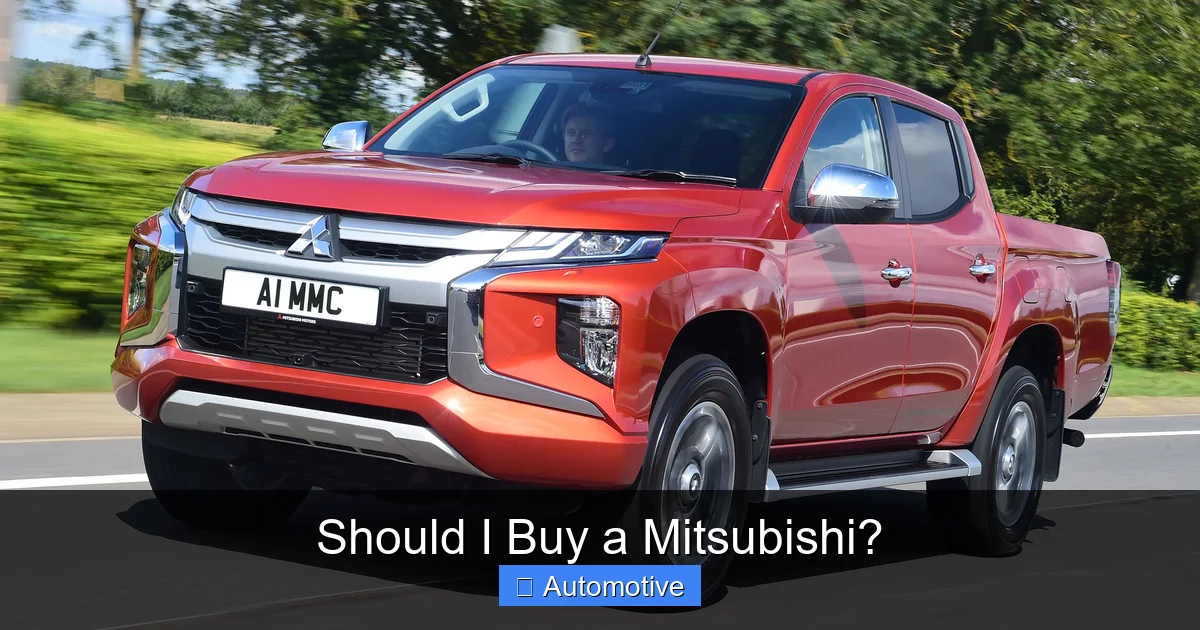
Visual guide about Should I Buy a Mitsubishi?
Image source: mediacloud.carbuyer.co.uk
Mitsubishi Motors has been around since 1970, and while it’s not as globally dominant as some Japanese automakers, it has carved out a niche for itself. The brand is known for building no-nonsense vehicles that prioritize function over flair. Think of Mitsubishi as the reliable coworker who shows up on time, does their job well, and doesn’t need a spotlight to shine.
One of Mitsubishi’s biggest strengths is its focus on value. Their vehicles are typically priced lower than comparable models from Honda, Toyota, or Hyundai. For example, the 2024 Mitsubishi Outlander starts around $28,000—significantly less than the Toyota RAV4 or Honda CR-V. That lower price tag makes Mitsubishi an attractive option for first-time car buyers, students, or anyone looking to stretch their dollar.
But value isn’t just about the sticker price. Mitsubishi also offers one of the best warranties in the industry. Most new models come with a 10-year/100,000-mile powertrain warranty and a 5-year/60,000-mile basic warranty. That kind of coverage gives you serious peace of mind, especially if you plan to keep your car for a long time.
A Brief History of Mitsubishi Motors
To understand Mitsubishi’s place in the market today, it helps to know a bit about its history. The company began as a division of the Mitsubishi Shipbuilding Company, which was founded in the late 1800s. It wasn’t until the 1970s that Mitsubishi Motors became an independent entity, focusing on passenger vehicles.
Over the decades, Mitsubishi has had its ups and downs. The brand gained fame in the 1990s and early 2000s with performance models like the Lancer Evolution, a rally-inspired sedan beloved by car enthusiasts. However, as the market shifted toward SUVs and crossovers, Mitsubishi struggled to keep up with the innovation pace of its competitors.
In recent years, the brand has refocused on practicality, affordability, and efficiency. While it no longer produces high-performance icons like the Evo, it has doubled down on building reliable, budget-friendly vehicles for everyday drivers.
Mitsubishi Reliability: Should You Trust It?
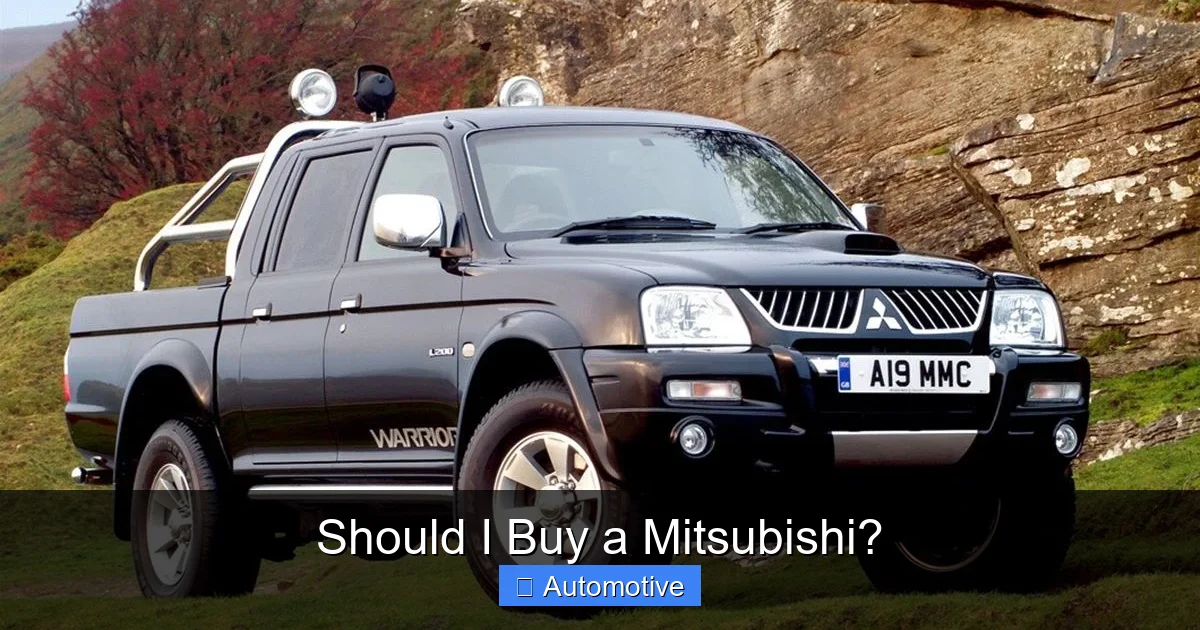
Visual guide about Should I Buy a Mitsubishi?
Image source: images.honestjohn.co.uk
Let’s tackle one of the biggest questions head-on: Are Mitsubishi cars reliable?
The short answer? Yes—generally speaking, Mitsubishi vehicles are reliable, especially for their price range. But like any brand, there are nuances.
According to J.D. Power and Consumer Reports, Mitsubishi ranks in the middle of the pack when it comes to reliability. It’s not at the top like Lexus or Toyota, but it’s also not near the bottom like some European brands. Most Mitsubishi models score average to above-average in long-term dependability.
What Owners Are Saying
If you look at owner reviews on sites like Edmunds, Kelley Blue Book, and Reddit, you’ll find a consistent theme: Mitsubishi owners appreciate the simplicity and affordability of their vehicles. Many report low maintenance costs and few major issues over the first 100,000 miles.
For example, a 2020 Mitsubishi Outlander owner on Edmunds wrote: “I’ve driven this car over 80,000 miles with only routine oil changes and tire rotations. No engine problems, no transmission issues. It’s not fancy, but it gets me where I need to go.”
That said, some older models—particularly those from the early 2010s—have had issues with CVT (continuously variable transmission) reliability. If you’re buying used, it’s wise to get a pre-purchase inspection and check the vehicle history report.
Warranty as a Reliability Indicator
One of the best indicators of a brand’s confidence in its vehicles is the warranty. Mitsubishi’s 10-year/100,000-mile powertrain warranty is a strong signal that the company stands behind its products. This coverage includes the engine, transmission, and drivetrain—components that are often the most expensive to repair.
Compare that to Toyota’s 5-year/60,000-mile powertrain warranty or Honda’s similar offering, and Mitsubishi’s coverage looks generous. Of course, warranties don’t guarantee perfection, but they do reduce financial risk if something goes wrong.
Performance and Driving Experience
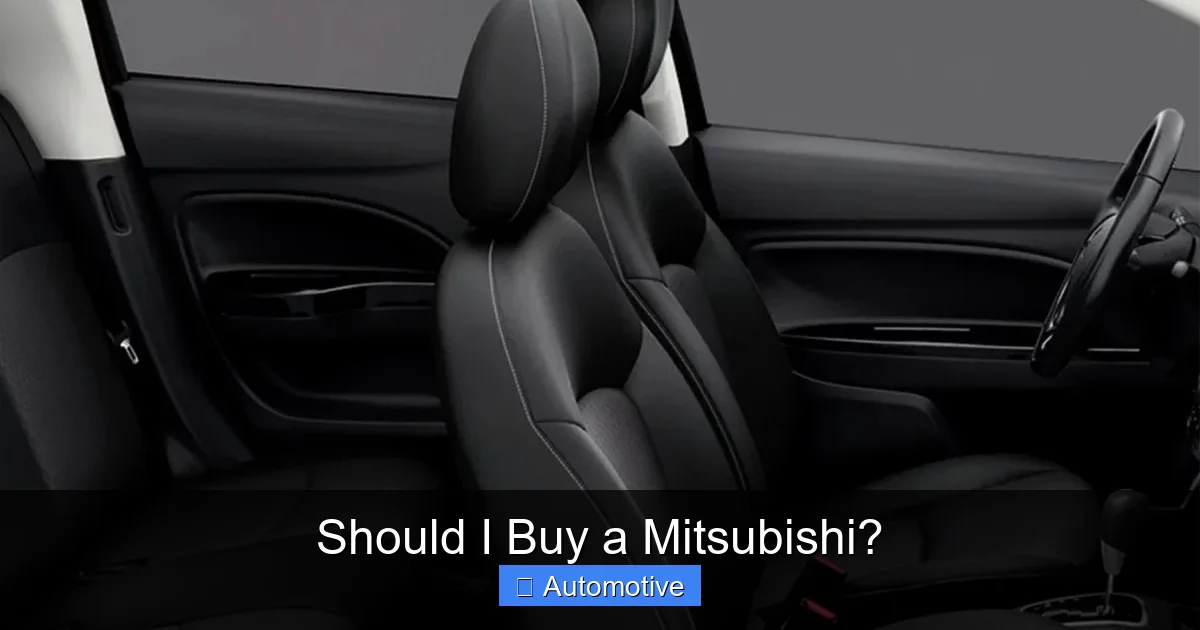
Visual guide about Should I Buy a Mitsubishi?
Image source: img.philkotse.com
Now, let’s talk about how Mitsubishi vehicles actually drive.
If you’re expecting a thrilling, sporty ride, you might be disappointed. Mitsubishi isn’t building performance machines anymore—at least not in the mainstream lineup. But that doesn’t mean their cars are boring.
Most Mitsubishi models are designed for comfort and efficiency, not speed. The engines are modest but adequate for daily commuting and light highway driving. For example, the 2024 Mitsubishi Outlander comes with a 2.5-liter four-cylinder engine that produces 181 horsepower. That’s not going to win any drag races, but it’s more than enough for merging onto freeways or climbing hills.
Handling and Ride Quality
Mitsubishi vehicles tend to have a soft, comfortable suspension setup. This makes them great for city driving and long road trips, where a smooth ride is more important than sharp cornering. The steering is light and easy to manage, which is helpful in tight parking lots or heavy traffic.
However, if you enjoy driving on twisty backroads or want a car that feels sporty, Mitsubishi might not be your first choice. Brands like Mazda or Subaru offer more engaging driving dynamics in the same price range.
Fuel Efficiency: A Major Strength
One area where Mitsubishi really shines is fuel economy. The brand has made efficiency a priority, especially in its smaller models.
Take the Mitsubishi Mirage, for example. This tiny hatchback gets up to 36 mpg in the city and 43 mpg on the highway—numbers that rival hybrid vehicles. It’s not the most powerful car on the road, but if you’re looking to save money at the pump, the Mirage is hard to beat.
The Outlander Hybrid, introduced in 2023, is another standout. It combines a gasoline engine with an electric motor to deliver up to 35 mpg combined. While it’s not as efficient as a Toyota RAV4 Hybrid, it’s still a solid option for eco-conscious buyers who want SUV space without the plug-in complexity.
Interior Quality and Technology
Here’s where Mitsubishi starts to show its age—and its budget-friendly roots.
Mitsubishi interiors are functional but not luxurious. Materials are mostly hard plastics, and the design feels dated compared to rivals like the Hyundai Tucson or Kia Sportage. The dashboard layout is straightforward, but it lacks the modern flair and premium touches you’d find in more expensive brands.
Infotainment and Connectivity
Mitsubishi’s infotainment system, called Mitsubishi Connect, is basic but usable. Most models come with a 7- or 8-inch touchscreen that supports Apple CarPlay and Android Auto—essential features for staying connected on the go.
However, the system can be slow to respond, and the graphics look a few years behind. Navigation is available, but it’s not as intuitive or up-to-date as systems from Toyota or Ford.
One bright spot is the available Bose audio system in higher trims of the Outlander. It delivers surprisingly good sound quality for the price, making long drives more enjoyable.
Seating and Cargo Space
Where Mitsubishi does well is in practicality. The Outlander, for example, offers three rows of seating—something rare in its class. While the third row is best suited for kids, it’s a nice option for families who occasionally need extra seats.
Cargo space is generous, too. The Outlander provides 11.7 cubic feet behind the third row, 33.7 cubic feet behind the second, and up to 79.7 cubic feet with all seats folded. That’s competitive with the Honda Pilot and Toyota Highlander, both of which cost significantly more.
The Eclipse Cross and Outlander Sport offer smaller cargo areas but are still practical for weekend trips or grocery runs.
Safety Features and Ratings
Safety is a top priority for most car buyers, and Mitsubishi has made strides in this area—though it’s not leading the pack.
All new Mitsubishi vehicles come standard with the brand’s “MI-PILOT” suite of driver-assist features. This includes:
– Forward collision mitigation
– Lane departure warning
– Blind-spot monitoring
– Rear cross-traffic alert
– Adaptive cruise control (on higher trims)
These features help prevent common accidents and make driving less stressful, especially on highways.
Crash Test Ratings
The 2024 Mitsubishi Outlander earned a Top Safety Pick award from the Insurance Institute for Highway Safety (IIHS), with “Good” ratings in most crash tests. The Eclipse Cross also scored well, though it missed the Top Safety Pick due to marginal headlights.
The National Highway Traffic Safety Administration (NHTSA) gives the Outlander a 5-star overall safety rating, which is the highest possible score.
That said, some competitors—like the Subaru Forester or Mazda CX-5—offer more advanced safety tech, such as standard adaptive headlights or driver-attention monitoring. If safety is your top concern, it’s worth comparing Mitsubishi to these brands.
Cost of Ownership and Value
One of the strongest arguments for buying a Mitsubishi is the total cost of ownership.
Let’s break it down:
– **Purchase Price:** As mentioned, Mitsubishi vehicles are priced lower than most competitors. The Mirage starts under $16,000, and even the larger Outlander is under $30,000.
– **Fuel Costs:** With excellent fuel economy, especially in the Mirage and Outlander Hybrid, you’ll save money at the pump.
– **Insurance:** Insurance rates for Mitsubishi vehicles are typically lower than for luxury or high-performance brands.
– **Maintenance:** Routine maintenance is affordable, and parts are widely available. The long warranty also reduces the risk of unexpected repair bills.
Resale Value
Mitsubishi’s resale value is average—not great, but not terrible. According to Kelley Blue Book, a Mitsubishi Outlander retains about 45% of its value after five years. That’s slightly below the industry average of around 50%, but better than some budget brands.
If you plan to keep your car for 10 years, resale value matters less. But if you like to upgrade every few years, you might get more return from a Toyota or Honda.
Who Should Buy a Mitsubishi?
So, who is the ideal Mitsubishi buyer?
– **First-time car buyers:** With low prices and strong warranties, Mitsubishi is a great entry point into car ownership.
– **Budget-conscious families:** The Outlander offers three rows and decent space at a fraction of the cost of a minivan.
– **City drivers:** The Mirage and Eclipse Cross are easy to park and cheap to run in stop-and-go traffic.
– **Long-term owners:** If you plan to keep your car for 10+ years, Mitsubishi’s warranty and reliability make it a smart choice.
– **Eco-minded buyers on a budget:** The Outlander Hybrid offers hybrid efficiency without the premium price of a Toyota or Ford hybrid.
On the flip side, Mitsubishi may not be the best fit if you:
– Want cutting-edge tech or luxury features
– Prioritize sporty handling or high performance
– Plan to sell your car within 3–5 years (due to average resale value)
Final Verdict: Should You Buy a Mitsubishi?
After weighing the pros and cons, here’s our take:
Yes, you should consider buying a Mitsubishi—if you value affordability, reliability, and practicality over luxury and innovation.
Mitsubishi won’t wow you with flashy designs or the latest tech. But it will give you a dependable vehicle that gets you from point A to point B without breaking the bank. With strong warranties, good fuel economy, and competitive pricing, Mitsubishi offers real value in a market where prices keep climbing.
If you’re shopping for a compact SUV, a fuel-efficient hatchback, or a budget-friendly family hauler, take a test drive in a Mitsubishi. You might be surprised by how much car you get for the money.
Just remember: it’s not about having the fanciest ride on the block. It’s about finding a vehicle that fits your life, your budget, and your needs. And for many drivers, that’s exactly what Mitsubishi delivers.
Frequently Asked Questions
Are Mitsubishi cars reliable long-term?
Mitsubishi vehicles are generally reliable, especially with proper maintenance. Most models score average to above-average in long-term dependability studies, and the 10-year powertrain warranty adds extra confidence.
Do Mitsubishi cars have good fuel economy?
Yes, Mitsubishi emphasizes fuel efficiency. Models like the Mirage and Outlander Hybrid deliver excellent gas mileage, making them ideal for city driving and long commutes.
Is Mitsubishi a good brand for families?
Yes, especially for small to mid-sized families. The Outlander offers three rows of seating and ample cargo space at a lower price than many competitors.
How does Mitsubishi compare to Toyota or Honda?
Mitsubishi is more affordable but offers fewer tech features and less brand prestige. Toyota and Honda have better resale value and more advanced safety systems, but they cost more upfront.
What is the best Mitsubishi model to buy?
The 2024 Mitsubishi Outlander is the brand’s flagship, offering space, efficiency, and modern features. The Mirage is best for ultra-budget buyers, while the Eclipse Cross suits urban drivers.
Do Mitsubishi cars hold their value?
Mitsubishi’s resale value is average—around 45% after five years. It’s not the highest in the segment, but reasonable for a budget-friendly brand.