Sell Used Car Seat
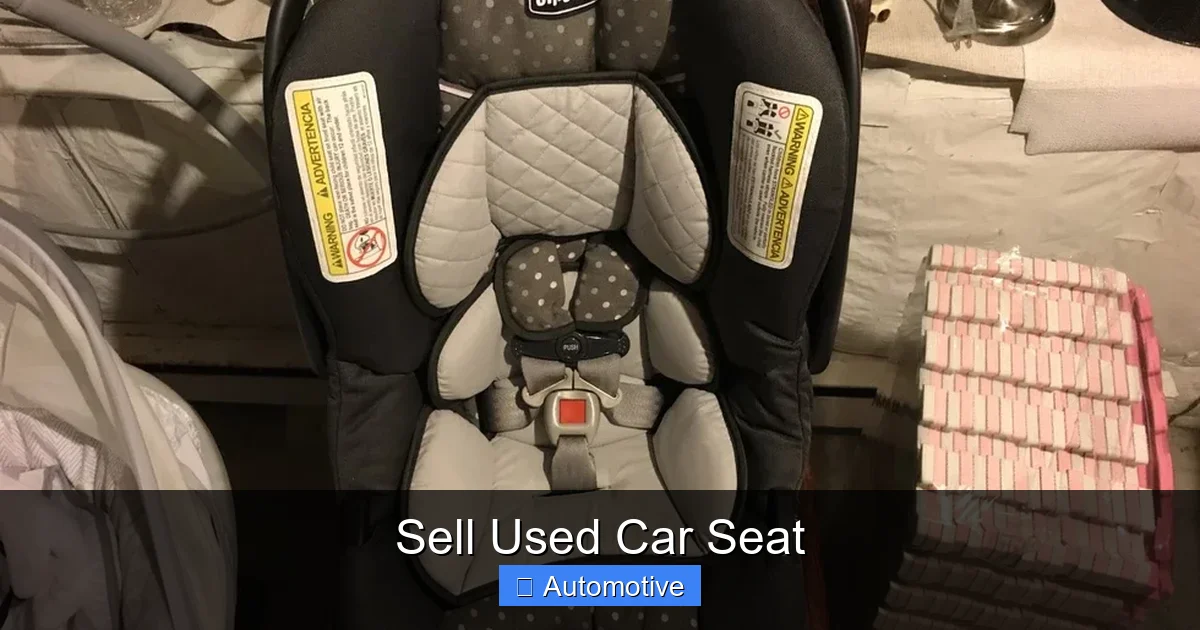
sell used car seat is an essential topic that provides valuable insights and practical knowledge for anyone interested in learning more about this subject.
In This Article
- 1 Key Takeaways
- 2 📑 Table of Contents
- 3 Sell Used Car Seat: Why, When, and How to Do It Right
- 4 Is It Safe to Sell a Used Car Seat?
- 5 How to Prepare Your Used Car Seat for Sale
- 6 Where to Sell Your Used Car Seat
- 7 How Much Can You Sell a Used Car Seat For?
- 8 What Buyers Should Know Before Buying a Used Car Seat
- 9 Alternatives to Selling: Donate or Recycle
- 10 Final Thoughts: Sell Used Car Seat with Confidence
- 11 Frequently Asked Questions
- 11.1 Is it safe to sell a used car seat?
- 11.2 How do I know if my used car seat is still safe to sell?
- 11.3 Where can I sell my used car seat online?
- 11.4 Should I include the manual when selling a used car seat?
- 11.5 Can I sell a used car seat that was in a minor accident?
- 11.6 What information should I include in my used car seat listing?
Key Takeaways
- Understanding sell used car seat: Provides essential knowledge for making informed decisions
- Practical applications: Can be applied in various real-world scenarios
- Key benefits: Offers significant advantages when properly implemented
- Important considerations: Requires attention to specific details and best practices
- Future implications: Continues to evolve and impact related fields
📑 Table of Contents
- Sell Used Car Seat: Why, When, and How to Do It Right
- Is It Safe to Sell a Used Car Seat?
- How to Prepare Your Used Car Seat for Sale
- Where to Sell Your Used Car Seat
- How Much Can You Sell a Used Car Seat For?
- What Buyers Should Know Before Buying a Used Car Seat
- Alternatives to Selling: Donate or Recycle
- Final Thoughts: Sell Used Car Seat with Confidence
Sell Used Car Seat: Why, When, and How to Do It Right
So, your little one has outgrown their car seat—or maybe you’re upgrading to a bigger model, or perhaps you’ve just realized that the one you bought years ago is no longer safe to use. Whatever the reason, you’re now holding onto a used car seat and wondering: Should I sell it? Can I even sell used car seat safely and responsibly?
You’re not alone. Thousands of parents every year face this exact dilemma. Car seats are expensive—often costing $100 to $300 or more—and it’s tempting to recoup some of that cost. But unlike selling a stroller or a high chair, selling a used car seat comes with serious safety and ethical considerations. After all, this isn’t just any baby product—it’s a life-saving device designed to protect your child in the event of a crash. So while it might feel wasteful to toss it in the trash, it’s equally risky to pass it along without knowing its full history.
In this guide, we’ll walk you through everything you need to know about how to sell used car seat the right way. We’ll cover when it’s safe (and legal) to sell, how to prepare it for sale, where to list it, and what buyers should look for. Whether you’re a parent looking to declutter or someone hoping to buy a gently used seat on a budget, this post will help you make smart, safe decisions. Let’s dive in.
Is It Safe to Sell a Used Car Seat?
Before you even think about listing your car seat online, it’s crucial to ask: Is this seat still safe to use? The short answer is: it depends. Not all used car seats are created equal, and safety should always come first—both for you as the seller and for the buyer.
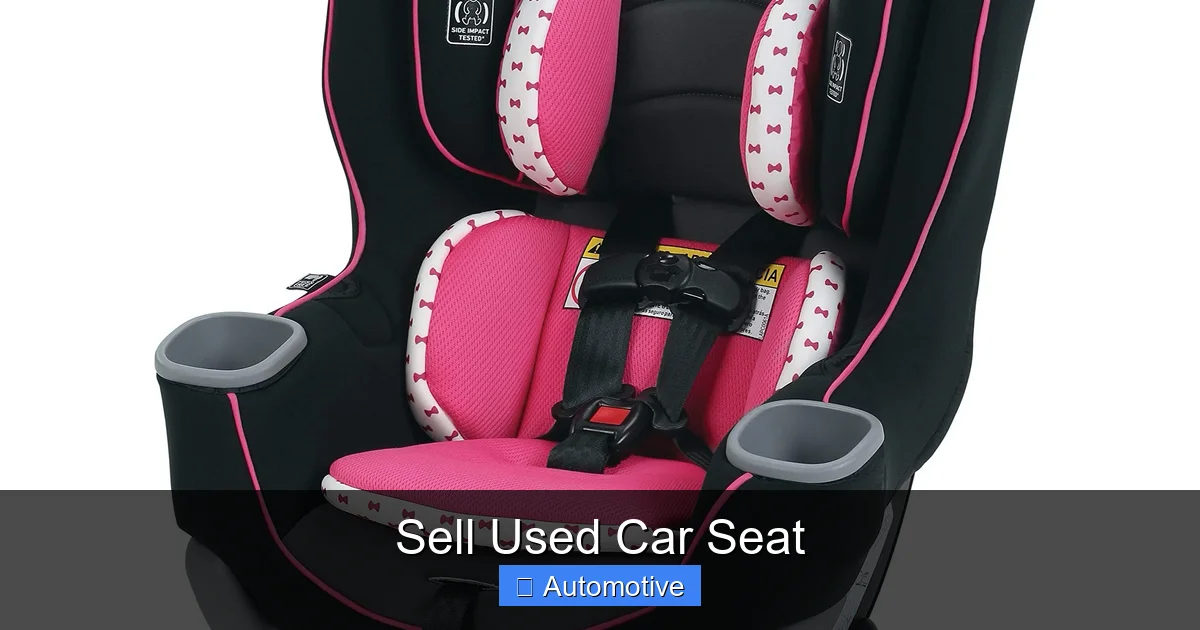
Visual guide about Sell Used Car Seat
Image source: m.media-amazon.com
When It’s Safe to Sell
A used car seat is generally safe to sell if:
- It hasn’t been in an accident. Even minor crashes can compromise the integrity of a car seat’s structure. Most manufacturers recommend replacing a seat after any collision, even if damage isn’t visible.
- It’s within the expiration date. Yes, car seats expire! Most have a lifespan of 6 to 10 years from the manufacture date (check the label on the seat). Beyond that, materials degrade, and safety standards evolve.
- All parts are original and undamaged. No cracked shells, frayed harness straps, missing hardware, or faded labels. Everything must be in working order.
- It hasn’t been recalled. You can check the National Highway Traffic Safety Administration (NHTSA) website for recalls using the seat’s model number.
- It’s been cleaned properly. Stains, odors, or mold can be red flags for buyers—and health hazards for kids.
When You Should NOT Sell
Avoid selling your used car seat if:
- It was involved in a crash—even a fender bender.
- It’s past its expiration date (usually stamped on the back or bottom).
- You don’t know its full history (e.g., it was inherited or bought secondhand without documentation).
- It’s missing the manual or key components like the base, chest clip, or buckle.
- It shows signs of wear like cracks, stretched straps, or loose stitching.
For example, Sarah from Ohio tried to sell her infant car seat on Facebook Marketplace after her daughter turned 1. But when a buyer asked if it had ever been in an accident, she realized she couldn’t remember—her husband had borrowed it for a weekend trip years ago. “I didn’t want to risk someone’s child’s safety,” she said. “I ended up donating it to a local fire station for parts.”
Bottom line: If you have any doubts about the seat’s safety, don’t sell it. It’s better to recycle or dispose of it responsibly than to pass on a potential hazard.
How to Prepare Your Used Car Seat for Sale
So you’ve confirmed your seat is safe to sell—great! Now it’s time to get it ready. Just like selling a used car or furniture, presentation matters. A clean, complete, and well-documented car seat will sell faster and for a higher price.
Clean It Thoroughly
Start by giving the seat a deep clean. Follow the manufacturer’s instructions—some fabrics are machine washable, while others require hand washing. Use mild detergent and avoid harsh chemicals that could damage materials or leave residues.
Pay special attention to:
- The harness straps (never soak them—wipe with a damp cloth)
- The buckle and chest clip
- The seat shell (use a soft brush for crevices)
- The base (if included)
Let everything air dry completely before reassembling. A musty smell can turn buyers away instantly.
Gather All Original Components
Buyers will want to see that everything is included. Make sure you have:
- The seat itself
- The base (for infant seats)
- The instruction manual (or a printed copy if you’ve lost the original)
- All harness clips, pads, and inserts
- Any additional accessories (e.g., sunshade, travel bag)
If you’re missing the manual, most manufacturers post PDF versions online. Print it out and include it in the sale.
Take High-Quality Photos
Clear, well-lit photos are essential. Show the seat from multiple angles—front, back, sides, and bottom (where the expiration date and model number are usually located). Highlight any features like side-impact protection, adjustable headrest, or LATCH connectors.
Include close-ups of:
- The expiration date
- The model and serial number
- The harness straps and buckle
- Any wear or imperfections (honesty builds trust)
Pro tip: Take photos in natural light, preferably outdoors or near a window. Avoid shadows and cluttered backgrounds.
Write a Detailed Description
Your listing should answer all the questions a buyer might have. Include:
- Brand and model
- Age of the seat (e.g., “Used for 18 months”)
- Child’s weight and height when last used
- Reason for selling (e.g., “Upgraded to a convertible seat”)
- Condition (e.g., “Like new, no stains or odors”)
- Whether it was ever in an accident
- Expiration date and manufacture date
- Included accessories
Example: “Selling our Graco SnugRide 35 infant car seat. Used for 14 months with our daughter, who is now 22 lbs. Never in an accident. Expires 03/2026. Includes original base, manual, and travel bag. Cleaned and sanitized. $80 OBO.”
Being transparent builds credibility and reduces back-and-forth messages.
Where to Sell Your Used Car Seat
Now that your seat is clean and documented, it’s time to choose the right platform. Not all marketplaces are created equal when it comes to selling baby gear—especially safety-critical items like car seats.
Online Marketplaces
These are the most popular options for selling used items:
- Facebook Marketplace: Great for local sales. You can meet buyers in person (safely, in public places) and avoid shipping hassles. Plus, you can see buyer profiles for added security.
- Craigslist: Another local option. Be cautious—meet in busy, well-lit areas and bring a friend if possible.
- eBay: Ideal if you’re comfortable shipping. You can reach a wider audience, but factor in shipping costs and packaging time.
- Nextdoor: Connects you with neighbors. Often leads to quick, trustworthy sales.
Tip: Use keywords like “used car seat,” “infant car seat,” or “convertible car seat” in your title to improve visibility.
Specialized Parenting Groups
Join local or national parenting Facebook groups focused on buying and selling baby items. Examples include:
- “Buy Nothing” groups (free exchanges, but great for building community)
- “Moms Who Buy & Sell” groups
- Local “Baby Gear Exchange” pages
These groups often have rules about car seat sales (e.g., requiring proof of no accidents), which adds a layer of safety.
Consignment Stores
Some baby consignment shops accept used car seats—but policies vary. Call ahead to ask:
- Do they inspect seats before accepting them?
- Do they check for recalls and expiration dates?
- What percentage do they take?
Stores like Once Upon a Child or local boutiques may offer store credit instead of cash.
Avoid These Platforms
Steer clear of:
- Auction sites with no buyer protection (e.g., obscure forums)
- Social media DMs from strangers (too risky)
- Classified ads with no contact info
Always prioritize safety and transparency. If a deal feels too good to be true, it probably is.
How Much Can You Sell a Used Car Seat For?
Pricing a used car seat can be tricky. You want to get a fair return, but you also don’t want to overprice a product that’s inherently less valuable than new.
Factors That Affect Price
Consider these when setting your price:
- Age and condition: A seat used for 6 months in excellent condition will fetch more than one used for 3 years with wear.
- Brand and model: Premium brands like Britax, Chicco, or Clek hold value better than budget options.
- Features: Seats with advanced safety tech (e.g., anti-rebound bars, no-rethread harness) are more desirable.
- Included accessories: Bases, travel bags, and extras can increase value.
- Market demand: Convertible seats (used longer) often sell better than infant seats.
General Pricing Guidelines
Here’s a rough estimate based on original retail price:
| Original Price | Used Price Range | Condition |
|---|---|---|
| $100–$150 | $40–$70 | Good to excellent |
| $150–$250 | $70–$120 | Very good to like new |
| $250–$400+ | $120–$200 | Like new, low usage |
Note: Prices drop significantly if the seat is near expiration or missing parts.
Tips for Maximizing Value
- Sell before the expiration date—ideally with 2+ years left.
- Highlight safety certifications (e.g., “Meets FMVSS 213”).
- Offer a short return window (e.g., 48 hours) for buyer confidence.
- Bundle with other baby gear (e.g., stroller, diaper bag) for a package deal.
For example, Maria sold her Britax Boulevard convertible seat for $110—60% off its $270 retail price—because it was only 8 months old, included the manual, and had no wear. “I priced it fairly and sold it in two days,” she said.
What Buyers Should Know Before Buying a Used Car Seat
If you’re on the other side of the transaction—looking to buy a used car seat—this section is for you. While buying used can save money, it comes with risks. Here’s how to protect yourself.
Ask the Right Questions
Before handing over cash, ask the seller:
- Has this seat ever been in an accident?
- What’s the manufacture and expiration date?
- Has it been recalled? (Check NHTSA.gov)
- How long was it used, and by whom?
- Are all parts original and undamaged?
- Can you provide the manual?
If the seller can’t answer these confidently, walk away.
Inspect Before You Buy
Always inspect the seat in person if possible. Look for:
- Cracks or warping in the plastic shell
- Frayed, stretched, or discolored harness straps
- Stiff or sticky buckles
- Missing or faded labels
- Signs of mold, mildew, or strong odors
Test the harness: it should retract smoothly and lock securely.
Verify the Expiration Date
Find the label on the back or bottom of the seat. It should show:
- Manufacture date (e.g., “MFG: 05/2021”)
- Expiration date (e.g., “EXP: 05/2027”)
If the seat expires in less than a year, it’s not worth buying—even if it’s cheap.
Check for Recalls
Visit NHTSA’s recall lookup tool and enter the seat’s model number. If it’s recalled, don’t buy it—even if the seller says it’s “fixed.”
Example: In 2022, over 600,000 Graco car seats were recalled due to buckle issues. A buyer in Texas almost purchased one online but checked the recall list first—and avoided a potential danger.
Remember: A used car seat is only a good deal if it’s safe. When in doubt, buy new.
Alternatives to Selling: Donate or Recycle
If your car seat isn’t suitable for sale, don’t just toss it in the trash. There are responsible ways to give it a second life—or ensure it’s disposed of safely.
Donate to a Trusted Organization
Some charities and shelters accept used car seats—but only if they meet strict criteria. Call ahead to confirm they’re still accepting them and what their requirements are.
Examples:
- Local fire departments: Many offer car seat safety checks and may accept seats for training or parts.
- Hospitals: Some have programs for low-income families.
- Safe Kids Worldwide: Partners with organizations that distribute seats to those in need.
Note: Most places will not accept seats past expiration or with unknown histories.
Recycle Responsibly
Car seats are made of plastic, metal, and fabric—materials that can be recycled, but not in your curbside bin. Specialized programs exist:
- Target Car Seat Recycling Program: Bring any used car seat to a Target store (any brand, any condition). You’ll get a $30 gift card for a new seat purchase.
- Local recycling centers: Some accept car seats for a fee. Call to ask.
- Manufacturer take-back programs: A few brands (like Chicco) offer recycling options.
Before recycling, remove the fabric cover and harness straps (they’re often not recyclable). Cut the straps to prevent reuse.
Dispose of It Safely
If recycling isn’t an option, dispose of the seat properly:
- Cut the harness straps and remove the cover.
- Break the plastic shell (use a hammer if needed).
- Place in trash on collection day—don’t leave it on the curb for others to take.
This prevents someone from unknowingly using a compromised seat.
Final Thoughts: Sell Used Car Seat with Confidence
Selling a used car seat isn’t just about making a few extra dollars—it’s about doing the right thing. When done responsibly, it can help another family save money while keeping a safe product in use. But when done carelessly, it can put a child at risk.
To recap:
- Only sell used car seat if it’s never been in an accident, is within its expiration date, and is in good condition.
- Clean it thoroughly, gather all parts, and take clear photos.
- List it on trusted platforms like Facebook Marketplace or local parenting groups.
- Price it fairly based on age, brand, and condition.
- If it’s not safe to sell, donate or recycle it responsibly.
Whether you’re selling or buying, always prioritize safety over savings. A car seat’s job is to protect what matters most—and that’s not something to take lightly.
So go ahead—clean that seat, snap some photos, and list it with confidence. You’re not just decluttering your garage. You’re helping another family travel a little safer.
Frequently Asked Questions
Is it safe to sell a used car seat?
Yes, it can be safe to sell a used car seat as long as it hasn’t been in an accident, is not expired, and meets current safety standards. Always disclose the car seat’s history, including any recalls or damage, to ensure the buyer’s safety.
How do I know if my used car seat is still safe to sell?
Check the manufacturer’s label for the expiration date—most car seats expire 6 to 10 years after manufacture. Also, inspect for cracks, missing parts, or signs of wear, and verify it hasn’t been recalled by checking the NHTSA website.
Where can I sell my used car seat online?
You can sell your used car seat on platforms like Facebook Marketplace, Craigslist, eBay, or local parenting groups. Be sure to include clear photos, the model number, and details about its condition to attract buyers.
Should I include the manual when selling a used car seat?
Yes, including the manual is highly recommended, as it helps the buyer properly install and use the car seat. If you no longer have it, most manufacturers offer digital copies on their websites.
Can I sell a used car seat that was in a minor accident?
No, experts recommend not selling or using any car seat that has been in a crash, even a minor one, as internal damage may compromise safety. It’s best to dispose of it responsibly and inform potential buyers if it was involved in an incident.
What information should I include in my used car seat listing?
Include the brand, model, manufacture date, expiration date, and whether it’s been recalled or in an accident. Mention if it comes with the manual, base, or extra accessories to help buyers make an informed decision.