Sell the House Sell the Car
Selling your house and car can free up cash, reduce monthly expenses, and give you more freedom. Whether you’re retiring, relocating, or just craving a simpler life, this bold move could be the fresh start you need.
In This Article
- 1 Key Takeaways
- 2 📑 Table of Contents
- 3 What Does “Sell the House Sell the Car” Really Mean?
- 4 Why People Are Choosing to Sell the House and Sell the Car
- 5 How to Decide If Selling Your House and Car Is Right for You
- 6 The Step-by-Step Process to Sell the House and Sell the Car
- 7 Life After Selling: What to Expect
- 8 Common Challenges and How to Overcome Them
- 9 Success Stories: Real People Who Did It
- 10 Is “Sell the House Sell the Car” the Right Move for You?
- 11 Frequently Asked Questions
- 11.1 Is it smart to sell your house and car at the same time?
- 11.2 How much money can I expect to make from selling my house and car?
- 11.3 What are the downsides of selling your house and car?
- 11.4 Can I still travel if I sell my car?
- 11.5 Do I need a car if I live in the city?
- 11.6 What should I do with the money after selling?
Key Takeaways
- Financial Freedom: Selling your house and car can unlock significant equity and eliminate major monthly payments.
- Lower Living Costs: Downsizing reduces utility bills, insurance, maintenance, and property taxes.
- Simplified Lifestyle: Fewer possessions mean less stress and more time for what matters.
- Mobility & Flexibility: Without a car or mortgage, you can travel, relocate, or live location-independent.
- Sustainability Benefits: Living smaller and car-free reduces your carbon footprint.
- Emotional Readiness Matters: This decision isn’t just financial—it’s deeply personal and requires honest self-reflection.
- Plan Ahead: Timing, market conditions, and alternative housing/transport options are critical to success.
📑 Table of Contents
- What Does “Sell the House Sell the Car” Really Mean?
- Why People Are Choosing to Sell the House and Sell the Car
- How to Decide If Selling Your House and Car Is Right for You
- The Step-by-Step Process to Sell the House and Sell the Car
- Life After Selling: What to Expect
- Common Challenges and How to Overcome Them
- Success Stories: Real People Who Did It
- Is “Sell the House Sell the Car” the Right Move for You?
What Does “Sell the House Sell the Car” Really Mean?
You’ve probably heard the phrase “sell the house, sell the car” thrown around in conversations about minimalism, financial independence, or lifestyle changes. But what does it actually mean—and more importantly, is it right for you?
At its core, this idea is about intentional downsizing. It’s not just about getting rid of stuff; it’s about reevaluating what you truly need to live a fulfilling life. For many, owning a large home and multiple vehicles feels like a badge of success. But in reality, these assets often come with hidden costs: mortgage payments, property taxes, insurance premiums, maintenance headaches, and environmental impact. When you sell the house and sell the car, you’re not just freeing up money—you’re reclaiming time, energy, and mental space.
This shift isn’t for everyone, but it’s gaining traction among retirees, digital nomads, eco-conscious individuals, and anyone tired of the “rat race.” The goal isn’t deprivation—it’s liberation. By shedding these major expenses, you open doors to new possibilities: traveling the world, starting a passion project, or simply enjoying more peace of mind.
Why People Are Choosing to Sell the House and Sell the Car
Financial Pressure and Rising Costs
Let’s face it—housing and transportation are two of the biggest drains on most household budgets. According to the U.S. Bureau of Labor Statistics, the average American spends over 33% of their income on housing and another 15% on transportation. That’s nearly half your paycheck gone before you even think about food, healthcare, or entertainment.
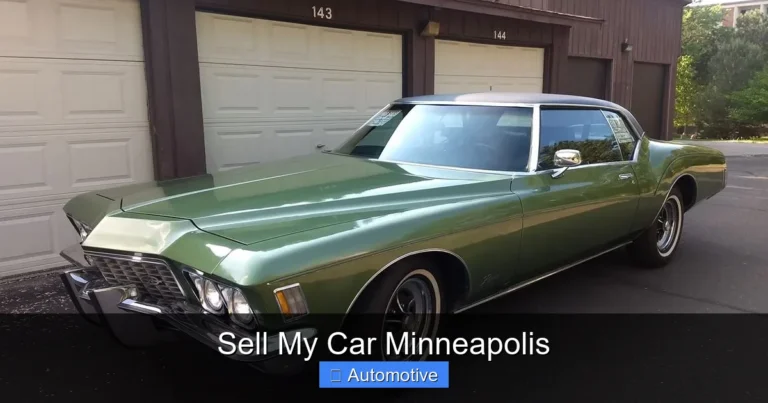
Visual guide about Sell the House Sell the Car
Image source: images.rapgenius.com
When you sell the house and sell the car, you eliminate or drastically reduce these fixed costs. For example, if you’re paying $2,500 a month on a mortgage and $800 on car payments, insurance, gas, and maintenance, that’s $3,300 freed up every month. Over a year, that’s nearly $40,000—money that could go toward investments, travel, or early retirement.
The Rise of Remote Work and Location Independence
The pandemic accelerated a shift toward remote work, and many people realized they don’t need to live near an office. This newfound flexibility makes it easier than ever to sell the house and relocate to a lower-cost area—or even live nomadically. Combine that with the growing popularity of car-free living in walkable cities or rural areas with good public transit, and the case for ditching both assets becomes compelling.
Take Sarah, a 42-year-old graphic designer from Portland. She sold her $650,000 home and her SUV, moved into a cozy rental near a light rail line, and now uses a bike and public transit for daily commutes. “I used to spend two hours a day driving and stressing about mortgage payments,” she says. “Now I work from home, ride my bike to coffee shops, and have $2,000 more in my bank account each month.”
Environmental and Lifestyle Motivations
More people are making decisions based on sustainability. Cars are major contributors to carbon emissions, and large homes consume disproportionate amounts of energy. By choosing to sell the house and sell the car, you’re reducing your environmental impact—something that resonates deeply with younger generations.
Additionally, a simpler lifestyle often leads to less clutter, fewer obligations, and more time for hobbies, relationships, and self-care. It’s not about living in poverty; it’s about designing a life that aligns with your values.
How to Decide If Selling Your House and Car Is Right for You
Assess Your Financial Situation
Before making any big moves, take a hard look at your finances. Calculate your total monthly expenses, including mortgage, utilities, insurance, car payments, fuel, maintenance, and property taxes. Then compare that to your income and savings.
Visual guide about Sell the House Sell the Car
Image source: imgv2-2-f.scribdassets.com
Ask yourself:
- Could I cover my essential needs without these expenses?
- Do I have an emergency fund in place?
- What would my cash flow look like after selling?
If you’re carrying high-interest debt or living paycheck to paycheck, selling your house and car might provide the financial reset you need. But if you’re already comfortably managing your expenses, consider whether the trade-offs are worth it.
Evaluate Your Lifestyle Needs
Think about your daily routine. Do you rely heavily on your car? Do you have family members who depend on it? Are you in a city with reliable public transportation, or do you live in a rural area where a car is essential?
Similarly, consider your housing needs. Do you need space for a home office, guests, or hobbies? Are you emotionally attached to your current home? Some people thrive in tiny homes or rentals, while others feel cramped or isolated.
Try a “test run” before committing. Rent out your house for a few months or use a car-sharing service instead of owning. See how it feels to live without these assets—even temporarily.
Consider Your Long-Term Goals
Are you planning to retire early? Travel the world? Start a business? Your long-term vision should guide your decision. If freedom and flexibility are top priorities, selling the house and car could be a smart step. But if stability and long-term equity building matter more, you might want to keep one or both.
Also, think about future needs. Will you need a car when you’re older? Could your housing needs change if you start a family? While it’s impossible to predict everything, planning ahead can prevent regret later.
The Step-by-Step Process to Sell the House and Sell the Car
Step 1: Prepare Your Home for Sale
If you decide to sell your house, start by decluttering and making minor repairs. A clean, well-maintained home sells faster and for more money. Consider hiring a professional stager or taking high-quality photos to attract buyers.
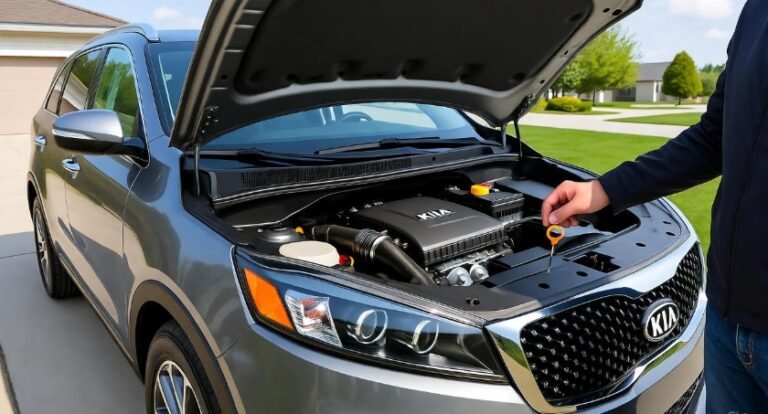
Visual guide about Sell the House Sell the Car
Image source: images.template.net
Research the local real estate market. Are prices rising or falling? How long do homes typically stay on the market? Timing matters—selling during a seller’s market can maximize your profit.
You’ll also need to decide whether to sell on your own (FSBO) or hire a real estate agent. While agents take a commission (usually 5–6%), they handle negotiations, paperwork, and marketing, which can save you time and stress.
Step 2: Get Your Car Ready to Sell
Just like your house, your car should be clean and in good condition. Wash it inside and out, fix minor dents or scratches, and gather all service records. A well-maintained vehicle commands a higher price.
Determine your car’s market value using tools like Kelley Blue Book or Edmunds. Be realistic—don’t overprice it just because you’re emotionally attached.
Decide how to sell: privately, to a dealership, or through an online platform like Carvana or Vroom. Private sales usually yield more money but require more effort. Dealerships offer convenience but lower offers.
Step 3: Time Your Sales Strategically
Ideally, sell your car before or shortly after selling your house. This avoids the hassle of storing a vehicle you no longer need or paying for two residences during a transition.
If you’re moving to a new city, consider whether you’ll need a car there. If not, sell it before you go. If you will need one, research your options in advance—public transit, car-sharing, or buying used.
Step 4: Handle the Proceeds Wisely
Once you sell the house and car, you’ll likely have a significant amount of cash. Avoid the temptation to splurge. Instead, create a plan:
- Pay off high-interest debt
- Build or bolster your emergency fund
- Invest in low-cost index funds or retirement accounts
- Set aside money for your next living situation (rent, deposit, etc.)
Consult a financial advisor if you’re unsure how to allocate the funds. A professional can help you make smart, long-term decisions.
Life After Selling: What to Expect
Housing Alternatives
After selling your house, you’ll need a place to live. Options include:
- Renting: Offers flexibility and lower upfront costs. Look for pet-friendly, long-term rentals if you plan to stay put.
- Tiny Homes: Affordable and eco-friendly, but may require zoning approval or land rental.
- Co-Living Spaces: Popular in urban areas, these offer shared amenities and community.
- RV or Van Life: Ideal for travelers, though it requires adaptation and planning.
- House Sitting or Home Swapping: Free or low-cost options for those willing to be flexible.
Transportation Without a Car
Going car-free is easier than ever, thanks to:
- Public Transit: Buses, trains, and subways in most cities.
- Biking: Great for short distances and improving health.
- Walking: Ideal for walkable neighborhoods.
- Ride-Sharing: Uber, Lyft, or local services for occasional trips.
- Car-Sharing: Zipcar or Turo for when you need a vehicle temporarily.
- Electric Scooters & Bikes: Convenient for urban commuting.
Many people find that they don’t miss driving as much as they thought. In fact, they enjoy the exercise, savings, and reduced stress.
Emotional and Social Adjustments
Selling your house and car can be emotionally challenging. You might feel a sense of loss or uncertainty, especially if these assets were tied to your identity or lifestyle.
Talk to friends or join online communities of people who’ve made similar changes. Sharing experiences can provide support and inspiration. Remember: this isn’t about giving up—it’s about gaining freedom.
Common Challenges and How to Overcome Them
Dealing with Family or Social Pressure
Not everyone will understand your decision. Friends or family might worry you’re “giving up” or making a reckless choice. Be prepared to explain your reasons calmly and confidently.
Focus on the benefits: more time, less stress, financial freedom. You don’t need everyone’s approval—just your own peace of mind.
Selling a home can trigger capital gains taxes, though primary residences often qualify for exemptions (up to $250,000 for singles, $500,000 for couples). Consult a tax professional to understand your obligations.
Also, update your address, driver’s license, and voter registration after moving. Notify banks, insurers, and subscription services of your new contact information.
Adjusting to a New Routine
Life without a car or mortgage requires planning. You’ll need to schedule errands around transit schedules, pack light for trips, and be more intentional about where you live and work.
Start small. Try a car-free weekend or a month in a rental. Gradual changes make the transition smoother.
Success Stories: Real People Who Did It
Mark and Lisa: Retired Early at 55
After 30 years in corporate jobs, Mark and Lisa sold their $800,000 home and two cars. They moved to a small town in Portugal, rent a modest apartment, and use bikes and buses. “We thought we’d miss our stuff,” Lisa says. “But we’ve never been happier. We travel, volunteer, and spend time with each other—not our possessions.”
Jamal: Digital Nomad Living
Jamal, a software developer, sold his condo and sedan to travel full-time. He lives in co-living spaces across Southeast Asia, works remotely, and uses local transit. “I used to worry about mortgage payments and car repairs,” he says. “Now I worry about which beach to visit next.”
Elena: Minimalist Mom
Elena sold her suburban house and minivan after her kids moved out. She now lives in a downtown loft and uses a bike and ride-share. “I thought I’d feel lonely,” she says. “But I’ve joined a book club, taken cooking classes, and reconnected with old friends. My life feels richer, not smaller.”
Is “Sell the House Sell the Car” the Right Move for You?
Ultimately, this decision depends on your values, goals, and circumstances. It’s not a one-size-fits-all solution, but for many, it’s a powerful way to reclaim control over their time, money, and happiness.
If you’re feeling stuck, overwhelmed, or unfulfilled, consider whether your current lifestyle is serving you—or holding you back. Sometimes, the bravest thing you can do is let go.
Start by asking yourself:
- What would I do with an extra $3,000 a month?
- How would my life change without a mortgage or car payment?
- Am I ready for more freedom—and more responsibility?
The answers might surprise you.
Frequently Asked Questions
Is it smart to sell your house and car at the same time?
It can be, especially if you’re planning a major life change like relocation or retirement. Selling both frees up cash and reduces expenses, but make sure you have a clear plan for housing and transportation afterward.
How much money can I expect to make from selling my house and car?
It depends on your home’s market value, remaining mortgage, and your car’s condition and age. On average, homeowners net 5–10% of the sale price after fees, while cars typically sell for 70–90% of their market value.
What are the downsides of selling your house and car?
You’ll lose equity-building potential and may face higher long-term costs if rents or transit fares rise. You’ll also need to adapt to a new lifestyle, which can be challenging emotionally and logistically.
Can I still travel if I sell my car?
Absolutely. Many people travel more after selling their car by using trains, buses, flights, or rental services. In fact, going car-free often encourages more spontaneous and flexible travel.
Do I need a car if I live in the city?
Not necessarily. In walkable cities with good public transit, many residents live happily without cars. However, if you frequently travel to rural areas or have mobility needs, a car might still be useful.
What should I do with the money after selling?
Prioritize paying off debt, building an emergency fund, and investing for the future. Avoid large purchases unless they align with your long-term goals. A financial advisor can help you create a smart plan.