Sell My Salvage Car
If you’re ready to sell my salvage car, you’re not alone—and you don’t have to settle for a lowball offer. With the right knowledge and strategy, you can turn a damaged vehicle into cash quickly and confidently, whether it’s totaled, non-running, or rebuilt.
So, you’ve got a car that’s been in an accident, flooded, or just plain broken down—and now you’re thinking, “I need to sell my salvage car.” You’re not alone. Thousands of drivers every year face the same dilemma: how to turn a damaged vehicle into cash without losing their shirts in the process. The good news? It’s absolutely possible to get a fair price—even for a car that doesn’t run.
But here’s the catch: selling a salvage car isn’t the same as selling a used one. There are rules, restrictions, and a whole different set of buyers who specialize in damaged vehicles. Whether your car was declared a total loss by insurance, has a salvage title, or is just sitting in the driveway collecting dust, there’s a market for it. The key is knowing how to navigate that market wisely.
In this guide, we’ll walk you through everything you need to know to sell my salvage car quickly, safely, and for the best possible price. From understanding what “salvage” really means to choosing the right buyer and avoiding common pitfalls, we’ve got you covered. No jargon, no fluff—just practical advice you can use today.
In This Article
- 1 Key Takeaways
- 2 📑 Table of Contents
- 3 What Is a Salvage Car?
- 4 How Much Is My Salvage Car Worth?
- 5 Where Can I Sell My Salvage Car?
- 6 How to Prepare Your Salvage Car for Sale
- 7 Tips to Get the Best Price When You Sell My Salvage Car
- 8 Common Mistakes to Avoid
- 9 Final Thoughts: Sell My Salvage Car with Confidence
- 10 Frequently Asked Questions
Key Takeaways
- Understanding sell my salvage car: Provides essential knowledge
📑 Table of Contents
What Is a Salvage Car?
Before you can sell my salvage car, you need to understand exactly what that term means. A salvage car is any vehicle that has been damaged to the point where the cost of repairs exceeds a certain percentage of its value—usually 70% to 75%, though this varies by state. When an insurance company declares a car a total loss, it’s often issued a salvage title.
But not all salvage cars are the same. Some are barely damaged—maybe just a fender bender with airbag deployment—while others are completely destroyed, like flood-damaged vehicles or those involved in major collisions. The condition of your car will directly impact its resale value and who’s willing to buy it.
Types of Salvage Titles
There are several types of salvage titles, and knowing which one applies to your car is crucial. Here’s a quick breakdown:
– Salvage Title: Issued when a car is declared a total loss by an insurance company. The vehicle cannot be driven legally until it’s repaired and passes inspection.
– Rebuilt Title: Given to a salvage car that has been repaired and inspected by the state. These cars can be registered and driven, but they’re still considered higher risk.
– Junk Title: For vehicles that are beyond repair and can only be sold for parts or scrap metal.
– Flood Title: Specifically for cars damaged by water. Even if repaired, these vehicles may have hidden electrical issues.
Knowing your title type helps you set realistic expectations. For example, a car with a rebuilt title might fetch a higher price than one with a standard salvage title because it’s roadworthy. On the other hand, a junk title means you’re likely selling for parts or scrap.
Why Do Cars Get Salvage Titles?
Cars end up with salvage titles for many reasons. The most common include:
– Severe accidents (front-end collisions, rollovers)
– Flood or water damage
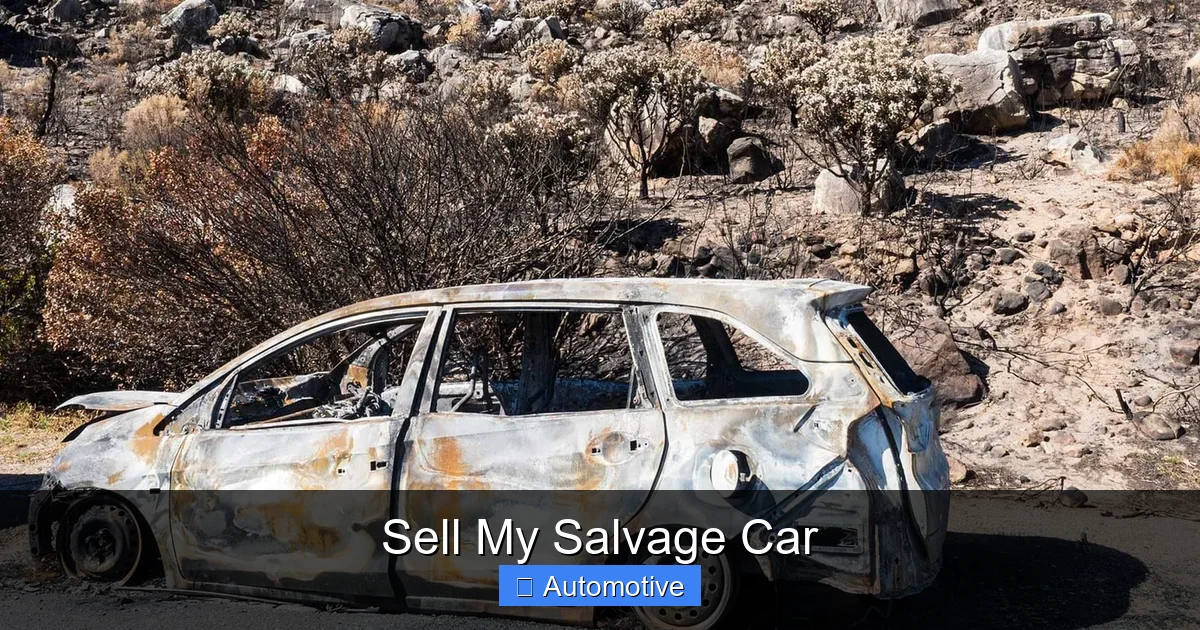
– Fire damage
– Theft recovery (if the car was damaged during theft)
– Hail or storm damage
Even if your car looks fine on the outside, internal damage—like to the frame or electrical system—can still result in a salvage title. And once that title is issued, it stays with the car forever, even if you repair it.
This is important because it affects resale value. A salvage-titled car will always be worth less than a clean-titled one, even if it’s been fully restored. But that doesn’t mean you can’t get a good deal when you sell my salvage car—it just means you need to be smart about who you sell to and how you present the vehicle.
How Much Is My Salvage Car Worth?
Visual guide about Sell My Salvage Car
Image source: cashforcars.co.uk
One of the first questions people ask when they decide to sell my salvage car is: “How much can I get for it?” The answer depends on several factors, including the car’s make, model, year, mileage, extent of damage, and local market demand.
Unlike clean-titled cars, salvage vehicles don’t have standard Kelley Blue Book (KBB) values. Instead, you’ll need to use specialized tools and do some research to estimate your car’s worth.
Factors That Affect Salvage Car Value
Here’s what buyers consider when pricing a salvage vehicle:
– Make and Model: Popular brands like Toyota, Honda, and Ford often retain more value, even in damaged condition, because parts are in high demand.
– Year and Mileage: Newer cars with low mileage are more valuable, even if damaged.
– Type of Damage: Cosmetic damage (dents, scratches) is less serious than structural or mechanical issues. Flood damage typically reduces value the most.
– Repairability: Can the car be fixed? If yes, it may be worth more to a rebuild shop or DIY mechanic.
– Location: Demand for salvage cars varies by region. Urban areas with more repair shops may offer better prices.
For example, a 2018 Honda Civic with minor front-end damage might be worth $8,000–$10,000 as a salvage vehicle, while a 2005 Ford Focus with flood damage might only fetch $1,500–$2,000.
How to Estimate Your Car’s Value
To get a realistic estimate, try these methods:
1. Use Online Valuation Tools: Websites like CarBrain, Copart, and Cash Cars Buyer offer free salvage car value estimators. Just enter your VIN, mileage, and damage details.
2. Check Local Listings: Search Facebook Marketplace, Craigslist, or eBay Motors for similar salvage cars in your area. Note the asking prices.
3. Get Multiple Quotes: Contact at least three salvage yards or online buyers and compare offers. This gives you a sense of the market rate.
Pro tip: Don’t rely on just one source. A salvage yard might lowball you, while an online buyer could offer more because they resell to rebuilders nationwide.
Example: Valuing a Salvage SUV
Let’s say you have a 2016 Toyota RAV4 with a salvage title due to rear-end collision damage. The airbags didn’t deploy, and the engine runs fine. Here’s how you might value it:
– Clean-title value (pre-accident): ~$18,000
– Estimated repair cost: $6,000
– Salvage value range: $9,000–$12,000
Why the range? Because some buyers will pay more if they can fix it cheaply and resell it. Others will only offer scrap value if the frame is bent.
By doing your homework, you can confidently say, “I know what my salvage car is worth,” and avoid accepting a bad deal.
Where Can I Sell My Salvage Car?

Visual guide about Sell My Salvage Car
Image source: carbrain.s3-accelerate.amazonaws.com
Now that you know your car’s value, it’s time to find a buyer. There are several options when you want to sell my salvage car, each with its own advantages and drawbacks.
1. Online Car Buyers
Companies like CarMax, Carvana, Vroom, and specialized salvage buyers (e.g., CarBrain, Peddle) allow you to sell your car online. You fill out a form with details about the vehicle, upload photos, and get an instant offer.
Pros:
– Fast and convenient
– Free towing in most cases
– No need to meet buyers in person
Cons:
– Offers may be lower than private sale
– Some companies only buy certain types of damage
These services are great if you want a quick, hassle-free sale. Just be honest about the damage—lying can get your offer canceled.
2. Local Salvage Yards
Salvage yards (also called junkyards or scrap yards) buy damaged cars for parts or recycling. They often pay cash on the spot.
Pros:
– Immediate payment
– No advertising or negotiation needed
– They handle towing
Cons:
– Lower offers (they resell parts for profit)
– May not accept cars with certain types of damage
Call a few yards in your area and ask for quotes. Some specialize in certain brands or models, so you might get a better deal from one over another.
3. Private Buyers
Selling directly to a private buyer—like a mechanic, car enthusiast, or DIYer—can yield the highest price. These buyers often fix cars themselves and are willing to pay more for repairable vehicles.
Pros:
– Potentially higher sale price
– More control over the transaction
Cons:
– Requires advertising and showing the car
– Risk of scams or no-shows
– You handle towing and paperwork
To sell privately, list your car on Craigslist, Facebook Marketplace, or OfferUp. Be clear about the salvage title and damage. Include photos and a detailed description.
4. Auction Sites
Platforms like Copart and IAAI (Insurance Auto Auctions) allow you to sell your salvage car to a network of licensed buyers, including rebuilders and exporters.
Pros:
– Competitive bidding can drive up price
– Access to a large buyer pool
Cons:
– Fees and commissions
– Requires registration and paperwork
– Not all cars qualify
Auctions are ideal for newer or high-demand vehicles. Older or heavily damaged cars may not attract many bids.
5. Trade-In at a Dealership
Some dealerships accept salvage cars as trade-ins, especially if you’re buying a new vehicle. However, the offer will likely be lower than other options.
Pros:
– Convenient if you’re upgrading
– One-stop transaction
Cons:
– Low trade-in value
– Not all dealers accept salvage titles
Only consider this if you’re getting a great deal on a new car and the trade-in is just a bonus.
How to Prepare Your Salvage Car for Sale
Visual guide about Sell My Salvage Car
Image source: junkthatcar.com
You don’t need a shiny, running car to sell my salvage car—but a little preparation can go a long way in boosting your offer and speeding up the sale.
Gather All Necessary Documents
Buyers will want to see:
– Salvage or rebuilt title: Proof of ownership and status
– Vehicle Identification Number (VIN): For verification
– Repair records: If the car has been fixed, show receipts
– Release of liability form: Protects you after the sale (check your state’s DMV website)
Without these, you may not be able to complete the sale legally.
Clean the Car (Even If It Doesn’t Run)
A clean car looks more valuable—even if it’s damaged. Remove personal items, vacuum the interior, and wipe down surfaces. If the exterior is dirty, a quick wash can make a big difference.
Don’t worry about major repairs. You’re not trying to restore it—just present it in the best possible light.
Take Clear Photos
Good photos help attract buyers. Take pictures from multiple angles, including:
– Front, back, and sides
– Interior (dashboard, seats, trunk)
– Damage areas (close-ups of dents, broken glass, etc.)
– Engine bay (if accessible)
Avoid dark or blurry shots. Natural daylight works best.
Write a Honest Description
When listing your car, be upfront about:
– Why it has a salvage title
– Extent of damage
– Whether it runs or drives
– Any known issues
Example: “2017 Honda Accord, salvage title due to front-end collision. Airbags deployed. Engine turns over but won’t start. Frame may be bent. Clean interior, low mileage (68,000). Sold as-is.”
Honesty builds trust and reduces the chance of disputes later.
Remove License Plates and Cancel Insurance
Once you sell my salvage car, you’ll need to:
– Remove your license plates (keep them or transfer to a new car)
– Cancel your insurance policy (contact your provider)
– Notify your state DMV (some require a release of liability form)
Don’t wait until the last minute—these steps are essential to avoid fines or liability.
Tips to Get the Best Price When You Sell My Salvage Car
You’ve done the research, found a buyer, and prepared your car. Now, how do you make sure you get top dollar?
Get Multiple Offers
Never accept the first offer you get. Contact at least three buyers—online, local, and private—and compare quotes. This gives you leverage in negotiations.
Negotiate Smartly
If a buyer lowballs you, don’t panic. Respond with: “I’ve received higher offers. Can you match $X?” Most buyers will come up if they really want the car.
Highlight the Positives
Even damaged cars have value. Emphasize:
– Low mileage
– Popular make/model
– Minimal damage
– Working engine or transmission
For example: “Only 45,000 miles—great for a rebuild!”
Avoid Scams
Watch out for:
– Buyers who offer to pay with a cashier’s check (often fake)
– Requests to ship the car before payment
– Pressure to act immediately
Stick to local, in-person transactions when possible. If selling online, use secure payment methods and verify the buyer’s identity.
Time Your Sale Right
Demand for salvage cars can vary by season. Spring and summer are often better because more people are working on projects. Avoid selling in winter unless you need cash fast.
Common Mistakes to Avoid
Even experienced sellers make errors when they sell my salvage car. Here are the most common—and how to avoid them.
Not Disclosing the Salvage Title
Hiding the fact that your car has a salvage title is illegal in most states and can lead to lawsuits. Always disclose it upfront.
Overestimating Value
It’s easy to think your car is worth more than it is. Use data, not emotions, to set your price.
Accepting the First Offer
Lowball offers are common. Always shop around.
Forgetting to Cancel Insurance
You’re still liable if the new owner gets in an accident and you didn’t cancel your policy. Do it the same day you sell.
Selling to an Unlicensed Buyer
Make sure the buyer is legitimate. Check reviews, ask for ID, and avoid cash-only deals from strangers.
Final Thoughts: Sell My Salvage Car with Confidence
Selling a salvage car might seem daunting, but it doesn’t have to be. With the right approach, you can turn a damaged vehicle into cash quickly and fairly. Start by understanding your car’s status and value, then choose the best buyer for your situation. Prepare the car and documents, be honest in your listing, and don’t rush into a deal.
Remember: just because your car has a salvage title doesn’t mean it’s worthless. There’s a whole market of buyers who see potential in damaged vehicles. Whether you sell to a salvage yard, online buyer, or private party, you can get a fair price—if you do your homework.
So go ahead—sell my salvage car with confidence. You’ve got this.
Frequently Asked Questions
Can I sell my salvage car if it doesn’t run?
Yes, you can still sell my salvage car even if it doesn’t run. Many buyers—especially salvage yards and rebuilders—purchase non-running vehicles for parts or repair. Just be clear about the condition in your listing.
Do I need a title to sell a salvage car?
Yes, you must have a salvage or rebuilt title to legally sell your car. Without it, most buyers won’t purchase the vehicle, and you can’t transfer ownership.
Will I get less money for a salvage car?
Generally, yes—salvage cars sell for less than clean-titled ones due to the damage and title status. However, you can still get a fair price by choosing the right buyer and presenting the car well.
Can I sell my salvage car to a dealership?
Some dealerships accept salvage cars as trade-ins, but offers are usually low. It’s often better to sell to a specialized buyer or privately for a higher return.
How long does it take to sell a salvage car?
It depends on the method. Online buyers and salvage yards can complete the sale in 1–3 days. Private sales may take a week or more, depending on demand.
Is it safe to sell my salvage car online?
Yes, as long as you use reputable platforms and avoid scams. Stick to well-known sites, verify buyer identity, and never accept fake checks or wire transfers.