Sell My Car Massachusetts
Selling your car in Massachusetts doesn’t have to be complicated. Whether you’re upgrading, downsizing, or just ready for a change, this guide walks you through every step—from pricing and paperwork to choosing the best selling method. Get top dollar and peace of mind with expert tips tailored for Bay State drivers.
So, you’ve decided it’s time to sell your car in Massachusetts. Maybe you’re eyeing a shiny new EV, need to downsize after the kids moved out, or just realized that old sedan isn’t cutting it anymore. Whatever your reason, selling a car can feel overwhelming—especially when you’re not sure where to start. But here’s the good news: with the right approach, you can sell your car quickly, safely, and for a fair price.
Massachusetts has its own set of rules and quirks when it comes to vehicle sales, so it’s important to go in prepared. From understanding state-specific paperwork to knowing where to list your car, this guide will walk you through everything you need to know. Whether you’re selling a beat-up hatchback or a well-maintained SUV, we’ve got practical tips, real-world examples, and insider advice to help you navigate the process like a pro.
And don’t worry—you don’t need to be a car expert or a paperwork wizard. We’ll keep things simple, friendly, and focused on what actually matters: getting the best deal with the least hassle. So grab a cup of coffee, sit back, and let’s dive into how to sell your car in Massachusetts the smart way.
In This Article
- 1 Key Takeaways
- 2 📑 Table of Contents
- 3 Why Sell Your Car in Massachusetts?
- 4 How Much Is Your Car Worth in Massachusetts?
- 5 Best Ways to Sell Your Car in Massachusetts
- 6 Required Paperwork to Sell a Car in Massachusetts
- 7 Tips to Get the Best Price When You Sell My Car Massachusetts
- 7.1 Clean and Detail Your Car
- 7.2 Fix Minor Issues
- 7.3 Gather Maintenance Records
- 7.4 Time Your Sale Right
- 7.5 Be Honest and Transparent Don’t hide problems or exaggerate features. Honesty builds trust and reduces the risk of post-sale disputes. If your car has a check engine light, say so—and explain what you’ve done about it. Price Competitively
- 8 Avoiding Scams and Staying Safe
- 9 What to Do After the Sale
- 10 Frequently Asked Questions
- 10.1 Do I need a safety inspection to sell my car in Massachusetts?
- 10.2 Can I sell my car if I still owe money on it?
- 10.3 How long does it take to sell a car in Massachusetts?
- 10.4 Do I have to pay taxes when I sell my car in Massachusetts?
- 10.5 What happens if the buyer doesn’t register the car?
- 10.6 Can I sell a car without a title in Massachusetts?
Key Takeaways
- Know your car’s value: Use tools like Kelley Blue Book or Edmunds to get an accurate estimate based on mileage, condition, and local demand in Massachusetts.
- Choose the right selling method: Decide between private sale, trade-in, or selling to a dealer or online buyer—each has pros and cons for speed, price, and convenience.
- Gather essential documents: You’ll need the title, registration, bill of sale, and a valid safety inspection to legally sell your car in MA.
- Clean and detail your vehicle: A spotless interior and exterior can increase your sale price by hundreds of dollars and attract serious buyers.
- Avoid common scams: Watch out for fake cashier’s checks, overpayment schemes, and buyers who refuse to meet in person.
- Complete the transfer properly: Notify the RMV within 10 days of sale to avoid liability and ensure the new owner registers the vehicle.
- Time it right: Spring and early summer are peak selling seasons in Massachusetts due to better weather and buyer activity.
📑 Table of Contents
Why Sell Your Car in Massachusetts?
There are countless reasons why someone might want to sell their car. Maybe you’re moving out of state and don’t want the stress of shipping a vehicle. Or perhaps your current car is costing more in repairs than it’s worth. Some people sell to upgrade to a safer, more fuel-efficient model, while others simply want to free up cash or reduce monthly expenses.
In Massachusetts, the decision to sell often comes down to practicality. The state’s harsh winters can take a toll on vehicles, especially older models. Rust, salt damage, and frequent temperature swings mean many drivers are ready to part ways with their cars sooner than in milder climates. Plus, with rising gas prices and growing interest in electric vehicles (EVs), more Bay Staters are looking to trade in gas guzzlers for something more efficient.
Another big factor? Timing. Massachusetts sees a spike in car sales during spring and early summer. Warmer weather makes it easier for buyers to inspect vehicles, and many people prefer to shop before the school year starts or before winter hits again. If you’re looking to sell your car in Massachusetts, these months often offer the best combination of buyer interest and favorable conditions.
But beyond timing and weather, selling your car can also be a smart financial move. Even if your vehicle isn’t brand new, there’s likely still value in it—especially if it’s been well-maintained. With used car prices remaining relatively strong (thanks to ongoing supply chain issues and high demand), now could be a great time to cash in.
How Much Is Your Car Worth in Massachusetts?
Visual guide about Sell My Car Massachusetts
Image source: images.template.net
Before you list your car for sale, you need to know what it’s actually worth. Pricing it too high could leave it sitting on the market for months. Price it too low, and you’re leaving money on the table. So how do you find that sweet spot?
Start by using trusted online valuation tools like Kelley Blue Book (KBB), Edmunds, or NADA Guides. These platforms let you input your car’s make, model, year, mileage, condition, and features to get an estimated value. But here’s the catch: these values are national averages. To get a more accurate picture for Massachusetts, you’ll want to adjust based on local factors.
For example, a 2018 Honda CR-V with 60,000 miles might be worth $18,000 nationally, but in Massachusetts—where SUVs are popular and winters demand all-wheel drive—you might be able to ask for $19,000 or more. On the flip side, a compact car with high mileage might not command as high a price in a state where people prioritize space and durability.
Another smart move? Check local listings. Browse sites like Craigslist, Facebook Marketplace, and Autotrader to see what similar cars are selling for in your area. Pay attention to how long they’ve been listed—if a car has been up for weeks, it might be overpriced. If it sells within days, that’s a sign of strong demand.
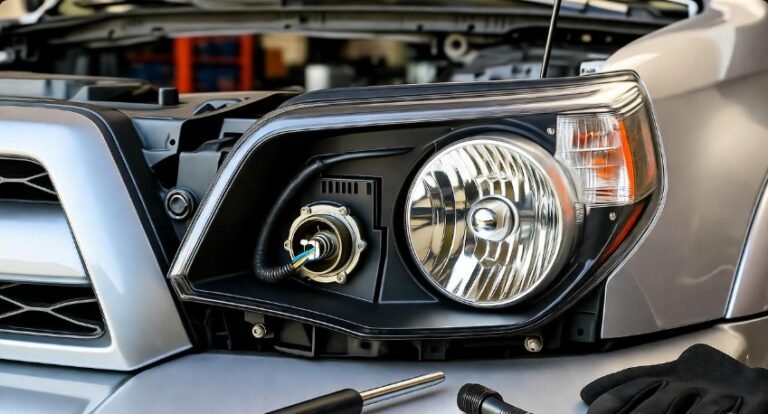
Don’t forget to factor in your car’s condition. A vehicle with a clean interior, fresh oil change, and new tires will always fetch a higher price than one that looks neglected. Even small fixes—like replacing a burnt-out headlight or fixing a dent—can boost your sale price by hundreds of dollars.
Pro tip: Be honest about your car’s flaws. Hiding issues might get you a quick sale, but it could lead to disputes or even legal trouble down the line. Transparency builds trust and helps you attract serious buyers.
Best Ways to Sell Your Car in Massachusetts
Visual guide about Sell My Car Massachusetts
Image source: cashforcars.com
Now that you know your car’s value, it’s time to decide how to sell it. In Massachusetts, you’ve got several options—each with its own advantages and trade-offs. Let’s break them down.
Sell Privately
Selling your car privately—meaning directly to another individual—is often the most profitable route. You cut out the middleman, which means more money in your pocket. On average, private sales in Massachusetts can net you 10–20% more than trading in or selling to a dealer.
But it’s not all sunshine and rainbows. Private sales take more time and effort. You’ll need to create a compelling listing, respond to inquiries, schedule test drives, and negotiate with buyers. There’s also the risk of scams, no-shows, and safety concerns when meeting strangers.
To succeed, start with a strong online listing. Use high-quality photos taken in good lighting—show the exterior, interior, engine bay, and any special features. Write a clear, honest description that highlights your car’s best qualities and mentions any recent maintenance or upgrades.
Popular platforms for private sales in Massachusetts include:
– Facebook Marketplace (great for local reach)
– Craigslist (still widely used, but be cautious of scams)
– Autotrader (more professional, but may charge a fee)
– OfferUp (mobile-friendly and easy to use)
Always meet potential buyers in a public place—like a police station parking lot or busy shopping center—and bring a friend if possible. Never accept personal checks or wire transfers. Cash or a cashier’s check from a local bank is safest.
Trade It In at a Dealership
If convenience is your top priority, trading in your car at a dealership might be the way to go. Most Massachusetts dealerships accept trade-ins, and the process is usually quick and hassle-free. You can often drive off in your new car the same day.
The downside? You’ll typically get less money than you would in a private sale. Dealers need to make a profit, so they’ll offer you a lower value knowing they’ll resell the car at a markup. However, the trade-in value can be applied directly to your new purchase, which may reduce your sales tax (in Massachusetts, you only pay tax on the difference between the new car price and trade-in value).
To get the best trade-in offer, shop around. Get quotes from at least three different dealerships—don’t just accept the first one. And remember: the value of your trade-in is separate from the price of the new car. Negotiate them independently to avoid getting a bad overall deal.
Sell to a Car Buying Service
In recent years, online car buying services have exploded in popularity. Companies like CarMax, Carvana, Vroom, and Shift make it easy to sell your car in Massachusetts with minimal effort. You simply enter your car’s details online, get an instant offer, schedule a free inspection, and receive payment—often within 24 hours.
These services are ideal if you want a fast, no-hassle sale. They handle all the paperwork, and many even offer free towing if your car isn’t running. Plus, they’re licensed and regulated, so you don’t have to worry about scams.
The trade-off? You’ll likely get less than you would in a private sale. These companies buy in bulk and resell at a profit, so their offers are conservative. But for many sellers, the speed and convenience are worth it—especially if you need cash fast or don’t want to deal with strangers.
Sell to a Local Dealer or Junkyard
If your car is old, damaged, or not running, you might consider selling it to a local used car dealer or junkyard. Many Massachusetts junkyards and salvage yards will buy non-running vehicles for parts or scrap metal.
This option won’t make you rich—most junk cars sell for a few hundred dollars at most—but it’s a great way to get rid of a vehicle that’s costing you money in storage or repairs. Just make sure to get multiple quotes and verify that the buyer is licensed and reputable.
Required Paperwork to Sell a Car in Massachusetts
Visual guide about Sell My Car Massachusetts
Image source: cashforcars.com
Selling a car isn’t just about handing over the keys—it involves legal paperwork to protect both you and the buyer. In Massachusetts, failing to complete the proper documents can lead to fines, liability issues, or even trouble with the RMV.
Here’s what you’ll need:
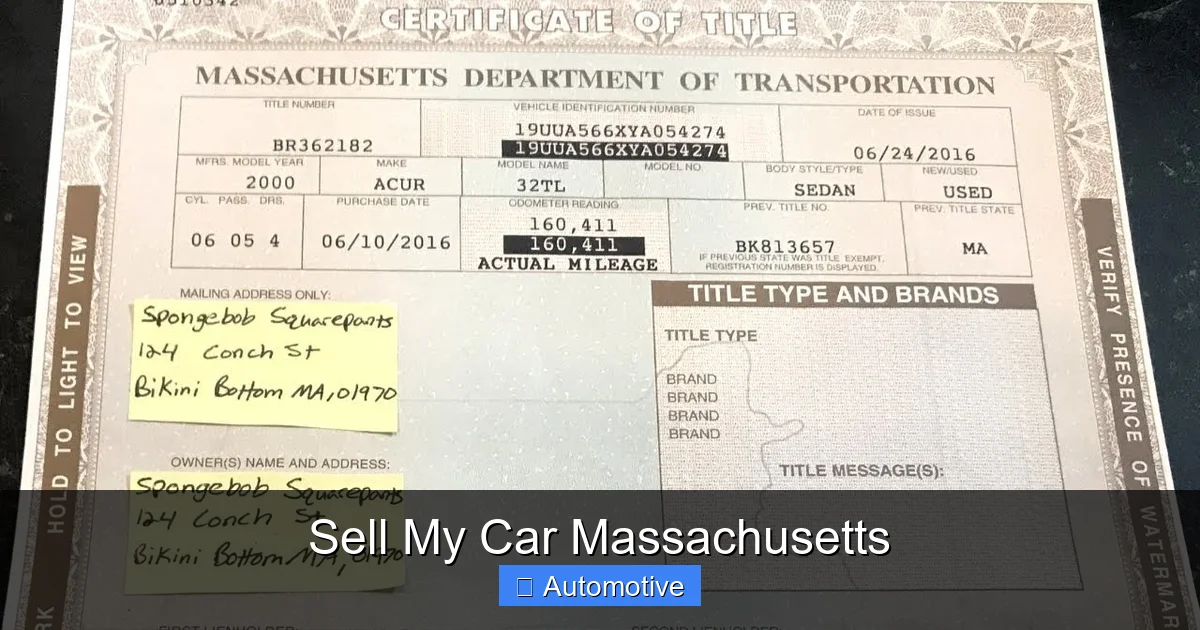
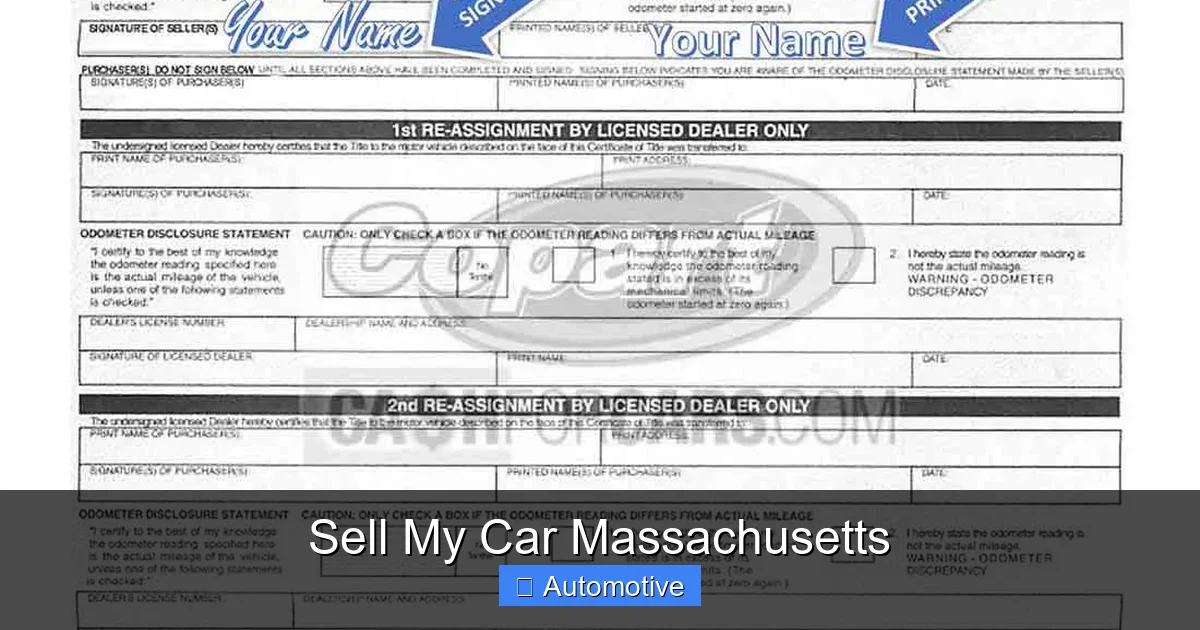
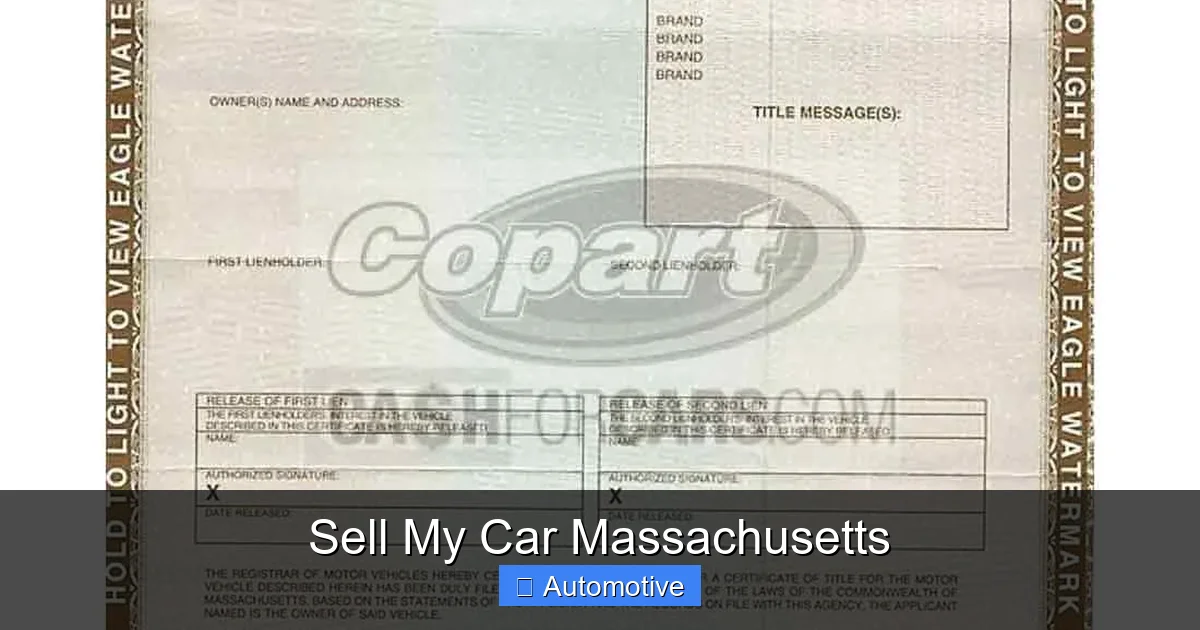
Vehicle Title
The title is the most important document. It proves you own the car and have the right to sell it. Make sure the title is signed correctly by all owners listed. If there’s a lien (loan) on the car, it must be paid off and the lien released before you can sell.
If you’ve lost your title, you can apply for a duplicate through the Massachusetts RMV. It takes about 7–10 business days and costs $20.
Bill of Sale
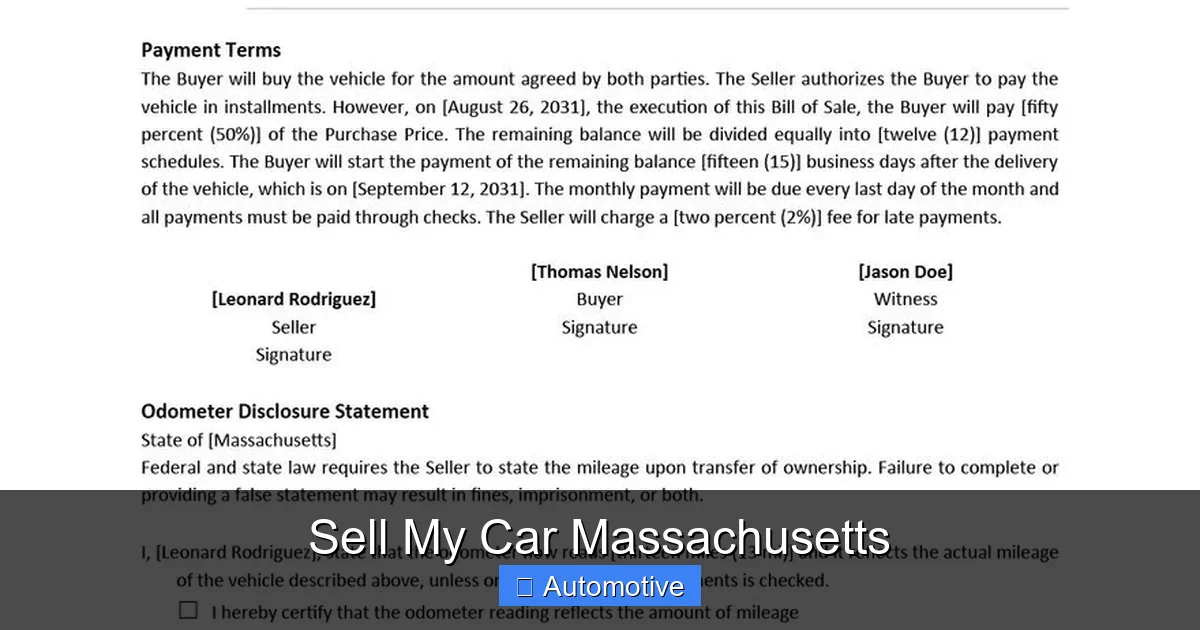
While not legally required in Massachusetts, a bill of sale is highly recommended. It serves as a record of the transaction and includes details like the sale price, date, and both parties’ information. You can download a free template from the RMV website or create your own.
Registration and License Plates
You must remove your license plates before handing over the car. In Massachusetts, plates stay with the owner, not the vehicle. The buyer will need to register the car in their name and get new plates.
Keep your registration as proof that you owned the car up until the sale date. This can help protect you if the buyer doesn’t register the vehicle promptly.
Safety and Emissions Inspection
Massachusetts requires a valid safety and emissions inspection for most vehicles. If your car’s inspection is expired, you’ll need to get it renewed before selling. Some buyers may refuse to purchase a car without a current inspection, so it’s best to handle this ahead of time.
Odometer Disclosure
For vehicles less than 10 years old, federal law requires an odometer disclosure statement. This confirms the mileage at the time of sale and helps prevent fraud. Most bill of sale templates include this section.
Release of Liability
After the sale, you must notify the RMV that you’ve transferred ownership. This is done by submitting a “Notice of Sale” form (available online or at RMV branches) within 10 days. This step is crucial—it releases you from liability if the buyer gets into an accident or receives a ticket before registering the car.
Tips to Get the Best Price When You Sell My Car Massachusetts
Want to maximize your sale price? These proven tips can help you stand out in a competitive market.
Clean and Detail Your Car
First impressions matter. A clean car looks well-maintained and trustworthy. Invest in a professional detail or do it yourself with a good vacuum, upholstery cleaner, and wax. Don’t forget the trunk, cup holders, and under the seats.
Fix Minor Issues
You don’t need to rebuild the engine, but small fixes can make a big difference. Replace burnt-out bulbs, fix cracked windshields, and address minor dents or scratches. A $50 repair could add $200 to your sale price.
Gather Maintenance Records
Buyers love proof that a car has been cared for. Compile receipts for oil changes, tire rotations, brake jobs, and any major repairs. This builds confidence and can justify a higher asking price.
Time Your Sale Right
As mentioned earlier, spring and early summer are peak selling seasons in Massachusetts. Avoid listing in late fall or winter unless you’re in a hurry. More buyers mean more competition—and better offers.
Be Honest and Transparent
Don’t hide problems or exaggerate features. Honesty builds trust and reduces the risk of post-sale disputes. If your car has a check engine light, say so—and explain what you’ve done about it.
Price Competitively
Set your price slightly above what you’re willing to accept to leave room for negotiation. But don’t go too high—buyers will scroll past overpriced listings. Check similar cars in your area and price accordingly.
Avoiding Scams and Staying Safe
Unfortunately, car scams are common—especially in online sales. Protect yourself with these safety tips.
Watch for Red Flags
– Buyers who offer to pay more than the asking price
– Requests to ship the car or use a third-party escrow service
– Payments via wire transfer, gift cards, or cryptocurrency
– Buyers who refuse to meet in person or inspect the car
Meet in Safe Locations
Always meet in a public, well-lit area during daylight hours. Police station parking lots are ideal—many have designated “safe exchange zones.” Bring a friend and let someone know where you’re going.
Verify Payment
Only accept cash or a cashier’s check from a local bank. Ask to accompany the buyer to the bank to verify the check before handing over the keys.
Avoid giving out your home address, Social Security number, or bank details. Scammers may use this information for identity theft.
What to Do After the Sale
Once the deal is done, your responsibilities aren’t over. Here’s what to do next:
1. **Remove license plates** and any personal items from the car.
2. **Submit the Notice of Sale** to the RMV within 10 days.
3. **Cancel your insurance** on the vehicle—don’t wait for the policy to expire.
4. **Keep copies** of all paperwork for your records.
5. **Follow up** if the buyer doesn’t register the car within a few weeks (you can check via the RMV).
Taking these steps ensures a clean break and protects you from future liability.
Selling your car in Massachusetts doesn’t have to be stressful. With the right preparation, pricing, and paperwork, you can turn your old vehicle into cash quickly and safely. Whether you choose a private sale, trade-in, or online buyer, the key is to stay informed, be honest, and prioritize your safety.
Remember: the goal isn’t just to sell your car—it’s to sell it the right way. By following this guide, you’ll avoid common pitfalls, get a fair price, and walk away with peace of mind. So go ahead—list that car, meet that buyer, and enjoy the freedom that comes with a successful sale.
Frequently Asked Questions
Do I need a safety inspection to sell my car in Massachusetts?
Yes, most vehicles must have a valid safety and emissions inspection to be sold in Massachusetts. If your inspection is expired, you’ll need to renew it before listing the car.
Can I sell my car if I still owe money on it?
You can sell a car with an outstanding loan, but the loan must be paid off first. The buyer can pay the lender directly, or you can use the sale proceeds to settle the debt.
How long does it take to sell a car in Massachusetts?
It varies. Private sales can take a few days to several weeks, while selling to a dealer or online service can happen in 24–48 hours.
Do I have to pay taxes when I sell my car in Massachusetts?
No, you don’t pay taxes on the sale. However, if you trade in your car, you only pay sales tax on the difference between the new car price and trade-in value.
What happens if the buyer doesn’t register the car?
You’re still liable until the RMV is notified. Submit the Notice of Sale form within 10 days to protect yourself from fines or accidents.
Can I sell a car without a title in Massachusetts?
No, you must have a valid title to sell a car. If you’ve lost it, apply for a duplicate through the RMV before listing the vehicle.