
Sell My Car Junkyard

If your car is broken, wrecked, or simply no longer running, selling it to a junkyard might be your best option. Junkyards offer quick cash, free towing, and hassle-free paperwork—making it easy to turn a clunker into instant money.
[FEATURED_IMAGE_PLACEOLDER]
So, your car has finally given up the ghost. Maybe it won’t start, the transmission is shot, or it’s been sitting in the driveway for months collecting dust. You’ve tried fixing it, but the repair costs are piling up faster than you can say “check engine light.” At this point, you’re not just thinking about getting rid of it—you’re seriously considering the phrase, “sell my car junkyard.”
And honestly? That might be the smartest move you’ve made all year.
Selling your car to a junkyard isn’t about giving up. It’s about making a practical, eco-friendly, and financially sound decision. Whether your vehicle is totaled, non-running, or just too old to be worth fixing, junkyards are in the business of buying cars—no matter their condition. Unlike private sales or trade-ins, where you’d need a working car and a willing buyer, junkyards specialize in vehicles that most people would consider “worthless.” But to them, every car has value—whether it’s in usable parts, scrap metal, or recyclable materials.
In this guide, we’ll walk you through everything you need to know about selling your car to a junkyard. From understanding how junkyards work to getting the best price and avoiding scams, we’ve got you covered. By the end, you’ll feel confident, informed, and ready to turn that old clunker into cash—without the headache.
Key Takeaways
- Junkyards buy cars in any condition: Even if your vehicle doesn’t start or has major damage, most junkyards will still make an offer.
- Get paid quickly: Many junkyards provide same-day payment, often in cash or via electronic transfer.
- Free towing included: Most reputable junkyards offer free pickup, saving you time and money on towing fees.
- No need for repairs: You don’t have to fix anything before selling—junkyards purchase vehicles “as-is.”
- Environmental benefits: Selling to a junkyard ensures your car is recycled responsibly, reducing landfill waste.
- Compare multiple quotes: Getting offers from several junkyards helps you secure the best price for your vehicle.
- Prepare your paperwork: Have your title, ID, and registration ready to speed up the selling process.
📑 Table of Contents
- Why Sell Your Car to a Junkyard?
- How Junkyards Determine Your Car’s Value
- The Step-by-Step Process to Sell My Car Junkyard
- Tips to Get the Best Price When You Sell My Car Junkyard
- Avoiding Scams and Choosing a Reputable Junkyard
- Environmental and Legal Considerations
- Alternatives to Selling to a Junkyard
- Conclusion
Why Sell Your Car to a Junkyard?
Let’s be real: not every car is destined for a second life on the road. Some vehicles reach the end of their journey long before their time—due to accidents, mechanical failures, or simply age. When that happens, selling to a junkyard isn’t just an option; it’s often the most logical choice.
One of the biggest advantages of selling to a junkyard is convenience. You don’t need to spend hours cleaning the car, fixing minor issues, or advertising it online. You don’t have to meet strangers for test drives or haggle over price. Instead, you call a junkyard, get a quote, and schedule a pickup—often within 24 hours.
Another major benefit is speed. If you’re in a financial pinch or just want to clear space in your garage, junkyards can provide same-day payment. Many operate on a “cash on the spot” model, meaning you walk away with money in hand (or in your bank account) the moment they tow your car away.
But perhaps the most underrated reason to sell to a junkyard is environmental responsibility. Modern junkyards are not the scrap heaps of the past. They’re highly regulated facilities that follow strict environmental guidelines. When you sell your car to a reputable junkyard, you’re ensuring that hazardous materials like oil, coolant, and battery acid are safely removed and disposed of. The remaining metal is recycled, reducing the need for new raw materials and lowering your carbon footprint.
Common Misconceptions About Junkyards
Despite their benefits, junkyards still carry a bit of a stigma. Some people imagine grimy lots filled with rusted cars and shady characters. But today’s junkyards are far from that stereotype. Many are licensed, insured, and operate with transparency and professionalism.
One common myth is that junkyards only pay pennies on the dollar. While it’s true that you won’t get the same price as a private sale, junkyards often offer fair market value based on your car’s weight, condition, and demand for parts. For example, a 2005 Honda Civic with a blown engine might fetch $300–$600, depending on local scrap metal prices and the value of its usable components.
Another misconception is that you need a running car to sell. Not true. Junkyards specialize in non-running vehicles. In fact, many prefer them because they can extract more value from parts and metal without the hassle of test-driving or repairing.
Finally, some people worry about scams. While there are dishonest operators out there, most junkyards are legitimate businesses. To protect yourself, always verify their license, read online reviews, and get a written quote before agreeing to anything.
How Junkyards Determine Your Car’s Value
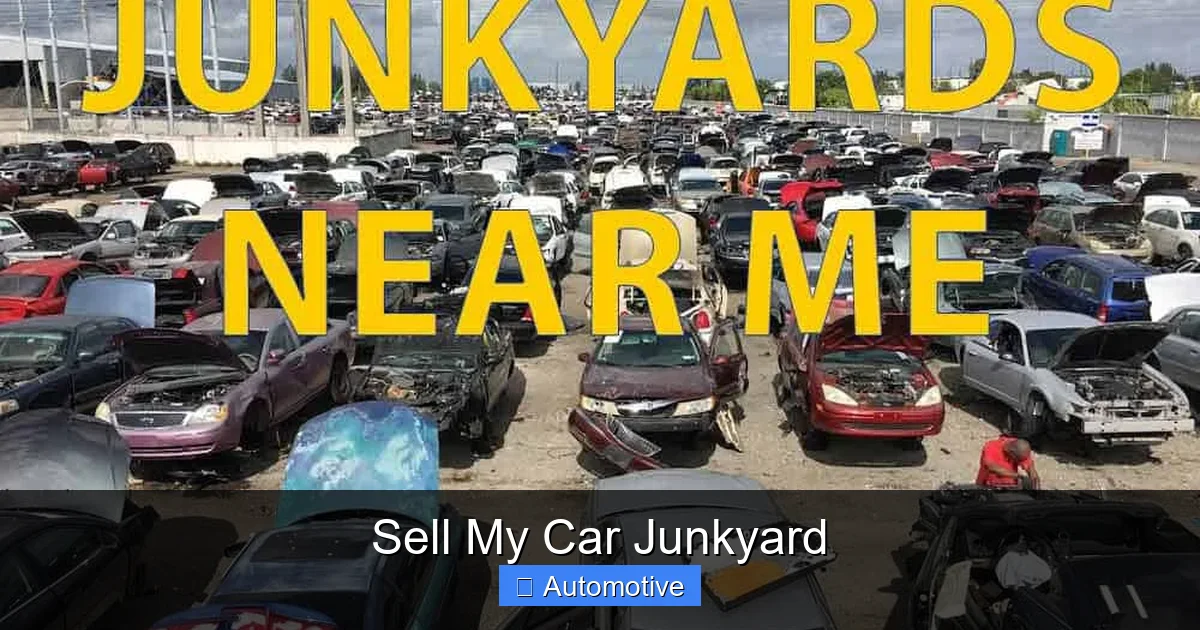
Visual guide about Sell My Car Junkyard
Image source: u-pull-it.com
So, how exactly do junkyards decide how much to pay for your car? It’s not just a random number—there’s a method behind the madness. Understanding this process can help you set realistic expectations and even negotiate a better deal.
The primary factor is scrap metal value. Cars are mostly made of steel, aluminum, and other metals that can be melted down and reused. Junkyards weigh your vehicle and calculate its worth based on current market prices for scrap metal. For example, if steel is trading at $150 per ton and your car weighs 2,800 pounds (1.4 tons), the base scrap value would be around $210.
But that’s just the starting point. Junkyards also consider the condition of your car and the demand for its parts. A vehicle with a working transmission, good tires, or a salvageable engine can fetch significantly more than one that’s completely stripped or rusted. For instance, a 2010 Toyota Camry with a functional alternator and catalytic converter might be worth $500–$800, even if it doesn’t run.
Location also plays a role. Prices can vary by region due to differences in scrap metal demand, labor costs, and local regulations. Urban areas with more junkyards may offer competitive bids, while rural areas might have fewer options—and lower prices.
Factors That Increase Your Car’s Junk Value
Not all cars are created equal when it comes to junk value. Certain factors can boost your payout, even if your vehicle is beyond repair.
First, the make and model matter. Popular cars like Honda, Toyota, and Ford often have higher resale value because their parts are in demand. A junkyard might pay more for a Honda Accord than a rare import because they know they can sell the Accord’s parts quickly.
Second, the year of the vehicle affects value. Newer cars (within the last 10–15 years) tend to have more valuable components and higher scrap metal content. A 2015 Ford F-150, for example, will generally be worth more than a 1998 model, even if both are non-running.
Third, the presence of valuable parts can increase your offer. Items like catalytic converters (which contain precious metals), airbags, GPS systems, and working electronics can add $50–$300 or more to your total payout.
Finally, the condition of the body and frame matters. A car with minimal rust and no major collision damage is easier to dismantle and recycle, making it more attractive to junkyards.
The Step-by-Step Process to Sell My Car Junkyard
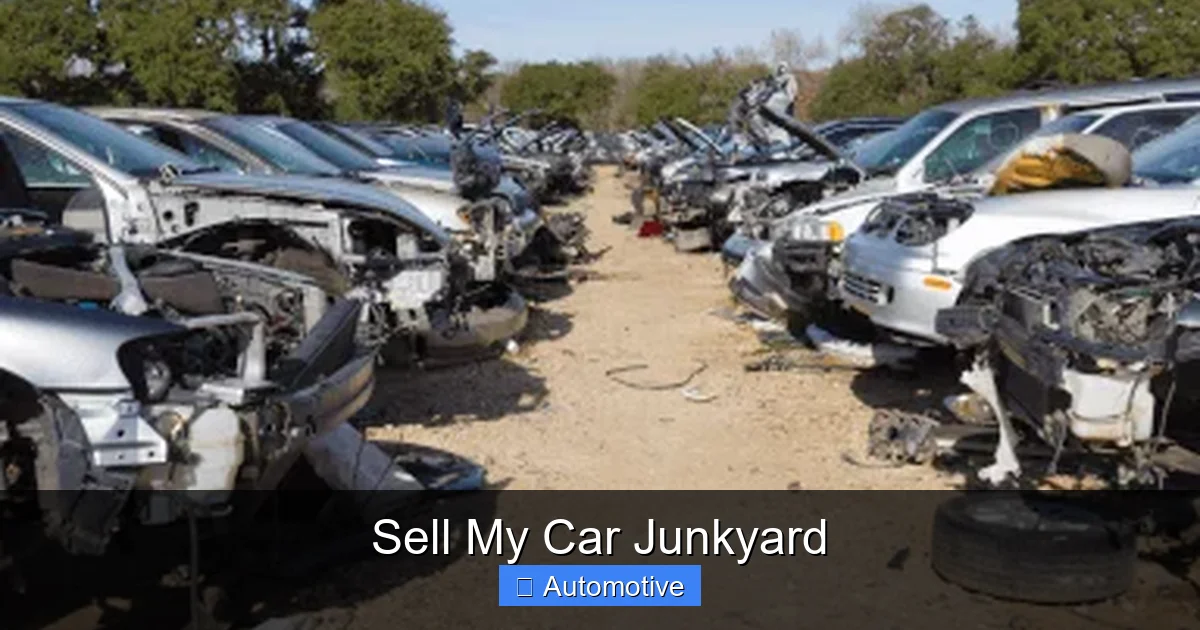
Visual guide about Sell My Car Junkyard
Image source: junkcarmasters.s3-us-west-2.amazonaws.com
Ready to sell your car to a junkyard? The process is simpler than you might think. Here’s a step-by-step guide to help you navigate it smoothly.
Step 1: Gather Your Documents
Before you do anything, make sure you have the necessary paperwork. You’ll need:
– The vehicle’s title (signed over to you or with a lien release if applicable)
– Your driver’s license or state ID
– Registration (optional but helpful)
– Proof of insurance (if required by your state)
If you’ve lost your title, contact your local DMV to get a duplicate. Most junkyards won’t accept a car without a clear title, as they need to prove legal ownership before reselling or recycling.
Step 2: Get Multiple Quotes
Don’t settle for the first offer you receive. Call at least three local junkyards or use online services like Cash Auto Salvage, Peddle, or CarBrain to get instant quotes. These platforms allow you to enter your car’s details (year, make, model, condition) and receive a price estimate within minutes.
When comparing quotes, look beyond the dollar amount. Consider whether the junkyard offers free towing, same-day pickup, and payment in cash. Some companies may offer a higher quote but charge hidden fees for towing or processing.
Step 3: Schedule a Pickup
Once you’ve chosen a junkyard, schedule a pickup time that works for you. Most companies offer same-day or next-day service, especially if your car is already parked and accessible. Make sure the vehicle is empty—remove all personal items, license plates, and any valuables.
If your car is in a difficult location (like a ditch or garage), let the junkyard know in advance. They may charge extra for specialized equipment, but many will still accommodate you.
Step 4: Complete the Sale
When the tow truck arrives, the driver will inspect your car and verify the details. They’ll check the VIN, confirm the condition, and ensure the title matches the vehicle. Once everything checks out, they’ll hand you the payment—usually in cash or via electronic transfer.
After payment, the driver will tow your car away. You’ll receive a receipt or bill of sale, which you should keep for your records. This document proves the transfer of ownership and protects you from liability if the car is later involved in an accident or crime.
Step 5: Notify the DMV
In most states, you’re required to notify the DMV that you’ve sold your vehicle. This step releases you from responsibility for parking tickets, tolls, or accidents involving the car. You can usually do this online or by mailing a form. Some junkyards will handle this for you, but it’s best to confirm.
Tips to Get the Best Price When You Sell My Car Junkyard
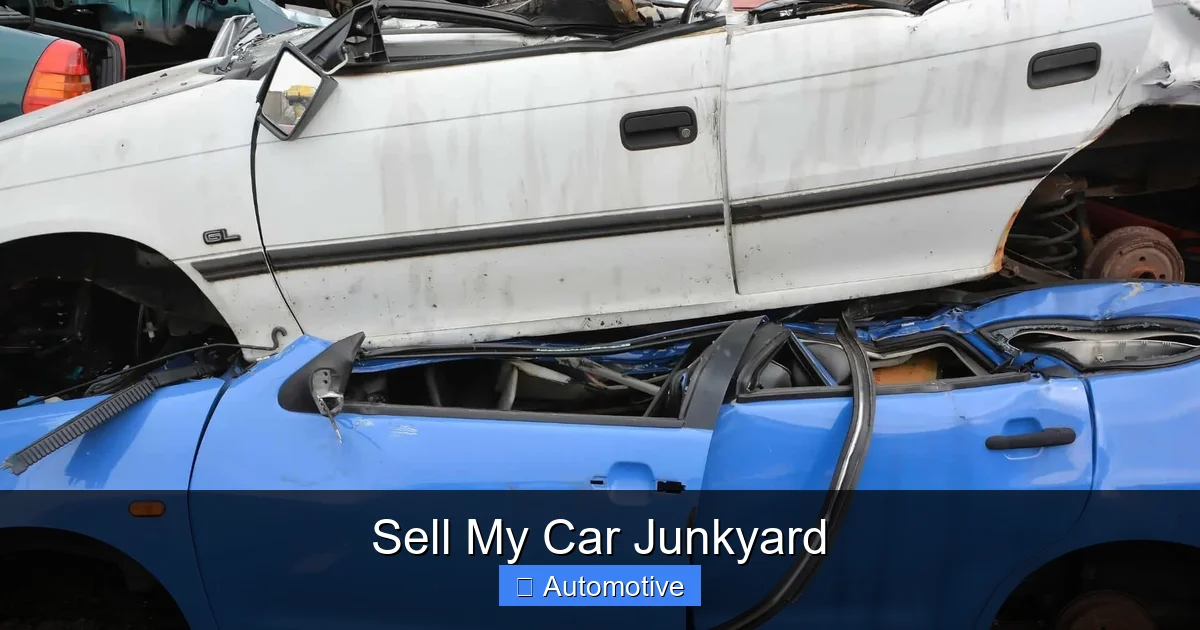
Visual guide about Sell My Car Junkyard
Image source: cashforclunkers.org
Want to maximize your payout? A few smart moves can make a big difference.
First, clean out your car before pickup. While junkyards don’t care about interior cleanliness, removing trash, personal items, and fluids (like oil or coolant) shows you’re serious and may earn you a better offer.
Second, highlight valuable parts. If your car has a working radio, GPS, or recent tires, mention them when getting quotes. Some junkyards will increase their offer if they know they can resell those components.
Third, time your sale wisely. Scrap metal prices fluctuate based on global demand. Selling during periods of high steel prices (often in spring and summer) can boost your payout. Check scrap metal price trends online before listing your car.
Fourth, avoid lowball offers. If a junkyard quotes significantly less than others, ask why. Sometimes they’re factoring in towing costs or assuming the car is in worse condition. Be honest about your vehicle’s state and push back if the offer seems unfair.
Finally, consider selling parts separately. If you’re handy, you might remove high-value components (like the catalytic converter or alternator) and sell them online before scrapping the rest. This can net you more money, though it requires time and effort.
Avoiding Scams and Choosing a Reputable Junkyard
While most junkyards are trustworthy, scams do exist. Protect yourself by doing your homework.
Start by checking if the junkyard is licensed and insured. Ask for their business license number and verify it with your state’s department of motor vehicles or environmental agency. Licensed junkyards are more likely to follow regulations and treat customers fairly.
Read online reviews on Google, Yelp, or the Better Business Bureau. Look for patterns—consistent complaints about lowball offers, hidden fees, or no-show pickups are red flags.
Avoid companies that pressure you to decide immediately or demand payment upfront. Legitimate junkyards won’t ask for money to tow your car. They make their profit from reselling parts and scrap, not from charging sellers.
Also, be wary of “middlemen” who claim to connect you with junkyards but take a cut. These brokers often inflate quotes and disappear after taking your information. Deal directly with the junkyard whenever possible.
Red Flags to Watch For
– No physical address or website
– Refusal to provide a written quote
– Pressure to sign documents without reading
– Payment in gift cards or untraceable methods
– No proof of insurance or licensing
If something feels off, trust your gut and walk away. There are plenty of reputable junkyards ready to give you a fair deal.
Environmental and Legal Considerations
Selling your car to a junkyard isn’t just good for your wallet—it’s good for the planet. Modern junkyards follow strict environmental standards to prevent pollution and protect natural resources.
When a car arrives at a junkyard, it goes through a detailed recycling process. Fluids like oil, coolant, brake fluid, and gasoline are drained and disposed of safely. Batteries are removed and recycled. Tires are sent to specialized facilities. Even the airbags are carefully deployed and recycled.
The remaining metal is crushed and sent to steel mills, where it’s melted down and reused to make new products. This reduces the need for mining raw materials and lowers greenhouse gas emissions. In fact, recycling one car saves enough energy to power an average home for six months.
Legally, junkyards must comply with state and federal regulations. They’re required to maintain records of every vehicle they purchase, report transactions to the DMV, and follow hazardous waste disposal guidelines. This ensures that your car is handled responsibly and doesn’t end up polluting a landfill.
Alternatives to Selling to a Junkyard
While junkyards are a great option, they’re not your only choice. Depending on your car’s condition, you might consider other avenues.
If your vehicle still runs but needs minor repairs, selling it privately could fetch a higher price. Platforms like Craigslist, Facebook Marketplace, or Autotrader allow you to reach buyers directly. Just be prepared to handle negotiations, meet potential buyers, and manage paperwork.
Donating your car is another option. Many charities accept non-running vehicles and offer tax deductions. Organizations like Goodwill, the Salvation Army, and Vehicles for Veterans will often tow your car for free and provide a receipt for your taxes.
You could also sell it to a private scrap buyer or metal recycler. These individuals or small businesses may pay cash for your car on the spot, though they often offer less than licensed junkyards.
Finally, some dealerships accept non-running trade-ins, especially if you’re buying a new car. While the offer might be low, the convenience of a one-stop transaction can be worth it.
Conclusion
Selling your car to a junkyard doesn’t have to be a last resort. It’s a smart, practical, and environmentally responsible choice for vehicles that are beyond repair. With free towing, quick payment, and no need for repairs, it’s one of the easiest ways to turn a clunker into cash.
By understanding how junkyards value cars, preparing your paperwork, and comparing quotes, you can get a fair price and avoid scams. Whether your car is totaled, non-running, or just too old to keep, there’s a junkyard ready to give it a second life.
So the next time you find yourself typing “sell my car junkyard” into a search engine, remember: you’re not giving up. You’re making a move that benefits your wallet, your space, and the planet. And that’s something to feel good about.
Frequently Asked Questions
Can I sell my car to a junkyard if it doesn’t run?
Yes, absolutely. Junkyards specialize in buying non-running vehicles. Whether your car has a dead engine, bad transmission, or won’t start at all, they’ll still make an offer based on its scrap and parts value.
Do I need a title to sell my car to a junkyard?
In most cases, yes. A valid title proves you own the vehicle and allows the junkyard to legally process it. If you’ve lost your title, contact your local DMV to request a duplicate before selling.
How much money can I get for my junk car?
Prices vary widely based on your car’s year, make, model, weight, and condition. On average, you can expect $100–$800, with some high-demand vehicles fetching over $1,000. Get multiple quotes to find the best offer.
Is it free to tow my car to the junkyard?
Most reputable junkyards offer free towing as part of their service. They’ll send a tow truck to your location—whether it’s your home, workplace, or roadside—and haul the car away at no cost to you.
What happens to my car after I sell it to a junkyard?
Your car is typically dismantled for usable parts, which are cleaned and resold. The remaining metal is crushed and recycled. Fluids and hazardous materials are safely disposed of to protect the environment.
Can I sell a car with a lien to a junkyard?
It depends. If there’s an outstanding loan, the lienholder must be paid first. Some junkyards will work with you to pay off the lien directly, while others may require you to clear the debt before selling. Always check with the junkyard and your lender beforehand.
