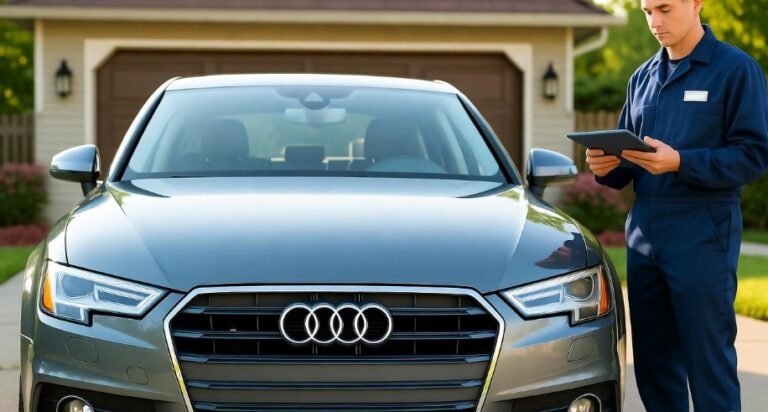
Sell My Car by Parts
Selling your car by parts can be a smart financial move, especially if your vehicle is damaged, old, or beyond repair. By breaking it down and selling components individually, you often earn more than trading it in or selling it whole—especially for rare, high-demand, or well-maintained parts.
This is a comprehensive guide about sell my car by parts.
In This Article
- 1 Key Takeaways
- 2 Why Sell My Car by Parts?
- 3 How Much Can You Really Make?
- 4 When Is It Worth Selling by Parts?
- 5 How to Prepare Your Car for Parts Selling
- 6 Which Parts Are Most Valuable?
- 7 Where to Sell Your Car Parts
- 8 Safety, Legal, and Environmental Considerations
- 9 Tips to Maximize Your Profit
- 10 Common Mistakes to Avoid
- 11 Conclusion
- 12 Frequently Asked Questions
Key Takeaways
- Higher profits: Selling parts individually typically yields more money than selling the entire car, especially for salvage or non-running vehicles.
- Targeted buyers: Different parts appeal to different markets—mechanics, restorers, DIYers, and dealerships—so knowing your audience helps.
- Legal and safety first: Always drain fluids, follow local laws, and document the sale to avoid liability issues.
- High-value parts: Focus on engines, transmissions, electronics, and body panels—these fetch the best prices.
- Time and space required: Dismantling and storing parts takes effort, tools, and room—plan accordingly.
- Online platforms matter: Use eBay, Facebook Marketplace, and auto salvage networks to reach serious buyers quickly.
- Environmental benefits: Recycling car parts reduces waste and supports sustainable automotive practices.
[FEATURED_IMAGE_PLACEHOLDER]
Why Sell My Car by Parts?
So, your car’s seen better days. Maybe it won’t start, the transmission’s shot, or the frame’s rusted beyond repair. You could junk it for a few hundred bucks—or you could sell my car by parts and potentially walk away with thousands. It might sound like a lot of work, but for the right vehicle, it’s one of the smartest financial decisions you can make.
Unlike selling a whole car, where buyers expect everything to work perfectly, selling parts lets you capitalize on what’s still valuable. Even if the engine is toast, that alternator, radio, or set of alloy wheels could be gold to the right person. And with the rise of online marketplaces and DIY car culture, demand for used auto parts has never been higher. Whether you’re dealing with a classic muscle car, a modern SUV, or a compact hatchback, there’s likely someone out there who needs exactly what you’ve got.
How Much Can You Really Make?
Let’s talk numbers—because that’s what really matters. A non-running car might fetch $300–$800 at a junkyard. But if you sell my car by parts, you could easily double, triple, or even quadruple that amount. For example, a used engine in decent condition can sell for $1,000–$3,000. A working transmission? Another $800–$2,000. Add in electronics like infotainment systems, sensors, or cameras, and you’re looking at serious cash.
Take a 2015 Honda Civic with a blown head gasket. The whole car might get you $500 as-is. But sell the engine separately ($1,200), the transmission ($900), the wheels and tires ($400), the bumper and headlights ($300), and the interior parts like the radio and seats ($200), and you’ve just made over $3,000. That’s a six-fold increase! Of course, results vary based on make, model, year, and condition—but the potential is real.
Real-World Example: The $4,200 Honda Accord
One DIY seller in Ohio had a 2012 Honda Accord with a seized engine. Instead of scrapping it, they spent two weekends removing high-value parts. They sold the engine for $1,800, the transmission for $1,100, the wheels for $500, the bumper and grille for $300, and smaller items like the alternator, starter, and radio for another $500. Total take: $4,200. Not bad for a car that was otherwise headed to the crusher.
When Is It Worth Selling by Parts?
Not every car is a goldmine. But if your vehicle falls into one of these categories, sell my car by parts might be your best bet.
Non-Running or Salvage Vehicles
If your car doesn’t start or has major mechanical issues, selling it whole is tough. But individual parts—especially if they’re in good shape—can still be valuable. A dead engine doesn’t mean the AC compressor, power steering pump, or suspension components are worthless.
Older or Classic Cars
Vintage and classic cars often have rare parts that collectors and restorers are eager to buy. Even if the car isn’t drivable, original bumpers, trim, gauges, or carburetors can fetch top dollar. A 1970 Chevelle with a rusty body might still have a mint-condition dashboard or rare factory wheels worth hundreds each.
High-Mileage Cars with Good Components
Just because a car has 200,000 miles doesn’t mean every part is worn out. Electronics, interior trim, and body panels often last much longer. If your high-mileage Toyota Camry has a cracked windshield but a perfect infotainment system, that screen could sell for $400–$600.
Accident-Damaged Vehicles
After a fender bender, the front end might be crushed—but the rear bumper, taillights, trunk, and interior could be untouched. Selling those parts separately can recover significant value that a salvage yard would overlook.
Vehicles with Expensive Options
Did your car have premium features like leather seats, a sunroof, or advanced driver-assist systems? These add-ons can be costly to replace new, making them attractive to buyers fixing up similar models. A used panoramic sunroof from a luxury SUV might sell for $800 or more.
How to Prepare Your Car for Parts Selling
Before you start yanking parts out, take time to plan. Rushing leads to mistakes, injuries, and lost profits. Here’s how to get ready.
Step 1: Assess the Car’s Condition
Walk around the vehicle and make a list of what’s working and what’s not. Check the engine, transmission, suspension, electronics, and body. Note any rust, dents, or missing parts. This helps you prioritize what to sell and what to scrap.
Step 2: Research Part Values
Use sites like eBay, RockAuto, or Car-Part.com to see what similar parts are selling for. Look at completed listings to see actual sale prices, not just asking prices. This gives you a realistic idea of what you can expect.
Step 3: Gather Tools and Supplies
You’ll need basic tools: wrenches, sockets, screwdrivers, pliers, a jack, and jack stands. For electronics, a multimeter helps test functionality. Don’t forget safety gear—gloves, goggles, and sturdy shoes. Also, have containers for small parts like bolts and screws, and labels to keep things organized.
Step 4: Drain All Fluids
This is critical. Before removing the engine or transmission, drain the oil, coolant, transmission fluid, brake fluid, and power steering fluid. Store them in sealed containers and dispose of them properly at a recycling center. Never pour fluids on the ground—it’s illegal and harmful to the environment.
Step 5: Clean the Car (Yes, Really)
A clean part sells faster and for more money. Wash the exterior, vacuum the interior, and wipe down components. A dirty engine might look like it’s been sitting in a swamp—even if it’s in great shape. First impressions matter.
Step 6: Take High-Quality Photos
Buyers want to see what they’re getting. Take clear, well-lit photos from multiple angles. Show close-ups of serial numbers, connectors, and any damage. For electronics, include a photo of it powered on and functioning. Good photos build trust and reduce questions.
Which Parts Are Most Valuable?
Not all parts are created equal. Focus on these high-demand, high-value components when you sell my car by parts.
Engine and Transmission
These are the big-ticket items. A complete, working engine can sell for $1,000–$4,000 depending on the make and model. Transmissions are also valuable, especially for popular vehicles like Ford F-150s or Honda Accords. Even if the engine is damaged, core value (for rebuilding) can still bring $300–$800.
Electronics and Infotainment
Modern cars are packed with tech. Radios, navigation systems, backup cameras, and instrument clusters are in high demand. A factory radio from a 2020 Toyota RAV4 might sell for $600. Touchscreens, Bluetooth modules, and USB ports are also popular.
Body Panels and Trim
Doors, fenders, hoods, and bumpers are expensive new, so used ones are attractive to body shops and DIYers. A pristine rear bumper from a BMW X5 could fetch $500. Even small trim pieces like grilles or mirror caps can sell for $50–$150.
Wheels and Tires
Alloy wheels are especially valuable. A set of four from a luxury car can sell for $800–$2,000. Tires with good tread add value—buyers often want the whole package. Even steel wheels with hubcaps can sell for $20–$50 each if they’re not rusted.
Suspension and Steering Components
Control arms, struts, shocks, and steering racks are costly to replace new. A used steering rack from a Subaru Outback might sell for $400. Ball joints, tie rods, and sway bar links are smaller but still in demand.
Interior Parts
Seats, dashboards, door panels, and consoles can be valuable, especially in good condition. Leather seats from a high-end sedan might sell for $300–$600. Airbags are regulated and tricky to sell, but seatbelt pretensioners and sensors can still have value.
Exhaust and Emissions Systems
Catalytic converters are hot commodities due to their precious metals. A single converter can sell for $100–$500, depending on the vehicle and metal content. Oxygen sensors, mufflers, and exhaust manifolds also have resale value.
Where to Sell Your Car Parts
Once your parts are ready, it’s time to find buyers. The right platform can mean the difference between a quick sale and months of storage.
Online Marketplaces
eBay Motors is the go-to for auto parts. It has a massive audience, detailed listing tools, and buyer protection. You can sell locally or ship nationwide. Be sure to include accurate descriptions, part numbers, and clear photos.
Facebook Marketplace is great for local sales. You avoid shipping costs and can meet buyers in person. It’s especially good for large items like engines or transmissions. Just meet in a public place and bring a friend.
Craigslist still works, especially in smaller towns. It’s free and simple, but be cautious of scams. Only accept cash and meet in safe locations.
Specialized Auto Parts Sites
Websites like Car-Part.com and Partstrain connect sellers with salvage yards and repair shops. These sites are ideal for bulk sales or hard-to-find parts. They often handle shipping and payment, making it easier for you.
Local Buyers and Mechanics
Put up flyers at auto shops, post in local car clubs, or ask mechanics if they know anyone looking for parts. Word of mouth can lead to quick, hassle-free sales. Some shops even buy parts directly from you.
Auction Houses and Salvage Yards
Some salvage yards will buy your car “for parts” and handle the dismantling. You won’t get top dollar, but it’s fast and requires no effort. Others let you sell parts on consignment—you get a percentage of each sale.
Safety, Legal, and Environmental Considerations
Selling car parts isn’t just about profit—it’s about responsibility. Ignoring safety or legal rules can lead to fines, injuries, or worse.
Safety First
Car parts are heavy and sharp. Use proper lifting techniques—get help for engines and transmissions. Always use jack stands, never rely on a jack alone. Wear gloves and eye protection when removing belts, hoses, or electrical components.
Legal Requirements
In many states, you must report the sale of a vehicle to the DMV, even if you’re selling it for parts. You may need to surrender the title or file a “junked vehicle” form. Keep records of all sales in case of future liability issues. Never sell airbags or certain safety components without proper documentation—they’re regulated for safety reasons.
Environmental Responsibility
Motor oil, coolant, brake fluid, and refrigerants are hazardous. Take them to a certified recycling center. Many auto parts stores accept used oil and filters for free. Batteries contain lead and acid—return them to a retailer or recycling facility. By disposing of fluids properly, you protect the environment and stay compliant with the law.
Avoiding Scams and Fraud
When selling online, be wary of buyers who ask for unusual payment methods or want to ship parts before paying. Use secure platforms with buyer/seller protection. For local sales, meet in daylight, in a public place, and bring ID. Trust your gut—if something feels off, walk away.
Tips to Maximize Your Profit
Want to get the most out of your sell my car by parts project? These pro tips will help you boost your bottom line.
Bundle Related Parts
Instead of selling a radio alone, bundle it with the harness, antenna, and mounting brackets. Buyers appreciate complete kits and are often willing to pay more for convenience.
Highlight Rare or OEM Parts
Original Equipment Manufacturer (OEM) parts are more valuable than aftermarket ones. If you have factory components, emphasize that in your listing. Mention if the part is rare, discontinued, or from a limited-edition model.
Test Before You Sell
For electronics, test them if possible. A working radio is worth more than one that might be broken. Use a battery or power source to confirm functionality. Include a video in your listing if you can.
Price Competitively
Check what similar parts are selling for and price yours slightly below to attract buyers. You can always raise the price later if there’s no interest. Avoid overpricing—it just sits there.
Respond Quickly to Inquiries
Buyers often message multiple sellers. If you reply fast and professionally, you’re more likely to close the sale. Answer questions clearly and provide additional photos if needed.
Consider Shipping vs. Local Pickup
Small, lightweight parts are easy to ship. Large or heavy items are better for local pickup. Offer both options when possible—some buyers will pay extra for shipping if the part is hard to find.
Common Mistakes to Avoid
Even experienced sellers make errors. Avoid these pitfalls to keep your project on track.
Selling Without Research
Don’t assume a part is valuable just because it looks nice. Research actual sale prices. A shiny bumper might only be worth $50 if it’s common.
Ignoring Small Parts
Bolts, clips, and sensors add up. Keep small components organized and sell them in lots. A bag of 50 door clips might only be $20, but it’s $20 you wouldn’t have otherwise.
Skipping Documentation
Keep receipts, photos, and records of every sale. This protects you legally and helps with taxes. If you sell more than $600 worth of parts in a year, you may need to report it to the IRS.
Overestimating Time and Effort
Dismantling a car takes time—often 20–40 hours for a full teardown. Be realistic about how much you can do in a weekend. If it’s too much, consider selling the car to a salvage yard that pays for parts.
Conclusion
Selling your car by parts isn’t just a way to make extra cash—it’s a smart, sustainable, and often rewarding process. Whether you’re dealing with a wrecked sedan, a classic truck, or a high-mileage hatchback, there’s value in what might otherwise be considered junk. By focusing on high-demand components, using the right platforms, and following safety and legal guidelines, you can turn a dead car into a profitable project.
Yes, it takes time, effort, and a bit of know-how. But the payoff—both financial and personal—can be huge. You’re not just getting rid of a car; you’re giving its parts a second life, helping other drivers, and keeping usable materials out of landfills. So the next time you think, “What should I do with this old car?” remember: sell my car by parts might just be the best answer.
Frequently Asked Questions
Is it legal to sell my car by parts?
Yes, it’s legal in most places, but you may need to notify your state’s DMV and surrender the vehicle title. Check local laws to ensure compliance, especially regarding hazardous materials and safety components.
Do I need a mechanic to dismantle my car?
Not necessarily. With basic tools and online guides, many DIYers can remove parts safely. However, complex systems like airbags or hybrid batteries may require professional help.
Can I sell parts from a car with a salvage title?
Yes, you can sell parts from a salvage-title vehicle. Just be transparent about the car’s history in your listings to avoid disputes with buyers.
How do I ship large car parts like engines?
Use freight shipping services like UPS Freight or FedEx Freight. Palletize the part, secure it properly, and insure the shipment. Expect to pay $100–$500 depending on size and distance.
What parts should I avoid selling?
Avoid selling airbags, certain safety sensors, and recalled components unless you’re certified. These items are regulated and can pose legal and safety risks if mishandled.
Can I sell my car for parts if it’s still registered?
Yes, but you should notify the DMV of the sale and possibly cancel registration. Keeping a registered car while selling parts can lead to liability issues if it’s involved in an accident.