Sell Car to Peddle

Selling your car doesn’t have to be a headache. Whether you’re upgrading, downsizing, or just ready for a change, knowing how to sell car to peddle efficiently can save you time, money, and frustration. This guide walks you through every step—from prep to payment—so you walk away confident and cash in hand.
So, you’ve decided it’s time to part ways with your trusty ride. Maybe you’re eyeing a newer model, switching to public transit, or just need the cash. Whatever the reason, selling your car can feel overwhelming—especially if you’ve never done it before. But here’s the good news: with the right strategy, you can sell car to peddle quickly, safely, and for a fair price.
The phrase “sell car to peddle” might sound a bit old-school, but it captures the essence of what we’re talking about: moving your vehicle into new hands with intention and efficiency. Unlike trading in at a dealership (which often means accepting less than market value), selling your car yourself gives you control over the price, the timeline, and the buyer. And while it takes a bit more effort, the payoff—both financial and personal—is well worth it.
In this guide, we’ll walk you through everything you need to know to sell car to peddle like a pro. From prepping your vehicle to closing the deal, we’ve got practical tips, real-world examples, and expert advice to make the process smooth and stress-free. Whether you’re selling a sedan, SUV, truck, or even a classic car, these steps apply. Let’s get started.
In This Article
- 1 Key Takeaways
- 2 📑 Table of Contents
- 3 Step 1: Know What Your Car Is Worth
- 4 Step 2: Clean and Detail Your Car Inside and Out
- 5 Step 3: Choose the Right Platform to Sell Your Car
- 6 Step 4: Prepare Your Paperwork and Documentation
- 7 Step 5: Handle Inquiries and Test Drives Safely
- 8 Step 6: Negotiate and Close the Deal
- 9 Bonus Tips to Sell Car to Peddle Faster
- 10 Frequently Asked Questions
Key Takeaways
- Know your car’s value: Use trusted tools like Kelley Blue Book or Edmunds to price your vehicle accurately before listing it.
- Clean and detail matters: A spotless interior and exterior can increase your sale price by hundreds—or even thousands—of dollars.
- Choose the right platform: Decide between private sales, dealerships, or online car-buying services based on speed, convenience, and profit.
- Prepare essential documents: Have your title, registration, maintenance records, and bill of sale ready to streamline the process.
- Negotiate with confidence: Understand common buyer tactics and set a firm minimum price to avoid lowball offers.
- Safety first: Meet in public places, bring a friend, and verify payment methods to protect yourself during transactions.
- Timing is key: List your car during peak seasons (spring and summer) for faster sales and better offers.
📑 Table of Contents
- Step 1: Know What Your Car Is Worth
- Step 2: Clean and Detail Your Car Inside and Out
- Step 3: Choose the Right Platform to Sell Your Car
- Step 4: Prepare Your Paperwork and Documentation
- Step 5: Handle Inquiries and Test Drives Safely
- Step 6: Negotiate and Close the Deal
- Bonus Tips to Sell Car to Peddle Faster
Step 1: Know What Your Car Is Worth
Before you even think about listing your car, you need to understand its true market value. Pricing it too high will scare off buyers; pricing it too low means leaving money on the table. So how do you find that sweet spot?
Start by using reputable online valuation tools. Websites like Kelley Blue Book (KBB), Edmunds, and NADA Guides allow you to input your car’s make, model, year, mileage, condition, and location to get an estimated value. These tools consider regional demand, seasonal trends, and current inventory levels—so they’re far more accurate than guessing.
But don’t stop there. Check out similar listings on platforms like Autotrader, Cars.com, Craigslist, or Facebook Marketplace. Look at cars with comparable mileage, features, and condition. Are they priced higher or lower than the KBB estimate? This real-world data gives you a clearer picture of what buyers are actually willing to pay.
For example, let’s say you have a 2018 Honda CR-V with 60,000 miles in good condition. KBB might suggest a private sale value of $18,500. But if you see three similar CR-Vs listed locally for $17,900–$18,200, you’ll know that’s the realistic range. In this case, pricing at $18,400 gives you room to negotiate while staying competitive.
Another tip: be honest about your car’s condition. If it has minor dents, worn tires, or a check engine light that’s been ignored, adjust your price accordingly. Buyers will spot these issues during inspection—and they’ll use them as leverage to lower the offer. It’s better to price fairly from the start than to lose credibility (and sale momentum) later.
Finally, consider getting a pre-sale inspection from a trusted mechanic. Not only does this uncover hidden issues, but it also gives you a report you can share with potential buyers. A clean bill of health can justify a higher price and build trust.
Step 2: Clean and Detail Your Car Inside and Out
Visual guide about Sell Car to Peddle
Image source: sellcaradvisor.com
You wouldn’t show up to a job interview in wrinkled clothes, right? The same principle applies when you sell car to peddle. First impressions matter—and for cars, that means a spotless appearance.
Start with a thorough wash. Use a pH-balanced car shampoo, microfiber mitt, and two buckets (one for soap, one for rinse) to avoid scratching the paint. Don’t forget the wheels, wheel wells, and under the hood. A clean engine bay shows you’ve taken care of the car—and makes it look newer.
Next, tackle the interior. Vacuum every crevice—seats, floor mats, door panels, even the trunk. Use a detailing brush for tight spots around vents and cup holders. Wipe down all surfaces with a gentle cleaner: dashboard, steering wheel, center console, and windows. For stubborn stains on upholstery, consider a steam cleaner or professional detailing service.
Odor is a silent dealbreaker. If your car smells like coffee, pets, or stale smoke, invest in an odor eliminator (not just an air freshener). Products like Ozium or Zero Odor work at the molecular level to neutralize smells, not mask them. Pro tip: leave an open box of baking soda in the car for 24 hours before cleaning—it absorbs lingering odors.
Don’t overlook small details. Replace burnt-out bulbs, fill up the windshield washer fluid, and make sure all electronics (radio, AC, power windows) work. These minor fixes cost little but signal that the car has been well-maintained.
Finally, take high-quality photos. Use natural light, shoot from multiple angles (front, back, sides, interior, engine), and clean the lens beforehand. Avoid cluttered backgrounds—park in a clean, neutral location like a quiet street or empty parking lot. Good photos can double your inquiries and help you sell car to peddle faster.
Step 3: Choose the Right Platform to Sell Your Car
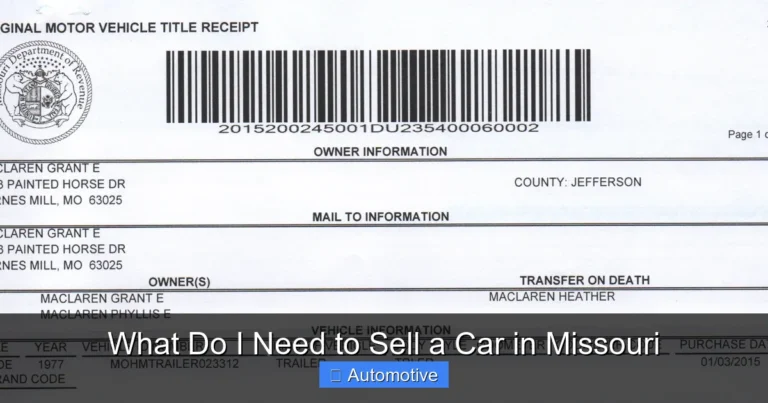
Visual guide about Sell Car to Peddle
Image source: cdn.sanity.io
Once your car is clean and priced, it’s time to choose where to list it. Your options fall into three main categories: private sales, dealerships, and online car-buying services. Each has pros and cons, so pick the one that aligns with your priorities—speed, profit, or convenience.
Private Sale (Best for Maximum Profit)
Selling directly to a buyer typically yields the highest return. You avoid dealer markups and fees, and you control the negotiation. Platforms like Facebook Marketplace, Craigslist, and Autotrader are popular for private sales.
Pros:
– Highest potential sale price
– Full control over listing and negotiation
– No middleman fees
Cons:
– Takes more time and effort
– Requires meeting strangers (safety risk)
– Buyer financing can complicate the process
Tip: Write a compelling ad. Include key details (year, make, model, mileage, VIN), highlight unique features (sunroof, leather seats, low mileage), and mention recent maintenance. Use phrases like “well-maintained,” “clean title,” and “no accidents” to build trust.
Trade-In at a Dealership (Best for Convenience)
If you’re buying a new car, trading in your old one can be convenient. The dealer handles the paperwork, and you can roll the value into your new purchase.
Pros:
– Fast and hassle-free
– No need to meet buyers or handle payments
– Often includes tax savings (in some states)
Cons:
– Lower offer than private sale (dealers need profit margin)
– Less negotiation power
– May pressure you into a more expensive new car
Tip: Get multiple trade-in offers. Visit at least three dealerships and compare their quotes. Use these as leverage—sometimes dealers will match or beat a competitor’s offer.
Online Car-Buying Services (Best for Speed)
Companies like CarMax, Carvana, Vroom, and Shift offer instant online quotes and quick sales—often within 24–48 hours.
Pros:
– Very fast process
– No haggling or meetings
– Free vehicle inspection and pickup
Cons:
– Offers are usually lower than private sale
– Limited negotiation
– May require shipping fees for pickup
Tip: Use these services as a backup. If you’re not getting good offers privately after two weeks, consider an online buyer. They’re great for selling car to peddle quickly when time is tight.
Step 4: Prepare Your Paperwork and Documentation
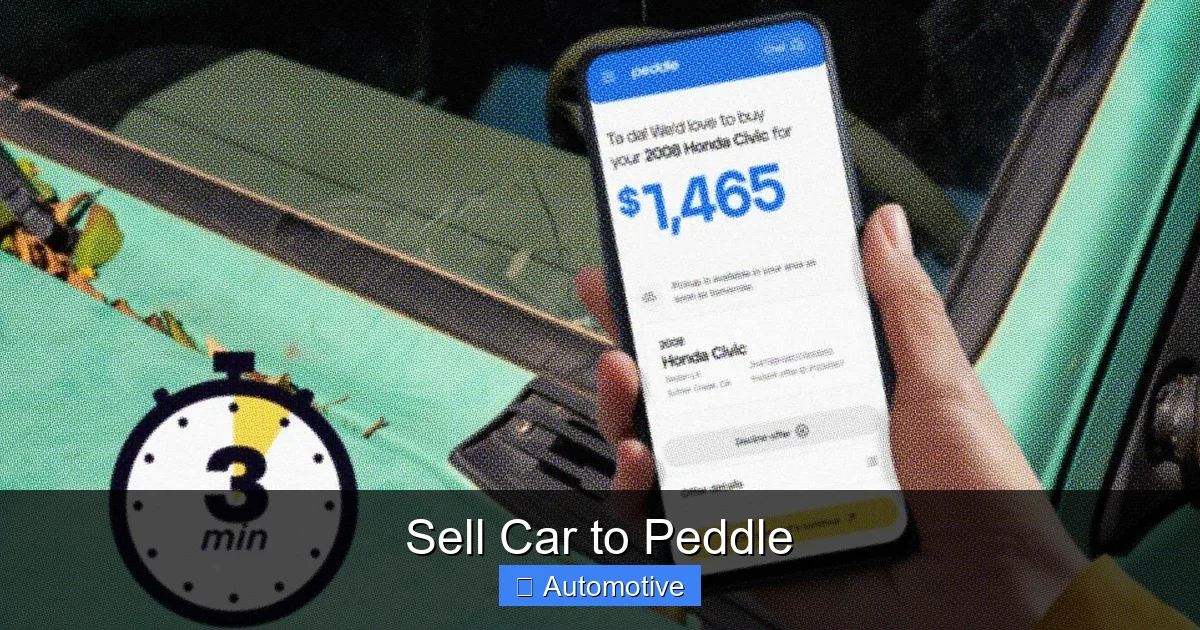
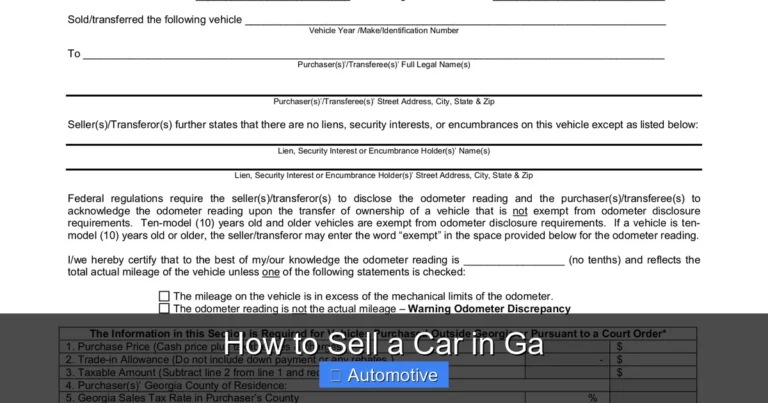
Visual guide about Sell Car to Peddle
Image source: cdn.sanity.io
Nothing kills a sale faster than missing paperwork. To sell car to peddle smoothly, have these documents ready before listing:
– **Vehicle Title**: This proves ownership. If you still owe money on the car, contact your lender—they’ll handle the title transfer once the loan is paid off.
– **Registration**: Shows the car is legally registered in your name.
– **Bill of Sale**: A simple document stating the sale price, date, and buyer/seller info. Many states provide free templates online.
– **Maintenance Records**: Receipts for oil changes, brakes, tires, etc., build trust and justify your price.
– **Owner’s Manual and Extra Keys**: Buyers appreciate completeness.
– **Smog or Emissions Certificate**: Required in many states before sale.
Pro tip: Make digital copies of everything. Store them in a secure cloud folder so you can share them instantly with interested buyers.
If your car has a lien (loan), work with your lender early. They’ll typically require the buyer to pay them directly or hold the title until the loan is cleared. Some lenders offer electronic title transfers, which speed up the process.
Also, check your state’s specific requirements. For example, in California, you must provide a smog check within 90 days of sale. In Texas, you need a Vehicle Inspection Report (VIR). Ignoring these can delay or cancel the sale.
Step 5: Handle Inquiries and Test Drives Safely
Once your ad goes live, expect calls, texts, and messages. Respond promptly—but stay safe.
Screening Buyers
Not every inquiry is serious. Ask key questions to filter out tire-kickers:
– “Are you looking to buy this week?”
– “Do you have financing ready?”
– “Have you seen similar cars in this price range?”
Avoid buyers who:
– Ask to meet at your home
– Want to pay with a cashier’s check or wire transfer (common scams)
– Pressure you to decide immediately
Safe Test Drives
Always meet in a public place—like a police station parking lot or busy shopping center. Bring a friend or family member. Never hand over your keys without verifying the buyer’s driver’s license and insurance.
During the test drive:
– Ride along (don’t let them drive alone)
– Point out features and answer questions honestly
– Note any concerns they raise—they may use them to negotiate later
After the drive, ask for feedback. A serious buyer will discuss price, financing, or next steps. If they ghost you, don’t take it personally—move on to the next lead.
Step 6: Negotiate and Close the Deal
Negotiation is part of selling a car—but it doesn’t have to be stressful. Here’s how to handle it like a pro.
Set Your Bottom Line
Before listing, decide the lowest price you’ll accept. Stick to it. Buyers will try to lowball, especially if they sense urgency. Stay calm and confident.
Example: If your car is worth $18,000, set your minimum at $17,500. If a buyer offers $16,500, politely say, “I appreciate the offer, but I’m firm at $17,500.” Often, they’ll come up.
Accept Secure Payment
Never accept personal checks or wire transfers—they can bounce or be fraudulent. Safe options include:
– Cash (count it in front of them)
– Cashier’s check (verify with the bank)
– Bank transfer (instant and traceable)
Once payment clears, sign over the title. Include the sale price, date, and odometer reading. Give the buyer the bill of sale, keys, and any extras (manual, spare tire).
Finally, notify your state’s DMV that you’ve sold the car. This protects you from liability if the buyer gets a ticket or causes an accident before registering it. Many states allow online reporting.
Bonus Tips to Sell Car to Peddle Faster
– **List on weekends**: More people browse cars on Saturdays and Sundays.
– **Use keywords in your ad**: Include terms like “low mileage,” “one owner,” “clean title,” and “well-maintained” to boost visibility.
– **Be responsive**: Reply to messages within a few hours. Quick responses build trust.
– **Offer a warranty**: If your car is still under factory warranty, mention it—it’s a big selling point.
– **Consider a pre-sale inspection**: A $100 inspection can justify a higher price and reduce buyer hesitation.
Selling your car doesn’t have to be a nightmare. With preparation, honesty, and a bit of strategy, you can sell car to peddle confidently and walk away with a fair price. Remember: the goal isn’t just to sell—it’s to sell smart.
Whether you choose a private sale, trade-in, or online service, the key is knowing your options and acting with intention. Take your time, stay safe, and don’t rush into a bad deal. Your car has served you well—now it’s time to give it a great next chapter.
And when that final handshake happens and the keys change hands, you’ll know you did it right. Happy selling!
Frequently Asked Questions
How long does it take to sell a car privately?
On average, it takes 2–4 weeks to sell a car privately, depending on demand, pricing, and how well it’s marketed. Well-priced, clean cars in popular models often sell within a week.
Can I sell my car if I still owe money on it?
Yes, but you’ll need to pay off the loan first or have the buyer pay the lender directly. Contact your financing company to understand the process and required paperwork.
Is it better to sell privately or trade in?
Selling privately usually gets you more money, but trading in is faster and more convenient. Choose based on your priority: profit or speed.
Do I need a smog check to sell my car?
In many states, yes—especially California, Texas, and New York. Check your local DMV requirements before listing your vehicle.
What if a buyer wants to pay with a personal check?
Avoid personal checks—they can bounce. Use cash, cashier’s check, or bank transfer. If using a cashier’s check, verify it with the issuing bank before handing over the car.
How can I avoid scams when selling my car?
Meet in public, never share personal info, avoid wire transfers, and be wary of buyers who pressure you or offer to overpay. Trust your instincts—if something feels off, walk away.