Royal Enfield Disc Brake Caliper Price
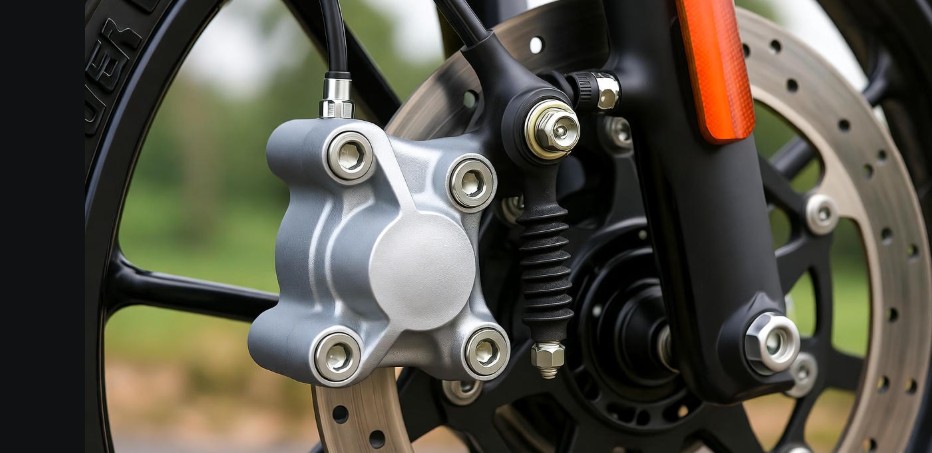
The price of a Royal Enfield disc brake caliper can range from $20 to $150, depending on the specific model, whether it’s an OEM (Original Equipment Manufacturer) part or an aftermarket alternative, and where you purchase it. Genuine Royal Enfield calipers are typically at the higher end of this spectrum, while aftermarket options offer more budget-friendly choices.
In This Article
- 1 Key Takeaways
- 2 Understanding Royal Enfield Disc Brake Caliper Prices: A Guide for Riders
- 3 What is a Disc Brake Caliper and Why Does it Matter?
- 4 Factors Influencing Royal Enfield Disc Brake Caliper Price
- 5 Average Price Range for Royal Enfield Disc Brake Calipers
- 6 Where to Buy Royal Enfield Disc Brake Calipers
- 7 Replacing Your Royal Enfield Disc Brake Caliper: A Step-by-Step Overview
- 8 Pro Tip: Always check your brake fluid level and condition at every service interval. Old or low brake fluid can compromise your braking performance and lead to caliper issues.
- 9 Understanding Brake Pad Wear and Caliper Health
- 10 Choosing the Right Caliper for Your Royal Enfield
- 11 Common Questions About Royal Enfield Disc Brake Caliper Prices
- 12 Conclusion
Key Takeaways
- Research Royal Enfield disc brake caliper prices for your specific bike model.
- Expect OEM caliper prices to be higher than aftermarket replacements.
- Check multiple retailers for the best deals on brake calipers.
- Consider caliper kits for a complete replacement solution.
- Understand the role of brake calipers in motorcycle safety.
Understanding Royal Enfield Disc Brake Caliper Prices: A Guide for Riders
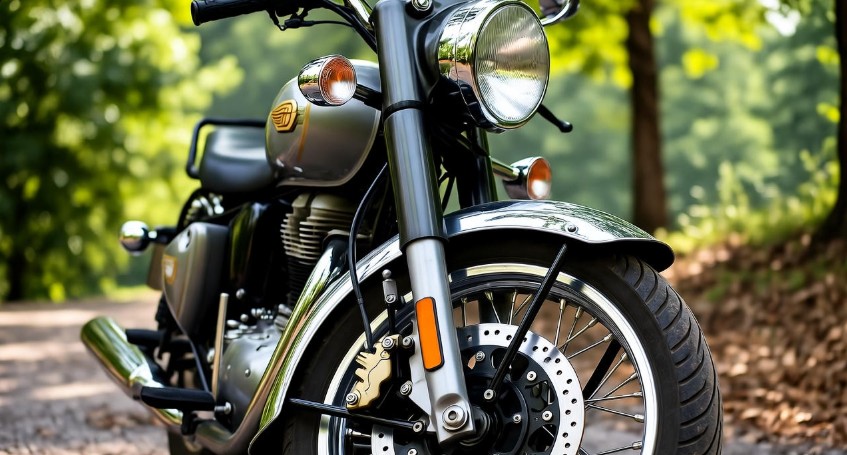
Your Royal Enfield’s disc brake caliper is a vital component for safe stopping. When it’s time for a replacement, understanding the cost involved is essential. You might be wondering about the “Royal Enfield disc brake caliper price” and what factors influence it. This guide aims to demystify these costs, helping you make informed decisions without getting lost in technical jargon. We’ll break down the price ranges, explore what affects the cost, and guide you on finding the right part for your beloved Royal Enfield.
Your motorcycle’s braking system is one of its most critical safety features. The disc brake caliper is the mechanism that squeezes the brake pads against the rotor, slowing your bike down. Like any mechanical part, it can wear out or suffer damage over time, requiring replacement. Knowing the typical “Royal Enfield disc brake caliper price” helps you budget for maintenance and ensures you don’t compromise on safety.
This article will walk you through everything you need to know about Royal Enfield disc brake caliper prices. We’ll cover the average costs, the difference between genuine and aftermarket parts, and where you can reliably source them. Let’s get you back on the road with confidence and fully functional brakes.
What is a Disc Brake Caliper and Why Does it Matter?
A disc brake caliper is a crucial part of your motorcycle’s braking system. It’s essentially a clamp that houses the brake pads. When you apply the front or rear brake lever, hydraulic fluid is pushed from the master cylinder to the caliper. This fluid pressure forces pistons within the caliper to extend, pushing the brake pads against the rotating brake disc (rotor). This friction is what slows your motorcycle down safely.
The caliper’s condition directly impacts braking performance. A worn-out or damaged caliper might not apply enough pressure, leading to reduced stopping power. This can be dangerous, especially in emergency situations. Moreover, a malfunctioning caliper can cause uneven pad wear, damage to the brake disc, or even lead to a complete brake failure. Regular inspection and timely replacement are paramount for your safety on the road.
Factors Influencing Royal Enfield Disc Brake Caliper Price
Several elements contribute to the overall “Royal Enfield disc brake caliper price.” Understanding these can help you navigate the market and find the best value for your money.
1. Genuine OEM vs. Aftermarket Parts
This is arguably the biggest price differentiator.
- OEM (Original Equipment Manufacturer) Parts: These are parts made by Royal Enfield or by suppliers specifically for Royal Enfield. They are designed to meet the exact specifications of your motorcycle. Because of this guaranteed fit and quality, OEM parts typically come with a higher price tag. They offer peace of mind that you are installing a part identical to the original.
- Aftermarket Parts: These are parts made by companies other than Royal Enfield. The quality can vary significantly. Some aftermarket manufacturers produce high-quality, reliable parts that are excellent substitutes for OEM components, often at a lower cost. Others may cut corners, leading to potentially inferior performance or shorter lifespan. It’s important to research aftermarket brands thoroughly.
2. Specific Royal Enfield Model and Year
Royal Enfield uses different brake caliper designs across its extensive range of models and manufacturing years. A caliper for a Classic 350 will likely have a different price than one for a Continental GT 650 or a Himalayan. Older models might have fewer readily available parts, potentially increasing costs due to lower production runs or scarcity. Newer models might have more advanced caliper designs, which can also influence price. Always ensure the caliper you are buying is compatible with your specific motorcycle’s make, model, and year.
3. Caliper Type and Complexity
Brake calipers come in various designs:
- Floating Calipers: These are the most common type on many Royal Enfields. They are generally less expensive.
- Calipers: While less common on stock Royal Enfields, some performance-oriented aftermarket setups might use more complex calipers, which can increase the price.
4. Brand Reputation and Quality
As mentioned with aftermarket parts, the brand matters. Reputable aftermarket brands that have invested in R&D and quality control will often command higher prices than lesser-known or generic brands. However, they also tend to offer better reliability and longer service life.
5. Retailer and Location
Where you buy your caliper can also affect the price. Dealerships, specialized motorcycle parts stores (online and brick-and-mortar), and general auto parts retailers will have different pricing structures. Shipping costs, import duties (if applicable), and regional market demand also play a role.
6. Condition (New vs. Rebuilt/Used)
While this guide primarily focuses on new parts, it’s worth noting that rebuilt or used calipers can be significantly cheaper. However, buying used brake components comes with inherent risks. Unless you are an experienced mechanic who can thoroughly inspect and verify the condition, it’s usually safer to purchase new parts for critical safety components like brake calipers.
Average Price Range for Royal Enfield Disc Brake Calipers
To give you a clearer picture, here’s a general breakdown of what you can expect for a “Royal Enfield disc brake caliper price”:
Estimated Price Ranges for Royal Enfield Disc Brake Calipers
| Part Type | Estimated Price Range (USD) | Notes |
| :—————————— | :————————– | :————————————————————————————————– |
| Genuine OEM Caliper | $50 – $150+ | For specific Royal Enfield models, guaranteed fit and quality. Can vary widely by model and year. |
| Reputable Aftermarket Caliper | $30 – $100 | High-quality alternatives from established brands. Offers good value for performance and reliability. |
| Budget Aftermarket Caliper | $20 – $50 | Basic replacements, quality may vary. Requires careful brand research. |
| Caliper Repair Kit | $15 – $40 | Includes seals, dust covers, and sometimes pistons. For rebuilding an existing caliper. |
| Front Caliper Assembly | $60 – $150+ | Often includes caliper, sometimes pads. Price depends heavily on OEM vs. aftermarket. |
| Rear Caliper Assembly | $50 – $130+ | Similar pricing considerations as the front caliper assembly. |
Prices are approximate and can fluctuate based on the factors mentioned above, especially the specific Royal Enfield model and year.
For instance, a common OEM rear caliper for a Royal Enfield Classic 350 might fall in the $70-$100 range, while a high-performance aftermarket front caliper for a Continental GT 650 could be $100-$150 or more. Conversely, a basic aftermarket rear caliper for an older Bullet might be found for under $50.
Where to Buy Royal Enfield Disc Brake Calipers
When it’s time to purchase a new caliper, you have several options. Each has its pros and cons regarding price, selection, and expertise.
1. Official Royal Enfield Dealerships
Pros: Guaranteed genuine OEM parts, expert advice specific to your bike, often offer installation services.
Cons: Typically the most expensive option. Limited selection of non-OEM parts.
2. Online Motorcycle Parts Retailers
Websites like RevZilla, Cycle Gear, JP Cycles, RevPerformance (based in India, a major source for RE parts), and eBay are popular choices.
Pros: Vast selection of both OEM and aftermarket parts, competitive pricing, customer reviews to help with choices, convenient home delivery.
Cons: Requires you to correctly identify the part number and ensure compatibility. Less direct expert advice available. Returns can sometimes be a hassle depending on the retailer.
3. Local Motorcycle Repair Shops
Independent mechanics and specialized shops often stock common parts or can order them for you.
Pros: Can offer personalized recommendations based on your bike and riding style. They might have access to specialized suppliers.
Cons: Prices can be higher than online retailers. Selection might be limited to what they commonly stock or can easily order.
4. Dedicated Royal Enfield Parts Suppliers
Some online stores specialize exclusively in Royal Enfield parts. These are invaluable for finding specific components for older or less common models.
Pros: Deep expertise in Royal Enfield parts, often have hard-to-find items, good for model-specific inquiries.
Cons: Selection might be limited to Royal Enfield products only. May not always have the lowest prices compared to larger general retailers.
Replacing Your Royal Enfield Disc Brake Caliper: A Step-by-Step Overview
Replacing a brake caliper is a task that requires precision and care. While it’s a job many experienced riders can tackle, if you’re new to motorcycle maintenance or unsure about any step, it’s always best to consult a professional mechanic. Improper brake work can have severe safety consequences.
Here’s a general overview of the process:
Tools and Materials You’ll Likely Need:
New disc brake caliper (ensure it’s the correct part for your Royal Enfield)
New brake pads (often recommended to replace with the caliper, or at least inspect yours)
Brake fluid (specific to your Royal Enfield’s requirements – check your owner’s manual)
Wrench set (metric sizes)
Socket set (metric sizes)
Torque wrench (essential for proper tightening)
Allen keys (metric)
Brake cleaner spray
Bleeder wrench (usually 8mm or 10mm)
Fluid catch bottle or syringe
Gloves (nitrile or latex)
Safety glasses
Shop rags or towels
Optional: Caliper piston presser tool, anti-seize compound
Step-by-Step Replacement Process:
1. Safety First: Ensure your motorcycle is on a stable, level surface. Use a paddock stand if necessary, especially for the rear wheel. Wear safety glasses and gloves.
2. Access the Caliper: Locate the caliper you need to replace. This usually involves removing the wheel (or at least loosening it significantly) and possibly other components like fairings or fender brackets for better access.
3. Drain Brake Fluid (Optional but Recommended): If you are replacing the caliper and bleeding the system, it’s good practice to drain most of the old fluid from the reservoir and lines. Loosen the bleeder screw on the old caliper slightly to allow fluid to drain into your catch bottle.
4. Remove the Old Caliper:
Locate the caliper mounting bolts. These typically attach the caliper bracket to the fork leg (front) or swingarm (rear).
Unbolt these mounting bolts. You might need to hold the bolt head on one side while turning the nut on the other.
Carefully detach the caliper from the brake disc. Be mindful of the brake line; don’t let it kink or stretch excessively.
If the brake line is still attached, you may need to disconnect it. This will require a wrench and will release any remaining fluid. Have your catch bottle ready.
5. Prepare the New Caliper:
If your new caliper came with new brake pads installed, check them. If not, install new brake pads according to the manufacturer’s instructions. Ensure they are seated correctly.
If you disconnected the brake line, attach it to the new caliper. Ensure the crush washers are new and properly seated.
Lightly lubricate the caliper mounting bolt holes with a small amount of grease or anti-seize compound for easier future removal.
6. Mount the New Caliper:
Position the new caliper onto its mounting points.
Install the caliper mounting bolts. Tighten them by hand first to ensure they thread correctly.
Crucially, use a torque wrench to tighten the caliper mounting bolts to the manufacturer’s specified torque. Overtightening can strip threads, while undertightening is a serious safety risk. Refer to your Royal Enfield’s service manual for exact torque values.
7. Reconnect Brake Line (If Disconnected): Ensure the banjo bolt and new crush washers are properly fitted and tightened to the specified torque.
8. Bleed the Brake System: This is a critical step to remove air from the brake lines and ensure proper hydraulic function.
Fill the brake fluid reservoir to the correct level.
Attach a clear hose to the bleeder screw on the caliper and place the other end into your catch bottle.
Open the bleeder screw.
Squeeze the brake lever/pedal slowly and steadily until fluid flows through the hose. Close the bleeder screw before releasing the lever/pedal.
Repeat this process, topping up the reservoir as needed, until no air bubbles are visible in the fluid and the lever/pedal feels firm.
Dispose of old brake fluid responsibly.
9. Final Checks:
Ensure all bolts are torqued correctly.
Check the brake fluid level in the reservoir.
Pump the brake lever/pedal several times to ensure it feels firm and consistent.
Spin the wheel to ensure the caliper is not rubbing on the disc.
Test ride cautiously in a safe area, gradually increasing braking pressure to bed in the new pads and caliper.
Pro Tip: Always check your brake fluid level and condition at every service interval. Old or low brake fluid can compromise your braking performance and lead to caliper issues.
Understanding Brake Pad Wear and Caliper Health
Your brake pads are designed to wear down over time. They are sacrificial components that protect the more expensive brake disc and caliper. A typical lifespan for brake pads can range from 5,000 to 15,000 miles, depending on your riding style, the type of pads, and riding conditions.
When you replace your caliper, it’s almost always recommended to replace the brake pads as well. New pads need to bed in with the caliper and disc for optimal performance. If your old pads are nearly worn out, they won’t provide adequate braking with a new caliper.
Signs of a failing caliper can include:
Leaking brake fluid around the caliper body or seals.
Uneven brake pad wear.
A spongy or soft brake lever/pedal.
Reduced braking effectiveness.
The caliper piston not retracting fully, causing a dragging brake.
Strange noises (grinding or squealing) that persist even after replacing pads.
Choosing the Right Caliper for Your Royal Enfield
When looking for a “Royal Enfield disc brake caliper price,” consider these points to ensure you get the best fit and performance for your bike:
Identify Your Exact Model and Year: This is non-negotiable. A 2018 Classic 350 might use a different caliper than a 2022 model.
Consult Your Owner’s Manual or Service Manual: These documents are your best resource for exact part numbers and specifications.
Read Reviews: For aftermarket parts, look for reviews from other Royal Enfield owners who have used the specific caliper on a similar model.
Consider Your Riding Style: If you do a lot of spirited riding or touring, investing in a higher-quality aftermarket or OEM caliper might be worthwhile for better performance and longevity.
Don’t Forget the Brake Fluid: Always use the correct type of brake fluid recommended by Royal Enfield. Using the wrong fluid can damage your braking system. You can find this information on the reservoir cap, in your owner’s manual, or on the manufacturer’s official website. For most Royal Enfields, DOT 4 is common, but always verify.
Common Questions About Royal Enfield Disc Brake Caliper Prices
Q1: How much does a Royal Enfield brake caliper typically cost?
A: The “Royal Enfield disc brake caliper price” can range from $20 to over $150, with OEM parts usually being more expensive than aftermarket options.
Q2: Is it better to buy an OEM or aftermarket brake caliper?
A: OEM calipers offer guaranteed fit and quality. Reputable aftermarket calipers can provide similar performance at a lower cost. Budget aftermarket options may vary in quality.
Q3: Where can I find the cheapest Royal Enfield disc brake calipers?
A: Online retailers and specialized Royal Enfield parts suppliers often have competitive pricing. Comparing prices across different platforms is recommended.
Q4: Do I need to replace brake pads when I replace the caliper?
A: It’s highly recommended to replace brake pads when installing a new caliper to ensure optimal braking performance and proper break-in.
Q5: Can I rebuild my existing Royal Enfield brake caliper instead of buying a new one?
A: Yes, caliper repair kits are available and can be a cost-effective solution if the caliper body and pistons are in good condition. This requires more mechanical skill.
Q6: What tools are essential for replacing a brake caliper?
A: You’ll need a good set of metric wrenches and sockets, a torque wrench, Allen keys, brake cleaner, and appropriate brake fluid.
Q7: How do I know if my Royal Enfield brake caliper needs replacing?
A: Signs include fluid leaks, a spongy brake lever, reduced stopping power, or uneven brake pad wear.
Conclusion
Understanding the “Royal Enfield disc brake caliper price” is a key part of responsible motorcycle ownership. By considering the type of part (OEM vs. aftermarket), your specific bike model, and the retailer, you can make a well-informed purchase. Remember that your brakes are a critical safety system, so never compromise on quality for a few dollars. Whether you opt for genuine parts or a trusted aftermarket alternative, ensuring your calipers are in excellent condition will keep you riding safely and confidently on every journey. Regular maintenance and timely replacement are investments in your safety and your Royal Enfield’s longevity.