Replaced Battery Car Won’t Start
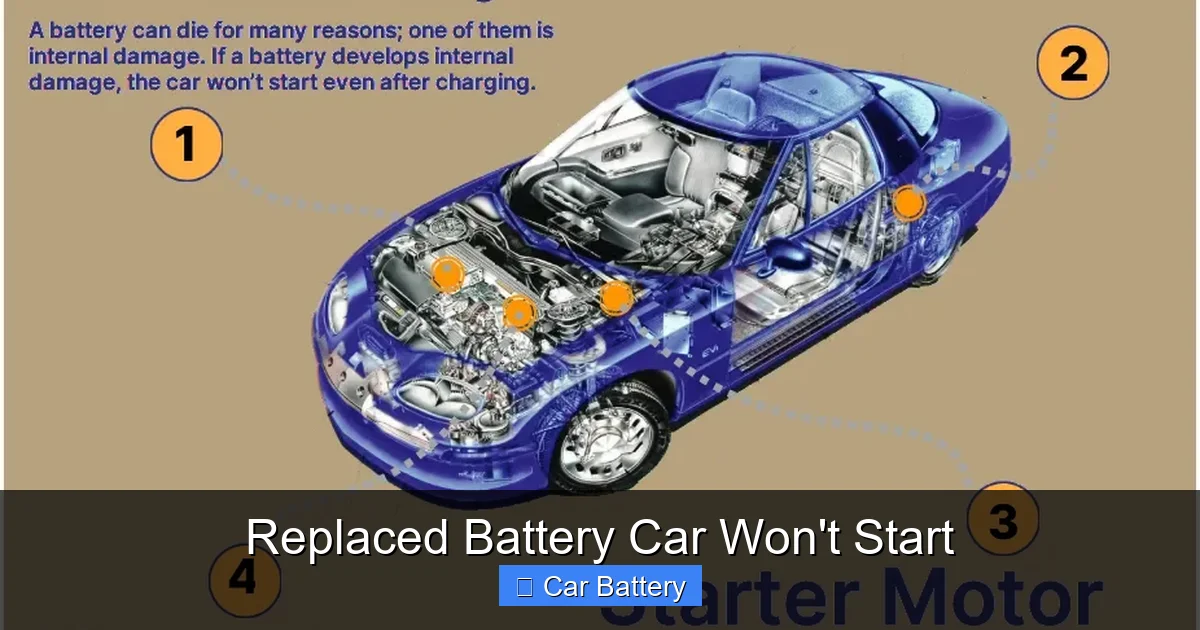
Replacing a car battery doesn’t always solve starting issues. Electrical connections, faulty components, or programming errors can prevent your car from starting—even with a new battery. This guide walks you through troubleshooting steps to identify and fix the real problem.
You just replaced your car battery—maybe it was old, swollen, or simply wouldn’t hold a charge anymore. You followed the steps: disconnected the old one, installed the new one, tightened the terminals, and… nothing. The engine won’t turn over. No crank, no click, not even a sputter. You’re left staring at the dashboard lights, wondering, “Why won’t my car start after replacing the battery?”
It’s frustrating, especially when you thought the battery was the only issue. But here’s the truth: a new battery doesn’t guarantee a working car. Modern vehicles are complex machines with interconnected electrical systems. A battery is just one piece of the puzzle. From loose cables to software glitches, several factors can prevent your car from starting—even with a brand-new power source. The good news? Most of these issues are fixable with a little know-how and patience.
In this guide, we’ll walk you through the most common reasons why your car won’t start after a battery replacement. We’ll cover everything from simple fixes you can do in your driveway to more advanced troubleshooting that might require a professional. Whether you’re a DIY enthusiast or just trying to avoid another tow truck bill, this article will help you get back on the road.
In This Article
- 1 Key Takeaways
- 2 📑 Table of Contents
- 3 Why Your Car Won’t Start After Replacing the Battery
- 4 Common Mistakes When Installing a New Battery
- 5 Electrical and Security System Issues
- 6 When to Call a Professional
- 7 Preventing Future Battery and Starting Problems
- 8 Conclusion
- 9 Frequently Asked Questions
- 9.1 Why won’t my car start after replacing the battery?
- 9.2 Can a new battery be defective?
- 9.3 Do I need to reprogram my car after changing the battery?
- 9.4 Why does my car click but not start after a battery replacement?
- 9.5 Can a bad alternator prevent a new battery from working?
- 9.6 How long should I let my car run after replacing the battery?
Key Takeaways
- Check battery connections first: Loose, corroded, or reversed terminals are common culprits even with a new battery.
- Test the new battery’s charge: Not all new batteries come fully charged—some need a jump-start or charger.
- Inspect the alternator and starter: A failing alternator won’t recharge the battery, and a bad starter won’t crank the engine.
- Look for blown fuses or relays: Electrical issues can disable critical systems needed to start the car.
- Verify key fob or immobilizer issues: Modern cars may not start if the security system doesn’t recognize the key.
- Reset the vehicle’s computer if needed: Some cars require a relearn procedure after battery replacement.
- When to call a professional: If basic checks don’t work, a mechanic can diagnose deeper electrical or mechanical problems.
📑 Table of Contents
Why Your Car Won’t Start After Replacing the Battery
So, you’ve swapped out the old battery for a shiny new one. You’re confident it’s the right size, the correct voltage, and properly installed. But when you turn the key—silence. Or maybe a weak crank that dies instantly. What’s going on?
The first thing to understand is that a car’s starting system relies on more than just the battery. It’s a chain: the battery sends power to the starter motor, which turns the engine over. But that power has to flow through cables, fuses, relays, and sometimes even the car’s computer. If any link in that chain is broken, the engine won’t start—no matter how new the battery is.
Let’s break down the most common reasons this happens.
1. Loose or Corroded Battery Connections
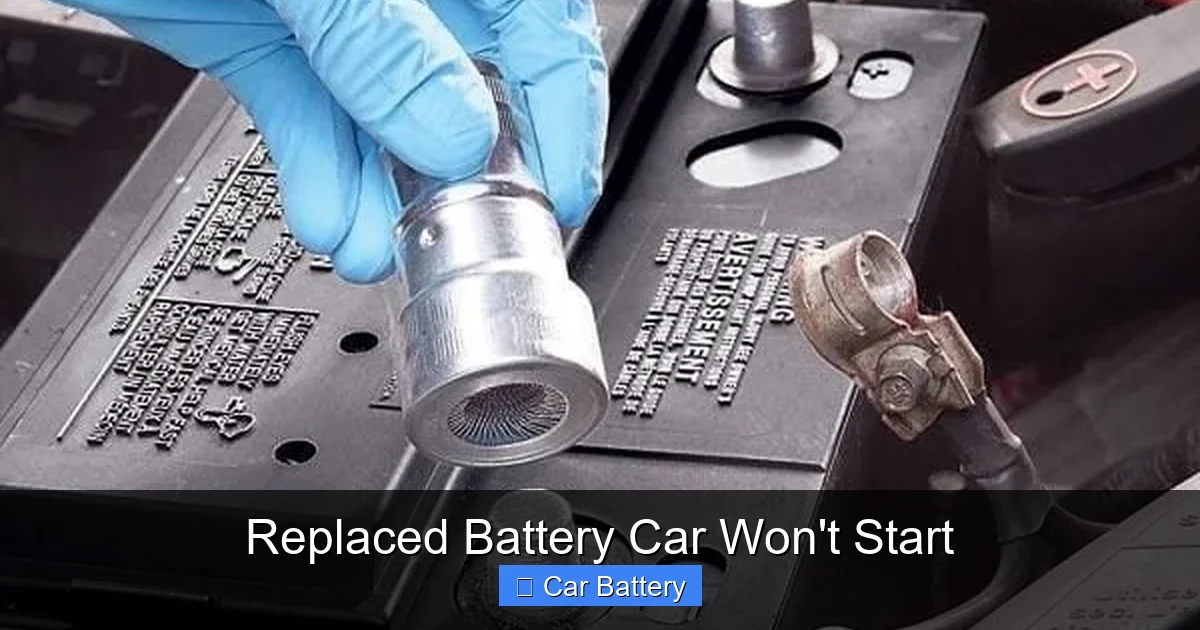
Even with a new battery, if the terminals aren’t securely connected, power can’t flow. Over time, battery terminals can become loose due to vibration or thermal expansion. Corrosion—that white, powdery buildup around the terminals—can also act as an insulator, blocking electrical current.
When you install a new battery, it’s easy to assume the connections are fine. But if the clamps aren’t tightened properly or if there’s residual corrosion, the car may not start. In some cases, the negative (black) cable might not be fully seated, or the positive (red) cable could be reversed—especially if you’re not paying close attention during installation.
What to do: Turn off the ignition and pop the hood. Check both battery terminals. Are they snug? If you can wiggle them, tighten them with a wrench. Look for corrosion—if you see any, clean it off with a mixture of baking soda and water, then rinse and dry. Reconnect the cables, making sure the positive goes to the positive post and negative to negative.
2. The New Battery Isn’t Fully Charged
Here’s a surprise: not all new batteries come fully charged. Some are shipped with only a partial charge, especially if they’ve been sitting in a warehouse for months. If your car has been off for a while or if the new battery was stored improperly, it might not have enough juice to start the engine.
This is especially true for vehicles with high electrical demands—like those with advanced infotainment systems, heated seats, or aftermarket accessories. These systems can drain a weak battery quickly, even when the car is off.
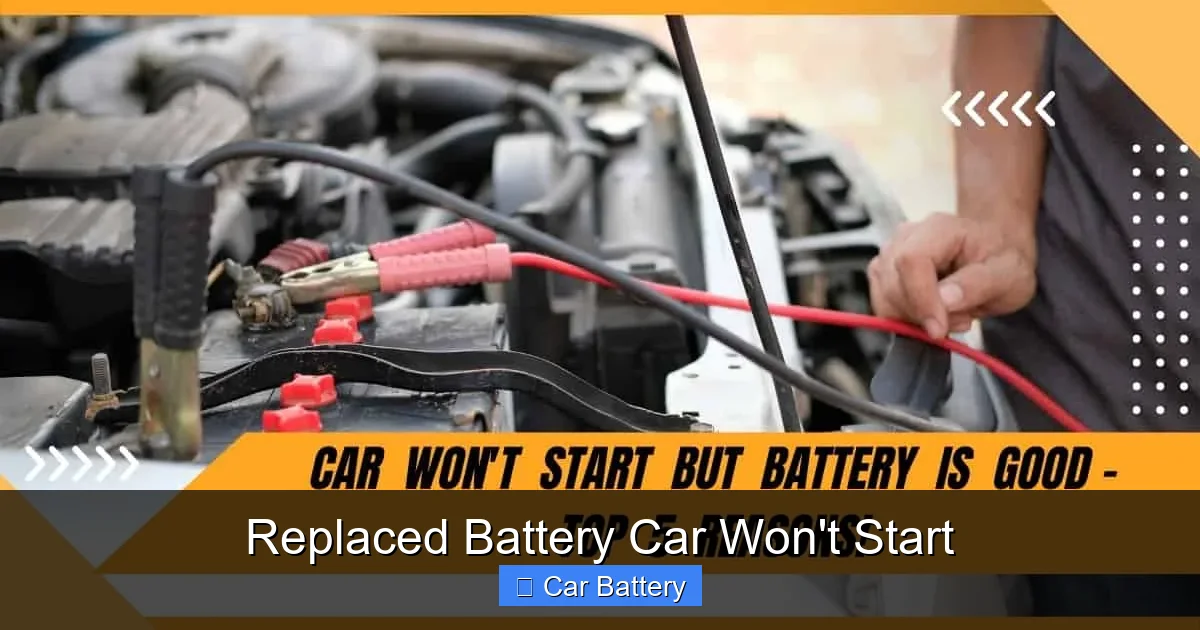
What to do: Try jump-starting the car using jumper cables and another vehicle. If it starts, let it run for at least 20–30 minutes to allow the alternator to recharge the battery. Alternatively, use a portable battery charger or trickle charger to bring the new battery up to full charge.
3. Faulty Alternator or Starter Motor
The alternator is responsible for recharging the battery while the engine runs. If it’s failing, the new battery might get a brief charge but won’t sustain power. Similarly, the starter motor is what physically turns the engine over when you turn the key. If it’s worn out or damaged, it won’t respond—even with a fully charged battery.
Signs of a bad alternator include dim headlights, a battery warning light on the dashboard, or the car dying shortly after starting. A failing starter might produce a clicking sound when you turn the key, or no sound at all.
What to do: If the car starts with a jump but dies soon after, suspect the alternator. Have it tested at an auto parts store—many offer free testing. If you hear a loud click but the engine doesn’t turn, the starter could be the issue. This usually requires professional diagnosis and replacement.
4. Blown Fuses or Bad Relays
Modern cars rely on a network of fuses and relays to control electrical components. The starting system is protected by specific fuses and relays. If one of these has blown or failed, it can cut power to the starter or ignition system—even with a new battery.
For example, the starter relay is a small switch that sends power from the battery to the starter motor. If it’s faulty, the starter won’t engage. Similarly, a blown ignition fuse can prevent the key from sending the “start” signal.
What to do: Locate your car’s fuse box—usually under the dashboard or in the engine bay. Check the owner’s manual for the fuse diagram. Look for fuses labeled “IGN,” “START,” or “STARTER.” Use a fuse puller or needle-nose pliers to remove and inspect them. If a fuse is blackened or the metal strip is broken, replace it with one of the same rating. Relays can be trickier—try swapping a known-good relay (like the horn relay) into the starter relay slot to test.
Common Mistakes When Installing a New Battery
Visual guide about Replaced Battery Car Won’t Start
Image source: familyhandyman.com
Even experienced DIYers can make mistakes during battery replacement. These errors can prevent the car from starting—or worse, damage electrical components. Let’s go over the most common installation blunders and how to avoid them.
Reversing the Battery Terminals
This might sound obvious, but it happens more often than you’d think. Connecting the positive cable to the negative post (and vice versa) can cause a short circuit, blow fuses, or even damage the car’s computer. Some cars have protective systems that shut down when polarity is reversed, making the car unresponsive.
Tip: Always double-check the markings on the battery. The positive terminal is usually marked with a “+” and often has a red cover. The negative terminal has a “–” and is typically black. When in doubt, consult your owner’s manual or look up a diagram online.
Not Cleaning the Battery Tray and Cables
Old batteries can leak acid, which corrodes the battery tray and cable ends. If you install a new battery on a dirty tray or with corroded cables, you’re setting yourself up for connection problems. Corrosion acts like a resistor, reducing the flow of electricity.
Tip: Before installing the new battery, clean the tray with a wire brush and baking soda solution. Scrub the cable ends until they’re shiny. Apply a thin layer of dielectric grease to the terminals to prevent future corrosion.
Forgetting to Reconnect the Negative Cable
Some people install the positive cable first, then get distracted and forget the negative. Or they reconnect it loosely. Either way, the circuit isn’t complete, and the car won’t start.
Tip: Always connect the positive cable first, then the negative. Make sure both are tight and secure. A loose negative cable is one of the top reasons a new battery doesn’t work.
Not Resetting the Vehicle’s Computer
Many modern cars have an engine control unit (ECU) that monitors and adjusts engine performance. When you disconnect the battery, the ECU loses power and may need to “relearn” certain settings—like idle speed, fuel mixture, or transmission shift points.
In some cases, the car may not start at all until the ECU is reset or reprogrammed. This is especially common in European and luxury vehicles.
Tip: After installing a new battery, turn the ignition to the “on” position (but don’t start the engine) for 10–15 minutes. This allows the ECU to reinitialize. Then try starting the car. If it still won’t start, you may need a professional scan tool to reset the system.
Electrical and Security System Issues
Visual guide about Replaced Battery Car Won’t Start
Image source: askmyauto.com
Modern cars are packed with electronics, and many have anti-theft systems that can interfere with starting—even after a battery change. These systems are designed to prevent unauthorized use, but they can sometimes malfunction or get confused.
Immobilizer or Key Fob Problems
Most cars today use an immobilizer system that requires the key fob to be recognized before the engine can start. If the fob’s battery is dead, or if the car’s system doesn’t detect it, the engine may crank but not fire—or not crank at all.
Some cars also require a “key relearn” procedure after a battery disconnect. Without it, the immobilizer may block the start signal.
What to do: Try using a spare key fob if you have one. If the car starts, the original fob may need a new battery. If you don’t have a spare, check your owner’s manual for a manual override procedure—some cars allow you to start the engine by holding the fob near the ignition button.
If the immobilizer light is flashing on the dashboard, the system may need to be reset by a dealer or locksmith with the right tools.
Faulty Ignition Switch
The ignition switch is what sends power to the starter when you turn the key. If it’s worn out or damaged, it may not complete the circuit—even with a new battery.
Symptoms include intermittent starting, the key turning but nothing happening, or the dashboard lights flickering when you turn the key.
What to do: This usually requires professional diagnosis. A mechanic can test the ignition switch with a multimeter or scan tool. Replacement involves removing the steering column covers, which can be complex.
Aftermarket Alarms or Remote Starters
If your car has an aftermarket security system or remote start, it might interfere with the starting process—especially after a battery change. These systems often have their own wiring and control modules that can malfunction.
What to do: Try bypassing the system temporarily. Look for a valet switch or override button (often hidden under the dashboard). If the car starts, the issue is likely with the aftermarket system. You may need to consult the installer or have it reprogrammed.
When to Call a Professional
Visual guide about Replaced Battery Car Won’t Start
Image source: media.zenfs.com
There’s no shame in admitting when a problem is beyond your skill level. While many battery-related issues can be fixed at home, some require specialized tools and knowledge.
Signs You Need a Mechanic
- The car makes no sound at all when you turn the key—no click, no crank.
- You’ve checked connections, fuses, and the battery charge, but nothing works.
- The dashboard shows warning lights (like “Check Engine” or “Immobilizer”) that don’t go away.
- You suspect the alternator, starter, or ECU is faulty.
- You’re not comfortable working with electrical systems or removing interior panels.
A professional mechanic can perform a full electrical diagnostic, test the charging system, and use a scan tool to read error codes from the car’s computer. This can save you time, money, and frustration.
What to Expect at the Shop
When you take your car in, the technician will likely start with a battery and charging system test. They’ll check the voltage, load test the battery, and inspect the alternator output. If those are fine, they’ll move on to the starter, ignition system, and immobilizer.
They may also perform a parasitic drain test to see if something is draining the battery when the car is off. This can reveal hidden issues like a stuck relay or faulty module.
Most diagnostics take 30–60 minutes and cost between $50 and $150, depending on the shop. If repairs are needed, you’ll get a detailed estimate before any work begins.
Preventing Future Battery and Starting Problems
Once you’ve solved the immediate issue, it’s smart to take steps to avoid a repeat. Here are some tips to keep your car starting reliably:
Maintain Your Battery
Even new batteries need care. Check the terminals every few months for corrosion. Keep the battery tray clean and dry. If you live in a cold climate, consider a battery insulation blanket to protect against extreme temperatures.
Drive Regularly
Short trips don’t give the alternator enough time to fully recharge the battery. If you only drive a few miles at a time, consider using a trickle charger once a week to maintain the charge.
Turn Off Accessories
Lights, radios, and phone chargers draw power from the battery. Always turn them off when the engine is off to prevent unnecessary drain.
Get Regular Maintenance
Have your battery and charging system tested annually, especially before winter. Most auto parts stores offer free testing. Replace the battery every 3–5 years, even if it seems to be working.
Keep Spare Fobs Charged
If your car uses a key fob, replace the battery every 1–2 years. A dead fob can leave you stranded—even with a fully charged car battery.
Conclusion
Replacing a car battery should solve starting problems—but it doesn’t always. Electrical connections, faulty components, security systems, and installation errors can all prevent your car from starting, even with a new battery. The key is methodical troubleshooting: check the basics first, then move to more complex systems.
Start with the battery connections. Are they tight and clean? Is the new battery fully charged? Then look at fuses, relays, and the alternator. Don’t forget about the immobilizer or key fob—modern cars rely heavily on electronics.
If you’ve tried everything and the car still won’t start, it’s time to call a professional. There’s no shame in it. Some problems require tools and expertise you just don’t have at home.
Remember, a new battery is just the beginning. Regular maintenance, careful installation, and awareness of your car’s electrical system will keep you from facing this frustration again. Stay proactive, stay informed, and you’ll spend less time under the hood and more time on the road.
Frequently Asked Questions
Why won’t my car start after replacing the battery?
Your car may not start due to loose connections, a discharged new battery, or issues with the starter, alternator, or immobilizer system. Always double-check terminal connections and test the battery charge first.
Can a new battery be defective?
Yes, new batteries can be defective or arrive undercharged. Test the voltage with a multimeter—it should read at least 12.6 volts when fully charged. If it’s lower, charge it or return it under warranty.
Do I need to reprogram my car after changing the battery?
Some cars require a relearn procedure for the ECU or immobilizer after a battery change. Check your owner’s manual. If the car won’t start or runs poorly, a professional scan tool may be needed.
Why does my car click but not start after a battery replacement?
A clicking sound usually points to a weak battery, bad starter, or poor connection. Check the battery charge and terminals first. If those are fine, the starter motor or relay may be faulty.
Can a bad alternator prevent a new battery from working?
Yes. The alternator recharges the battery while driving. If it’s failing, the new battery may drain quickly and the car could die shortly after starting. Have the charging system tested.
How long should I let my car run after replacing the battery?
Let it idle for at least 20–30 minutes to allow the alternator to recharge the battery. For best results, take a 30-minute drive to ensure a full charge, especially if you have high electrical demands.