Reliable Jump Starter
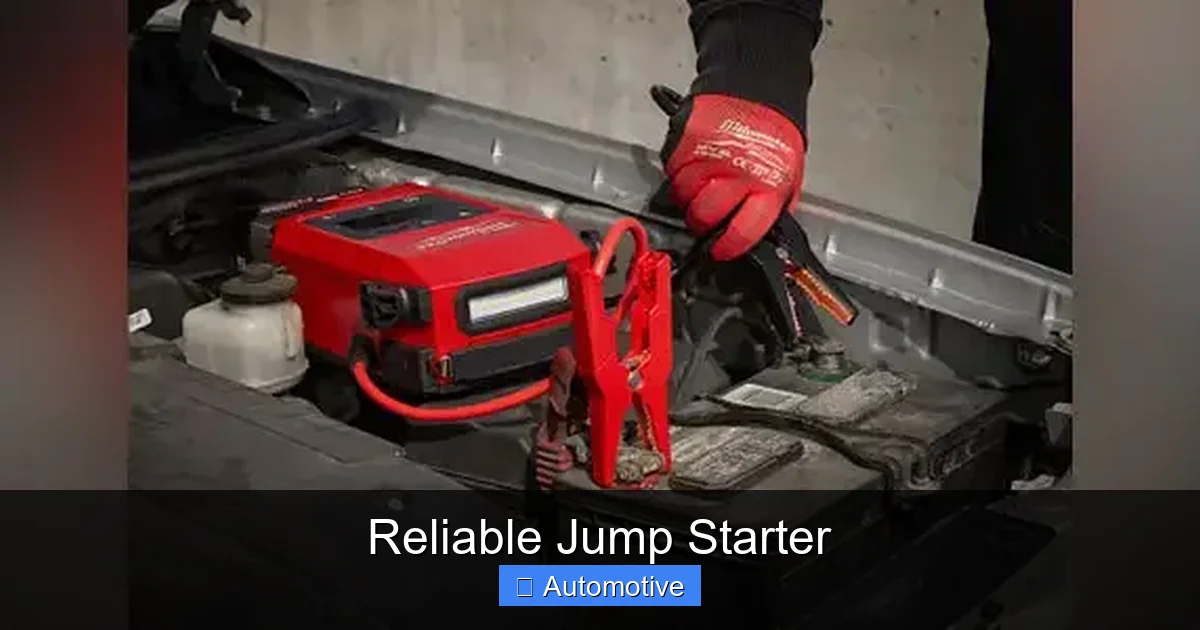
A reliable jump starter is a must-have tool for every driver, offering peace of mind when your car battery dies unexpectedly. Unlike traditional jumper cables, modern portable jump starters are compact, safe, and can get you back on the road in minutes—no second vehicle required.
This is a comprehensive guide about Reliable Jump Starter.
In This Article
Key Takeaways
- Portable and self-contained: A reliable jump starter works independently, eliminating the need for another vehicle or roadside assistance.
- Safe and user-friendly: Advanced safety features like reverse polarity protection and spark-proof technology reduce the risk of damage or injury.
- Multi-functional design: Many models include USB ports, LED flashlights, and even air compressors for added convenience.
- Works in extreme conditions: High-quality jump starters perform well in cold weather, making them ideal for winter driving.
- Rechargeable and long-lasting: Lithium-ion batteries hold a charge for months and can be recharged via USB or car adapter.
- Compact and lightweight: Easy to store in your glove compartment or trunk without taking up much space.
- Cost-effective solution: Prevents expensive tow truck fees and gives you control over emergency situations.
[FEATURED_IMAGE_PLACEHOLDER]
What Is a Reliable Jump Starter?
A reliable jump starter is a portable device designed to restart a vehicle with a dead or weak battery without requiring another car or external power source. Unlike traditional jumper cables, which rely on a second vehicle’s battery, a jump starter has its own built-in battery—typically lithium-ion—that stores enough power to crank your engine. These devices have become increasingly popular among drivers who want independence, safety, and convenience when dealing with battery-related emergencies.
Modern jump starters are compact, lightweight, and packed with smart technology. They’re engineered to deliver a powerful burst of energy to your car’s battery, allowing the engine to turn over and start. But what truly sets a reliable jump starter apart is its consistency, safety features, and durability. A dependable model won’t fail you in freezing temperatures, won’t overheat during use, and won’t damage your vehicle’s electronics—even if you make a mistake during setup.
Why Every Driver Needs a Reliable Jump Starter
Imagine this: It’s a cold winter morning, you’re running late for work, and your car won’t start. The battery is dead. You call a friend, but they’re across town. Roadside assistance takes an hour to arrive. Sound familiar? This is where a reliable jump starter becomes a lifesaver. It gives you the power to handle the situation yourself—quickly, safely, and without stress.
Dead batteries are one of the most common reasons cars fail to start. They can happen to anyone, at any time. Whether it’s due to leaving lights on, extreme weather, or an aging battery, the result is the same: you’re stranded. A portable jump starter eliminates the wait and the hassle. With one in your vehicle, you’re no longer at the mercy of others. You regain control, save time, and avoid the cost of a tow truck or service call.
Common Causes of Dead Car Batteries
Understanding why batteries die can help you prevent future issues—and appreciate the value of a jump starter even more. Here are some of the most frequent culprits:
- Leaving lights or accessories on: Interior lights, headlights, or infotainment systems left running overnight can drain the battery.
- Extreme temperatures: Cold weather slows chemical reactions in the battery, reducing its ability to hold a charge. Hot weather can cause internal damage over time.
- Aging batteries: Most car batteries last 3–5 years. As they age, their capacity diminishes, making them more prone to failure.
- Parasitic drain: Faulty electrical components or aftermarket devices can slowly drain the battery even when the car is off.
- Short trips: Frequent short drives don’t allow the alternator enough time to fully recharge the battery.
The Hidden Costs of Not Having a Jump Starter
While a jump starter may seem like an optional accessory, not having one can cost you more than just time. Tow truck services typically charge $75–$150 per call, and that doesn’t include the cost of a new battery if needed. Roadside assistance memberships offer some relief, but they often have long wait times and limited service areas. In remote locations or during bad weather, help may take hours to arrive.
Then there’s the inconvenience factor. Being stranded at night, in the rain, or on a busy highway is not just frustrating—it can be dangerous. A reliable jump starter gives you independence and peace of mind. It’s a small investment that pays off big when you need it most.
How a Reliable Jump Starter Works
At its core, a jump starter is a portable battery pack with high cranking power. When your car battery is dead, the jump starter supplies the necessary amps to turn the engine over. But how does it do this safely and effectively? Let’s break it down.
The Science Behind Jump Starting
Car batteries typically operate at 12 volts and require a significant amount of current—often 200 to 600 amps—to start the engine. A jump starter stores this energy in a lithium-ion or lithium-polymer battery, which is compact yet powerful. When you connect the jump starter’s clamps to your car’s battery terminals, it delivers a surge of electricity that mimics the function of a healthy battery.
Unlike older lead-acid jump starters, modern lithium models are much lighter and more efficient. They can hold a charge for months and recharge quickly using a standard USB-C or wall adapter. Many also include built-in inverters that convert DC power to AC, allowing you to power small devices in emergencies.
Step-by-Step: How to Use a Jump Starter
Using a reliable jump starter is simple, even for first-time users. Here’s a quick guide:
- Turn off the vehicle: Make sure the ignition, lights, and accessories are off.
- Locate the battery: Open the hood and find the battery. In some cars, the battery may be in the trunk or under a seat.
- Identify terminals: The positive terminal is usually marked with a “+” and covered in red. The negative terminal is marked with a “–” and is black.
- Connect the clamps: Attach the red (positive) clamp to the positive terminal and the black (negative) clamp to the negative terminal. Some models allow you to connect the negative to a grounded metal part of the engine block.
- Power on the jump starter: Press the power button and wait for the indicator lights to show it’s ready.
- Start the engine: Turn the key or push the start button. If the engine doesn’t start immediately, wait 30 seconds and try again.
- Disconnect and recharge: Once the engine is running, remove the clamps in reverse order and recharge the jump starter as soon as possible.
Most reliable jump starters include clear instructions and visual indicators to guide you through the process. Many also have safety features that prevent incorrect connections.
Safety Features to Look For
Not all jump starters are created equal. A truly reliable model includes multiple safety mechanisms to protect you and your vehicle:
- Reverse polarity protection: Alerts you if the clamps are connected incorrectly and prevents damage.
- Spark-proof technology: Reduces the risk of sparks when connecting clamps, which is especially important near flammable gases.
- Overcurrent and short-circuit protection: Automatically shuts off power if a fault is detected.
- Overcharge protection: Prevents the internal battery from being damaged during recharging.
- Temperature control: Monitors internal heat and shuts down if overheating occurs.
These features make modern jump starters much safer than older models and reduce the risk of damaging your car’s electrical system.
Top Features of a Reliable Jump Starter
When shopping for a jump starter, it’s easy to get overwhelmed by the options. But focusing on key features can help you find a model that’s truly reliable. Here’s what to look for:
Battery Capacity and Cranking Power
The most important specs are peak amps and cranking amps. Peak amps refer to the maximum power the jump starter can deliver in a short burst—this is what gets your engine turning. Cranking amps (CA) and cold cranking amps (CCA) indicate how well it performs in normal and cold conditions.
For most cars, a jump starter with 600–1000 peak amps is sufficient. SUVs and trucks may need 1000–2000 peak amps. Look for a model with at least 400–600 CCA for reliable cold-weather performance.
Portability and Design
A reliable jump starter should be compact and lightweight enough to store in your glove box or trunk. Many models weigh under 2 pounds and fit in the palm of your hand. Look for a durable casing, ergonomic handles, and a built-in carry case for added convenience.
Multi-Functionality
The best jump starters do more than just start your car. Many include:
- USB ports: Charge phones, tablets, or GPS devices.
- LED flashlight: Bright, rechargeable light with strobe and SOS modes for emergencies.
- 12V DC outlet: Power air compressors, coolers, or other accessories.
- Digital display: Shows battery level, voltage, and error codes.
These extras make the jump starter a versatile emergency tool, not just a one-trick pony.
Recharge Time and Battery Life
A reliable jump starter should recharge quickly—ideally in 2–4 hours via USB-C. It should also hold its charge for 3–6 months when not in use. Lithium-ion batteries are best for long-term storage and fast recharging.
Compatibility
Check that the jump starter is compatible with your vehicle type. Most work with gasoline engines up to 8 liters and diesel engines up to 6–7 liters. Some high-end models support larger commercial vehicles.
Best Uses for a Reliable Jump Starter
A jump starter isn’t just for dead car batteries. Its versatility makes it useful in many situations.
Emergency Roadside Assistance
The most obvious use is jump-starting your car when the battery dies. Whether you’re on a highway, in a parking lot, or at home, a jump starter gets you moving again fast.
Outdoor Adventures
Camping, fishing, or off-roading? A jump starter can power your gear and start your vehicle after long trips. Some models even include solar charging options for remote use.
Everyday Convenience
Use the USB ports to charge your phone during long drives or power a portable cooler. The LED flashlight is perfect for nighttime repairs or signaling for help.
Winter Driving
Cold weather is tough on batteries. A reliable jump starter ensures you’re never stranded in freezing temperatures. Look for models rated for -20°F or lower.
Tips for Maintaining Your Jump Starter
To keep your jump starter reliable, follow these maintenance tips:
- Recharge regularly: Even if not used, recharge every 3–6 months to maintain battery health.
- Store in a cool, dry place: Avoid extreme heat or cold, which can degrade the battery.
- Inspect clamps and cables: Check for wear, corrosion, or damage before each use.
- Keep it clean: Wipe down the unit with a dry cloth to remove dust and debris.
- Update firmware (if applicable): Some smart jump starters allow firmware updates for improved performance.
Conclusion
A reliable jump starter is more than a convenience—it’s a smart investment in your safety and independence. With the right model, you’ll never have to wait for help when your car won’t start. Modern jump starters are powerful, safe, and packed with features that make them essential for every driver.
Whether you’re commuting to work, taking a road trip, or braving winter weather, a jump starter gives you peace of mind. It’s compact enough to store anywhere and powerful enough to handle most vehicles. Don’t wait until you’re stranded to realize you need one. Get a reliable jump starter today and drive with confidence.
Frequently Asked Questions
Can a jump starter damage my car?
No, a reliable jump starter with safety features like reverse polarity and spark-proof technology will not damage your car. These protections prevent incorrect connections and electrical faults.
How long does a jump starter last on a single charge?
Most lithium-ion jump starters can hold a charge for 3–6 months. Recharge it every few months to ensure it’s ready when needed.
Can I use a jump starter in the rain?
Yes, but only if the unit is rated for outdoor use and you keep the connections dry. Avoid using it in heavy rain or standing water for safety.
What’s the difference between peak amps and cranking amps?
Peak amps measure the maximum power output in a short burst, while cranking amps (CA) and cold cranking amps (CCA) indicate performance under normal and cold conditions.
Can a jump starter charge my phone?
Yes, most modern jump starters include USB ports that can charge smartphones, tablets, and other USB-powered devices.
Do I still need jumper cables if I have a jump starter?
Not necessarily. A reliable jump starter eliminates the need for another vehicle, but keeping jumper cables as a backup is still a good idea for emergencies.