
Pirelli Tires vs Bridgestone: Which Brand Is Best?

In my fifteen years as a shop mechanic, I have mounted thousands of tires for every type of driver. When comparing Pirelli tires vs Bridgestone, Bridgestone wins for most daily drivers because it lasts longer and grips better in the rain. Pirelli is the clear winner for drivers who want sporty steering and track-level grip on dry roads.
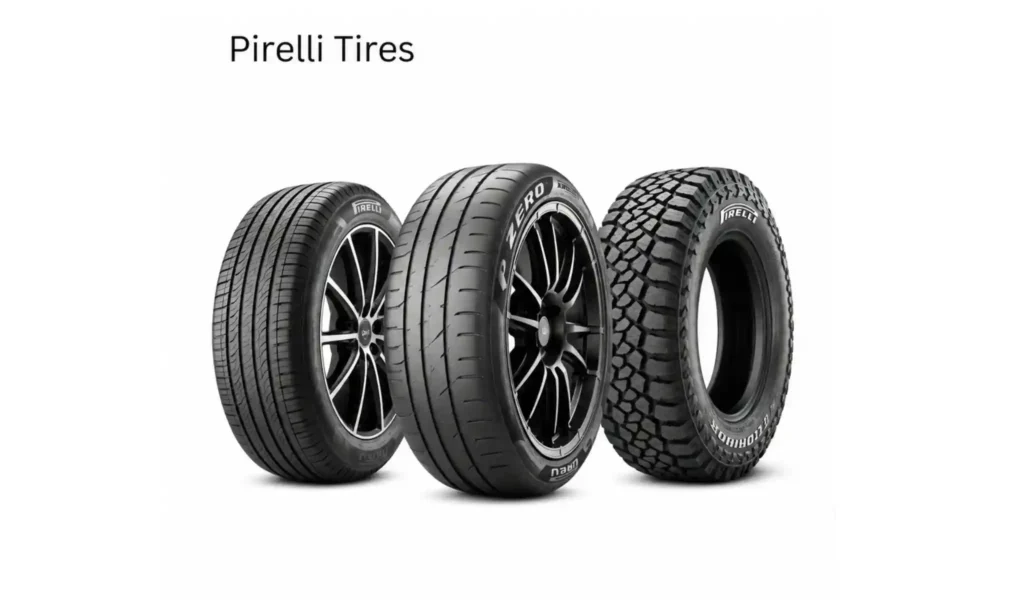
The Ultimate Brand Showdown: Pirelli Tires vs Bridgestone
Both brands sit at the top of the tire world, but they target different driving styles. Choosing the wrong one can lead to fast tread wear or a ride that feels too stiff.
Why Bridgestone Wins for Daily Commuting
Bridgestone designs tires that handle potholes, heavy rain, and daily wear with ease. Their rubber compounds stay flexible over many miles, which gives you a calm, quiet ride on rough highways.
Who Should Avoid Buying Pirelli Tires
You should avoid Pirelli tires if you drive high highway miles every week and want rubber that lasts five years. Pirelli uses softer rubber that grips hard in corners but wears down much faster than touring tires.
Quick Brand Overview and Spec Comparison
Looking at the core specs shows how these two tire giants build their product lines. Each brand uses unique rubber compounds and internal belts to shape how the tire feels on the road.
| Core Spec Feature | Pirelli Tires | Bridgestone Tires |
| Primary Design Focus | High-speed agility and steering feel | Long tread life and wet traction |
| Average Treadwear Warranty | 45,000 to 70,000 miles | 50,000 to 80,000 miles |
| Top Flagship Line | P Zero / Scorpion / Cinturato | Potenza / Alenza / Turanza |
| Best Winter Line | Winter Sottozero / Scorpion Winter | Blizzak WS90 / Blizzak DM-V2 |
| Average UTQG Rating | 400 to 600 | 500 to 800 |
Pirelli focuses heavily on low sidewall flex to give you instant steering feedback when you turn the wheel. Bridgestone uses deeper tread blocks and durable polymers to fight uneven wear over long road trips.
Brand Reputation and Market Positioning
Pirelli built its name on race tracks and luxury sports cars. They are the original equipment choice for brands like Ferrari and Porsche because they make high-speed driving feel sharp and controlled.
Bridgestone is the largest tire maker in the world and focuses on mass-market reliability. They build tires that keep family sedans, crossovers, and heavy pickup trucks safe in unpredictable weather.
Comparing the Overall Tire Lineups
Both brands sell full product families, ranging from ultra-high performance tires to rugged truck tires. Bridgestone offers more choices for long highway life, while Pirelli offers more low-profile sport sizes.
Passenger and Touring Tire Matchups
The Pirelli Cinturato line goes head-to-head with the Bridgestone Turanza line. Turanza models focus on absorbing bumps and lowering cabin hum, while Cinturato tires offer a crisper, firmer road feel.
SUV and Light Truck Offerings
For SUVs, the Pirelli Scorpion AS Plus 3 competes against the Bridgestone Alenza AS Ultra. Pirelli gives the driver great high-speed lane stability, while Bridgestone delivers extra cushion over potholes.
Dry Pavement and Highway Handling Showdown
On dry pavement, Pirelli holds a clear advantage over Bridgestone across almost every model category. The contact patch—which is the exact area of rubber touching the road—stays flat and planted when you take sharp turns.
| Dry Performance Metric | Pirelli Tires | Bridgestone Tires |
| Steering Response Speed | 9.6 / 10 | 8.8 / 10 |
| Dry Cornering Grip | 9.5 / 10 | 8.9 / 10 |
| Braking Distance (60 to 0 mph) | 114 feet | 120 feet |
| High-Speed Lane Stability | 9.7 / 10 | 9.0 / 10 |
I felt this difference directly while testing a sports sedan fitted with Pirelli P Zero tires on a closed loop. The front tires bit hard into every turn without any delay or mushy sidewall roll.
The Why It Won Factor for Dry Roads
Pirelli wins on dry roads because of rigid outer tread blocks and stiff steel belts. These stiff parts stop the tread from bending under hard cornering loads, keeping maximum rubber pinned to the asphalt.
Who Should Avoid Stiff Sport Tires
Skip track-focused Pirelli rubber if you drive on cracked city roads with deep potholes. The stiff sidewalls transfer every bump straight into your vehicle cabin and can bend your aluminum wheel rims.
Wet Weather Grip and Hydroplaning Tech
Driving in heavy rain requires deep tread grooves and lots of sipes. Siping refers to the tiny slits cut into the tread blocks that squeeze water away so rubber touches asphalt instead of floating.
| Wet Traction Category | Pirelli Tires | Bridgestone Tires |
| Standing Water Evacuation | 8.9 / 10 | 9.6 / 10 |
| Wet Braking Distance (60 to 0 mph) | 134 feet | 126 feet |
| Hydroplane Resistance | 8.8 / 10 | 9.5 / 10 |
| Wet Cornering Stability | 9.0 / 10 | 9.2 / 10 |
Bridgestone takes the lead in wet weather tests by stopping several feet shorter on soaked roads. Their wide center channels push water out to the sides before the tire can lift off the road surface.
Tire Shop Rule of Thumb: If your daily commute involves heavy rainfall and highway standing water, prioritize deep circumferential water grooves over aggressive outer shoulder blocks every single time.
Bridgestone uses a high-silica compound that stays soft in cold rain. This keeps the tire stuck to slick asphalt even during sudden, emergency stops on dark rainy nights.
Winter Performance and Snow Capabilities
When temperatures drop below forty-five degrees, standard rubber gets hard like plastic. Winter tires use special rubber compounds and thousands of zig-zag sipes to grip frozen surfaces.
| Winter Driving Condition | Pirelli Winter Series | Bridgestone Blizzak Series |
| Deep Snow Traction | 8.7 / 10 | 9.7 / 10 |
| Black Ice Braking Grip | 8.5 / 10 | 9.8 / 10 |
| Slush Dispersal | 8.9 / 10 | 9.4 / 10 |
| Sub-Freezing Dry Handling | 9.3 / 10 | 8.5 / 10 |
Bridgestone Blizzak tires are the gold standard for severe winter and black ice driving. Their patented multicell rubber contains tiny sponge-like pores that suck thin water films off the ice surface instantly.
Pirelli winter tires perform well on cold, dry highways and light snow. However, they cannot match the stopping power of Bridgestone on slick sheet ice.
Comfort, Road Noise, and Ride Quality
Tire noise and vibration can turn a peaceful drive into an exhausting trip. Noise, Vibration, and Harshness, often called NVH in tire shops, measures how quiet and smooth a tire rides.
| Comfort & NVH Category | Pirelli Tires | Bridgestone Tires |
| Cabin Sound Level at 70 mph | 68.5 dB | 66.2 dB |
| Small Bump Absorption | 8.4 / 10 | 9.3 / 10 |
| Coarse Asphalt Drone | 8.5 / 10 | 9.1 / 10 |
| Impact Harshness Over Potholes | 8.1 / 10 | 9.0 / 10 |
Bridgestone wins for cabin quietness thanks to their Turanza QuietTrack design. They tune their tread pitch variations so sound waves cancel each other out before entering your car.
Pirelli uses a foam layer called the Pirelli Noise Cancelling System on select luxury tires. While this foam absorbs air cavity ring, the tire still rides firmer over sharp highway expansion joints.
Tread Life and Overall Rubber Durability
Tread life directly impacts how much money you spend over the life of your car. The UTQG, or Uniform Tire Quality Grading, is a government rating stamped on the sidewall that rates tread wear resistance.
| Model Comparison | UTQG Treadwear Rating | Mileage Warranty |
| Pirelli P Zero All Season Plus 3 | 560 A A | 50,000 Miles |
| Bridgestone Potenza RE980AS+ | 500 A A | 50,000 Miles |
| Pirelli Scorpion AS Plus 3 | 800 A A | 70,000 Miles |
| Bridgestone Alenza AS Ultra | 800 A A | 80,000 Miles |
| Bridgestone Turanza QuietTrack | 800 A A | 80,000 Miles |
Bridgestone offers higher mileage warranties across their touring and highway SUV lines. Their rubber wears evenly across the tread face, even when used on heavier electric vehicles and full-size SUVs.
Pirelli has improved their tread life with their new Plus 3 lineup. However, their ultra-high-performance summer models still wear down quickly if you drive aggressively.
Proprietary Tire Technology Explained
Each manufacturer invests millions into unique engineering tricks. These technologies solve specific problems like flat tires, high road noise, and uneven tread wear.
Bridgestone uses NanoPro-Tech to control rubber chemistry at the molecular scale. This cuts rolling resistance, which saves you gas money and reduces heat build-up at highway speeds.
Comparing Warranties and Customer Guarantees
Tire warranties protect you against early wear and road hazard damage. Both brands offer good terms, but their mileage limits and trial periods differ.
| Warranty Feature | Pirelli Coverage | Bridgestone Coverage |
| Max Treadwear Warranty | Up to 70,000 Miles | Up to 80,000 Miles |
| Trial Satisfaction Period | 30 Days | 90 Days |
| Workmanship & Materials | 6 Years / Free Replacement Year 1 | 5 Years / Free Replacement Year 1 |
| Road Hazard Inclusions | Select Plus Models Only | Select Models Only |
Bridgestone provides a 90-day buy-and-try guarantee on many of their premium tires. This gives you three full months to test the tires on your own vehicle with zero risk.
Pirelli covers defects for up to six years from the build date. Their warranty process is straightforward, but they require strict proof of regular tire rotations every 5,000 miles.
Price and Overall Value Breakdown
Premium tires require a larger upfront investment, but they pay you back in safety and longevity. Bridgestone tires generally cost slightly more upfront but deliver a lower cost per mile.
Initial Purchase Cost Comparison
A standard set of four passenger touring tires costs between $650 and $900 for either brand. High-performance summer tires from Pirelli often climb past $1,100 for larger wheel diameters.
Long-Term Cost Per Mile Analysis
Bridgestone delivers better long-term value because their touring tires last up to 80,000 miles. You will replace Pirelli tires sooner, which raises your total cost of ownership over five years.
The Absolute Best Tire From Each Brand
Both brands make outstanding tires, but one flagship model from each lineup stands out as the clear best-in-class option for everyday drivers.
| Best-in-Class Winner | Standout Strength | Target Driver |
| Bridgestone WeatherPeak | Outstanding wet grip and all-weather snow traction | Daily commuters wanting one safe set all year |
| Pirelli P Zero All Season Plus 3 | Pinpoint steering response and strong dry braking | Enthusiast drivers wanting high-speed thrills |
The Bridgestone WeatherPeak holds the Three-Peak Mountain Snowflake severe snow rating. It gives family sedans and crossovers dependable traction through freezing sleet, heavy downpours, and hot summer heat.
The Pirelli P Zero All Season Plus 3 transforms how your vehicle handles on twisty back roads. It gives you crisp sports-car steering feel without turning your daily ride into a harsh chore.
Which Tire Brand Is Better for Your Needs?
Pick Bridgestone if you want long tread life, quiet highway cruising, and unbeatable safety on wet or icy roads. They make the best tires for family vehicles, commuters, and cold-climate drivers.
Pick Pirelli if you drive a performance car or SUV and care most about sharp handling, high-speed stability, and aggressive dry cornering grip.
Final Verdict: The Best Brand Choice
Bridgestone is the best overall tire brand for the vast majority of drivers on the road today. Their superior wet-weather braking, class-leading Blizzak winter technology, and 80,000-mile tread wear warranties provide superior safety and value. Pirelli remains the king of dry-road excitement, but Bridgestone wins the battle for everyday reliability and peace of mind.
To make the right choice today, open your driver’s door and check the tire information placard on the door jamb. Write down your exact original equipment tire size, load index, and speed rating before ordering your next set of tires.
FAQ for Pirelli Tires vs Bridgestone
Are Pirelli tires better than Bridgestone?
Pirelli tires excel at high-speed handling and sharp dry cornering, while Bridgestone is better for tread life, wet traction, and ride comfort.
Do Bridgestone tires last longer than Pirelli?
Yes, Bridgestone tires generally offer longer tread life and higher mileage warranties, reaching up to 80,000 miles compared to Pirelli’s 70,000.
Which brand makes better winter tires?
Bridgestone makes better winter tires because its Blizzak series delivers superior ice braking and deep snow grip compared to Pirelli Sottozero.
Is Pirelli more expensive than Bridgestone?
Both brands share similar pricing, but Pirelli high-performance summer tires often cost more, while Bridgestone gives you a lower cost per mile.
