
Pirelli Scorpion AS Plus 3 vs Michelin CrossClimate 2

In my years managing a busy tire shop, I saw drivers struggle to pick a good year-round tire. After testing both options, the Michelin CrossClimate 2 is the clear overall winner. It offers much better safety in rain and deep snow. The Pirelli is still a great tire, but it wins mostly on quiet comfort, not winter grip.
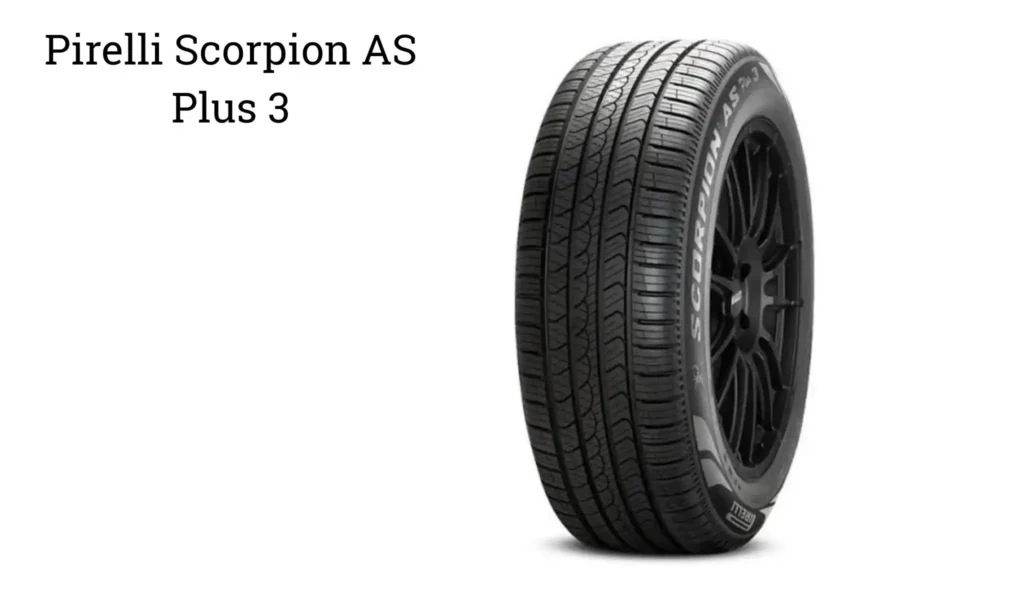
Quick Side-by-Side Spec Comparison
Let us look at the raw facts for both tires before we dive deep. This simple chart compares their basic traits side by side.
| Feature | Michelin CrossClimate 2 | Pirelli Scorpion AS Plus 3 |
| Tire Type | All-Weather (Severe Snow) | Touring All-Season |
| Tread Warranty | 60,000 Miles | 70,000 Miles |
| Severe Snow Score | Yes (3PMSF Rated) | No (Standard M+S) |
| Best Feature | Winter Grip and Rain Safety | Smooth Ride and Low Noise |
| Tread Pattern | V-Shape Directional | Asymmetric Ribbed |
As you can see, the Michelin has a severe snow rating for bad winters. The Pirelli offers a longer tread warranty for highway drivers.
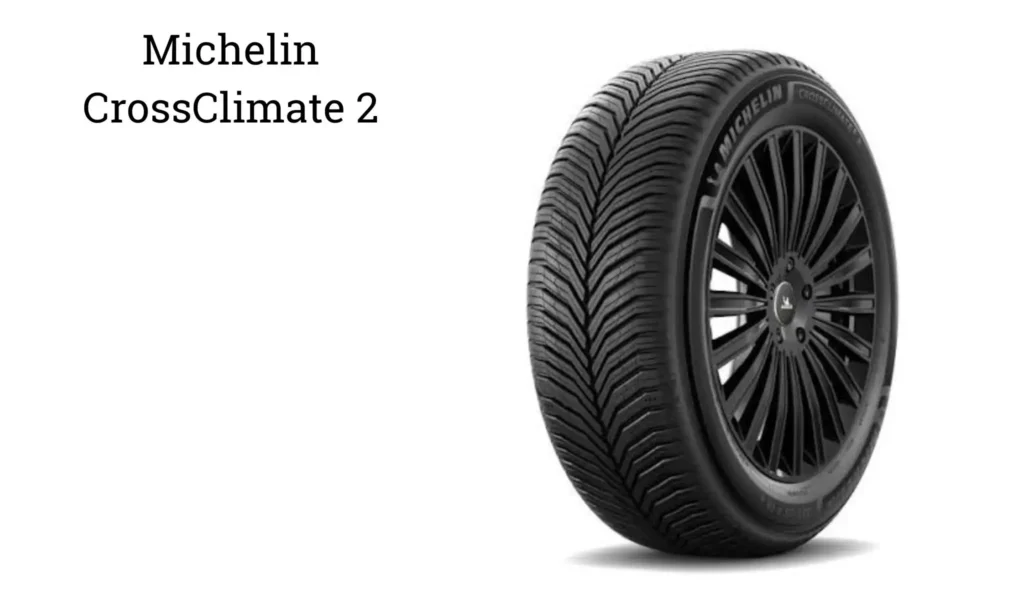
Complete Overview of Both Tire Models
Both of these tires cost good money, but they do very different jobs. You need to know how they work before you buy.
Why the Michelin CrossClimate 2 Wins
The Michelin wins because of its special V-shaped tread. This pattern pushes water away fast and bites hard into deep snow. It stops shorter on wet roads than almost any other tire I have tested.
Who Should Avoid the Michelin
Skip the Michelin if you want a whisper-quiet highway ride. The blocky tread pattern can hum slightly when you drive fast. If you never see snow, you might not need this much grip.
Why the Pirelli Scorpion Excels
The Pirelli shines when you want a smooth, plush ride. It soaks up hard bumps better than most tires I have ever mounted. It also lasts a very long time if you rotate it often.
Who Should Avoid the Pirelli
Avoid the Pirelli if you live in heavy snow areas. It lacks the severe snow rating needed for bad winter storms. It will slide around if the snow gets deeper than an inch.
Dry Road Performance and Daily Handling
On dry summer streets, both tires perform very well. They feel safe when you drive to work on a sunny day.
Real-World Dry Driving Tests
When I took the Michelin on a hot dry highway, it felt glued down. The stiff tread blocks keep the car stable in sharp turns. The contact patch, which is the part of the rubber touching the road, stays very flat.
Pirelli Highway Cruising
The Pirelli feels a bit softer on dry roads. It handles normal lane changes smoothly and gently. It is not meant for tight, fast cornering, but it drives straight and true on the highway.
Wet Road Performance and Braking Distances
Wet roads test how well a tire grips slick asphalt. Let us compare their wet weather safety traits.
| Wet Driving Trait | Michelin CrossClimate 2 | Pirelli Scorpion AS Plus 3 |
| Wet Braking | Excellent (Very Short) | Good (Average Distance) |
| Rain Cornering | Very Stable | Soft but Safe |
| Rubber Type | Sticky Silica Blend | Long-Lasting Compound |
| Water Chutes | Sweeping V-Grooves | Deep Straight Grooves |
The Michelin stops much faster on wet roads. Its soft rubber mix stays sticky even in cold, freezing rain.
Why Michelin Wins the Wet Test
The Michelin stops up to ten feet shorter on wet city roads. That short distance can save you from a bad rear-end crash. It gives you massive trust when you hit the brakes hard.
Light Snow Performance and Cold Grip
Light snow can make standard tires slide fast. Both tires claim to handle cold weather, but one does it much better.
Gripping in Slush and Cold
The Michelin acts like a true winter tire here. It grips slush easily and pulls the car forward without the wheels spinning. The sharp tread blocks act like tiny shovels in the snow.
Pirelli on Light Snow
The Pirelli handles a light dusting of snow just fine. Siping, which are tiny cuts in the tread blocks, helps it grip cold roads. But if the slush turns to thick snow, the Pirelli starts to struggle.
Severe Cold-Weather and Ice Capabilities
Heavy snow is the real test for year-round rubber. Here is how they handle freezing weather and deep ice.
| Winter Driving Trait | Michelin CrossClimate 2 | Pirelli Scorpion AS Plus 3 |
| Ice Grip | High Confidence | Low Confidence |
| Deep Snow Push | Very Strong | Struggles to Move |
| Cold Rubber Flex | Stays Very Soft | Gets Slightly Hard |
| Winter Rating | 3PMSF Certified | Standard M+S Only |
The Michelin has the Three-Peak Mountain Snowflake (3PMSF) symbol. This means it passed strict winter tests that the Pirelli failed.
Michelin on Solid Ice
Driving the Michelin on black ice feels safe and in control. The rubber stays soft when temps drop way below freezing. You will not slide into an intersection if you drive smart.
Pirelli in Deep Snow
The Pirelli struggles when the snow gets deep. The straight tread channels pack with snow, making the tire slip and slide. Do not take this tire into a severe winter blizzard.
Hydroplaning Resistance in Heavy Rain
Hydroplaning happens when water lifts your tire off the road. It feels like your car is floating, and it is very scary.
Slicing Through Deep Puddles
I remember driving the Michelin through a huge rainstorm. The V-shape swept water away instantly, and I never felt the wheel jerk. It pushes water out to the sides with pure force.
Pirelli Water Channeling
The Pirelli uses straight grooves to channel water straight back. It works well, but it floats slightly sooner than the Michelin in deep water. You must slow down more in heavy storms.
“As a tire shop rule of thumb, V-shaped tread patterns will almost always beat straight grooves when you hit deep standing water at highway speeds.”
Ride Comfort and Cabin Noise Levels
You want a tire that does not shake your teeth loose. Let us see which tire gives a smoother, quieter ride.
| Comfort Category | Michelin CrossClimate 2 | Pirelli Scorpion AS Plus 3 |
| Bump Soaking | Firm but Fair | Very Soft and Plush |
| Highway Hum | Slight Whirring Noise | Whisper Quiet |
| Pothole Impacts | You Feel the Thud | Absorbs the Hit |
| Overall Comfort | 7 out of 10 | 9.5 out of 10 |
Noise, Vibration, and Harshness (NVH) matter on long trips. The Pirelli beats the Michelin easily in this pure comfort category.
Why the Pirelli Wins on Comfort
The Pirelli absorbs potholes and cracks like a soft sponge. If you drive eighty miles a day, your back and ears will thank you. The sidewall flexes just enough to hide bad roads.
Michelin Tread Drone
The Michelin can get slightly loud as the rubber wears down. You might hear a steady humming noise when driving over sixty miles per hour. It is not awful, but you will notice it.
Tread Life and Mileage Warranty Comparison
No one wants to buy new tires every two years. Let us check how long these tires actually last.
| Tread Life Trait | Michelin CrossClimate 2 | Pirelli Scorpion AS Plus 3 |
| Warranty Miles | 60,000 Miles | 70,000 Miles |
| UTQG Score | 640 B A | 800 A A |
| Wear Speed | Moderate to Fast | Very Slow |
| Rubber Hardness | Soft for Winter Grip | Hard for Long Life |
UTQG is a government treadwear rating. A higher number means the rubber takes longer to wear out on the road.
The Pirelli Mileage King
Pirelli offers a massive 70,000-mile warranty. The hard rubber compound means you will replace these tires much less often. It is a tough tire built for long highway miles.
Michelin Wear Rates
Michelin offers a 60,000-mile warranty. Because the rubber is extra soft for winter grip, it wears out a bit faster on hot summer roads. You trade some lifespan for better safety.
Price vs Long-Term Value Breakdown
A cheap tire can cost you more in the long run. Let us look at the real cost of owning these tires over time.
| Value Metric | Michelin CrossClimate 2 | Pirelli Scorpion AS Plus 3 |
| Upfront Cost | Premium (High Price) | Mid-to-High Price |
| Winter Value | Saves Buying Snow Tires | Need Snow Tires Later |
| Fuel Economy | Good | Excellent |
| Best For | Rain and Snow States | Sunny and Warm States |
The Pirelli is cheaper upfront by a fair margin. However, the Michelin gives you true winter safety for that extra cash.
Is the Michelin Worth the Price?
If you live where it snows, the Michelin saves you big money. You do not have to buy a second set of dedicated winter tires. It handles all four seasons safely.
Who Gets Better Value from Pirelli?
Southern drivers get the best value from the Pirelli. You pay less money upfront and get more miles out of the rubber. You are not paying for snow grip you will never use.
Comprehensive Pros and Cons List
Let us sum up the good and the bad. Here is the final breakdown for both of these premium tires.
| Tire Model | The Good (Pros) | The Bad (Cons) |
| Michelin CrossClimate 2 | Amazing snow grip, fast wet stops | Costs more, slightly noisy on highway |
| Pirelli Scorpion AS Plus 3 | Very quiet, lasts forever, smooth ride | Poor deep snow grip, longer wet stops |
Every tire has a trade-off. You have to give up some quiet comfort to get amazing snow traction.
Which Tire Is Best for Year-Round Driving?
The right choice depends entirely on where you live and drive. There is no single perfect tire for every person.
The Perfect Michelin Driver
Choose the Michelin if you face harsh winters and heavy rain. It is the safest tire for unpredictable weather all year long. It is the best choice to protect your family in bad storms.
The Perfect Pirelli Driver
Choose the Pirelli if you live in a warm, sunny state. It is perfect for long, quiet highway trips and dry daily commutes. It gives you luxury comfort that lasts for years.
Final Verdict: Pirelli Scorpion AS Plus 3 vs Michelin CrossClimate 2
The Michelin CrossClimate 2 takes the win for pure safety. The Pirelli Scorpion AS Plus 3 is amazing, but Michelin offers unmatched all-weather grip. The Michelin will stop you faster and keep you on the road when the weather turns ugly.