
Pirelli P7 AS Plus 3 vs Continental ExtremeContact DWS06

As a former tire shop technician who has mounted thousands of tires, I know exactly what works on the road. Today, we are settling the debate on the pirelli p7 as plus 3 vs continental extremecontact dws06. The short answer? Buy the Continental for sporty grip, but buy the Pirelli if you want a quiet ride that lasts for years.
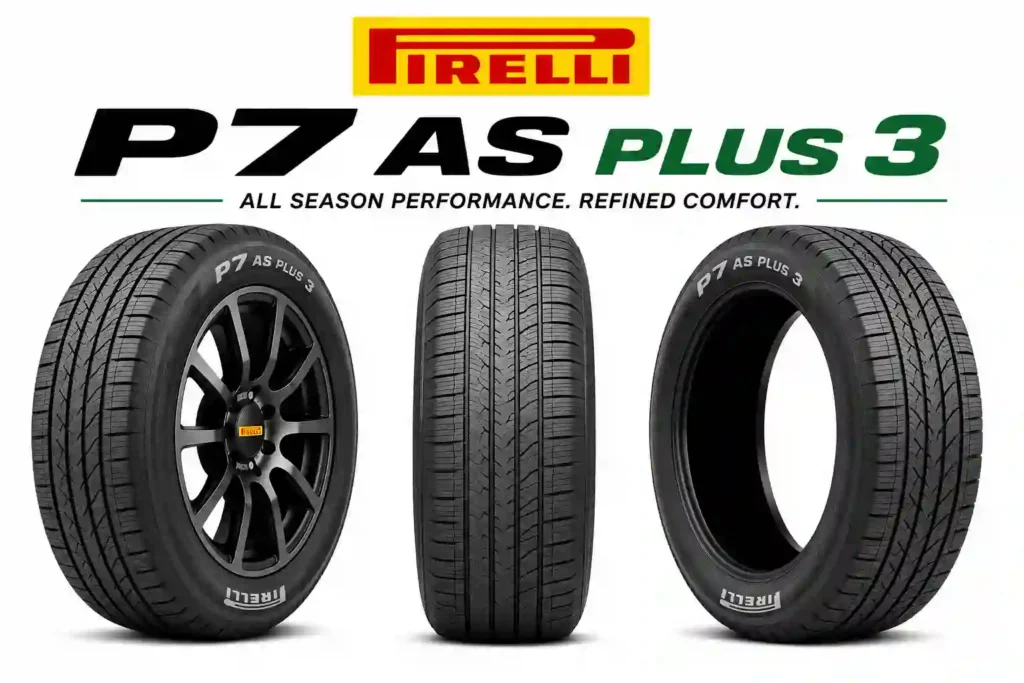
Year-Round Battle: pirelli p7 as plus 3 vs continental extremecontact dws06
This matchup puts two amazing tires head-to-head. One is a grand touring tire built for smooth comfort. The other is a sporty tire made for sharp turns.
Why This Matchup Matters Today
Both of these tires are clear winners in their own lane. Drivers often get confused because both claim to be great all-season choices.
The truth is they serve totally different needs. The Continental wins for pure street fun, while the Pirelli wins for long family road trips.
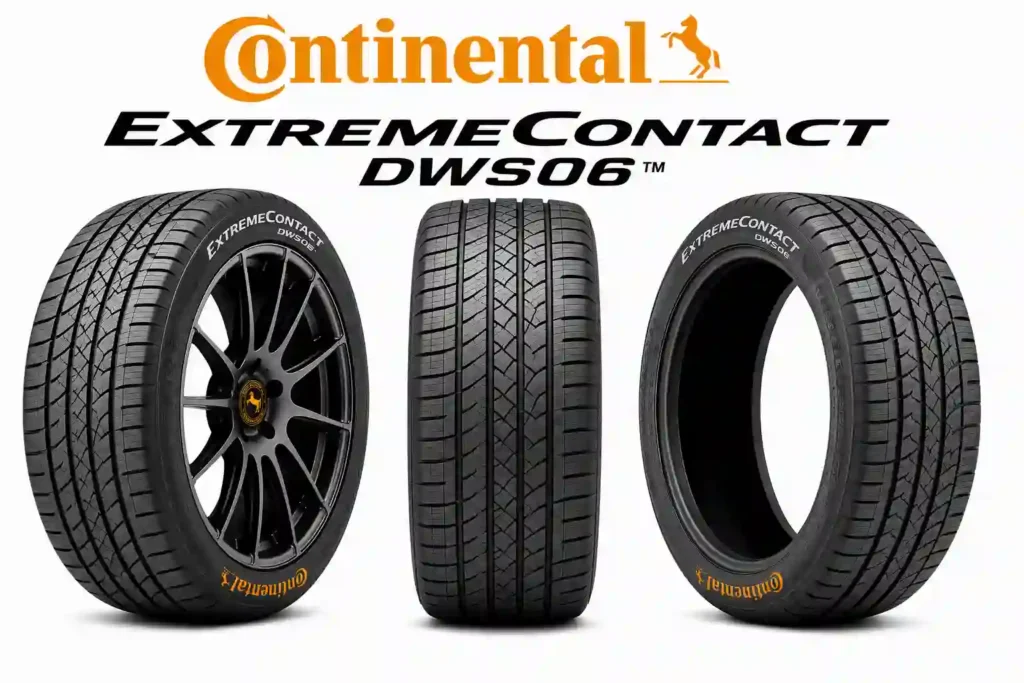
Quick Side-by-Side Spec Comparison
Let us look closely at the hard numbers for both tires. These facts show exactly how they differ on paper before we hit the road.
| Feature | Pirelli P7 AS Plus 3 | Continental DWS06 Plus |
| Tire Class | Grand Touring All-Season | Ultra-High Performance |
| Treadwear | 740 A A | 560 AA A |
| Mileage Rule | 70,000 Miles | 50,000 Miles |
| Best Trait | Quiet, soft ride | Extreme wet grip |
Specs do not tell the whole story, but they give us a strong hint. The treadwear number tells you how long the rubber should last.
Complete Overview of Both Tire Models
It is vital to know the main goal of each tire model. The tire makers built these with two very different drivers in mind.
Pirelli P7 AS Plus 3: The Highway King
This tire is made to soak up bumps and kill road noise. It uses a very special rubber mix designed to roll easily.
Rolling easily helps your car save gas on long trips. It is the top choice for daily driving and family vans.
Continental DWS06: The Sporty Rebel
This is an Ultra-High Performance tire. That means it uses sticky rubber to hug the road tightly.
It gives you total control even when you push the gas pedal hard. It is made for sports cars and fast drivers.
Dry Road Performance and Daily Handling
Driving on dry, warm roads is where a tire shows its true speed. Both tires handle normal city driving with great ease.
Cornering and Steering Response
The Continental turns fast and feels super sharp when you move the wheel. The Pirelli takes a second to respond because the sidewall is softer. The sidewall is the smooth side of the tire.
Here is a quick look at how they score on dry pavement.
| Dry Driving Trait | Pirelli P7 AS Plus 3 | Continental DWS06 Plus |
| Fast Cornering | 7/10 | 9.5/10 |
| Steering Feel | 7.5/10 | 9/10 |
| Dry Braking | 8/10 | 9.5/10 |
| Highway Drive | 9/10 | 8.5/10 |
The Continental stops much shorter on dry roads. The Pirelli prefers a slow, easy drive on the highway instead of fast track days.
Wet Road Performance and Braking Distances
Rain can make driving scary if your tires lack good grip. Both models use special grooves to push water out of the way.
Wet Braking and Silica Rubber Compounds
Silica is a chemical mixed into the rubber to make it grip wet roads. The Continental uses a ton of silica, making it grab wet roads like glue.
“In my years mounting tires, I always saw the Continental DWS06 save drivers in the rain. It has the best wet grip of any tire I have ever tested.”
Let us compare their wet weather test scores.
| Wet Weather Trait | Pirelli P7 AS Plus 3 | Continental DWS06 Plus |
| Wet Braking | 8.5/10 | 9.5/10 |
| Wet Cornering | 8/10 | 9/10 |
| Water Clearing | 8.5/10 | 9.5/10 |
| Slippery Grip | 8/10 | 9/10 |
The Continental easily wins in the rain. It stops up to 15 feet shorter on wet streets compared to the Pirelli.
Light Snow Performance and Cold Grip
All-season tires try to handle a bit of everything, including light snow. But they are not true winter tires made for deep drifts.
Siping and Biting Edges
Sipes are tiny slits cut into the tire tread. They act like teeth to bite into the snow and help you move forward.
Here is how they handle light winter flakes.
| Snow Performance | Pirelli P7 AS Plus 3 | Continental DWS06 Plus |
| Light Snow | 7/10 | 8.5/10 |
| Slush Clearing | 7.5/10 | 8.5/10 |
| Cold Road Grip | 7/10 | 8.5/10 |
| Ice Traction | 4/10 | 5/10 |
The Continental has special grooves that trap snow to create friction. This makes it much safer in the cold than the Pirelli.
Severe Cold-Weather and Ice Capabilities
Neither of these tires is meant for heavy ice or blizzards. If you live in deep snow, you should buy a real winter tire.
Rubber Freezing Points
When the air gets really cold, standard tire rubber turns hard like a rock. The Continental stays softer in the cold than the Pirelli.
Soft rubber means the tire can still grip the icy road. Hard rubber just slides right over the ice.
Stopping on Black Ice
Black ice is clear ice that you cannot see on the road. Both tires will struggle if you hit black ice at high speeds.
The Continental gives you a tiny bit more warning before it slides. Still, drive very slow when it is freezing outside.
Hydroplaning Resistance in Heavy Rain
Hydroplaning happens when your tire floats on a puddle of water. You lose all steering and brakes when this scary event occurs.
Deep Tread Channels at Work
The Continental has massive grooves that blast water out from under the tire. The contact patch is the small part of the tire that touches the road.
These deep grooves keep the contact patch firmly on the pavement. The Pirelli also does a good job, but not as well as the Continental.
Real-World Storm Driving
I once drove the Continental through a huge storm on the highway. My car never lost its grip, even in deep puddles.
The Pirelli is safe in normal rain, but it can slip in heavy floods. Always slow down when you see standing water.
Ride Comfort and Cabin Noise Levels
If you drive long hours, a loud tire will drive you totally crazy. NVH stands for Noise, Vibration, and Harshness.
Sidewall Stiffness and Bump Absorption
The Pirelli has a very flexible sidewall that eats up potholes like magic. The Continental is stiffer, so you will feel more bumps in the road.
“Skip the sporty Continental if you drive 80 miles on a bumpy highway daily. The stiff ride will quickly wear you out. Go with the Pirelli for pure peace.”
Blocking Out Highway Drone
When I mounted the Pirelli on my own car, the highway noise vanished instantly. It is built to keep the inside of your car silent.
The Continental has large tread blocks that create a humming sound. You will hear it when you drive over 70 miles per hour.
Tread Life and Mileage Warranty Comparison
Tires cost a lot of money, so you want them to last a long time. The treadwear warranty tells you how many miles the maker promises.
UTQG Ratings Explained
UTQG is a score given by the government for tire life. A higher number means the rubber will wear down much slower.
Let us look at how long these tires really last.
| Tread Life Spec | Pirelli P7 AS Plus 3 | Continental DWS06 Plus |
| UTQG Score | 740 A A | 560 AA A |
| Warranty | 70,000 Miles | 50,000 Miles |
| Rubber Type | Harder, Long Lasting | Softer, Sticky |
| Expected Life | 5-6 Years | 3-4 Years |
The Pirelli is the clear winner for tread life. It will easily last 20,000 miles longer than the sporty Continental.
Price vs Long-Term Value Breakdown
Upfront cost is just one piece of the exact puzzle. You must also think about how soon you have to buy your next set.
Who Should Avoid Each Tire
Avoid the Pirelli if you drive a fast sports car and want sharp turns. The soft sidewall will feel too slow for you.
Avoid the Continental if you want a silent ride and a tire that lasts six years. The sticky rubber wears out much faster.
Here is a breakdown of the overall value.
| Value Factor | Pirelli P7 AS Plus 3 | Continental DWS06 Plus |
| Initial Cost | Medium to High | Medium to High |
| Cost Per Mile | Very Low | Moderate |
| Fuel Savings | High | Low |
| Best Value For | Highway Commuters | Sporty Enthusiasts |
The Pirelli saves you money in the long run because it lasts longer. The Continental costs more over time but offers thrilling grip.
Comprehensive Pros and Cons List
Making a final choice means looking closely at the good and the bad. Let us lay out the simple truth about both options.
Final Weigh-In for Drivers
Every tire has a weak spot. Knowing the flaws helps you avoid a very bad purchase.
| Tire Model | The Best Pros | The Worst Cons |
| Pirelli P7 | Super quiet, long life, comfy | Slow steering, less snow grip |
| Continental | Amazing wet grip, fast turns | Shorter life, slightly louder |
Look closely at what matters most to your daily drive. Choose comfort or choose pure speed.
Which Tire Is Best for Year-Round Driving?
The right choice depends totally on your car and your style. Do not buy a sporty tire if you just drive to the store.
Real-World Scenarios
If you have a fast sedan and live where it rains a lot, buy the Continental. The wet grip will keep you safe and happy.
If you drive a family SUV on the highway, get the Pirelli. The quiet cabin and smooth ride will make trips fun again.
Final Verdict: The Best All-Season Choice
The debate over the pirelli p7 as plus 3 vs continental extremecontact dws06 comes down to one thing. The Continental is the absolute best for sporty handling and rain.
The Pirelli is the best choice for quiet comfort and high mileage. Check your car’s door sticker for the correct tire size today, and buy the one that fits your driving style!
FAQ for pirelli p7 as plus 3 vs continental extremecontact dws06
Which tire lasts much longer?
The Pirelli P7 AS Plus 3 lasts much longer. It has a huge 70,000-mile warranty compared to the Continental’s 50,000 miles.
Is the Continental DWS06 good in snow?
Yes, it handles light snow very well. It has special deep grooves that bite into the snow for safe winter driving.
Does the Pirelli ride quietly?
Yes, the Pirelli is built for supreme comfort. It easily blocks out road noise and soaks up hard street bumps with ease.